REVIEW · DIAMOND HEAD TOURS
Honolulu: Diamond Head Segway Tour
Book on GetYourGuide →Operated by Sidewalk Surfing Tours · Bookable on GetYourGuide
Segways make Diamond Head feel easy. You get Pacific Ocean views on wheels, then stop for stories that connect the coastline to Honolulu’s past. This is a smart way to see more than the usual Waikiki loop without turning the day into a long slog.
Two things I really like are the careful Segway training (especially for first-timers) and the steady mix of scenery and meaning, from memorials to historic homes. One possible drawback: the tour isn’t for everyone because you must be able to climb and descend stairs without assistance.
In This Review
- Key Highlights Worth Skipping Ahead For
- Why Diamond Head on a Segway Makes Sense
- Meeting at Honolulu Zoo and Getting Comfortable Fast
- Waikiki Aquarium Pass and the Ride Into Kapiolani Park
- War Memorial and Coconut Avenue Historic Homes
- Leahi Beach Park, Diamond Head Lighthouse, and Photo Missions
- Emilia Earhart Lookout and Red Wings Memorial Park
- Fort Ruger Pathways: The Quieter Ending You’ll Appreciate
- Price and Value: Is $155 Worth It?
- Tips for a Smooth Ride in Honolulu Sun and Weather
- Who This Tour Fits Best (and Who Might Skip It)
- Should You Book This Honolulu Diamond Head Segway Tour?
- FAQ
- How long is the Honolulu Diamond Head Segway tour?
- Where is the meeting point?
- What’s included in the price?
- What languages are offered for the tour?
- How large is the group?
- What should I bring?
- Is the tour suitable for people with mobility impairments or wheelchair users?
- Does the tour run in all weather?
Key Highlights Worth Skipping Ahead For
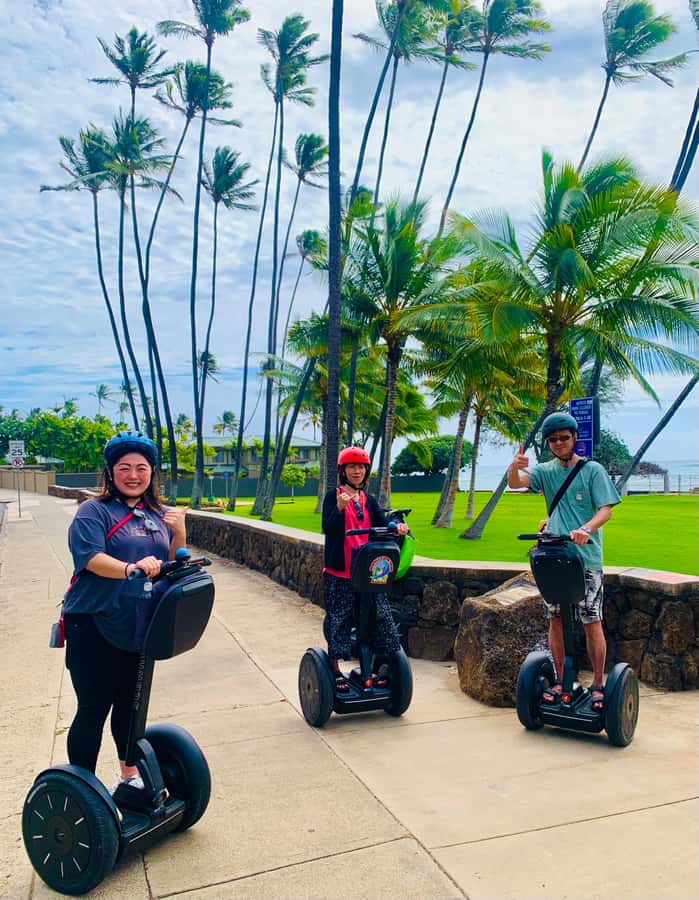
- Small group (up to 7 riders) for a more personal pace and better attention
- First-time friendly training before you roll out, with clear instruction
- Diamond Head coast views plus stops that turn photos into mini-missions
- Coconut Avenue historic homes and War Memorial for context beyond the scenery
- Emilia Earhart Lookout Point and memorial parks for meaningful viewpoints
- Fort Ruger pathways for a calmer, less-tour-bus feel late in the ride
Why Diamond Head on a Segway Makes Sense
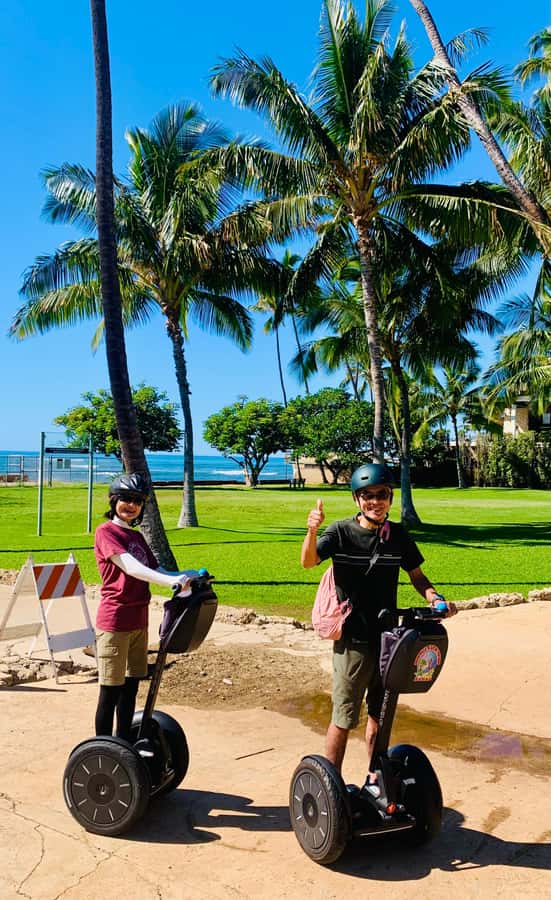
Honolulu’s best sightseeing often comes with a tradeoff: either you walk and earn every view, or you drive and miss the in-between moments. A Segway splits the difference. You’re moving smoothly, but you’re not boxed into a car window. That matters on this route, where the best parts are quick transitions—park views, coastal angles, and overlooks you’d normally only catch if you’re already nearby.
I like how the tour leans into the Diamond Head area instead of treating it like one big pass-by landmark. You get a sequence of viewpoints and landmarks that feel connected: Waikiki’s edge, then Diamond Head’s dramatic presence, then the quieter memorial spaces around the crater. It’s a guided “see and understand” loop, not just motion for motion’s sake.
Also, the tour’s 2-hour length is just right for this area. Long enough to feel like you explored, short enough that you’re not fighting fatigue for every photo.
You can also read our reviews of more tours and experiences in Honolulu.



Meeting at Honolulu Zoo and Getting Comfortable Fast
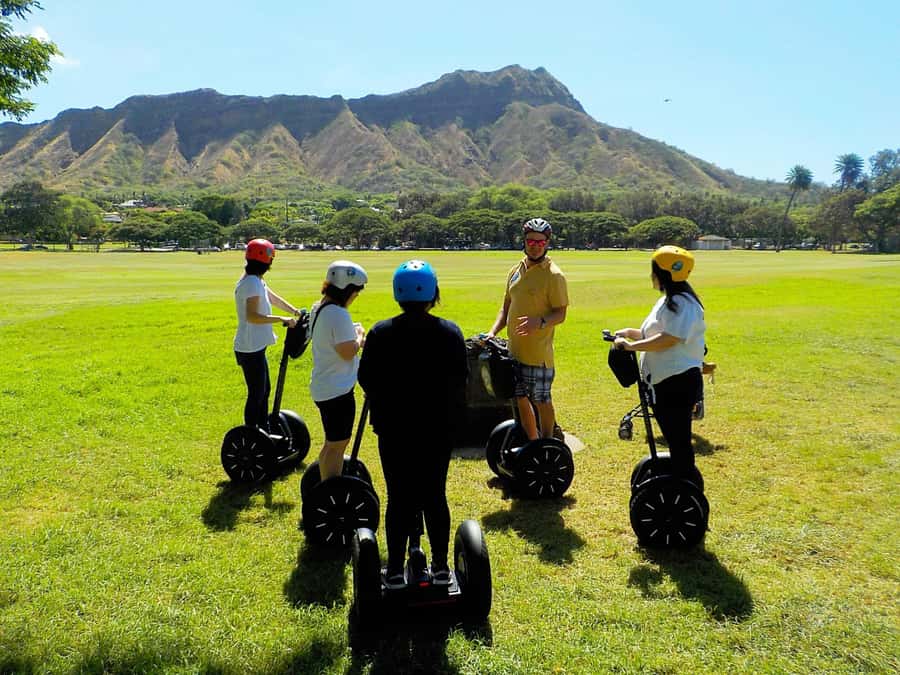
You meet outside the main entrance to the Honolulu Zoo, on the sidewalk next to the Zoo parking lot. It’s a practical staging spot because you can find it easily and then start rolling right away.
Before the tour begins, you’ll get a training session plus a quick lesson in safe control—how to start, stop, turn, and adjust your balance. The goal is simple: you don’t have to be athletic, but you do need to be ready to ride responsibly. If you’re a total beginner, this is the kind of setup that helps you get your bearings fast.
The instruction is offered in English and Japanese, and the vibe tends to be patient. Names like Timo show up in the kind of feedback that matters here: people appreciated clear explanations and smooth reassurance, not just a rushed “good luck” and go.
One more real-world note: the tour runs in all weather, so your training and start time will still happen in rain or sun. That means you’ll want sunscreen either way, and you should plan for the ground to be a little different if the weather turns.
Waikiki Aquarium Pass and the Ride Into Kapiolani Park

The ride starts with an easy glide past the Waikiki Aquarium and into the Kapiolani Park area. This first stretch is useful even if you’ve already seen Waikiki by foot. On a Segway, you can keep moving while taking in the big picture: how the city and ocean meet, how the coastline bends, and where the land starts rising toward Diamond Head.
Kapiolani Park is where the tour shifts from “urban edge” to “outdoor breathing room.” You’re not stuck in one view. Instead, you pass through a series of sightlines—open park space, people enjoying the day, and the kind of breezy atmosphere that makes it feel like you left the crowded strip without actually going far.
What you gain here is timing. A guided route helps you hit the interesting parts when you’re still fresh. You’re also able to settle into the Segway rhythm before the more scenic, overlook-heavy stops later.
If you dislike any kind of public-facing riding, keep that in mind: parts of the route are right alongside places visitors recognize. The upside is it’s active, visible, and easy to follow as you ride.
War Memorial and Coconut Avenue Historic Homes
This is where the tour becomes more than a scenic ride. You’ll pass the War Memorial and the historic homes around Coconut Avenue, which gives you a different lens on the Diamond Head area.
Why this matters: Waikiki is easy to experience as entertainment and beach time, but the Diamond Head region also holds deep local history. Seeing memorials and historic residences from the vantage point of a moving ride gives you context without turning the afternoon into a museum schedule.
The advantage of being on a Segway is that you can slow down for details when your guide highlights them, yet you’re not stuck stationary for long periods. You get the message, you take a look, you continue—like a guided walk, but faster and with fewer stop-start hassles.
The drawback to consider is that you may want a camera ready. These stops can be quick, and the lighting in Honolulu changes fast. If you’re the type who always wants to frame the perfect shot, bring a lens-friendly plan: one photo first, then linger for the details your guide points out.
Leahi Beach Park, Diamond Head Lighthouse, and Photo Missions
As you continue, the route takes you to Leahi Beach Park and along the area around the Diamond Head lighthouse. This is the heart of the Diamond Head vibe: ocean air, dramatic coastline angles, and that unmistakable volcanic silhouette that makes Honolulu feel instantly recognizable.
Here’s what I think makes this part special for you: it blends viewpoints with practical scenery. You’re not only looking down at the ocean; you’re riding along points where the coastline curves and where you can pick up the shape of the crater area in relation to the city.
Between Leahi Beach Park and the lighthouse area, the tour offers multiple stops that are clearly intended for photos. That’s a big deal because it reduces the “where should I stand” stress. You can focus on shooting while knowing a guide is moving you between the best angles.
Be ready for sun. Even when the day seems mild, Hawaii sun stacks up quickly. Comfortable shoes and water matter here because you’ll likely take breaks, stand, and walk a few short distances even though most of the experience is on the Segway.



Emilia Earhart Lookout and Red Wings Memorial Park
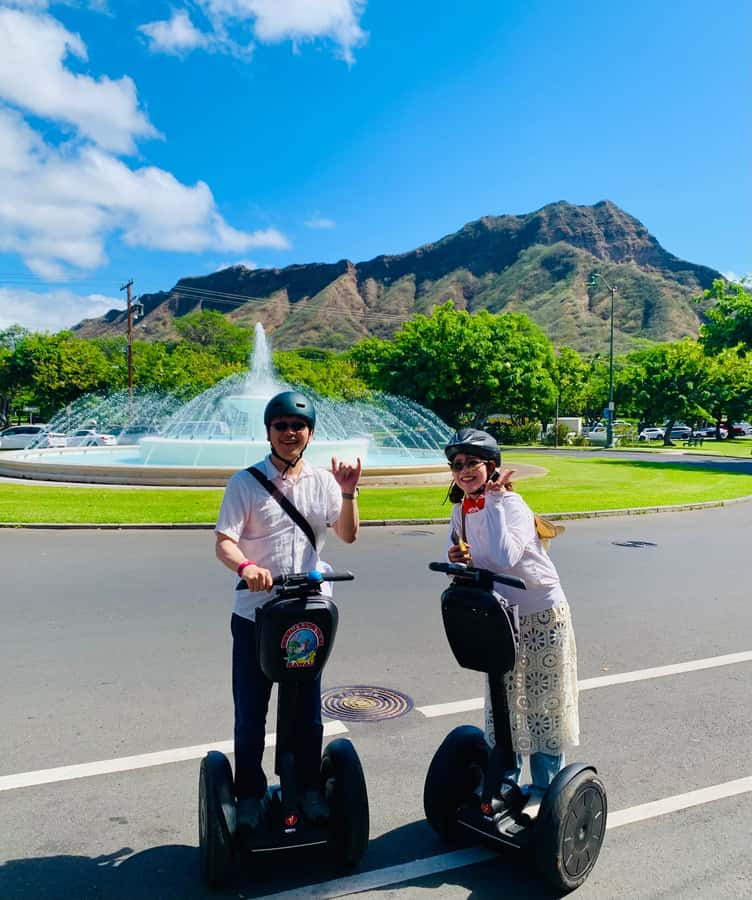
The Emilia Earhart Lookout Point and the Red Wings Memorial Park stops add a strong layer of meaning to the ride. These aren’t just pretty “check the box” viewpoints. They connect the landscape to people and stories tied to aviation and remembrance.
For your experience, I’d treat these stops like your “pause and absorb” moments. When you’re gliding across Waikiki’s edge, everything moves fast. But when the route reaches lookout points and memorial parks, it slows the tone. You get a chance to look out, then hear how the area’s significance fits into the larger Honolulu story.
Also, these stops are perfect for anyone who likes photos but also wants more than a simple skyline. You’ll likely find yourself taking fewer random shots and more intentional ones because your guide is steering your attention toward what’s meaningful in each view.
If you’re sensitive to standing in one spot for a bit, plan accordingly. Even though you’re on a Segway, memorial and lookout areas naturally invite lingering—so wear clothing that lets you stay comfortable.
Fort Ruger Pathways: The Quieter Ending You’ll Appreciate
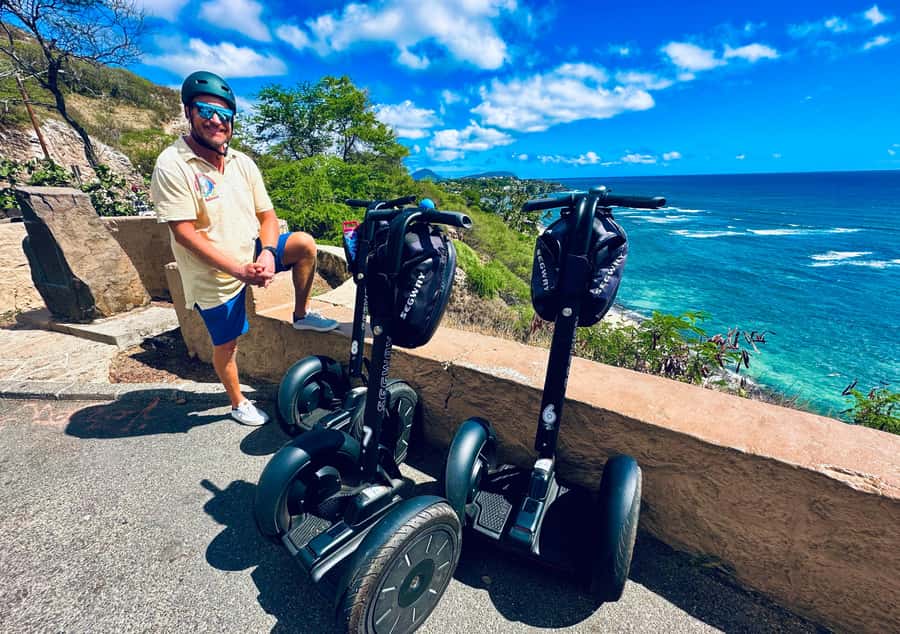
The tour wraps with Red Wings Memorial Park and then heads through Fort Ruger pathways. This segment tends to feel like the quieter side of the day. Instead of constant city energy, you’re on a route that gives you a sense of terrain and edges—pathways that make the area feel more tucked-in and less purely tourist-forward.
Why I think this is a good ending: it gives your brain time to shift gears. Early parts of the tour are all about getting oriented—training, park transitions, and historic markers. Finishing with Fort Ruger pathways feels like a natural “cool down” after the main highlights and view stations.
It also helps that there are often scenic angles along the way. Even if you’re not planning to stop every time, the moving perspective keeps delivering new views, so you don’t feel like you’re repeating the same scene.
If you’re prone to travel fatigue, this quieter finish can be a relief. You’ll still be seeing the coastline and crater region, but in a calmer setting.
Price and Value: Is $155 Worth It?
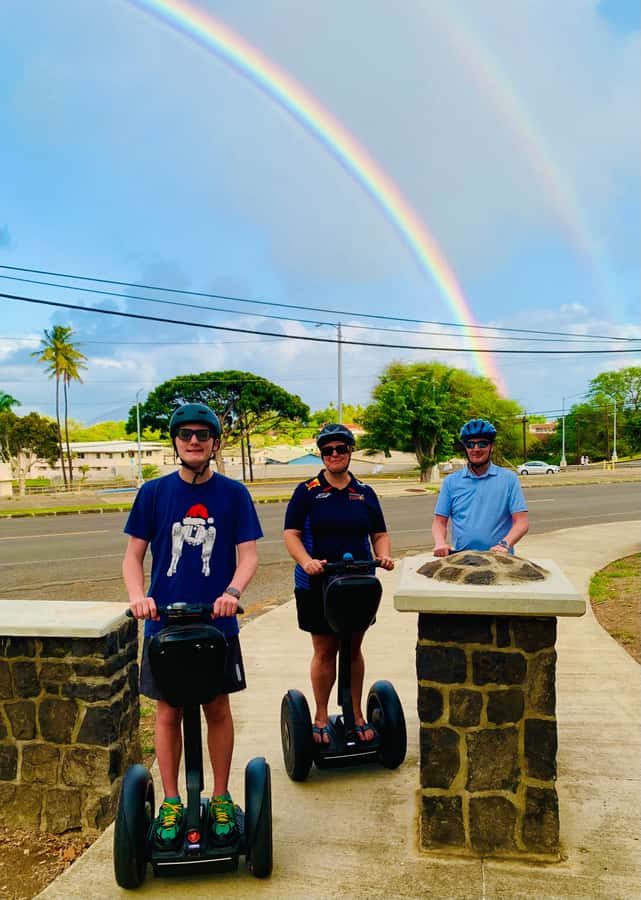
At $155 per person for a 2-hour tour, you’re paying for more than transportation. You’re buying:
- a live tour guide
- helmet included
- Segway training before you ride
- access to a guided route with multiple viewpoints and landmark stops
For Honolulu, the value usually comes down to time and effort. If you tried to replicate this route by yourself, you’d spend time figuring out safe paths, parking, and the best angles at each stop. Even if you’re a strong planner, it’s still hard to create a smooth, connected sightseeing loop that feels like it flows.
This tour also has a pricing advantage over long private tours. With small group size limited to 7 participants, you still get guided attention without the cost jumping into high-end private territory.
So, is it worth it? For me, yes—when you want the Diamond Head area in one efficient block and you care about hearing context while you see the views. If you’re the type who loves slow, self-guided walking for hours, you might prefer to do it on foot. But if you want a “see a lot without exhausting yourself” day, this price generally lines up.
Tips for a Smooth Ride in Honolulu Sun and Weather
This tour operates in all weather conditions, so treat the day like it could change. You’ll want:
- sunscreen
- water
- comfortable shoes
- your camera ready
I’d also plan your clothing like a local: light layers, breathable fabrics, and something that handles both sun and occasional rain. The route includes parks, memorial areas, and viewpoints, so you’ll be in open air for stretches.
One important practical point: you must be able to climb and descend stairs without assistance. That doesn’t just affect “can you ride.” It affects how easy it is to move around the meeting area and any route segments that involve steps. If you’re unsure, it’s worth checking your comfort level before you book.
Finally, smoking isn’t allowed. That’s a small rule, but it affects the overall feel of the group. It keeps the tour experience cleaner and more pleasant.
Who This Tour Fits Best (and Who Might Skip It)
This Segway tour is a great match if you:
- want Diamond Head and nearby landmarks without spending the whole day walking
- like a guided route where your stops make sense
- are open to a careful training session before riding
- want a small group and guidance in English or Japanese
It’s also ideal if you’re coming from Waikiki and want a structured way to see more than the obvious beachfront strip.
It’s not a good fit if you have mobility impairments or use a wheelchair. The requirement to climb and descend stairs without assistance is a dealbreaker for many.
If you’re visiting with someone who’s nervous about new technology, the training approach helps. People have specifically praised how thorough the instruction is for first-time riders, and how calm and clear the guidance can be.
Should You Book This Honolulu Diamond Head Segway Tour?
I’d book it if your goal is a two-hour Diamond Head-focused experience that blends great views with real local context—without turning your day into a long hike. The small group setup and guided flow add real value, especially if you want stops like Coconut Avenue historic homes, memorial parks, and lookout points without spending hours researching the “best order.”
Skip it if you’re not comfortable with stairs or you know the Segway riding position will be an issue for you. Also think twice if you strongly prefer silent self-guided exploration. This is a guided ride, and the best parts come when you’re willing to listen while you’re moving.
If you want an efficient, fun way to see Honolulu’s Diamond Head area with a guide speaking English or Japanese, this one is a solid choice.
FAQ
How long is the Honolulu Diamond Head Segway tour?
The tour duration is 2 hours.
Where is the meeting point?
You meet outside the main entrance to the Honolulu Zoo, on the sidewalk next to the Zoo parking lot.
What’s included in the price?
It includes a live tour guide, helmet, and Segway training.
What languages are offered for the tour?
The live tour guide offers English and Japanese.
How large is the group?
The group is limited to 7 participants.
What should I bring?
Bring comfortable shoes, a camera, sunscreen, and water.
Is the tour suitable for people with mobility impairments or wheelchair users?
No. It is not suitable for people with mobility impairments or wheelchair users, and participants must be able to climb and descend stairs without assistance.
Does the tour run in all weather?
Yes, the tour operates in all weather conditions, so dress appropriately.