REVIEW · HONOLULU
Honolulu: Liljestrand House Architectural Tour
Book on GetYourGuide →Operated by Liljestrand Foundation · Bookable on GetYourGuide
Mid-century design feels personal at this Honolulu house. On the Liljestrand House tour, I like how it preserves the original mid-century look with original furnishings and artwork, and I really enjoy how the guide connects what you’re seeing to Vladimir Ossipoff’s design thinking, especially how rooms handle views and use natural materials. The main catch is the house is not air-conditioned, so summer and fall visits can get warm fast—and yes, you’ll be taking your shoes off.
This is a small group experience with a live English docent and a tight 90-minute format. You get the feel of living in the space, plus the story of the Liljestrand family and their friendship with Ossipoff—more than just architecture talk.
If you’re expecting a casual stroll with maximum freedom to move around and film everywhere, plan on some limitations. Shoes are required to come off because of fragile wood floors, and you can’t bring big bags or equipment like tripods or selfie sticks.
In This Review
- Key highlights to look for
- Why the Liljestrand House is a standout architectural visit in Honolulu
- Entering the house: what the first minutes feel like
- Inside Ossipoff’s thinking: view management you can actually see
- Mid-century furnishings and artworks: why the details matter
- A 90-minute pacing plan that doesn’t rush the good stuff
- Price and value: is $78 worth it?
- Who this tour is perfect for (and who should skip it)
- Practical rules that affect your comfort
- Preservation mission: why your ticket supports more than photos
- Should you book the Honolulu Liljestrand House Architectural Tour?
- FAQ
- How long is the Liljestrand House Architectural Tour?
- How big is the tour group?
- Is the tour guide available in English?
- Is the house air-conditioned?
- Do I need to remove my shoes?
- Is the tour suitable for children?
- Are backpacks or camera equipment allowed?
- What is the cancellation policy?
Key highlights to look for
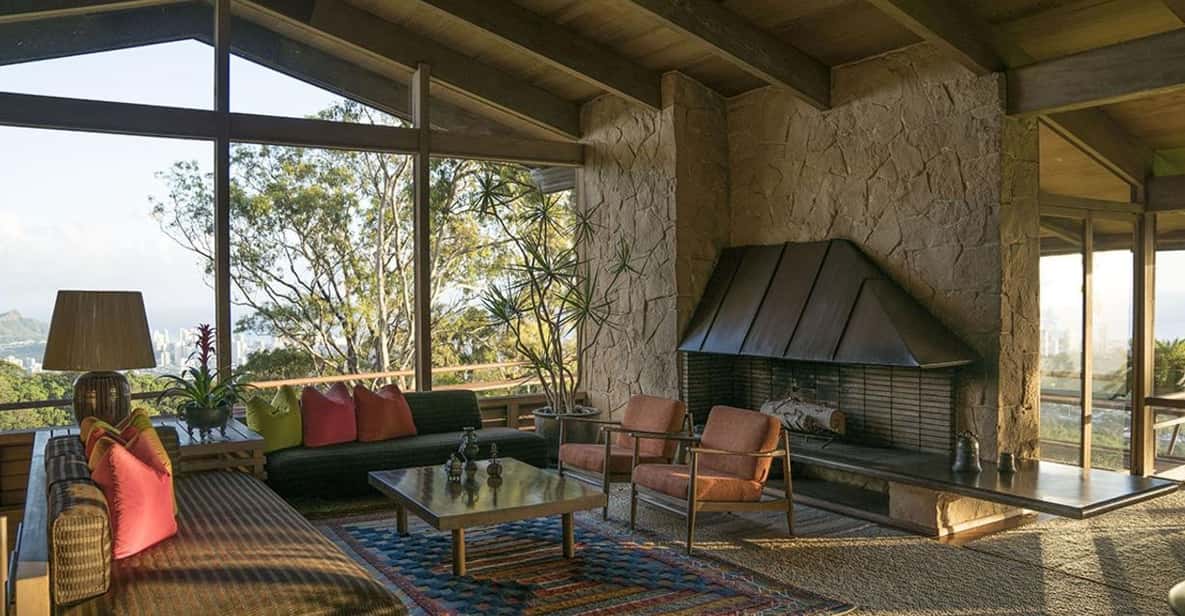
- Preserved mid-century interiors with original furnishings and artworks that help you see the design choices in context
- Vladimir Ossipoff’s view management, explained in plain language as you walk through the rooms
- Natural materials in real life, not just in photos, so you can understand the texture and intent
- A small group of up to 10, which keeps questions and details from getting lost
- Docent-led context about the Liljestrand family and their connection to Ossipoff
- Support the Liljestrand Foundation mission by visiting a house that relies on preservation
Why the Liljestrand House is a standout architectural visit in Honolulu
Honolulu has plenty of big-ticket sights, but this tour is about something more focused: a single house that’s considered a celebrated example of Hawaiian modern architecture. The value here is that you don’t just see the style—you learn what the designer was trying to do and how the house supports daily life.
I like that the tour frames architecture as choices. Ossipoff’s ideas aren’t presented as fancy theory; they’re linked to what you notice: sightlines, materials, light, and how indoor and outdoor space can feel connected. You’ll walk through thinking like a designer without needing an architecture degree.
And because it’s the Liljestrand Foundation preserving the home, your ticket supports the upkeep of a fragile place. That matters. Historic houses don’t stay preserved by vibes alone.
You can also read our reviews of more tours and experiences in Honolulu.



Entering the house: what the first minutes feel like
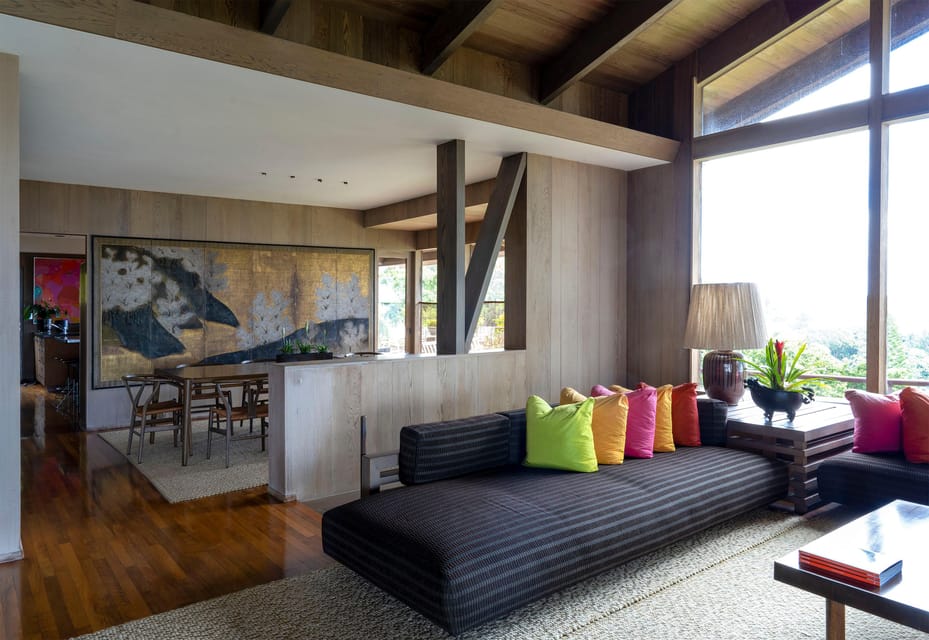
Your visit starts with the entrance to the Liljestrand House and a live tour guide. From the start, you’re guided to look at details rather than just “touring.” That’s an important difference, because mid-century architecture rewards close attention.
Also, you’ll need to follow the shoe rule. The wood floors are fragile, so you remove your shoes. It’s a small step, but it changes the whole vibe—less clunky and more respectful of the space. If you’re the type who forgets little rules until the last second, wear slip-on socks you don’t mind getting warm.
The house is not air-conditioned, and the location means you may feel that especially in summer and fall. Plan for it the same way you’d plan for a hot museum day: light clothing and water awareness.
Inside Ossipoff’s thinking: view management you can actually see
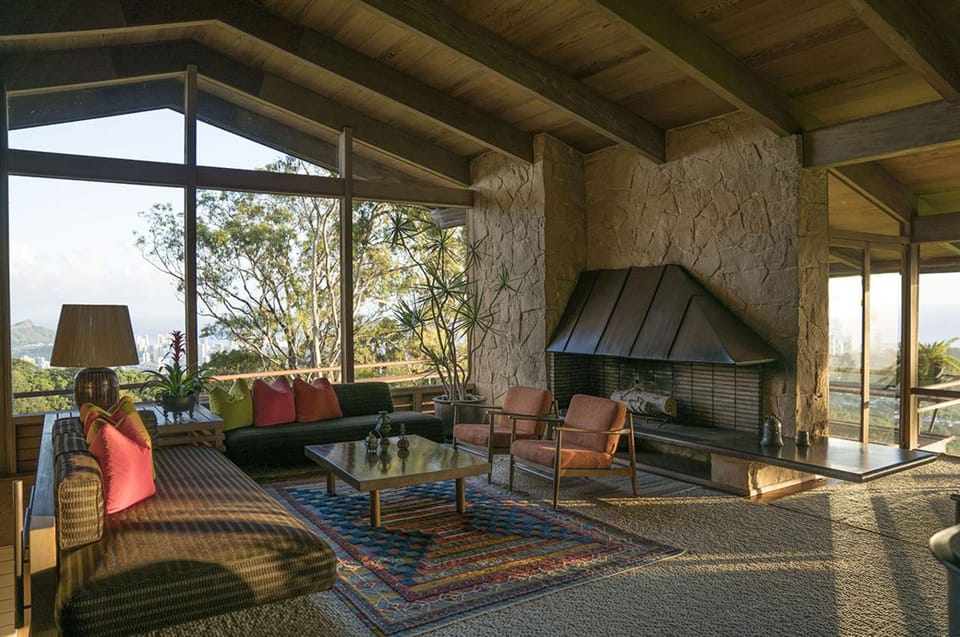
One of the tour’s biggest strengths is how it explains Ossipoff’s design principles while you’re standing in the real spaces. A theme that keeps coming through is view management—basically, the way the home controls what you see, when you see it, and how big or small those views feel.
Instead of treating views like an afterthought, the design uses them as part of the architecture. As you move from one area to another, pay attention to how sightlines shift. You’ll start noticing where the house guides your eyes and where it frames outside space as part of the experience.
This is where the house stops being “a pretty mid-century structure” and becomes a lesson in intention. The guide’s explanations help you interpret details you might otherwise miss, like how materials and openings work together to shape what the room feels like.
Mid-century furnishings and artworks: why the details matter
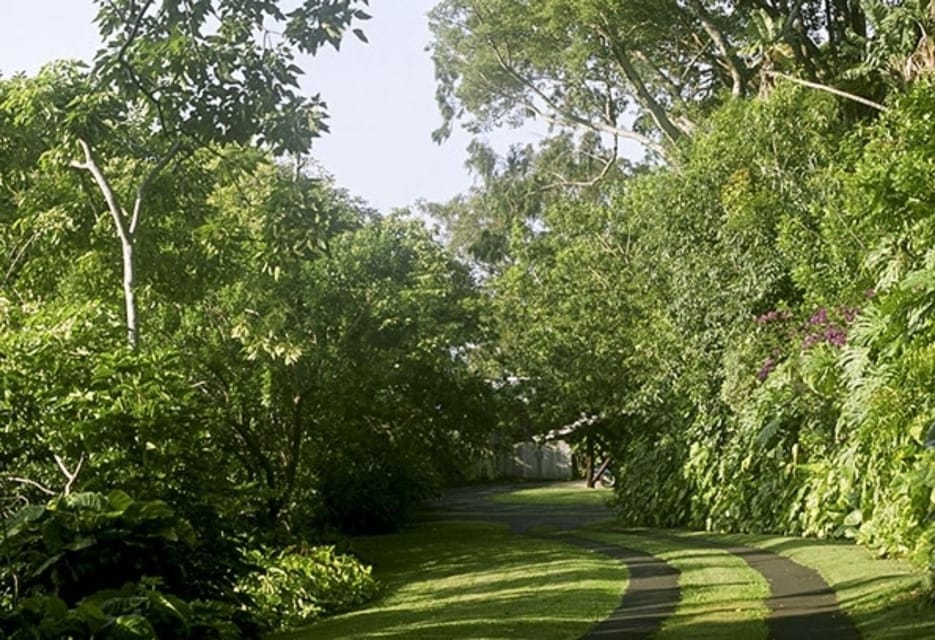
The Liljestrand House isn’t presented as a blank showroom. The tour highlights original furnishings and artworks, and that makes a big difference.
Why it matters: architecture looks different when it’s empty versus when it’s lived with. Original pieces help you understand scale, comfort, and the visual rhythm the designers expected. You can see how the rooms were meant to be used, not just how they look.
The tour also brings in the Liljestrand family story and their enduring friendship with Ossipoff. When you hear that personal connection while you’re standing in the spaces, the home feels less like a museum object and more like a real lived environment designed by relationships and collaboration.
A 90-minute pacing plan that doesn’t rush the good stuff
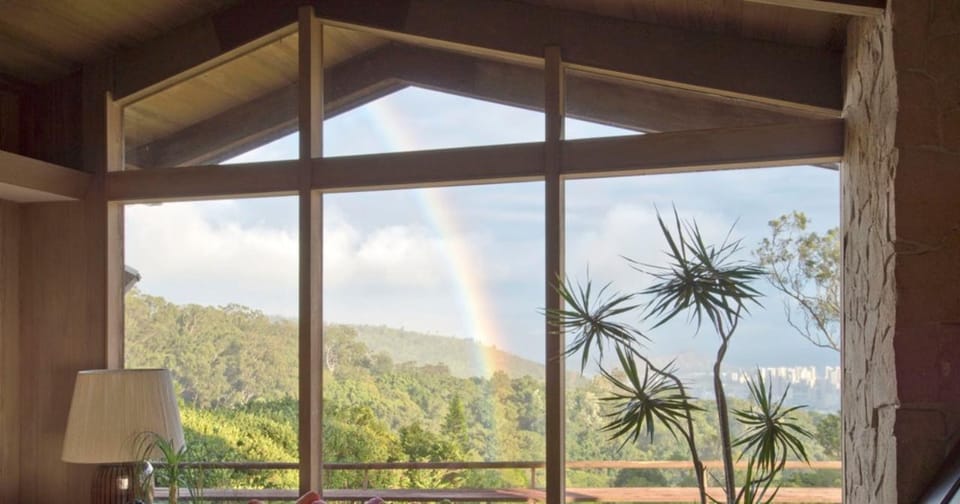
The tour runs for 90 minutes, and that timing seems built for attention. With limited capacity—up to 10 people—the guide can slow down when questions come up and still cover the core points without turning it into a long lecture.
Here’s the typical flow you should expect:
- You start at the house entrance and get orientation from the docent.
- You move through key interior spaces where the guide points out design ideas.
- You stop for explanation of Ossipoff’s principles, especially around views and how natural materials are used.
- You spend time looking at original furnishings and artworks and connecting those objects to the design intent.
- You finish with broader context about preservation and the mission of the Liljestrand Foundation.
The “small group” piece matters because it lets the guide tailor explanations to what people notice. If you’re the kind of person who likes to ask why something is shaped a certain way, you’ll feel more comfortable here than on tours where everyone is funneling forward like clockwork.



Price and value: is $78 worth it?
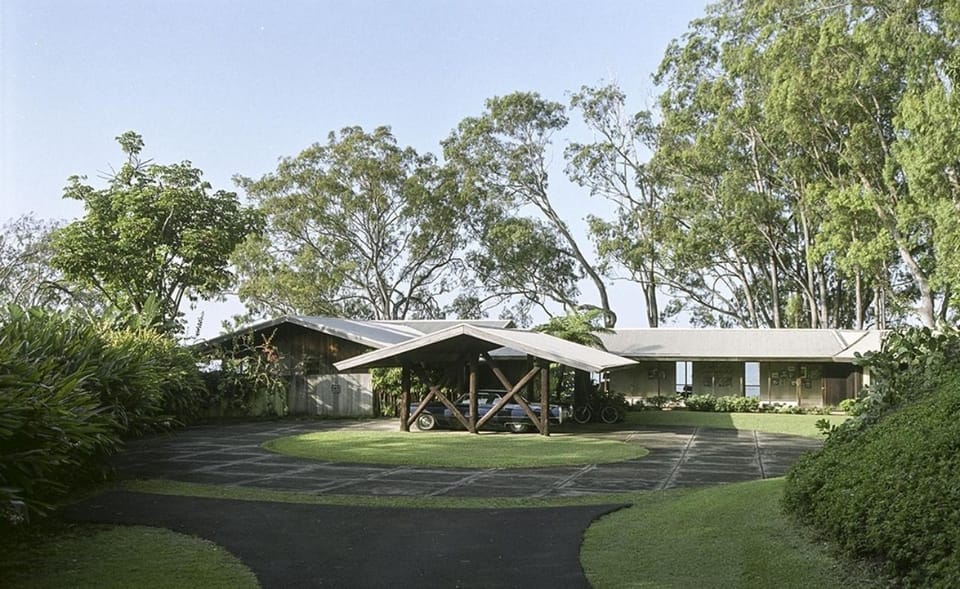
At $78 per person, the ticket isn’t a bargain-bin attraction. But it can be strong value if you care about design and you want a guided experience in a preserved historic home.
What you’re paying for:
- A live English docent and a focused 90-minute format
- Access to the Liljestrand House itself
- Interpretation of Ossipoff’s principles in the actual spaces
- A small group size that makes the tour feel more personal than rushed
If your travel style is mostly “snap photos and move on,” you might feel the price a bit more. But if you enjoy architecture, design details, or you like learning how places work, this is the kind of ticket where the knowledge you get can feel like the main attraction.
Who this tour is perfect for (and who should skip it)
This experience is a good fit if you:
- Like architectural walks where the guide helps you see what the designer was doing
- Want a mid-century home that remains preserved, with original objects still present
- Enjoy practical storytelling—how design connects to real people and real living
It’s not a good match if you’re coming with small kids. The tour is not suitable for children under 10.
If you don’t do well in heat, take extra care. Since there’s no air-conditioning, you might want to choose a cooler time of day when possible, and dress accordingly.
Practical rules that affect your comfort
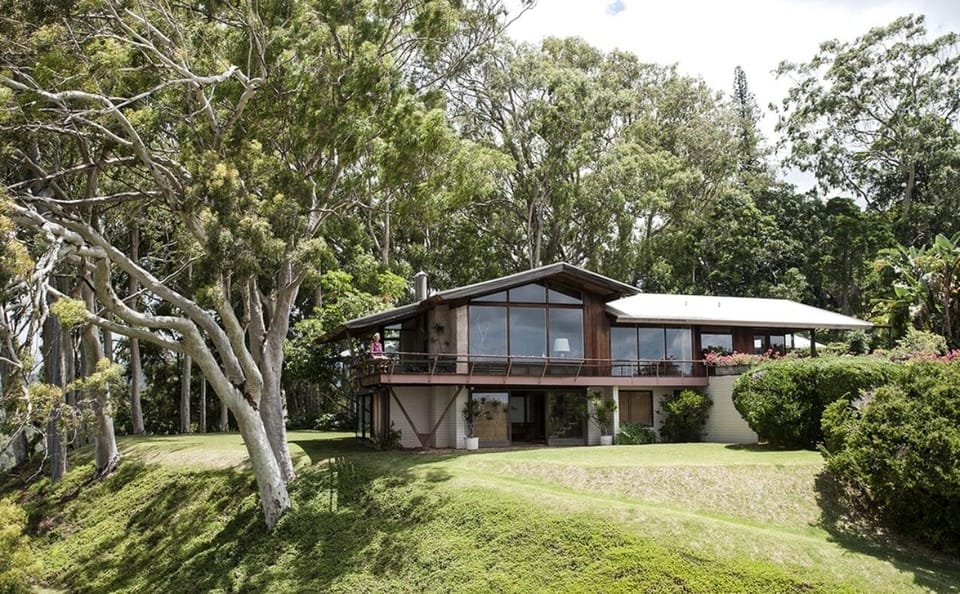
A few policies shape the experience, so it’s worth knowing them ahead of time.
- No smoking or vaping in the house.
- Shoes off due to fragile wood floors.
- No pets, and you can’t bring backpacks, large bags, tripods, extension poles, or selfie sticks.
- The house is not air-conditioned and can be quite hot during summer and fall months.
None of these rules are random. They protect the space and keep the tour manageable. The shoes-off requirement is the one that most people notice, so plan footwear and socks with that in mind.
Preservation mission: why your ticket supports more than photos
One thing I like about this tour is that it makes preservation feel direct. The Liljestrand Foundation keeps the home open for educational and cultural enrichment, and your visit supports that ongoing work.
You’re not just consuming a view. You’re helping keep a specific physical place intact—wood floors, original furnishings, and the architectural details that are hard to replace. That’s a different kind of souvenir.
Should you book the Honolulu Liljestrand House Architectural Tour?
Book it if you want a short, high-focus dose of Hawaiian modern architecture in a preserved setting, and you’ll enjoy learning the “why” behind the design—especially view management and Ossipoff’s use of natural materials.
Skip it if you’re heat-sensitive, you’re traveling with kids under 10, or you prefer tours with minimal house rules and maximum flexibility. The shoe-free, no-extra-gear setup means you’ll have to adapt a bit.
If you’re on the fence, ask yourself this: do you like standing in a place and learning what the space is doing for you? If yes, this is a smart use of time in Honolulu.
FAQ
How long is the Liljestrand House Architectural Tour?
The tour lasts 90 minutes.
How big is the tour group?
It’s a small group limited to 10 participants.
Is the tour guide available in English?
Yes, the live tour guide speaks English.
Is the house air-conditioned?
No. The house is not air-conditioned and can be quite hot during summer and fall months.
Do I need to remove my shoes?
Yes. Because the wood floors are fragile, you’re asked to remove your shoes.
Is the tour suitable for children?
No. It’s not suitable for children under 10 years.
Are backpacks or camera equipment allowed?
No. Pets, backpacks, large bags, tripods, extension poles, and selfie sticks are not permitted.
What is the cancellation policy?
You can cancel up to 3 days in advance for a full refund.