REVIEW · HONOLULU
Tandem Skydiving with GoJump in Hawaii
Book on Viator →Operated by GoJump Hawaii · Bookable on Viator
Hawaii’s highest tandem jump feels unreal. GoJump Hawaii takes you up to 14,000 feet for a 50-second freefall over Oahu’s North Shore, and you’ll get that calm, coached tandem experience plus huge ocean views. One thing to consider: delays or reschedules happen when airspace or weather gets in the way, and photo/video delivery can be slower than you might expect.
I especially like how the process is described as organized and confidence-building. People mention instructors who are clear and relaxing, including Debby, Derek D., and Marissa, which matters a lot when your brain is trying to panic. There’s also an optional shuttle from Waikiki to the airfield, and the max group size is capped at 50 travelers.
If you’re the kind of person who handles adrenaline best with structure, this fits. If you hate surprises, build in flexibility for timing, and plan your day so you’re not dependent on an exact hour.
In This Review
- Key things to know before you go
- Entering The 14,000-Foot World: What This Tandem Jump Feels Like
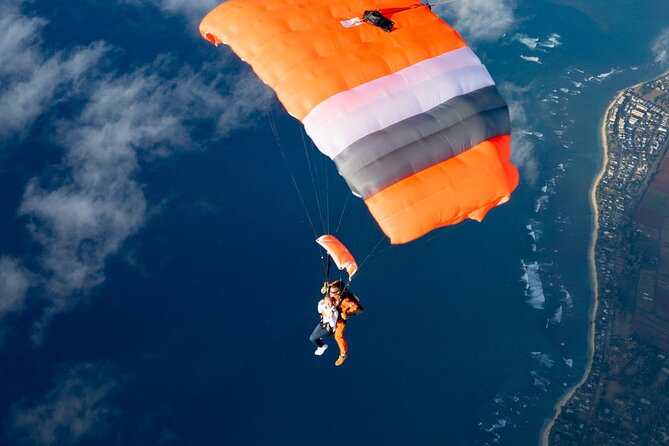
- Oahu’s North Shore From Above: The View During Freefall and Glide
- How GoJump Runs the 3-Hour Window (Without Making It Confusing)
- Pickup From Waikiki: Convenience and the One Logistics Headache to Watch
- Inside the Plane: Briefing, Harness, and Keeping Your Nerves in Check
- Freefall to Canopy: The Two-Act Experience You Should Plan For
- Photo and Video Packages: Worth the Extra Spend
- Price and Value: Is $219 a Fair Deal for 14,000 Feet?
- Weather, Airspace, and Reschedules: How Flexible Should You Be?
- Who This Tandem Skydive Is Perfect For (and Who Should Think Twice)
- Final Take: Should You Book GoJump Hawaii?
- FAQ
- How high is the tandem skydive?
- How long does the experience take?
- Where on Oahu do you jump?
- How long is the freefall?
- Is pickup offered from Waikiki?
- Are photo and video packages available?
- What if weather is bad?
- Can most people participate?
- Can I cancel for a refund?
Key things to know before you go
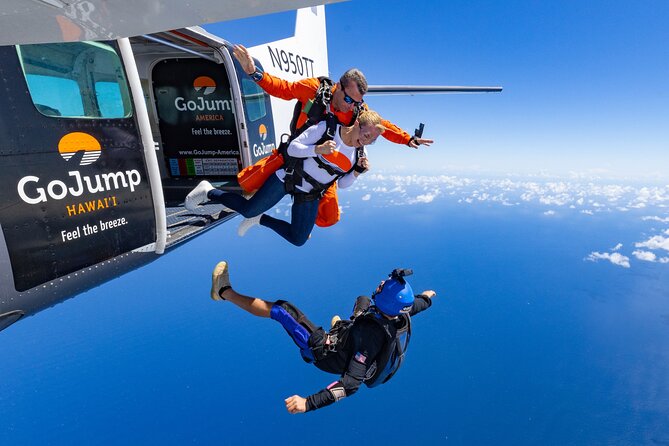
- Highest jump in Hawaii (14,000 feet) with a long, real freefall before the parachute opens
- 50 seconds of freefall plus a different feeling when you glide under canopy
- Oahu North Shore views from a perspective you cannot get any other way
- Pickup from Waikiki is optional, and check-in is kept organized
- Photo and video packages are available, including an optional outside video angle
Entering The 14,000-Foot World: What This Tandem Jump Feels Like
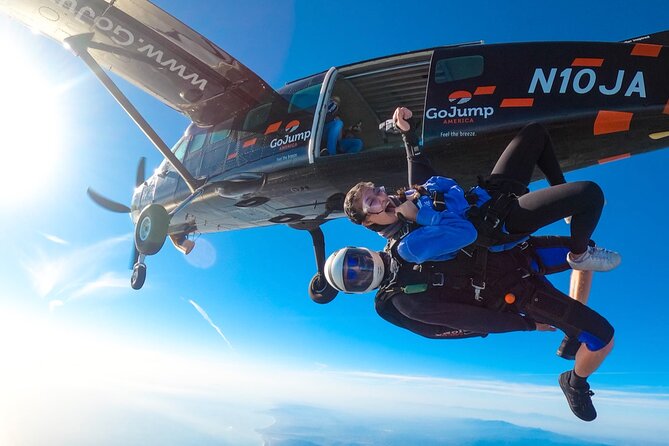
Let’s talk about the part you came for: the feeling. At 14,000 feet, you’re high enough that the drop feels like a whole event, not just a quick thrill. Then comes the 50-second freefall, where you get that weightless sensation and your body goes from calm anticipation to pure adrenaline.
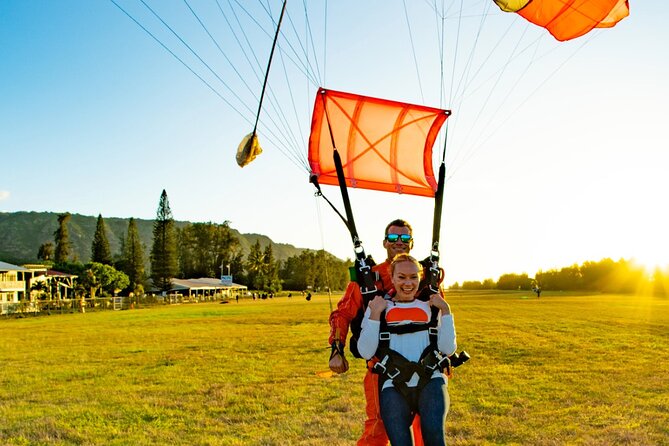
After that, the parachute deploys, and your experience changes gears. Instead of the intense fall, you trade speed for glide time. The breezy, open feeling is part of why people rave about the canopy phase too. It’s when the ocean views become easier to take in, because your body can finally slow down enough to look around.
If you’ve ever tried to picture skydiving from Instagram, this will correct that. The perspective is real, physical, and fast. And being tandem means you’re not managing anything technical yourself. That matters if you’re nervous but still want the full experience.
You can also read our reviews of more tours and experiences in Honolulu.

Oahu’s North Shore From Above: The View During Freefall and Glide
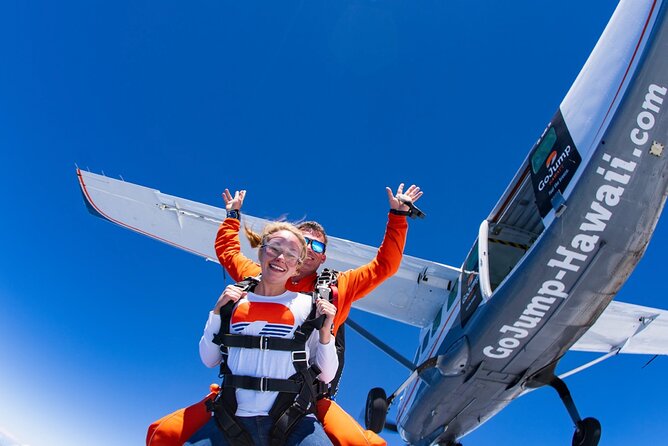
This jump isn’t over some random strip of land. It’s over the North Shore of Oahu, which gives you a coast-and-ocean viewpoint rather than a mostly inland scene. You’ll likely get a stronger sense of the island’s shape once you’re up high and moving fast, and then again when you glide under canopy.
One practical point: your favorite views usually come during the slower part. In the canopy phase, you can actually turn your head and enjoy it without feeling like you’re constantly bracing for the next second. People highlight the ocean scenery during the glide, and that matches how the experience rhythm works.
If you’re choosing this on purpose for the scenery, focus less on the plane ride and more on the moment you’re under canopy. That’s when the views can land.
How GoJump Runs the 3-Hour Window (Without Making It Confusing)
The total duration is listed at about 3 hours, which is a good match for a tandem skydive day. In practical terms, that time usually covers getting checked in, getting geared up, flying to altitude, and then wrapping up after landing. It’s long enough to feel like a half-day plan, but not so long that you lose your whole afternoon.
GoJump operates daily between 7:00 AM and 2:00 PM. That means your day likely starts earlier than you expect, especially if you choose pickup from Waikiki. The benefit is that morning air can be steadier, and you’re dealing with the day’s conditions before things get too unpredictable.
A detail I like: the group size has a maximum of 50 travelers. That helps with the feeling that things won’t be chaotic. You still have to wait sometimes (planes and weather don’t care about your schedule), but you’re usually not getting swallowed by a huge crowd.
Pickup From Waikiki: Convenience and the One Logistics Headache to Watch
One of the smartest things GoJump offers is an optional shuttle service from Waikiki to the airfield. If you’re staying in that area, this can save you time and stress, and it keeps you from trying to time a rental car pickup plus a skydiving check-in.
The good news: pickup experiences are described as painless, and the drivers are said to be pleasant and safe. That kind of “we’ve got you” vibe matters when you’re about to get strapped into harness gear.
The caution: one person reported arriving and not seeing the bus for pickup, then spending money on a taxi, and later using an Uber with staff help. That doesn’t mean it’s common, but it does suggest you should arrive early and be proactive. If pickup details are sent to your mobile ticket, read them carefully and confirm where you’re meeting your driver the day-of.
If you’re the type who hates last-minute uncertainty, you might even consider a plan where you can get to the airfield under your own power if needed.
Inside the Plane: Briefing, Harness, and Keeping Your Nerves in Check
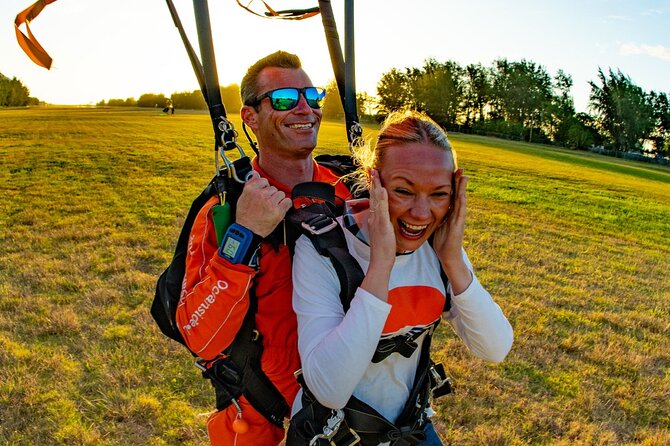
You’re going to be nervous. That’s normal. What matters is what happens next. The most consistent theme from the experience is that instructors keep you positive and give clear instruction, which helps turn fear into focus.
People specifically call out instructor styles like Derek D. being helpful for first-timers and Debby delivering an unforgettable, confidence-building session. Marissa also gets mentioned alongside Derek D., which suggests you could get a team that works well together.
Here’s the practical value for you: a skydiving brain tends to ask dumb questions. The best instructors don’t just go through the motions—they help you get calm and ready. If you want the thrill without the mental spiral, look for that tone in the briefing and listen closely. It’s not about being fearless. It’s about trusting the steps.
Also, note that the experience says service animals are allowed, and most travelers can participate. So the operation is structured for a wide range of people, not only trained thrill-seekers.

Freefall to Canopy: The Two-Act Experience You Should Plan For
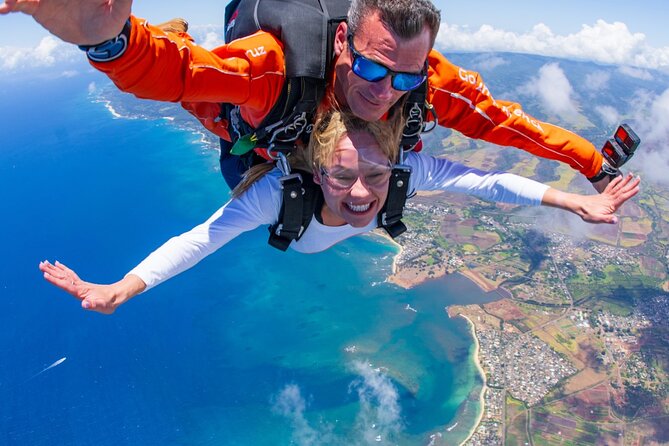
This tandem jump is built around a clear sequence: climb, freefall, parachute deployment, then glide.
During freefall, the key is that you’re going fast and you’ll likely feel weightless. That’s the moment people remember most because it’s so physical and so different from anything on the ground.
Then the parachute opens. At that point, the experience becomes more scenic. You get time to look and breathe. Reviews mention the breeze feeling great during the glide and the ocean views being spectacular. That’s not just hype. It’s how the body experiences a shift from intensity to controlled motion.
If you’re wondering how to emotionally handle it: tell yourself you’ll have two different highs. The first is adrenaline and speed. The second is calmer awe. If you expect only one kind of thrill, you can miss the best part of the second act.
Photo and Video Packages: Worth the Extra Spend
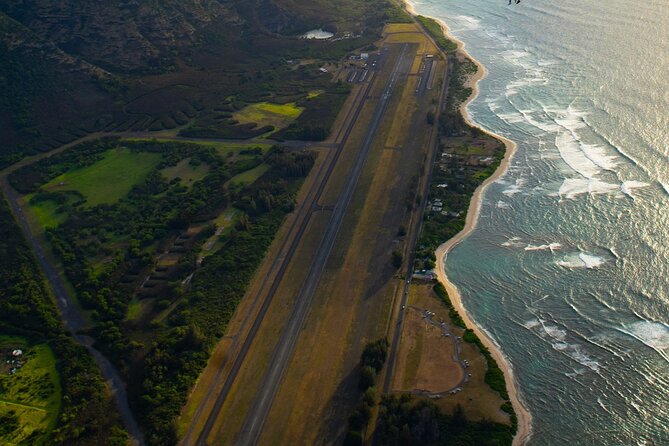
GoJump sells photo and video options on site, including high-resolution videos and photos. People also recommend the outside video experience, even though it costs extra.
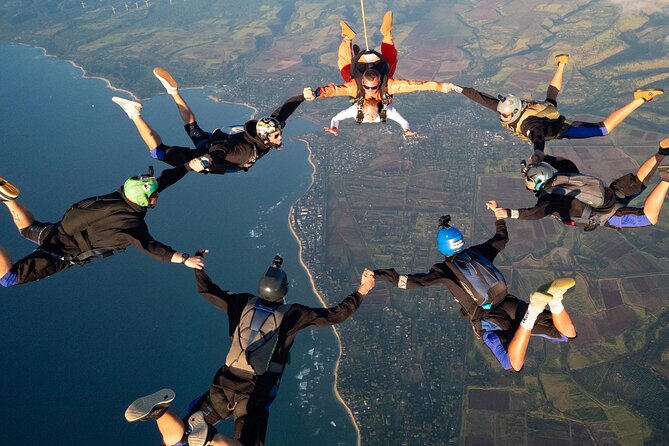
That recommendation makes sense because outside video is the angle that shows your tandem silhouette against the ocean and coastline. The inside perspective is personal, but outside footage is what makes your friends actually believe you jumped. If you’re going to pay extra, outside video is usually the purchase that helps your memory feel complete rather than just recorded.
One caution from the experience: at least one person said they hadn’t received photos or videos yet. So if you’re hoping to share immediately after the jump, don’t build your travel timeline around instant delivery. Assume you’ll have to wait.
If you want a clean souvenir with minimal hassle, plan to treat the photo/video package as a follow-up gift to yourself, not same-day proof.
Price and Value: Is $219 a Fair Deal for 14,000 Feet?
The listed price is $219 per person. That number matters less than what you’re buying: tandem instruction, the aircraft ride, access to Hawaii’s highest available jump, and a long freefall sequence with serious time spent in the air.
The value story is strongest if:
- you really want the 14,000-foot experience, not a lower jump
- you care about being over the North Shore for the ocean views
- you like having the option to add outside video for a better keepsake
There is some pricing friction in the broader booking world. One review complained about a big markup compared to a provider listing and felt customer service wasn’t responsive to a price guarantee request. I can’t confirm any specifics beyond that complaint, but the takeaway for you is simple: if price matching matters to you, compare what you’re paying to booking direct before you lock in.
Overall, for Hawaii’s top-height tandem experience, $219 can feel fair, especially when you factor in how much time you spend in the air and the fact that you’re not doing any of the technical work.
Weather, Airspace, and Reschedules: How Flexible Should You Be?
This is where your planning matters most. The experience requires good weather. If the sky conditions aren’t right, you’ll be offered a different date or a full refund.
Even with good weather, airspace rules can still change things. One person described being rescheduled twice due to airspace restriction, and the response explained that military exercises had closed the airfield. That means: even if you’re doing everything right, you may lose your original slot and get moved.
So here’s what I’d do if I were scheduling this for your trip: don’t schedule your skydiving on the same day as anything you absolutely must not miss. Give it buffer time. Treat the jump as a priority, not as a fixed appointment that must land at a particular hour.
Good news: delays aren’t always huge. In at least one account, the wait was about 45 minutes, and the operation chose to delay rather than compromise comfort or safety.
Who This Tandem Skydive Is Perfect For (and Who Should Think Twice)
This experience is a strong fit if:
- you want the full tandem experience with a 50-second freefall
- you’re visiting Oahu and want a once-in-a-trip view of the island
- you’re nervous but prefer guided steps and instructors who keep you calm
- you’re okay with possible weather or airspace changes
It may not be the best match if:
- you have zero flexibility in your schedule
- you expect photo/video delivery instantly
- you get stressed by transportation coordination and might need clear pickup confirmation
One thing I like in the offering: it’s not framed as only for extreme athletes. The description says most travelers can participate, and service animals are allowed. That points to an operation that’s built for real people, not just thrill-chasers.
Final Take: Should You Book GoJump Hawaii?
My take: if you’re prioritizing one adrenaline-and-views activity on Oahu, this is a top contender. The combination of 14,000 feet, a long freefall, and North Shore ocean views hits the sweet spot for many first-timers and return jumpers alike.
Book it if you can build in flexibility for possible reschedules, and if you’re willing to treat the photo/video package as a bonus that may take a bit to land. If your schedule is tight, consider booking early in your trip window and staying ready to shift dates.
If you want a simple decision rule: you’ll love this most when you want the highest Hawaii tandem option and you can handle the reality that nature and airspace run the show.
FAQ
How high is the tandem skydive?
The skydive is from 14,000 feet.
How long does the experience take?
It’s listed as about 3 hours.
Where on Oahu do you jump?
The jump happens over the North Shore of Oahu.
How long is the freefall?
The freefall is described as about 50 seconds before the parachute deploys.
Is pickup offered from Waikiki?
Yes. An optional shuttle service from Waikiki to the airfield is available, and pickup is offered.
Are photo and video packages available?
Yes. Photo and video packages are available, and high-resolution videos and photos can be purchased on site. An outside video experience is also mentioned as an option.
What if weather is bad?
This experience requires good weather. If it’s canceled due to poor weather, you’ll be offered a different date or a full refund.
Can most people participate?
The experience says most travelers can participate.
Can I cancel for a refund?
Yes. Free cancellation is available up to 24 hours in advance for a full refund.