REVIEW · MUSEUMS
Bishop Museum General Admission Ticket
Book on Viator →Operated by Bishop Museum · Bookable on Viator
Bishop Museum is a whole campus of Hawai‘i learning, not a quick stop. I especially like the Hawaiian Hall Complex for its clear story of Hawaiian history and culture, and the Science Adventure Center for hands-on science that connects to Hawai‘i’s islands. One thing to consider: this is a big property, and you’ll want realistic time so you don’t rush the best parts.
You’re buying general admission for a reason. You can build a visit from about 1 hour up to a full half-day or more, then focus on whatever matches your interests: cultural history, Pacific migrations, star knowledge through the planetarium, or lava-related science demos when they’re running.
In This Review
- Key Reasons This Ticket Works
- Price and Logistics: What $38.95 Gets You
- How Long Should You Plan? 1 to 8 Hours on a Big Museum Campus
- Entering Bishop Museum: Start Smart and Get Your Bearings
- Hawaiian Hall Complex: The Best First Stop for Hawaiian History and Culture
- Pacific Hall and Migration Maps: Seeing the Wider Pacific Story
- Jhamandas Watumull Planetarium: Ancient Wayfinding in a Modern Theater
- Science Adventure Center and Live Lava Themes: Hands-On Learning That Fits Kids
- Castle Memorial Building: Worth a Quick Look, Not a Full Plan
- Dealing With Crowds, Closures, and Weather: How to Keep Your Day Smooth
- Who This General Admission Ticket Is Best For
- Should You Book Bishop Museum General Admission?
- FAQ
- How long does a Bishop Museum general admission visit last?
- What’s included with this ticket?
- Do I need to pay extra for the planetarium show?
- Are parking fees included?
- Are special exhibitions included?
- Will I get confirmation after booking?
- Are service animals allowed?
- Is the museum near public transportation?
- What happens if weather affects the experience?
- FAQ
- Can I cancel for a full refund?
- What language is the experience offered in?
- Is there a mobility or fitness requirement?
- Is the ticket a mobile ticket?
- Is the museum open in all weather?
Key Reasons This Ticket Works
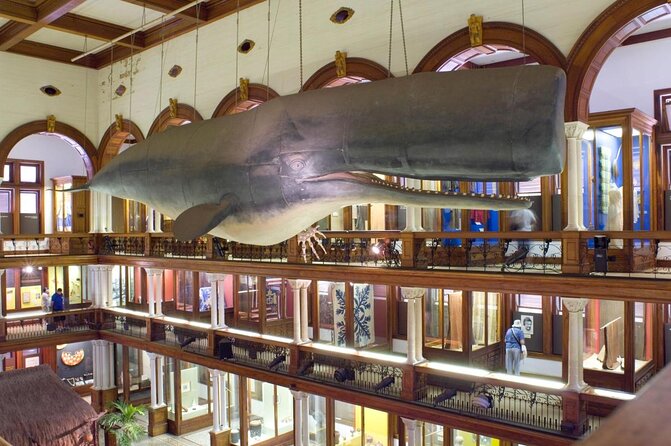
- Hawaiian Hall Complex anchors the visit with Hawaiian history, culture, and artifacts in a major on-site showcase
- Pacific Hall gives you the wider map of Pacific peoples, migrations, and shared values across islands
- Jhamandas Watumull Planetarium connects Hawai‘i and Polynesia sky knowledge to how ancient navigators learned the heavens
- Richard T. Mamiya Science Adventure Center brings the islands down to science you can touch and watch, including lava themes
- Rotating exhibits in the Castle Memorial Building can add variety if you like museum detours, not just a single set of galleries
Price and Logistics: What $38.95 Gets You
For $38.95 per person, you’re paying for general admission to Bishop Museum’s main campus. That includes access to multiple exhibit buildings, plus the chance to see the indoor culture and science highlights without buying each section separately.
You’ll also notice some things are not bundled. The planetarium show is listed as optional, and there can be optional special exhibit fees depending on what’s on during your visit. Parking is also optional and paid separately.
If you’re planning your day around one big highlight (like a planetarium session), consider building in flexibility. Even with general admission, certain areas may not be running on the exact schedule you want. I treat this museum like a pick-your-own-adventure: start with the halls that always make sense, then add planetarium or other add-ons if they’re available.
You can also read our reviews of more tours and experiences in Honolulu

How Long Should You Plan? 1 to 8 Hours on a Big Museum Campus
The ticket is designed for a wide time range: roughly 1 to 8 hours. That’s useful because you can match your pace.
Here’s the practical way I’d think about timing:
- If you have about 1 to 2 hours, aim for a tight route: Hawaiian Hall Complex first, then one supporting building (either Pacific Hall or the Science Adventure Center).
- If you have half a day (around 3 to 4 hours), you can do Hawaiian Hall Complex plus Pacific Hall, then add the science building if you’re traveling with kids or you like hands-on stops.
- If you can stay closer to 6 to 8 hours, you’ll have time to wander, read more slowly, and circle back for details in the buildings you liked most.
The biggest mistake I see people make at places like this: they treat it like a single museum building. Bishop Museum is a campus with multiple buildings and distinct themes, so time management matters.
Entering Bishop Museum: Start Smart and Get Your Bearings
Bishop Museum feels easiest when you use a simple strategy: begin with the place that sets the story, then branch out.
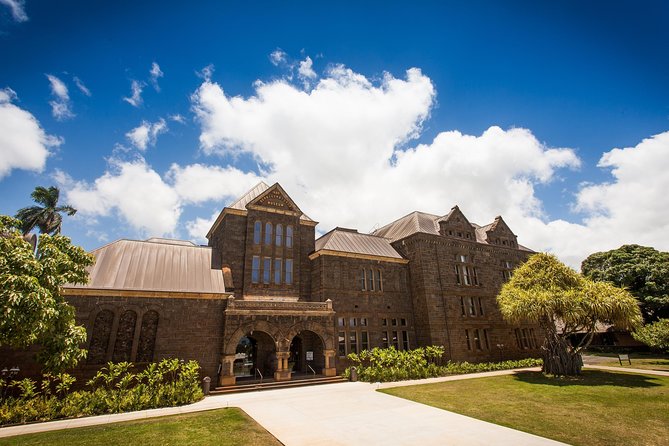
A good starting point is the Hawaiian Hall Complex. It’s described as the world’s premier showcase of Hawaiian history and culture, and that matches how the campus is organized. Once you understand the Hawaiian narrative, the rest of the museum lands better, especially the Pacific-wide context.
After that, you can go one of two directions:
- Culture path: Pacific Hall next, then look at other exhibit areas for rotating themes.
- Science path: Science Adventure Center next, then add planetarium if you’re interested in the sky and wayfinding.
Either way, you’ll want comfortable shoes. The buildings are close enough to manage, but you’re still walking between major galleries, plus you’ll likely pause a lot to read or watch demonstrations.
Hawaiian Hall Complex: The Best First Stop for Hawaiian History and Culture
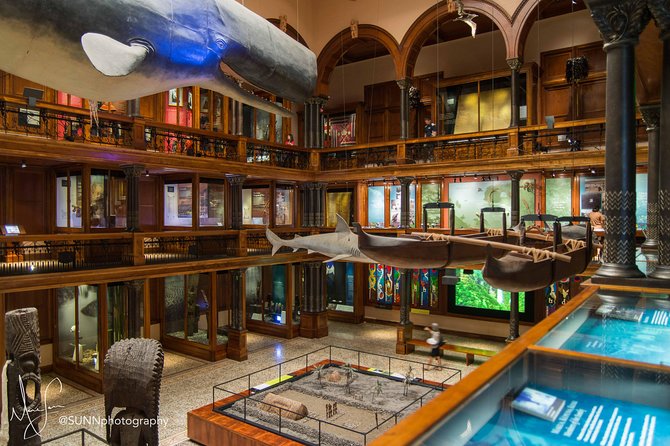
This is the heart of the museum experience: the Hawaiian Hall Complex. It’s built to give you a focused look at Hawaiian history and culture, and it works well whether you’re a casual visitor or someone who loves details.
What I like about starting here is how it gives you context fast. The exhibits are set up to help you connect artifacts, stories, and themes without feeling like you’re guessing what’s important.
If you’re the type who likes specific objects, this is one of the places you may enjoy going a bit slower. The museum’s collection includes standout rooms and displays that people get excited about, like a feathered Kahili room and other culturally significant objects. You may also spot elements such as fishing hook displays and woven mats, which are the kind of details that make museum learning feel tangible instead of abstract.
Possible drawback: if you only have a short visit and you’re unsure what you want most, the Hawaiian Hall Complex can eat time. That’s not a bad problem, but it can make you feel rushed if you planned too tight of a schedule.
Pacific Hall and Migration Maps: Seeing the Wider Pacific Story
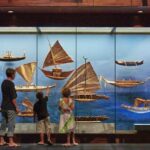
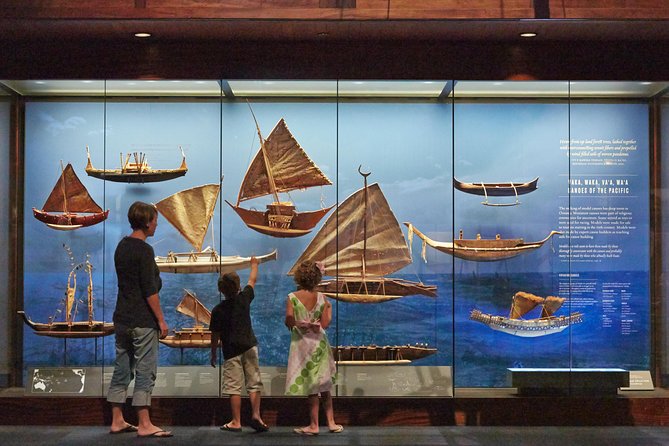
Next, Pacific Hall expands the story beyond Hawai‘i. It focuses on the origins, culture, and values of Pacific people, plus migrations and settlement across the Pacific Islands.
This matters because it changes what you think you’re seeing. Without that wider view, Hawai‘i can accidentally feel isolated in a museum plan. With Pacific Hall in the mix, you start seeing the movement of people, ideas, and relationships across islands.
What makes this section valuable is that it’s not just a list of locations. It’s framed as culture and values, which helps you connect what you’re reading to why islands developed the way they did. If you like maps, migration routes, and the idea of understanding how communities traveled and settled, you’ll likely spend more time here than you planned.
You can also read our reviews of more museum experiences in Honolulu
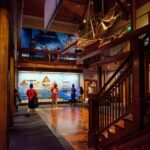
Jhamandas Watumull Planetarium: Ancient Wayfinding in a Modern Theater
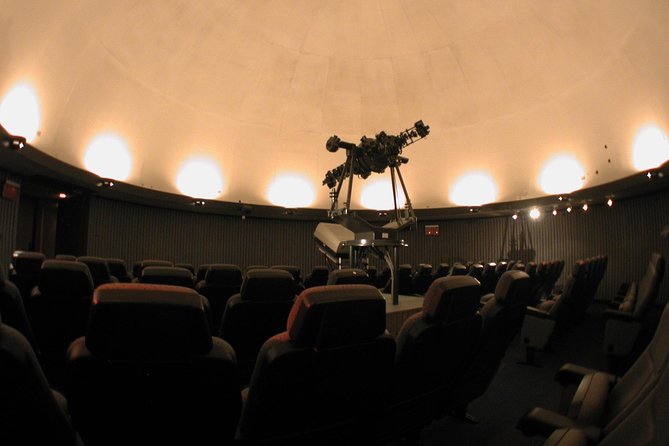
The Jhamandas Watumull Planetarium is where the museum turns skywatching into a learning experience. The goal here is to explore the skies of Hawai‘i and Polynesia in ways ancient travelers once did, with an astronomy educational focus.
This is a strong add-on for you if:
- you enjoy astronomy, even at a basic level
- you like wayfinding-style learning (stars as tools, not just “pretty lights”)
- you want a calmer break from gallery walking
One caution: the planetarium show is listed as optional, so it may not be automatically included in your day. Also, some days it may not be running, so check what’s scheduled when you arrive and be ready to pivot if it’s unavailable.
If it does run, I’d treat it like a second anchor moment after Hawaiian Hall. A good planetarium session can give your museum visit a “connects everything” feeling: culture, science, and the sky all on one schedule.
Science Adventure Center and Live Lava Themes: Hands-On Learning That Fits Kids
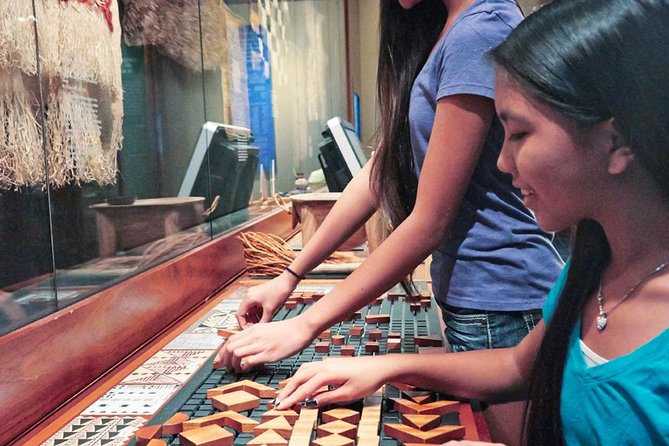
The Richard T. Mamiya Science Adventure Center is the action side of the museum. It’s focused on science related to Hawai‘i and Pacific environments, and it’s designed around interactive learning.
The highlights tied to Hawai‘i’s geology include lava and the formation of the Hawaiian Islands. There’s also a live lava melting show tied to this science area, which is exactly the kind of moment that turns a museum into a memory.
Why this section is worth your time: it makes the islands feel real. You’re not just reading about volcanoes and landforms. You’re seeing a process connected to Hawai‘i’s creation story, which helps your brain stick the information.
One practical drawback to keep in mind: depending on the day’s operations, demonstrations may not run exactly as you expect. I’d still plan to spend time in the science center because the learning there is built to work even if the live show timing changes.
If you’re traveling with kids, this is the building that often carries the day. Even if you’re an adult, interactive exhibits are a nice change of pace after long gallery reading.
Castle Memorial Building: Worth a Quick Look, Not a Full Plan
The Castle Memorial Building is where rotating exhibits show up for limited time periods. That means your experience here can vary more than in the permanent-story buildings.
This is a smart stop if you:
- like variety
- enjoy short museum detours
- want something different after Hawaiian Hall and Pacific Hall
It can be a weaker use of time if you’re optimizing for must-see content. Some visitors have felt it doesn’t add much compared with the other campus highlights, especially when other buildings are closed or when the rotating exhibit doesn’t grab your interests that day. So I’d treat it as flexible: check what’s on, then decide whether it earns a full pass or a quick look.
Dealing With Crowds, Closures, and Weather: How to Keep Your Day Smooth
Bishop Museum operates in all weather conditions, so rainy days are actually a good time to visit. If it’s stormy or hot, indoor museums are your friend.
Still, plan for two “reality checks”:
- This is a multi-building campus, so some areas can be closed temporarily.
- Optional features like the planetarium may not match your timing.
That’s why I recommend a two-layer approach to your day:
1) Lock in the core cultural story (start with Hawaiian Hall, then Pacific Hall).
2) Add science and planetarium as time and schedules allow.
If you only plan for one big moment, you risk ending up disappointed if it’s unavailable. If you plan around the permanent anchors, you’ll usually leave satisfied even if the day shifts.
Who This General Admission Ticket Is Best For
This ticket is built for a wide range of travelers, but it shines for people who like learning across categories.
You’ll likely enjoy it most if:
- You want both Hawaiian culture and Pacific connections in one museum stop
- You like museums that explain history through artifacts and storytelling, not just photos
- You’re traveling with kids who need interactive science moments to stay engaged
- You’re curious about how astronomy links to Pacific wayfinding traditions
If you’re the type who hates walking between buildings or you want only one quick exhibit area, you might feel it’s more museum than you asked for. In that case, shorten your route and keep your priorities tight before you step onto the campus.
Should You Book Bishop Museum General Admission?
Yes, I think you should book this ticket if you’re in O‘ahu and want a museum that gives real context for Hawai‘i. The value is strong because the general admission covers multiple themed buildings, including Hawaiian history and Pacific culture framing, plus a science center with lava-related learning.
I’d book it particularly if your trip includes unpredictable weather or you want an indoor anchor that won’t feel like a repeat of “just shopping and beaches.” The main decision is your time. If you can spare at least half a day, you’re more likely to feel like you saw the good stuff instead of sprinting.
Skip longer ambitions and pick a focused route if your schedule is tight. Start with Hawaiian Hall Complex, add Pacific Hall if you want the bigger Pacific picture, and bring planetarium and lava themes into the plan only if they fit your day.
FAQ
How long does a Bishop Museum general admission visit last?
Your ticket gives access for an approximately flexible visit window of 1 to 8 hours, so you can plan a quick stop or a longer museum day.
What’s included with this ticket?
This ticket includes general admission to Bishop Museum.
Do I need to pay extra for the planetarium show?
The planetarium show is listed as optional, so you may need extra tickets or payment if you want to attend it.
Are parking fees included?
Parking fees are optional, so you should expect to pay separately if you drive.
Are special exhibitions included?
Special exhibits may have optional special exhibit fees, so those are not guaranteed to be included with general admission.
Will I get confirmation after booking?
Yes. Confirmation is received at the time of booking.
Are service animals allowed?
Yes. Service animals are allowed.
Is the museum near public transportation?
Yes. Bishop Museum is listed as being near public transportation.
What happens if weather affects the experience?
The museum operates in all weather conditions, but if the experience is canceled due to poor weather, you’ll be offered a different date or a full refund.
FAQ
Can I cancel for a full refund?
You can cancel for a full refund if you cancel at least 24 hours in advance. If you cancel less than 24 hours before the start time, the amount you paid will not be refunded.
What language is the experience offered in?
This experience is offered in English.
Is there a mobility or fitness requirement?
The information provided says travelers should have a moderate physical fitness level.
Is the ticket a mobile ticket?
Yes. You’ll use a mobile ticket.
Is the museum open in all weather?
The museum experience is listed as operating in all weather conditions, but you should still dress appropriately.