REVIEW · NATIONAL PARKS
Hawaii Volcanoes National Park Experience from Oahu
Book on Viator →Operated by Aloha Sunshine Tours · Bookable on Viator
Molten lava is the goal here.
This Oahu-to-Big-Island day trip pairs round-trip airfare with a private-vehicle tour, so you can cover a lot without stress. You’ll hop between Kona-area agriculture, a short rainforest walk, and the main volcanic sights at Hawaii Volcanoes National Park.
I love how this tour puts the Big Island’s variety on one route, from Greenwell Farms to the black sand beaches and lava-country walking. I also like the guided approach, especially when guides like Henry or Mel bring the science and Hawaiian context together in an easy, funny way.
One drawback to weigh: it’s a long day with lots of driving, and you’ll be on your own for meals (and you should plan for limited services in the park).
In This Review
- Key highlights to plan around
- Why This Volcano Day Trip Works So Well from Oahu
- Price and value: What $589.99 includes (and what you’ll still pay)
- Your Kona airport start: 8:00 AM and where to meet
- Greenwell Farms: Kona coffee history on Mauna Loa slopes
- Manuka State Wayside Park: a 2-mile nature trail break
- Punaluʻu Bake Shop lunch: where you’ll fuel up near black sand country
- Punaluʻu Black Sand Beach and sea turtles: the stop that people remember
- Hawaii Volcanoes National Park: Halemaʻumaʻu, Kīlauea Iki, lava tube, and steam
- Mauna Kea Access Road and Kohala Coast: altitude, cold air, and big views
- Hilo stops: museums, tsunami history, and a slower cultural pause
- The guide factor: why Henry and Mel make the day stick
- What to pack and how to stay safe around active volcano terrain
- Should you book this volcano and Big Island day trip?
- FAQ
- Does this tour include round-trip flights from Oahu?
- Where do I meet the tour in Kona?
- What time does the tour start?
- How long is the experience?
- Is Hawaii Volcanoes National Park admission included?
- Are meals included?
- What should I wear for the volcanic terrain?
- Will I have cell phone service inside the park?
- Is the tour suitable for people with respiratory issues?
- Can I get a refund if I cancel?
Key highlights to plan around
- Round-trip airfare from Honolulu to Kona is included, so you’re not piecing flight schedules together
- Pickup in Kona makes the day start easier once you land
- Volcanoes National Park admission is included, plus stops that mix views, walking, and steam/rock features
- Punaluʻu Bake Shop lunch stop is built in, with multiple plate-lunch style options nearby
- Small-group style with a maximum of 22 travelers, plus a private vehicle for your route
Why This Volcano Day Trip Works So Well from Oahu
This is the kind of plan that saves you from the usual Big Island problem: you burn half your time on logistics. Here, inter-island flying to Kona International Airport is part of the package, then you’re in an air-conditioned vehicle for the long road day.
The other big win is how the route mixes themes, not just one viewpoint. You get coffee farm history in Kona country, a nature trail in Mauna Loa’s cooler belt, a lunch-and-turtles stop at Punaluʻu, and then the main event at Hawaii Volcanoes National Park.
Yes, it’s still a full day. But when you’re trying to see Kīlauea and the surrounding sights without renting a car, that trade feels worth it.
You can also read our reviews of more tours and experiences in Honolulu.


Price and value: What $589.99 includes (and what you’ll still pay)
At $589.99 per person, what you’re buying is time plus transportation plus the big-ticket items. The package includes round-trip airfare between Honolulu and Kona, the air-conditioned vehicle, and Volcanoes National Park admission.
You’ll still pay for meals during the day, and you’ll also handle getting to the airport in Honolulu since transportation to Honolulu International Airport isn’t included. Bring cash for small roadside stops and local shops, because some places don’t take cards.
Is it a bargain? Not always if you’re the type to DIY. But if you want expert routing, guided narration, and built-in entry fees, the value story holds up fast.
Your Kona airport start: 8:00 AM and where to meet
The day begins with a Kona pickup tied to your arrival. Your meeting point is Kona International Airport at 73-200 Kupipi St, Kailua-Kona, and you should meet in the lot behind Alaska Baggage claim B-2.
Start time is listed as 8:00 AM, so plan to land with a buffer. The whole route depends on the day’s weather, and Volcanoes National Park can be hard to navigate on your own without cell service.
Once you’re in the vehicle, you’ll have guide narration throughout the day. And because you’re limited on phone reception in parts of the park, I strongly suggest you save offline maps and any must-see info before you leave your hotel.
Greenwell Farms: Kona coffee history on Mauna Loa slopes
Greenwell Farms is one of the most established names in Kona coffee, founded back in 1850. It’s set on the slopes of Mauna Loa in the Kona district, where the mix of sunny mornings, cloud cover later on, volcanic soil, and consistent rainfall helps coffee thrive.
This stop is short on the clock, about 30 minutes, and the “value” here is what your guide points out: how the environment shapes flavor and how the farm’s long timeline connects to Kona coffee’s reputation worldwide. Even if you don’t buy anything, you’ll leave with a clearer picture of why Kona coffee tastes the way it does.
Wear shoes you don’t mind on uneven ground. Coffee farms can be walk-through style, and you’ll want to stay comfortable so you don’t rush the experience.
Manuka State Wayside Park: a 2-mile nature trail break
Next comes a quieter stop that breaks up the driving. Manuka State Wayside Park is only 13 acres, but it’s packed with the idea of Hawaii’s changing conditions in a small area—wet and dry forest ecosystems on Mauna Loa’s slopes.
You’ll get about 30 minutes here, and the centerpiece is the Manuka Nature Trail, listed at about a 2-mile loop. This is a great spot if you want something more than viewpoints: interpretive signs, volcanic features, and native plants along the way.
Wildlife can include endemic birds such as the Hawaiian hawk and honeycreeper, though you shouldn’t expect guaranteed sightings. The practical win is the reset. When you’re later standing on volcanic terrain, that short nature walk helps you feel less “airport-to-volcano” stressed.

Punaluʻu Bake Shop lunch: where you’ll fuel up near black sand country
Punaluʻu Bake Shop is known for traditional Hawaiian sweet breads, with flavors like taro, guava, and mango. It’s also described as the southernmost bakery in the U.S., which makes it a fun stop even if you’re not a baker-by-trade.
You’re given about 30 minutes at Punaluʻu Bake Shop, and this is where the lunch break happens. The lunch options mentioned include sourdough sandwiches, kalbi beef, and Hawaiian plate lunches, plus baked goods and local treats.
A balanced tip based on what I’d watch for: this is a popular stop, and it can get crowded. If you’re picky, arrive hungry and decide quickly. And if you want more control, bring a small snack with you just in case lunch lines slow down.
Punaluʻu Black Sand Beach and sea turtles: the stop that people remember
After lunch, you head to Punaluʻu Black Sand Beach, famous for its dark sand formed from volcanic basalt. The setting is scenic and easy to enjoy, with coconut palms and that classic Hawaii contrast of black sand against bright water.
This stop is also around 30 minutes, and it’s one of the best chances on the day to spot Hawaiian green sea turtles basking near shore. You should know the water can be rough, and the beach is not the kind of place you rely on for swimming.
I like this stop because it gives you a “Hawaii feels real” moment right after the coffee and before the big geology work. Just plan your footwear for walking on sand, and keep an eye on where you’re stepping so you don’t slide on loose footing.
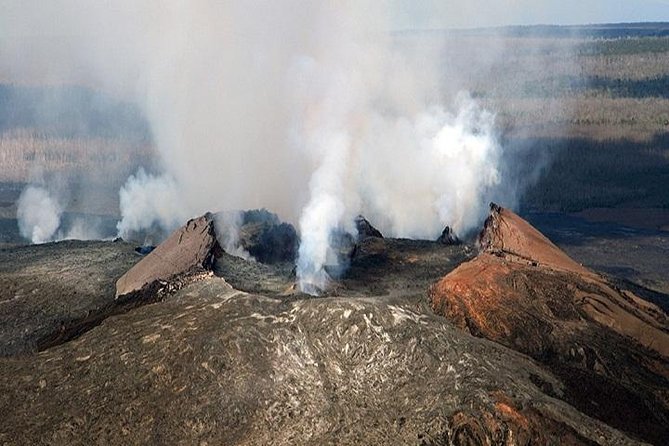
Hawaii Volcanoes National Park: Halemaʻumaʻu, Kīlauea Iki, lava tube, and steam
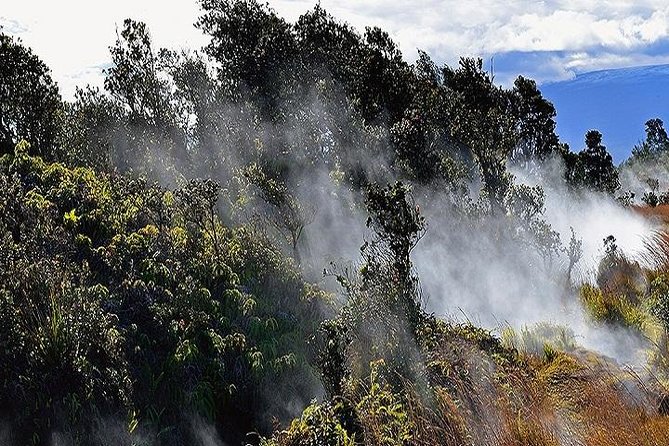
This is the anchor experience, and you get about 2 hours inside the park. You start at the visitor area to get the geology and history context, which helps everything you see later make more sense.
The itinerary highlights several signature stops:
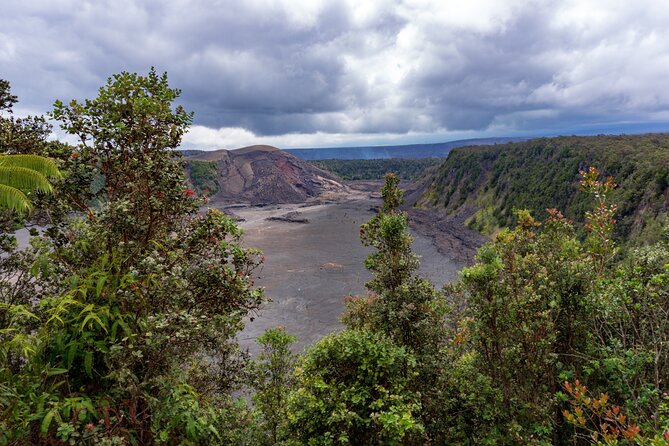
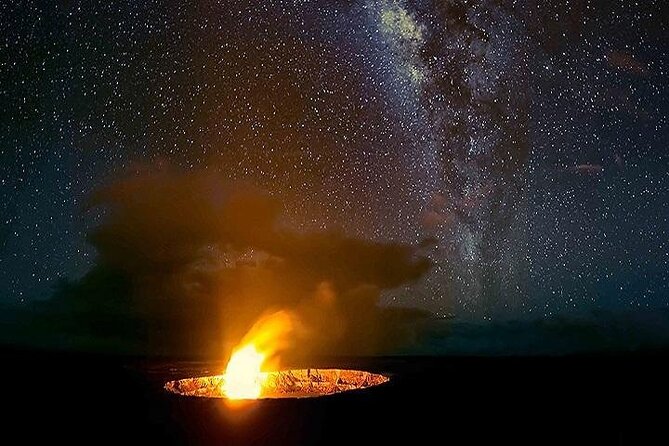
- Halemaʻumaʻu Crater: you’re looking for the glow of molten lava when activity is visible. Even when you don’t see dramatic eruption, the crater viewpoint still delivers the “active volcano” feeling.
- Kīlauea Iki Rainforest Lookout: a contrast moment—lush rainforest around a massive crater, where there’s also a trail through past eruption remnants.
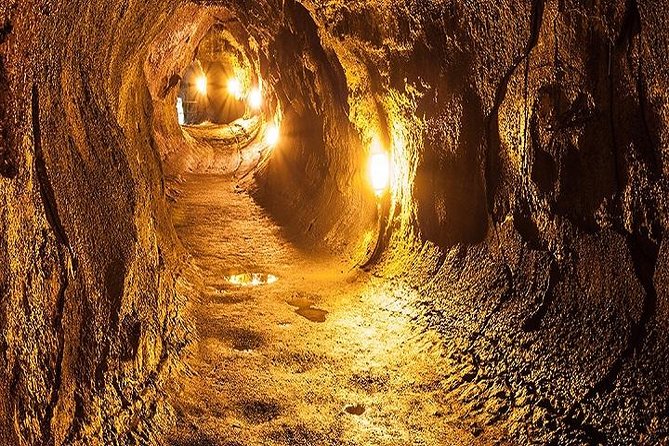
- Thurston Lava Tube: a natural tunnel formed by flowing lava, where walking gives you a physical sense of how lava moves and hardens.
- Active steam vents: you can feel the heat rising and notice the geothermal presence around you.
Practical reality check: volcanic gases can be present, and the park is an active volcanic area. If you have respiratory issues, take this seriously and follow safety guidance on-site.
Also plan for limited services and restricted cell coverage. Download any needed maps before you go, and accept that this is a place where “just search it on your phone” won’t always work.
Mauna Kea Access Road and Kohala Coast: altitude, cold air, and big views
The itinerary includes the Mauna Kea Access Road, accessed from Saddle Road (Route 200). As you climb, temperatures can drop significantly and the terrain shifts through different climate zones, from grassier areas to barren volcanic landscapes.
This is the part of the day where layers matter. Even if Oahu felt warm, Mauna Kea’s summit area can feel cold quickly, and weather changes fast in Hawaii.
You’ll also see the Kohala Coast, known for scenic views and luxury-resort style coastline scenery. It’s noted as drier than other parts of the island, which can make it more comfortable for viewpoints and drive-by photo moments.
Don’t count on one perfect photo stop. Think “short windows.” You’ll enjoy it more if you’re ready to get out for a few minutes, then get back in the vehicle when the conditions shift.
Hilo stops: museums, tsunami history, and a slower cultural pause
Your day also includes time around Hilo, which offers history and a living local vibe. The listed sights include the Lyman Museum, plus the Hilo Historic District, where you can see preserved early 20th-century buildings.
If you’re interested in natural hazards, the Pacific Tsunami Museum is specifically called out. It’s a grounding stop that adds meaning to the island’s geography beyond volcanoes.
You’ll also find Liliuokalani Gardens, a calm place to honor Queen Liliuokalani. And if your schedule lines up, the Hilo Farmers Market is mentioned as a lively local hub for goods and produce.
This part of the route is a good “breather” from intense geology. It’s also where the day can shift depending on timing and energy levels, so keep expectations flexible and stay ready for drive-time changes.
The guide factor: why Henry and Mel make the day stick
This tour’s success rides heavily on the guide, and the reviews you’ll see highlight that consistently. Henry and Mel come up again and again for being extremely informed about volcano science and Hawaiian culture, plus for keeping the flow moving so the day doesn’t turn into random sightseeing.
What I’d take from that for your decision: choose this if you value narration. You’ll get the why behind what you’re seeing, especially at Volcanoes National Park where context makes lava tube and crater stops feel far less like “look, rocks.”
That said, one review notes a guide style that felt structured in a military-like way. If you prefer a totally laid-back vibe, consider asking what the tone of the day is like when you confirm your booking.
Either way, tip your guide if you enjoyed the day. Cash tips are appreciated, and it’s the easiest way to support good guiding.
What to pack and how to stay safe around active volcano terrain
This tour is weather-sensitive, especially with higher elevations. Bring layers, a rain jacket, and expect it to be cool or damp at altitude.
Wear sturdy closed-toe shoes. The park terrain can be uneven, and volcanic areas can be sharp in places where you don’t expect it.
Bring essentials like water (and you’ll likely want snacks too since you’re eating on your schedule at lunch). The itinerary notes limited services, so don’t rely on finding food everywhere.
Volcanic hazards matter here. Follow posted guidelines, stay on marked trails, and take volcanic gases seriously if you have respiratory conditions like asthma. And because the park includes sacred sites for Native Hawaiians, be respectful—don’t move anything or step where you shouldn’t.
Finally, leave no trace. That means packing out trash, even small stuff like tissues, so the park stays beautiful for the next person.
Should you book this volcano and Big Island day trip?
Book it if you want a fast, guided hit of Big Island highlights with Kona airfare included, comfortable transport, and the most important stops at Volcanoes National Park. This is a smart pick for first-timers who don’t want to rent a car and wrestle with distances.
Skip it or rethink your expectations if you hate long days with lots of driving, or if you’re very sensitive to crowds at lunch. Also be aware that parts of the experience depend on weather and volcanic conditions, so the day can’t be treated like a guaranteed “perfect eruption view” photo shoot.
If your goal is the bucket-list mix of lava-country walking, black sand beach turtles, and Kona coffee context in one organized day, this tour has the structure to deliver.
FAQ
Does this tour include round-trip flights from Oahu?
Yes. Round-trip airfare from Honolulu International Airport to Kona International Airport is included.
Where do I meet the tour in Kona?
You meet at Kona International Airport at 73-200 Kupipi St, Kailua-Kona. Pickup is in the lot behind Alaska Baggage claim B-2.
What time does the tour start?
The start time is listed as 8:00 AM.
How long is the experience?
It runs about 8 to 10 hours.
Is Hawaii Volcanoes National Park admission included?
Yes. Park admission is included.
Are meals included?
No. Meals are at your own expense, though lunch stop time is built into the day at Punaluʻu Bake Shop.
What should I wear for the volcanic terrain?
Bring layers and wear a rain jacket if needed. Wear sturdy closed-toe shoes suitable for walking on uneven, potentially sharp volcanic ground.
Will I have cell phone service inside the park?
Cell phone service is limited or nonexistent in many parts of the park. Download any needed maps or guides before you go.
Is the tour suitable for people with respiratory issues?
The park can have volcanic gases, which can be harmful for some people. If you have respiratory conditions, follow safety guidance and use extra caution.
Can I get a refund if I cancel?
Yes, you can cancel for a full refund if you cancel at least 24 hours before the experience start time. If you cancel less than 24 hours before, the amount paid is not refunded.