REVIEW · OAHU
High Ropes Adventure Course at Coral Crater
Book on Viator →Operated by Coral Crater LLC · Bookable on Viator
Up in the air, fear gets smaller. This High Ropes Adventure Course at Coral Crater is all about controlled adrenaline: you’ll climb, swing, and jump through 18 challenge elements high above the ground. It’s built for people who want an actual test, not just a view from a bench.
What I like most is the small group setup, which means fewer people on the course at once. I also love the guided structure: you start in the Adventure Tower, get harnessed, and move obstacle-by-obstacle with a professional guide who keeps the rules clear and the focus tight.
One real consideration: the course has a strict 275 lb maximum weight limit with no exceptions, and you must input all passenger weights at booking. If you’re close to that number, double-check before you reserve.
In This Review
- Key Points Before You Go
- Where the Course Starts: Coral Crater’s Adventure Tower Vibe
- How Safety Works (and Why You’ll Still Feel the Thrill)
- The 18 Elements: What the Course Feels Like From Start to Finish
- Climbing
- Swinging
- Jumping (Including the Big Finish Moment)
- The Guide Factor: Why Clear Procedures Matter at 40+ Feet
- Timing, Small Groups, and Why Your Course Feels Personal
- What You Should Wear: Shoes, Grip, and the Stuff That Actually Matters
- Price and Value: Is $62.82 Worth It?
- Who This Course Is Best For (and Who Might Rethink It)
- The Bottom Line: Should You Book It?
- FAQ
- How long is the High Ropes Adventure Course at Coral Crater?
- How many challenge elements are on the course?
- Where is the meeting point?
- What is the maximum group size?
- What is the weight limit?
- What kind of shoes do I need?
- Is the activity weather dependent?
- When will I receive confirmation after booking?
- Can I cancel for a full refund?
Key Points Before You Go
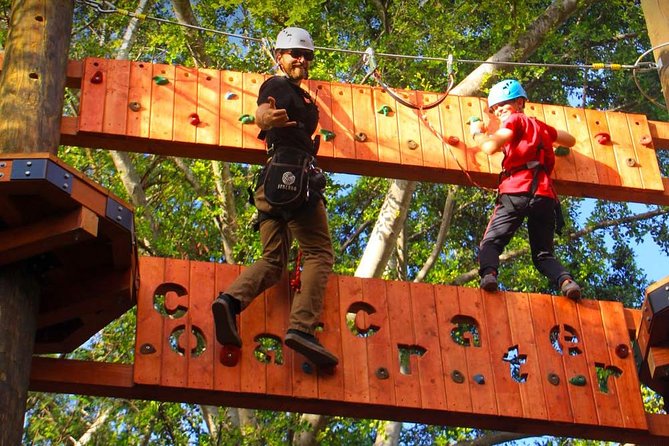
18 challenge elements keep you moving from start to finish, not stuck waiting around.
Harnessed safety means you can focus on the obstacles instead of worrying about the fall.
Small groups (max 15) help the course feel less crowded and more manageable.
Professional guides give clear procedures (and quick help when things go wrong).
Closed-toe shoe rule is enforced, with Crocs and water shoes allowed.
Where the Course Starts: Coral Crater’s Adventure Tower Vibe
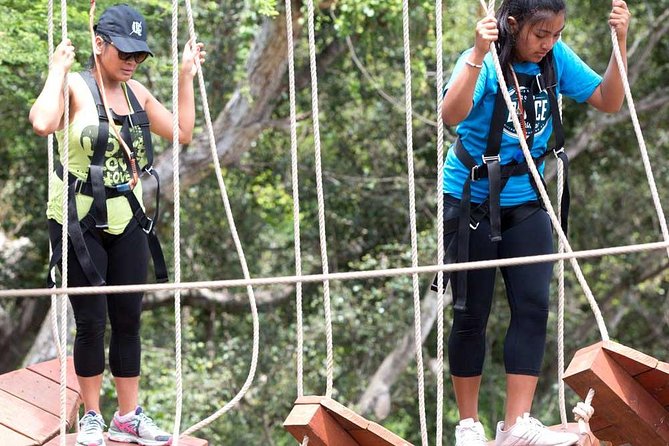
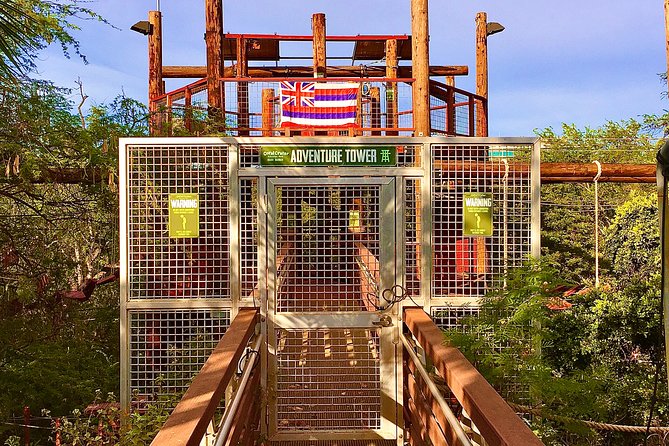
This is the kind of activity that turns the whole place into one big training ground. You’ll begin at 91-1780 Midway St, Kapolei, HI 96707, and the action kicks off in the Adventure Tower. That matters, because the tower is where the experience stops being “a rope course” and becomes “a guided progression you can actually complete.”
Expect to be harnessed safely before you start. The point here is simple: you should feel secure enough to take the next step even if your brain is doing its usual dramatic thing about heights. And if you’ve ever done something where the rules are vague, you’ll appreciate that this course is set up with clear procedures from the guide.
Also worth noting: the activity is designed for a strong physical fitness level. That doesn’t mean you need to be a gym athlete, but you do need to be able to climb, grip, and shift your weight while up in the air.
You can also read our reviews of more tours and experiences in Oahu.

How Safety Works (and Why You’ll Still Feel the Thrill)
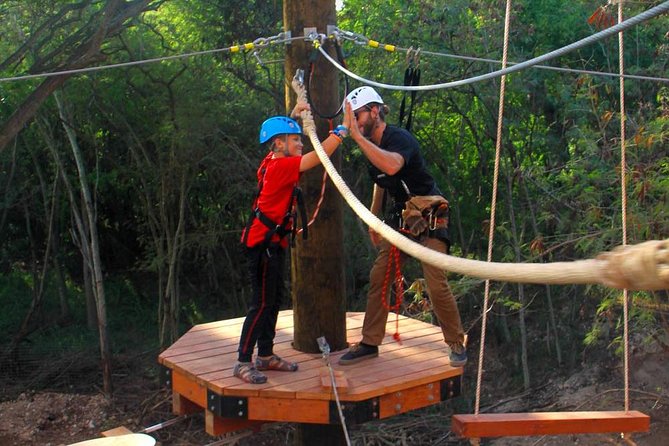
The high ropes part is intense on purpose. You’re at elevation, you’re moving between elements, and some sections ask you to swing or jump. But the safety design does the heavy lifting so your body can concentrate on balance and timing.
You’ll be safely harnessed, and the course uses safety catches. That detail matters more than people think, because it’s what turns a fall into a quick reset instead of a panic moment. In fact, people who’ve done the course describe “falling” as part of the learning process, with the safety system keeping things controlled until you get your footing again.
Your guide also plays a big role in how safe you feel. The names that show up in real experiences are Ethan and a guide who noticed a pronoun pin quickly and used the correct pronouns right away. That tells me the staff aren’t just there to clip you in and wave goodbye. They pay attention, explain clearly, and stay tuned to how you’re doing. On a course where you’ll be focusing hard, that kind of calm instruction is not a small thing.
The 18 Elements: What the Course Feels Like From Start to Finish
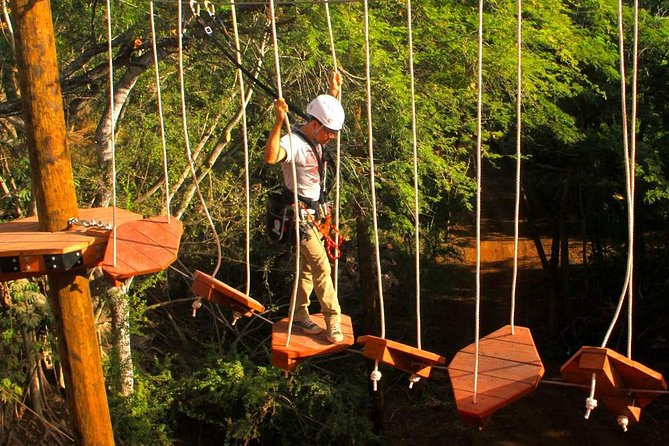
This course is built as a progression across 18 challenge elements, which is the sweet spot. Too few, and you barely get started. Too many, and you’re tired and rushing. Here, you get enough variety that you keep moving, while still having time to learn the system.
Climbing
Most of the early elements are about getting comfortable with the equipment and your harness position. You’ll be climbing and shifting your weight while high above the ground. It’s a good mental warm-up because your body learns the “feel” of gripping and moving. If you’ve got a fear of heights, this is where you prove to yourself you can stay steady.
Swinging
Then comes the parts where timing matters. Swinging elements ask you to move your body with intention instead of grabbing wildly. The harness gives you a safety net, but the challenge is still real. You’ll likely feel it in your arms and core more than you expect.





Jumping (Including the Big Finish Moment)
Near the top tiers, the course includes jump-style challenges. People often highlight the jump-off from the highest tier as a moment that makes the whole thing feel worth it. That makes sense: if you’re going to challenge yourself, the payoff should feel like a clear “yes, I did it” moment.
A small tip that keeps your experience smoother: when the guide tells you how to position yourself before a jump or swing, treat it like instructions in a climbing gym, not casual advice. Do exactly what they say and you’ll conserve energy and avoid unnecessary slips.
The Guide Factor: Why Clear Procedures Matter at 40+ Feet
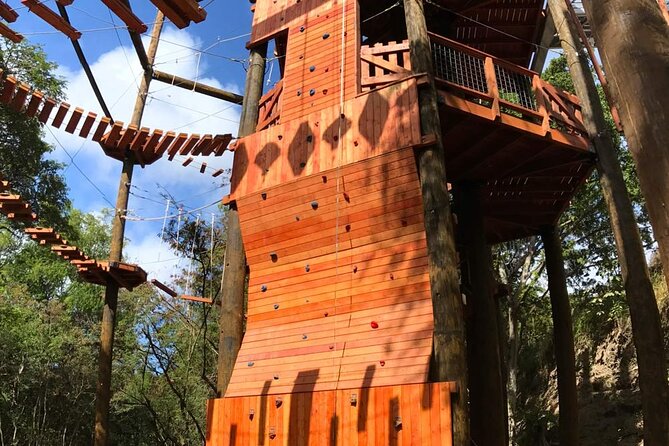
When you’re on ropes and platforms, your brain needs less “maybe” and more “do this next.” The course is guided by a professional guide, and the vibe from past experiences centers on clarity and confidence.
For example, Ethan has been described as jovial with clear, straight procedures. That’s a great mix: humor helps nerves, and clarity helps you act quickly without overthinking. I also like the idea of a guide who notices details like pronouns right away. It suggests a staff culture that takes communication seriously, which can make you feel respected even when you’re wearing a harness and trying not to stare at your own feet.
Practical result: you spend less time wondering what’s supposed to happen and more time enjoying the actual course. In high ropes, that difference can be the difference between “this is fun” and “I’m just surviving.”
Timing, Small Groups, and Why Your Course Feels Personal
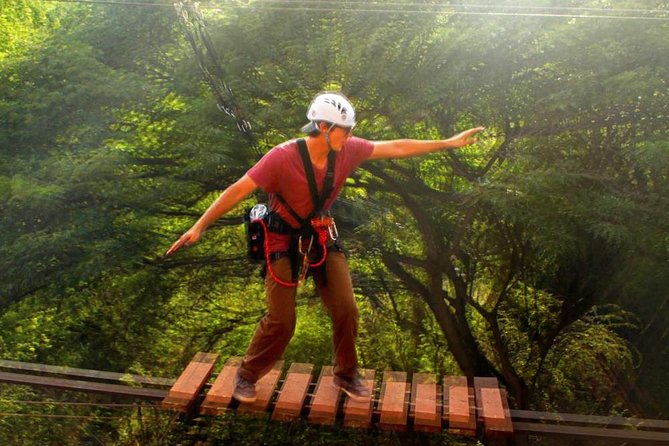
This activity is about one hour (approx.). That’s a key value point: it’s long enough to feel like a real adventure and short enough that you’re not exhausted before the best parts.
The course also runs with a maximum of 15 travelers, which keeps things from turning into a chaotic line at the top. Fewer people on the course at once means you get more attention, and you’re less likely to feel trapped by crowds while you’re trying to focus.
When to go is also worth thinking about. The experience offers several timeslots, and it’s smart to book with a cushion because the course tends to sell—on average it’s booked about 28 days in advance. If you’re traveling during a busy stretch, lock in your slot early, then plan the rest of your day around it.
What You Should Wear: Shoes, Grip, and the Stuff That Actually Matters
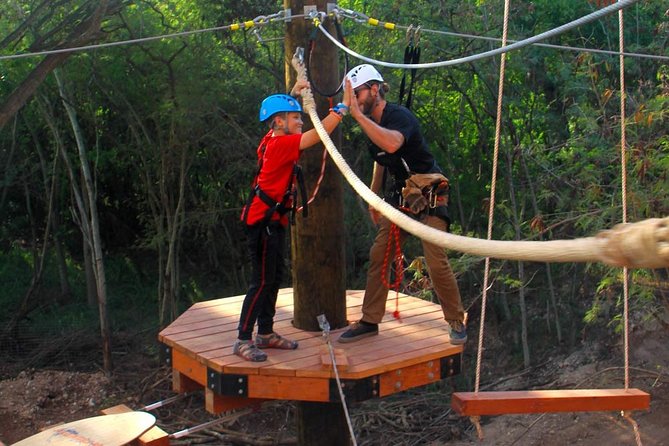
Closed-toed shoes are required, but the good news is that Crocs and water shoes are okay. That’s a relief if you’re already traveling light and you don’t want to buy hiking boots for one activity.
Here’s how I’d think about clothing:
- Wear stuff you can move in. You’ll climb and shift positions.
- Avoid anything that makes you fumble with grip.
- Keep an eye on personal items. If you bring sunglasses, secure them the way you would for a water day, because things can fall into bushes during the stress of a high moment.
One memorable example from real experiences: a guide helped someone find sunglasses after they smacked them off their face. That’s funny in hindsight, but it also signals a practical reality—bring the right mindset, and don’t assume your stuff will stay put just because you’re being careful.
Also plan to be there with at least basic physical fitness. This isn’t a gentle stroll. Your upper body works.
Price and Value: Is $62.82 Worth It?
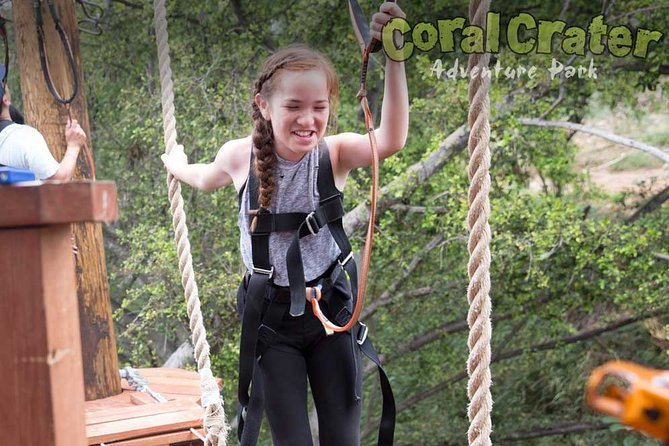
At $62.82 per person, this isn’t the cheapest thing on Oahu, but it also isn’t priced like a full-day outing. For the value, I look at what’s included versus what you’d otherwise spend.
You get:
- All fees and taxes
- A professional guide
- Free parking
You do not get:
- Hotel pickup/drop-off
- Food and drink
So the real question is: does this price buy you a guided, safety-focused, adrenaline activity that lasts about an hour? For most people who want to do something active in Hawaii beyond beach time, the answer is yes. You’re paying for a real structure: harnessing, safety catches, and a setup that turns your effort into a finished course. If you’re trying to fit one “I did something” experience into a trip, this hits the mark.
Who This Course Is Best For (and Who Might Rethink It)
This is a great fit if you want:
- A hands-on challenge that feels genuinely earned
- Clear instruction and harnessed safety
- A short, high-energy activity that doesn’t eat your whole day
It’s also a good option if you’re afraid of heights in the sense that this course gives you a safe way to confront the feeling. You don’t just stand there hoping it works out. You’re strapped in, instructed clearly, and you move obstacle-by-obstacle until it stops feeling impossible.
Where you should reconsider:
- If you can’t meet the 275 lb weight limit, this won’t work for you.
- If you don’t have the ability to handle climbing, swinging, and sustained grip, it could feel stressful rather than fun.
- If you need hotel pickup or you rely on a specific transportation method, you’ll want to plan for the self-arrival meeting point in Kapolei.
The good part: this activity allows service animals, so if that matters for your planning, it’s covered.
The Bottom Line: Should You Book It?
If your trip includes time in Oahu’s family-friendly adventure zone, I think this is an easy yes—especially if you like active experiences and want something with real structure and safety.
Book this course if:
- You want 18 aerial obstacles in about one hour
- You like the idea of a small-group feel
- You’re ready to challenge yourself in a harnessed, guided way
Skip it if:
- Your physical limits make climbing and gripping difficult
- Your weight is above the strict 275 lb maximum
- You’re not comfortable with heights, even with safety equipment (some people need more than harnesses to feel calm)
If you do book it, show up ready to move, wear the right shoes, and listen closely when the guide gives instructions. On this course, that’s the shortcut to turning nerves into a win.
FAQ
How long is the High Ropes Adventure Course at Coral Crater?
It runs for about 1 hour.
How many challenge elements are on the course?
The course includes 18 challenge elements.
Where is the meeting point?
The meeting point is 91-1780 Midway St, Kapolei, HI 96707, USA. The activity ends back at the meeting point.
What is the maximum group size?
There is a maximum of 15 travelers.
What is the weight limit?
All passenger weights must be entered at booking, and the maximum weight is 275 lbs. The information says there are no exceptions.
What kind of shoes do I need?
You need closed-toed shoes. Crocs and water shoes are allowed.
Is the activity weather dependent?
Yes. The experience requires good weather. If it’s canceled due to poor weather, you’ll be offered a different date or a full refund.
When will I receive confirmation after booking?
You’ll receive confirmation within 48 hours of booking, subject to availability.
Can I cancel for a full refund?
Yes. You can cancel up to 24 hours in advance for a full refund. If you cancel less than 24 hours before the start time, the amount paid is not refunded.