REVIEW · AUDIO TOURS
Honolulu’s Waikiki Self-Guided Walking Audio Tour
Book on Viator →Operated by History with Action · Bookable on Viator
Waikiki turns into a story on your phone. This self-guided audio walk is a smart way to connect the dots between Hawaiian history and famous Waikiki landmarks while you move at your own pace. I really like the location-based audio, which cues stories as you’re standing in the right spot. It also keeps working even when cell service is weak, as long as you download the tour first for offline use.
The main thing to plan for is distance. The full route is about 14+ miles and takes roughly 2-3 hours for most people, so comfortable shoes matter more than beach sandals.
If you want Waikiki context without buying extra tickets, this is good value. At $9.99 per person, you’re paying for a guided narrative that you can reuse later since it’s lifetime access with no expiry, letting you revisit Oahu with fresh eyes.
In This Review
- Key Things That Make This Waikiki Audio Tour Worth Your Time
- How The Self-Guided Audio Tour Actually Works On Your Phone
- Price and Value: $9.99 for 45+ Stories in Walkable Waikiki
- Where You Start and How the Route Ends in Waikiki
- Entering The Story of Waikiki: From Taft’s 1904 Ring of Steel to Ocean Healing
- Ancient Polynesian Roots Along Bali Oceanfront
- Princess Kaiulani and Waikiki’s Royal Memory
- Duke Kahanamoku’s Lagoon: Surf Legend Meets Waikiki
- Moana Surfrider and the Unsolved Jane Stanford Murder Story
- Kuhio Beach, Hula, and the Quiet Power of Oceanfront Calm
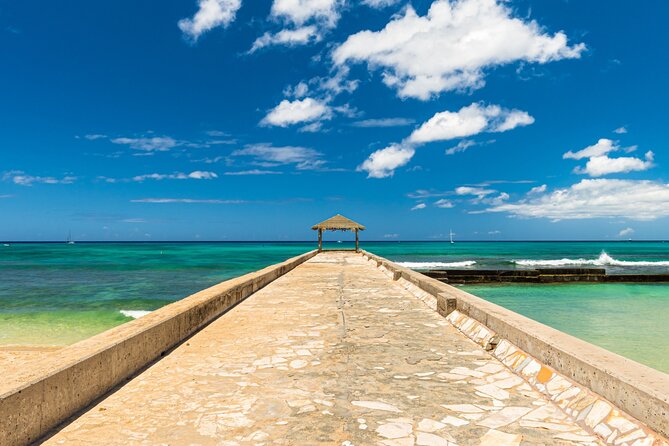
- The Waikiki Wall: Why Concrete Ends Up Part of the View
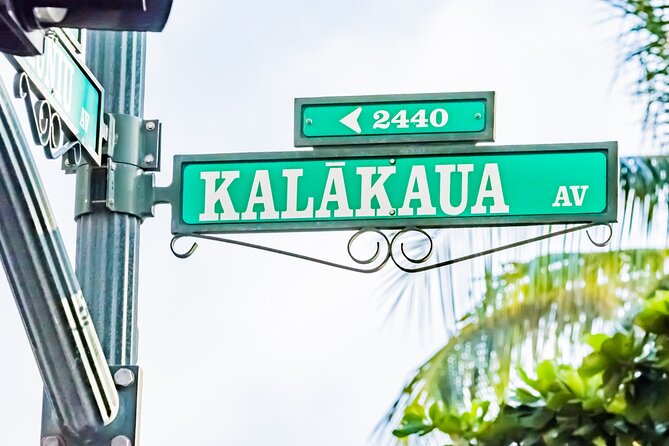
- Kalākaua Avenue and Duke’s Broader Life: Olympics, War, Sheriff Work
- Makua and Kila: A Statue Story That Brings the Ocean Back Into Focus
- Closing the Walk at Waikiki Walkway: The Living Legacy of Duke
- Who Should Book This Waikiki Walk (and Who Might Skip It)
- Should You Book This Honolulu Waikiki Audio Tour?
- FAQ
- How long does the Waikiki self-guided audio tour take?
- Is the tour usable without cell service?
- Where do I start and where does it end?
- How do I start the audio once I arrive?
- What is included in the tour price?
- Is it available in English and can I access it again later?
Key Things That Make This Waikiki Audio Tour Worth Your Time
- Automatic audio by location means you don’t need to keep pressing play
- Offline maps help you keep going when your signal drops
- Lifetime access lets you replay the walk on future Waikiki trips
- A long, story-rich route connects beaches, statues, hotels, and streets
- Short, flexible stops make it easier to pause for photos and snacks
How The Self-Guided Audio Tour Actually Works On Your Phone
This tour is designed for walking, not listening in one sitting. After you book, you get an email and text with setup instructions and a password. You’ll need to install the separate Action’s Tour Guide App, then enter that password to load the tour.
Before you start, download the tour while you’re on strong wifi/cellular. After that, it’s built to work offline—so you can keep the stories running even if you’re between towers.
You’re hands-free once you launch it onsite. The audio stories play on their own based on your location, and you can start whenever you want within the daily hours. No one meets you at the start, so you’ll simply go to the first story point and let the phone do the cueing.
One practical note: bring headphones/earbuds. Even if the audio is clear, the street gets noisy in Waikiki fast, and good audio is half the experience.
You can also read our reviews of more walking tours in Oahu



Price and Value: $9.99 for 45+ Stories in Walkable Waikiki

At $9.99 per person, this is one of the lowest-cost ways to “add guidance” to Waikiki. You’re not paying for attraction tickets or reserved entries—you’re paying for interpretation: history, legends, and connections between places.
The tour also comes with a real perk for repeat visitors: lifetime access with no expiry. That means you’re not locked into one trip date. If you come back next year, you can rerun the walk and pay attention to details you missed the first time.
Duration is flexible, too. The route is described as about 1-2 hours on average, but the full walk is noted as taking around 2-3 hours. Plan on the longer time if you like reading every story, stopping for photos, or taking your time at oceanfront spots.
And yes, you can keep breaks without “missing the tour.” It’s built so you can pause and restart, and you can skip stories you’re not feeling that day.
Where You Start and How the Route Ends in Waikiki
The tour starts at Brothers In Valor memorial, 2081 Kalākaua Ave, Honolulu. From there, you’ll walk along the Waikiki corridor and finish at Waikiki Walkway / Waikiki Wall, also on Kalākaua Ave area.
Hours run daily from 6:00 AM to 9:00 PM, so you can pick a time that fits your day. Early morning is calmer for walking. Late afternoon works if you’re already planning an evening stroll.
You’ll want to pay attention to the route path and speed limits, because you’re sharing sidewalks and street crossings in a busy tourist area. If the audio ever has issues, there’s support you can contact, but most of the time the location cueing just works—especially if your GPS is functioning well.
For best results, use a device that supports the recommended navigation setup: iPhone with iOS 15+, Android version 9+, or an iPad/tablet with GPS and cellular connectivity.
Entering The Story of Waikiki: From Taft’s 1904 Ring of Steel to Ocean Healing
The walk opens with a piece of concrete that reaches back to 1904. The story links Hawaii’s coastline to national defense decisions, including a “Ring of Steel” concept pushed by President Taft. It’s a reminder that Waikiki isn’t only palm trees and hotels—there’s a layered past under the scenery.
Then you move toward Kawehewehe, one of Waikiki’s ancient healing sites. The audio sets the scene with the ocean’s colors and a “clean slate” of sand, and it frames this spot as more than a view. You start thinking about the shoreline as a place of meaning and practice, not just scenery.
What I like about starting with healing and coastline context is that it changes how you look at everything after. When you understand that people came here for water and wellbeing long before Waikiki became a global brand, the rest of the walk feels less like trivia and more like a connected place.
Practical tip: this is a shore-and-sun stop. If you’re walking midday, plan water breaks and don’t rush the story if you need shade.
Ancient Polynesian Roots Along Bali Oceanfront
At Bali Oceanfront, the audio focuses on how these waters supported the Hawaiian people after ancient Polynesians settled here between roughly 400 and 1100 CE.
That date range matters because it reframes Waikiki as living geography. Before it was a beach destination, it was part of how people moved, survived, and built communities through the ocean.
This stop is also a good “reset” moment. After the heavier 1904 defense story, the tone turns toward survival and settlement. You’ll probably find yourself slowing down here, just to take in the water and listen longer than the typical 10 minutes.
If you’re the kind of person who learns best by pairing place with story, this stop delivers fast.
You can also read our reviews of more guided tours in Oahu






Princess Kaiulani and Waikiki’s Royal Memory
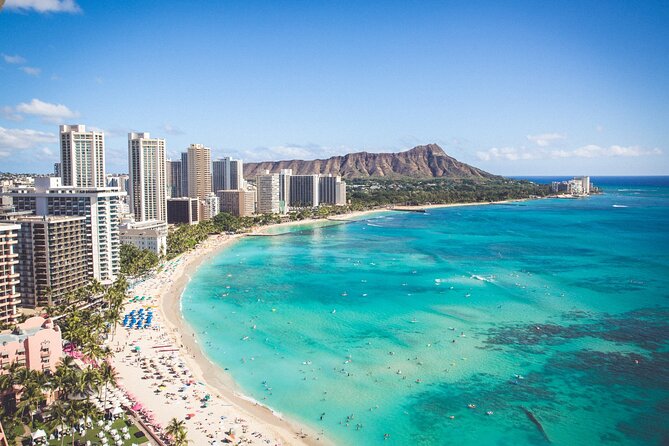
Next comes a statue dedicated to Princess Kaiulani, described as Hawaii’s last heir to the throne. The audio gives Waikiki a human thread—someone beloved, someone tied to the end of a royal era, and someone whose name still carries weight.
This isn’t the kind of stop that asks you to memorize dates. Instead, it gives you a person to carry while you walk. Once you know who Kaiulani was, you’ll be able to hear the undertone behind later stories too, especially ones about change, loss, and adaptation.
It’s a good stop for photos, but it’s also a good stop for listening without multitasking. If you’re trying to snapshot and walk at the same time, you’ll miss some of the narrative.
Duke Kahanamoku’s Lagoon: Surf Legend Meets Waikiki
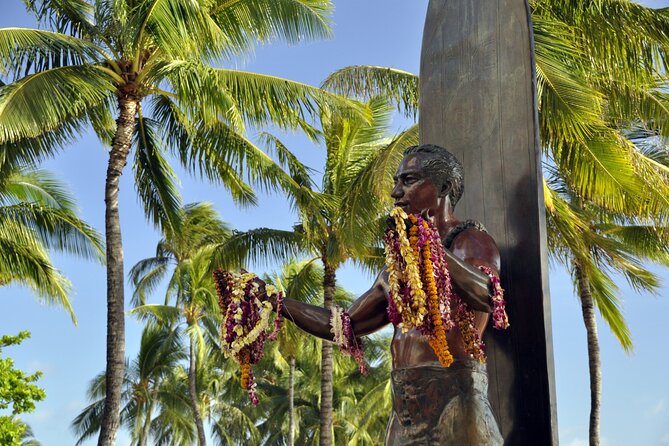
The audio then shifts into the life of Duke Kahanamoku, Hawaii’s surfing hero. At the Duke Kahanamoku Lagoon, the story starts in palm tree shadows and frames his rise around the crest of a breaker.
From there, the walk builds the idea of Duke as more than a famous swimmer. He represents a global ripple effect—how watching someone surf for the first time can trigger a worldwide surfing fever. This is where the tour becomes especially fun if you like sports history or pop-culture impact, because Duke’s story explains how Waikiki shaped more than just local beach life.
If you’re also interested in modern Waikiki, this stop is a strong connector. It helps you see how today’s surf culture sits on top of older traditions and how one person’s visibility can change a whole industry.
Moana Surfrider and the Unsolved Jane Stanford Murder Story
One of the most striking stops is at the Moana Surfrider, A Westin Resort & Spa, Waikiki Beach. The audio points out that the hotel debuted in 1927 and hosted big names over the years, including celebrities like Marilyn Monroe and presidents such as Franklin Roosevelt. It also connects the place to Duke Kahanamoku himself.
Then the story turns darker with one of America’s unsolved mysteries: the murder of Jane Stanford. That pairing—glamour and mystery in the same hotel history—makes this section memorable.
This is also where the audio pacing helps. You’re in a spot that’s easy to drift through visually. Hearing the story gives the building and its setting weight, instead of letting it blur into the usual hotel-wall background.
Practical caution: this part of Waikiki can get crowded. If you’re trying to listen comfortably, step slightly aside so you’re not constantly dodging foot traffic.
Kuhio Beach, Hula, and the Quiet Power of Oceanfront Calm
At Kuhio Beach, the audio is set up for both culture and leisure. It mentions a hula show and calls this one of the best beaches in town, especially if you like snorkeling or bodyboarding.
It also notes something practical: both sides of the beach are enclosed by concrete walls that stretch into the ocean. The result is a calmer, wading-pool kind of zone that works well for families with children.
The tour doesn’t stop at recreation, though. It connects the beach to Prince Jonah Kuhio Kalaniana’ole, described as the youngest son of a high Hawaiian priest. The audio says he lived in a home on this spot in Waikiki with his wife, Princess Elizabeth Kahanu.
That’s the value here. You get both the “what to do” beach pitch and the “who was here” context, which makes the shoreline feel like a named place with memory rather than a generic beach strip.
The Waikiki Wall: Why Concrete Ends Up Part of the View
Then you hit the Waikiki Wall. The audio acknowledges the oddness of it at first glance—concrete in a tropical setting—but the point is that the wall has been here for so long it’s become part of Waikiki’s scenery.
This is a smart stop for anyone who loves watching how places change. Waikiki growth didn’t erase the oceanfront; it engineered around it. Hearing the story makes you look at the wall as an outcome of choices, not just a barrier.
If you’re walking during peak hours, use this as your “pause and listen” moment. You can step back from the sidewalk area and focus on the audio without feeling like you’re always in the flow of traffic.
Kalākaua Avenue and Duke’s Broader Life: Olympics, War, Sheriff Work
Next up is Kalākaua Avenue, tied to Duke Kahanamoku again. The audio summarizes his achievements: after retiring from the Olympics in 1932, he had earned three gold and two silver medals.
Then it widens the lens. The story includes his service in World War II and later work in Honolulu as Sheriff. The tour treats Duke as a figure with multiple roles, not just an athlete.
I like this kind of pivot because it keeps Waikiki from turning into a one-note postcard. It’s easy to assume surf culture is the main thread. This stop shows it’s one thread, not the whole rope.
If you like learning patterns—how one person links sport, public life, and identity—this is a satisfying section.
Makua and Kila: A Statue Story That Brings the Ocean Back Into Focus
At Makua and Kila, you get a statue pairing a young surfer with an unlikely friend: a Hawaiian monk seal. The audio asks you to greet them with aloha, and frames them as always glad to see visitors.
This stop works because it blends playfulness with conservation-minded attention. Even without extra explanation, the image pulls your gaze back toward the ocean and its living inhabitants.
It’s also a great “photo + pause” combination. Just don’t rush it—give the audio a minute to shape the moment, or you’ll miss what the tour is trying to make you notice.
Closing the Walk at Waikiki Walkway: The Living Legacy of Duke
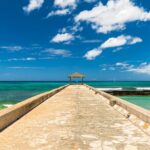
The tour ends at Waikiki Walkway / Waikiki Wall. The closing story wraps the theme: Duke’s spirit lives on in Waikiki through surfing, swimming, and laughter.
It also provides a clear time anchor with Duke’s death in 1968, tying the end of the narrative to a real calendar marker. It’s a fitting wrap because, by the time you reach the end, you’ve seen how Waikiki’s famous features connect to real people and real eras.
If you still have energy, this is also a good place to keep walking on foot for more shore time—without needing to manage an audio sequence.
Who Should Book This Waikiki Walk (and Who Might Skip It)
This tour fits best if you want independence. You can start and pause anytime during the day, and you can skip stories you don’t care about without losing the rest of the route.
It also suits people who like learning through place. If you enjoy turning streets, oceanfront areas, hotels, and statues into a narrative, you’ll get more out of every stop.
If you’re short on time, it might feel like a lot. With 14+ miles on the full route, you should consider skipping this if you’re only planning a quick wander or if walking long distances is a struggle.
Also, plan around heat. Waikiki is sunny and exposed. The audio stop lengths are brief, but the total walk can still feel long.
If you’re coming with a partner, here’s a practical value tip: couples can share one tour by splitting headphones.
One last safety note: Hawaii can issue tsunami warnings after major Pacific earthquakes. For the latest updates, check tsunami.gov.
Should You Book This Honolulu Waikiki Audio Tour?
Book it if you want the cheapest way to add real context to Waikiki. For $9.99, you get an audio-guided story path with 45+ audio stories, offline playback after download, and lifetime access you can reuse later.
Think twice if you don’t want to walk 14+ miles or you’re planning to spend most of your day hopping between attractions by car. This is built for walkers first, not for sit-down museum time.
If your goal is to understand Waikiki beyond the postcard view—through healing sites, royal memory, Duke Kahanamoku’s impact, and even the Jane Stanford mystery—this tour is a strong choice.
FAQ
How long does the Waikiki self-guided audio tour take?
The duration is listed as about 1 to 2 hours on average. The full route is also described as over 14 miles long and taking about 2 to 3 hours to complete, depending on your pace and breaks.
Is the tour usable without cell service?
Yes. The tour uses offline maps, but you must download the tour while you’re in strong wifi/cellular first. After that, it’s designed to work offline.
Where do I start and where does it end?
It starts at Brothers In Valor memorial, 2081 Kalākaua Ave, Honolulu, HI 96815. It ends at Waikiki Walkway, Waikiki Wall, Honolulu, HI 96815.
How do I start the audio once I arrive?
Open the Action’s Tour Guide App once onsite. Go to the first story point at the start location, and the audio should begin automatically. If multiple versions exist, choose the one matching your planned starting point and direction.
What is included in the tour price?
The price includes the audio storytelling, offline maps, and hands-free location-based playback. It does not include attraction passes, entry tickets, or reservations.
Is it available in English and can I access it again later?
Yes, it’s offered in English. You also get new lifetime access with no expiry, so you can use it on future trips as many times as you want.