REVIEW · CIRCLE ISLAND TOURS
Oahu Deluxe Grand Circle Island Tour
Book on Viator →Operated by Polynesian Adventure Tours · Bookable on Viator
You can do a lot of Oahu in one day. This Oahu Grand Circle Island Tour strings together crater views, dramatic cliffs, seaside blowholes, a Japanese Buddhist temple, and the North Shore’s surf culture—plus hotel pickup. I love how the day is built around big, iconic photo stops, and I especially love having a guide like Mo or Mike who keeps the bus ride moving with clear stories about history and geography. One catch: it’s a long day, and a few stops can feel rushed when the schedule is tight or rain messes with visibility.
The value is strong because it includes round-trip hotel transport and the key admission fees (including the temple), so you’re not constantly adding tickets. At $145.55 per person, you’re really paying for guided routing, narration, and time on the road that you’d otherwise spend navigating. The main drawback I’d plan for is bus comfort and timing: one review noted an older, dirty coach, while others praised cleaner, updated buses, so vehicle conditions can vary.
In This Review
- Key Points at a Glance
- Why This Circle-Island Tour Works Better Than Random Stops
- Getting on the Bus: Pickup, Timing, and That Realistic 10+ Hour Day
- Diamond Head, Kahala, and the Halona Blowhole: The Best Ocean Drama Per Hour
- Nu’uanu Pali Lookout: Why the Views Matter More With the Stories
- Byodo-In Temple: A Quiet Japanese-Style Pause That Feels Like a Different Island
- Mokoli‘i Island + Waimea Valley: Waterfalls, Monkeypod Trees, and a Swim Only If Conditions Agree
- North Shore by Coach: Surf Culture at Waimea Bay and the Haleiwa Time Block
- Dole Plantation: The Quick Stop That Still Feels Like a Classic Hawaii Moment
- Price and Value: What $145.55 Buys You on This Route
- The Two Big Drivers: Guide Style and Coach Comfort
- Who Should Book This Oahu Circle Tour (and Who Might Prefer Another Plan)
- Should You Book the Oahu Deluxe Grand Circle Island Tour?
- FAQ
- FAQ
- What time does the Oahu Grand Circle Island tour start?
- How do I get my exact hotel pickup time in Waikiki?
- What’s included in the ticket price?
- Is lunch provided on this tour?
- Can I swim at Waimea Valley?
- Is the tram ride at Waimea Valley included?
- How much time do you spend in Haleiwa and at Dole Plantation?
- How big is the group size?
- What happens if the weather is bad?
Key Points at a Glance
- Hotel pickup and drop-off from Waikiki keeps this day simple if you don’t want to drive
- Diamond Head, Nu’uanu Pali, and Halona Blowhole hit Oahu’s most dramatic scenery early
- Byodo-In Temple is a calm, Japanese-style reset with admission included
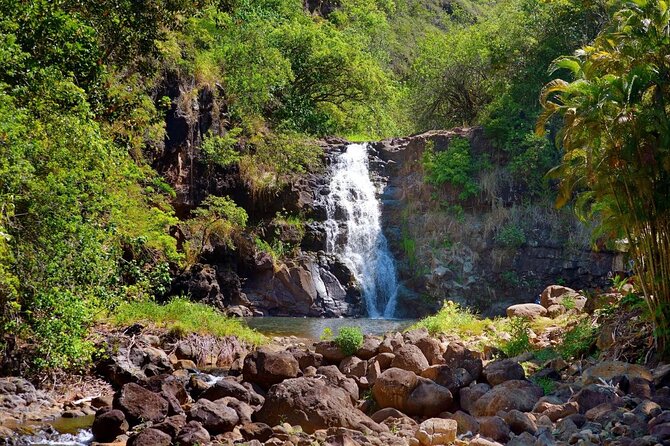
- Waimea Valley is your nature stop with a weather-permitting option to swim in a waterfall-fed pool
- North Shore + Haleiwa Town Center gives you surf-town atmosphere with a full 1.5 hours
- Dole Plantation is brief but fun for a quick Dole Whip and souvenir browse
Why This Circle-Island Tour Works Better Than Random Stops
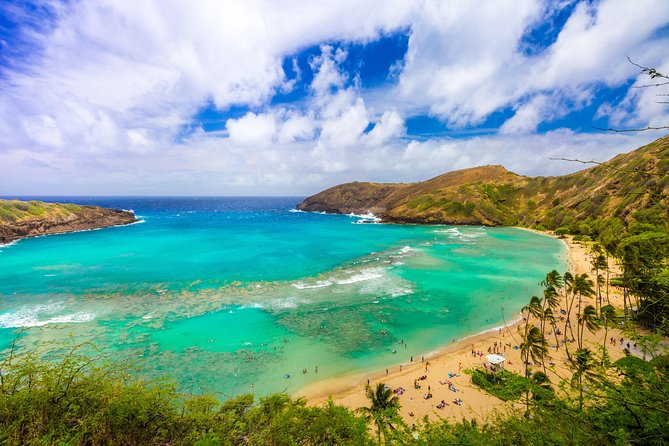
Oahu’s geography is the whole story. The island is compact, but the scenery changes fast: volcanic craters and coastal cliffs in one direction, then lush inland valleys and surf beaches in the other. Doing it by bus with a route that loops the island means you don’t spend your day bouncing between far-apart areas on your own.
This tour is also built for orientation. On a first visit, you want answers: Where do the best viewpoints live? What’s behind the cliffs at Nu’uanu Pali? Why do people obsess over the North Shore in winter? Your driver/guide drives the coach and narrates the ride, so you get context as you pass Kahala’s upscale shoreline estates, the blowhole area, and the coastal stops that most people only see from a distance.
And yes, the stops are scenic, but the real win is how they’re sequenced. You start with big lookouts and ocean drama, move into quiet temple grounds, then shift to plants and waterfalls, and end with surf-town browsing and a classic Dole Plantation stop.
You can also read our reviews of more tours and experiences in Honolulu.


Getting on the Bus: Pickup, Timing, and That Realistic 10+ Hour Day
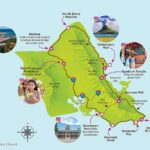
This day runs about 10 hours 45 minutes, starting at 7:00 am. The exact pickup window depends on where your Waikiki hotel is, and you’re expected to contact the provider at least 2 days before to get your precise pickup time and where to wait (like the front entrance). Plan to be early—show up at least 5 minutes ahead and give a small buffer for other hotel pickups nearby.
The group size is capped at 52, which usually keeps things organized on stops. Still, it’s a coach bus, so don’t expect one-on-one wandering time. Some stops include about 20 to 30 minutes, others give you more breathing room like Waimea Valley at around 2 hours and Haleiwa Town Center at 1.5 hours.
A quick reality check: you’re doing a full circle of the island by coach. That means there’s little slack. If you’re the type who hates time limits, you might feel the pinch at the shorter stops. If you go in ready to move and want a guided overview, you’ll probably feel like you got your money’s worth.
Diamond Head, Kahala, and the Halona Blowhole: The Best Ocean Drama Per Hour
Early on, you’ll circle Diamond Head, a volcanic tuff cone. You’ll get that iconic crater energy without needing hiking boots or a full crater climb. It’s one of those stops where the viewing is quick, but the photos can look like you stayed all morning.
Next comes the shoreline world of Kahala, known for luxury beachfront estates often compared to Hawaii’s Beverly Hills. Even if you’re not shopping for mansions, it’s a useful contrast point. Oahu isn’t just beaches and palm trees; it also has tight clusters of wealth and coastline that most visitors never pass through.
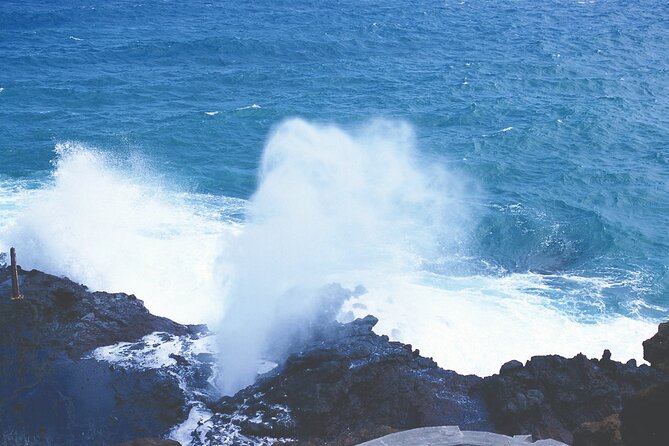
Then you reach Halona Blowhole, the sea-water jet that can shoot up to about 30 feet through a lava tube. The timing and force depend on conditions, but it’s still an unforgettable visual. Bring patience for photos. This isn’t a walk-through museum—this is a spectacle moment, and the bus schedule matters.
Nu’uanu Pali Lookout: Why the Views Matter More With the Stories
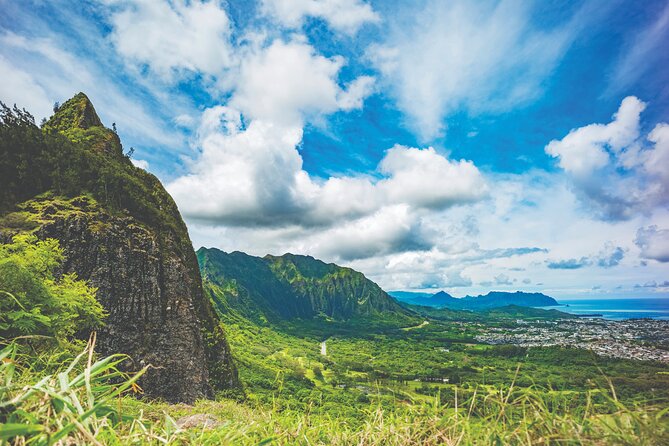
You’ll stop at Nu’uanu Pali, a historical landmark dated to 1795. The main draw is the panoramic overlook—coastal cliffs and mountain peaks that show you how rugged Oahu is. From this height, you understand why certain routes and moments in Hawaiian history were shaped by terrain.
This is also where having a guide makes a real difference. Your driver/guide isn’t just reading facts off a card. The best guides on this route connect geography to legend and history so the viewpoint feels like it explains something—not just that it looks good.
The stop is around 20 minutes, and that means you should treat it like a viewpoint sprint. If you want extra time at the edges, arrive ready with your phone/camera set and comfortable shoes. Also, if it’s rainy, expect reduced visibility. One simple truth: wet weather can erase the sharpness of those far views.
Byodo-In Temple: A Quiet Japanese-Style Pause That Feels Like a Different Island

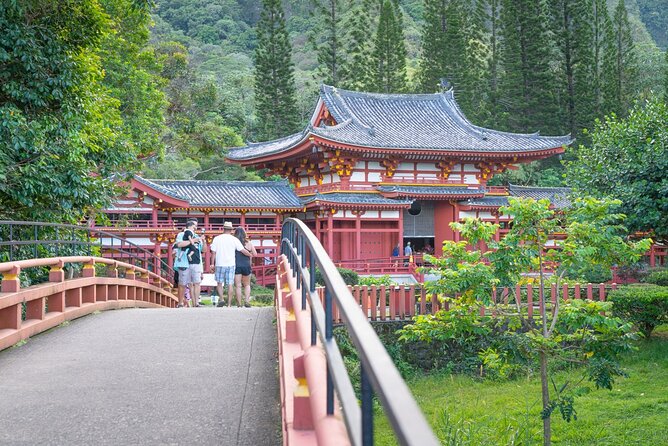
After the coastal cliffs, you shift gears to serenity at The Byodo-In Temple Hawaii. This is a replica of a historic Japanese Buddhist temple, with manicured grounds and meditation areas. The stop is about 30 minutes, which is the right length for people who want calm without losing the rest of the island circle.
This stop works because it changes your pace. One moment you’re looking outward at the ocean. The next, you’re standing in a landscaped space designed for slowing down—walking paths, stillness, and a sense of ceremony. It’s a good match for the rest of the day because it breaks up the driving and the natural lookouts with something human-made and peaceful.
If you enjoy photography, you’ll likely find angles from the paths and gardens. If you prefer quiet, this is also a good place to just breathe for a bit and reset before you head toward Waimea Valley.

Mokoli‘i Island + Waimea Valley: Waterfalls, Monkeypod Trees, and a Swim Only If Conditions Agree
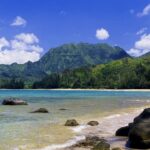
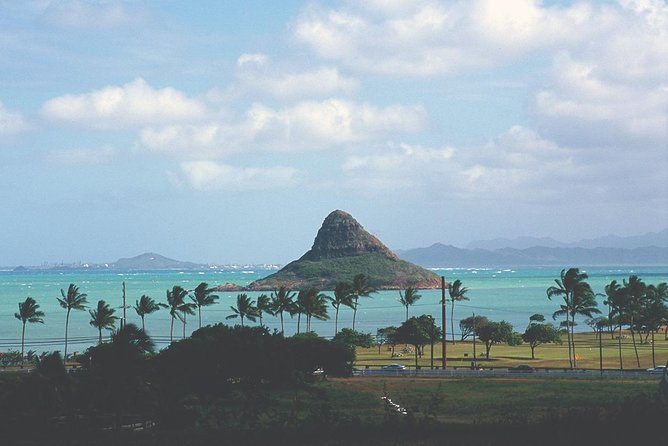
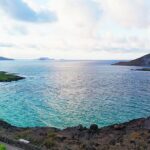
You’ll pass Mokoli‘i, a basalt islet in Kāneʻohe Bay offshore from the Kualoa Ranch area. You usually won’t have long to linger, but seeing it from the route helps you place Kualoa and the windward side in your mental map.
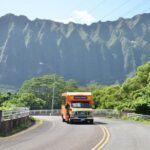
Then comes Waimea Valley, where the day turns more lush and green. This stop is about 2 hours, and it’s one of the best opportunities to stretch your legs between viewpoints. You’re there for both the gardens and the historical valley setting.
The big headline is the option to swim in a natural waterfall-fed pool, but it’s weather-permitting. That means if conditions aren’t right, don’t assume you’ll be in the water. Still, even when the pool isn’t the main event, the valley walk can be a strong payoff.
There’s also an optional tram ride to the top of Waimea Valley for an additional fee. If your legs want a break, this can be a smart add-on. If you don’t mind walking, you can likely keep it simple and stay focused on the main pathways and the pool area.
Water levels can change. One review mentioned the waterfall had less water than expected, so don’t build your dream day around maximum waterfall flow. Build it around plants, shaded paths, and the chance to swim if the day cooperates.
North Shore by Coach: Surf Culture at Waimea Bay and the Haleiwa Time Block
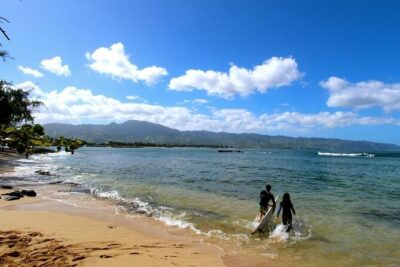
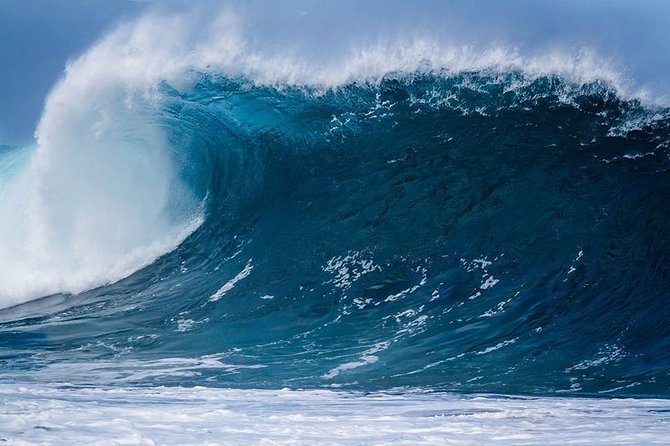
The North Shore portion is where Oahu’s reputation becomes real. The route highlights beaches known for surf culture, including Waimea Bay, famous for big-wave surfing since the 1960s. Even if you aren’t a surf person, it helps to see how the coastline works in different seasons.
In winter months, the big-wave season brings crowds. The tour’s timing can align with that energy, and you may get more people and more activity near the surf-town areas.
You’ll end up at Haleiwa Town Center for about 1 hour 30 minutes. This is your chance to slow down without bus pressure. Haleiwa is where you can browse art galleries and boutiques, grab casual food, and usually find something cold and sweet like shaved ice. One strong move for families and couples: use this stop as your lunch time if you want convenience, since lunch is not included on the tour and you’ll be eating on your own.
Some people also catch local culture while they’re there. The tour doesn’t guarantee performances, but Haleiwa’s vibe often includes music and dance in passing, so be open to it if timing lines up.
Dole Plantation: The Quick Stop That Still Feels Like a Classic Hawaii Moment
At Dole Plantation, you’ll have a brief stop—around 20 minutes. It’s not enough time for a full sightseeing marathon, but it’s enough for a quick gift shop browse and a taste of the famous Dole Whip if you want the classic souvenir.
This stop is here for a reason: it gives you a final sugar-and-souvenirs finish before you head back to Waikiki. It also offers a chance to buy something edible to take back to your room or share with your group.
If you’re pineapple-weary, treat it as a short break rather than a must-do attraction. The payoff is the convenience more than deep exploration.
Price and Value: What $145.55 Buys You on This Route
At $145.55 per person, you’re paying for a guided full-day loop that mixes ocean drama, temple time, valley nature, and surf-town browsing. The best part is what’s included: air-conditioned vehicle, tour narration, round-trip pickup/drop-off from Waikiki hotels, and admission fees at stops where tickets are required (including Nu’uanu Pali and Byodo-In Temple).
You’re also saving the mental load of planning drives and parking. Oahu roads can be busy, and a long loop day is exactly the kind of day where renting a car can turn into stress. This bus tour trades independence for structure, and on a first visit, structure is often a win.
The costs you should expect beyond the ticket are simple: lunch is on your own, and the Waimea tram ride is optional. If you’re trying to keep your day predictable, this is a manageable add-on situation. You’re not facing a pile of surprise ticket costs.
The Two Big Drivers: Guide Style and Coach Comfort
This tour’s quality rides on the human factor. People often talk about how much energy guides bring to the bus narration. Names that come up include Mo, Mike, Ken, Wes, Lani, Fred, and Kyle. When the guide is on, the ride becomes a moving lesson: history, geography, legends, and quick tips for what to look for during each stop.
If you’re someone who loves questions, this is the kind of tour where you can likely ask and get answers. A high-energy guide also keeps the day from feeling like nonstop sitting.
Bus comfort can vary. One account described an older, dirty coach that made the ride less comfortable, while others praised newer or cleaned-up vehicles. So while most of the time you should be okay, I’d also go in with the mindset that it’s a shared coach experience. Bring a light layer and plan for a long day on seats.
There’s also a practical point: if you need extra help stepping on and off at stops, you should think about planning ahead. While most of the experience is smooth, one report noted the driver didn’t assist every passenger at every stop. For mobility needs, contact the provider early—ADA and special requests are noted to be handled with advance coordination.
Who Should Book This Oahu Circle Tour (and Who Might Prefer Another Plan)
Book this if:
- You want a first-timer orientation to Oahu that covers both sides of the island.
- You don’t want to drive long distances and manage parking.
- You like history plus scenery—Diamond Head, Nu’uanu Pali, the blowhole, and the temple are all in one day.
- You want a real North Shore taste, with time in Haleiwa Town Center.
Consider skipping or switching tours if:
- You hate a schedule with short stops and time limits.
- You’re hoping for deep, unhurried exploration at each location.
- Your day depends on guaranteed waterfall swimming. It’s weather-permitting, so plan for the option being limited.
Should You Book the Oahu Deluxe Grand Circle Island Tour?
My take: this is a smart booking for your first Oahu day if you like guided structure. The included admission fees and round-trip Waikiki transport do a lot of the work for you. The stops cover major Oahu highlights in a way that would be hard to assemble yourself without losing time.
If you’re flexible on pace and weather, you’ll likely leave feeling like you learned where everything fits. If your dream day is slow travel and lots of freedom, you may want a more independent plan.
FAQ
FAQ
What time does the Oahu Grand Circle Island tour start?
The tour start time is listed as 7:00 am. Your pickup window may vary by hotel area, and you’ll receive your exact pickup time and location after contacting the provider in advance.
How do I get my exact hotel pickup time in Waikiki?
Pickup timing depends on your specific hotel. You need to contact the tour provider no less than 2 days prior to get your exact pickup time and where to wait (such as at the front entrance). Plan to arrive about 5 minutes early.
What’s included in the ticket price?
Your ticket includes tour narration, air-conditioned coach transport, Waikiki hotel pickup and drop-off, and admission fees listed for the tour stops. Lunch is not included.
Is lunch provided on this tour?
No. Lunch is on your own. You’ll have casual dining options at Waimea Valley and in Haleiwa Town Center.
Can I swim at Waimea Valley?
You can swim in a natural waterfall-fed pool, but it’s weather-permitting. If conditions don’t allow it, you’ll still have time in the valley.
Is the tram ride at Waimea Valley included?
The tram ride to the top of Waimea Valley is optional and costs extra. The main Waimea Valley admission is included in the tour.
How much time do you spend in Haleiwa and at Dole Plantation?
You’ll have about 1 hour 30 minutes in Haleiwa Town Center, and about 20 minutes at Dole Plantation.
How big is the group size?
The tour has a maximum of 52 travelers.
What happens if the weather is bad?
The experience requires good weather. If it’s canceled due to poor weather, you’ll be offered a different date or a full refund.