REVIEW · PEARL HARBOR TOURS
Oahu: Pearl Harbor USS Arizona Memorial
Book on Viator →Operated by Karma Tour Hawaii · Bookable on Viator
Pearl Harbor hits hard in a good way. This USS Arizona Memorial tour uses prebooked admission and Waikiki pickup so you spend more time learning and less time hunting logistics. You’ll get a guided push into the day’s most meaningful stops, starting at the Pearl Harbor National Memorial.
I especially like the in-person briefing that gets you oriented before you head into the visitor center and the boat ride area. I also like that the tour doesn’t end at Pearl Harbor—Punchbowl Crater and a drive past downtown landmarks like Iolani Palace and Aloha Tower round out the story of Hawaii’s past and present.
One big consideration: weather can affect the boat ride. If it’s too windy or lightning conditions happen, the boat may not reach the USS Arizona Memorial, and your time on-site can feel shorter than you hoped.
In This Review
- Key Highlights You’ll Actually Feel During the Day
- How This Tour Stays Focused on the Meaning of Pearl Harbor
- Waikiki Pickup Zones, No-Luggage Rule, and Why That Matters
- Visitor Center Prep: The Exhibits and Briefing That Set the Tone
- The USS Arizona Memorial Boat Ride: Included, Moving, and Weather-Dependent
- How to Act at a Memorial (And Why Your Guide Will Mention Etiquette)
- Punchbowl Crater: A Second Memorial Stop That Expands the Meaning
- Downtown Honolulu Drive: Iolani Palace, Kamehameha, Kawaiahao, Aloha Tower
- Souvenir Shop Time: How to Make It Work With the No-Bag Rules
- Price and Value: Why $55 Can Be a Good Use of a Short Oahu Day
- Small Gotchas That Can Change Your Day
- Who Should Book This (And Who Might Want to Think Twice)
- Should You Book Karma Tour Hawaii’s Pearl Harbor and Punchbowl Trip?
- FAQ
- Where are the pickup and drop-off points?
- How long is the tour?
- Is the USS Arizona Memorial boat ride included?
- What should I know about bags and luggage?
- Can I cancel and get a refund?
- Does the tour accommodate wheelchairs or scooters?
Key Highlights You’ll Actually Feel During the Day
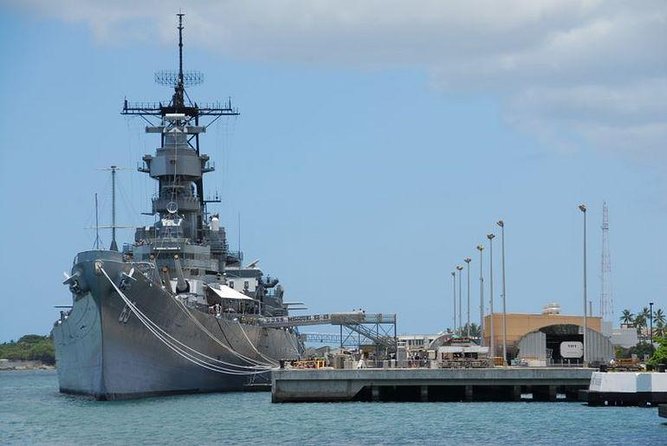
- Prebooked entry means you avoid the ticket panic and get moving to the visitor center
- In-person orientation helps you know where to look and what the exhibits are pointing at
- Boat ride included—but plan for weather changes that can alter docking
- Punchbowl Crater stop adds a second, quieter, deeply reflective memorial moment
- Downtown Honolulu drive gives you a fast, guided sense of place (Iolani Palace, Kamehameha statue, Aloha Tower)
- Small group size (max 24 travelers) keeps the experience calmer than bigger bus chaos
How This Tour Stays Focused on the Meaning of Pearl Harbor
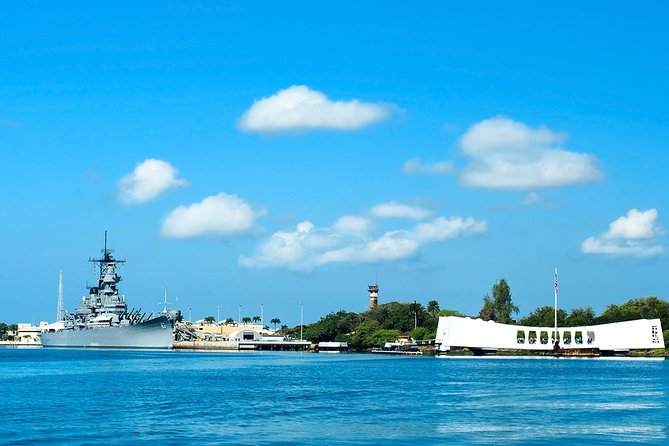
This is not a sightseeing scavenger hunt. It’s built around Pearl Harbor National Memorial and the USS Arizona Memorial experience, with a guide who helps you connect the dots instead of just passing through rooms. You’re paying for a structured day: transport, entry, orientation, and the core boat-and-memorial sequence.
The tour runs about 4–5 hours including travel time, which is a realistic window for an Oahu day when you also want lunch, beach time, or another activity. And because the group tops out at 24 travelers, it generally avoids the constant stopping, shoving, and “everyone return to the bus” interruptions that can drain your patience on popular tours.
There’s also a practical emotional layer here. Multiple guides cited by name—like John Finnegan and Charlie Bright—were described as funny and engaging on the ride, which can actually help you absorb a subject that’s heavy. That balance matters at Pearl Harbor: you want context, but you don’t want distractions.
You can also read our reviews of more tours and experiences in Honolulu.


Waikiki Pickup Zones, No-Luggage Rule, and Why That Matters
The convenience starts with pickup in Waikiki. You won’t necessarily be picked up from every single hotel, because pickup zones are used instead. You should expect to receive a text or email one day before your tour with the pickup time and location window (between 12pm and 5pm local time).
Also, come light. Luggage isn’t permitted in the vehicles, and at Pearl Harbor no bags are allowed. That combination means you should pack like you’re going to a memorial, not a shopping mall. If you show up with a backpack the size of a weekend trip, you’ll burn time sorting it.
One small tip based on real-world friction: some people have had to scramble last-minute to meet bag rules (like getting a compliant clear bag). Your best move is simple—plan for almost nothing to carry into the memorial area.
If you’re using a wheelchair or scooter, don’t assume every vehicle can handle it. The operator notes that not all tour vehicles accommodate mobility devices, so you should call right after booking to confirm.
Visitor Center Prep: The Exhibits and Briefing That Set the Tone
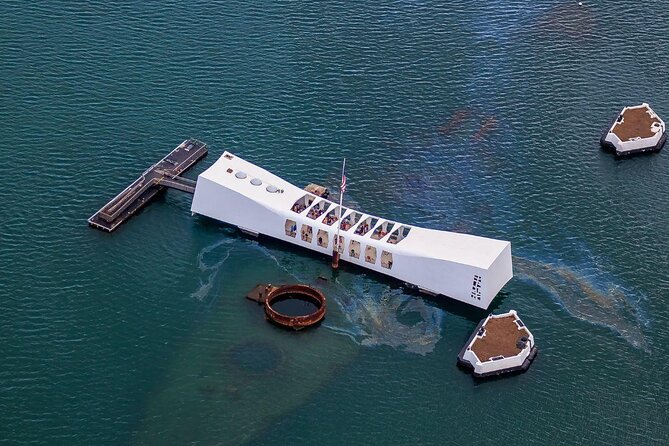
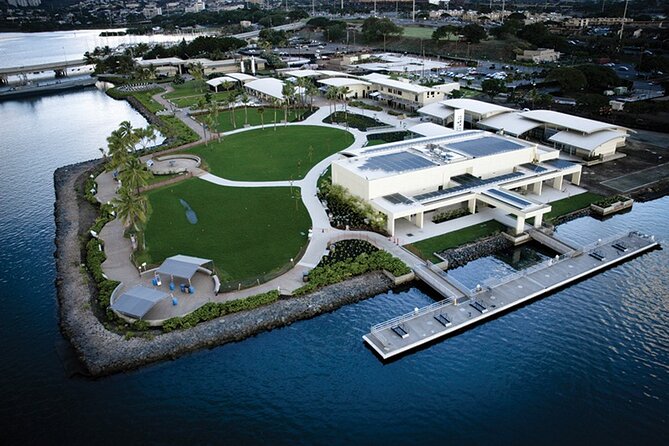
Before you even reach the boat, the tour gets you ready. You’ll be escorted to the visitor’s center and given directions by your guide, plus an in-person briefing that frames what you’re about to see. That’s one of the reasons this style of tour tends to land better than a grab-your-own-ticket plan.
At the visitor center, you’ll hit exhibit galleries called Road to War and Attack. These are short, focused ways to understand what led up to December 7, and how the attack unfolded. Even if you think you already know the basics, the layout helps your brain organize the timeline before you’re asked to absorb the memorial itself.
There’s also a short film that helps set the emotional stage. In many days, you’ll watch it before boarding the boat. On some days, timing and crowds can compress the flow, so if you’re sensitive to tight schedules, keep your expectations flexible.
The USS Arizona Memorial Boat Ride: Included, Moving, and Weather-Dependent
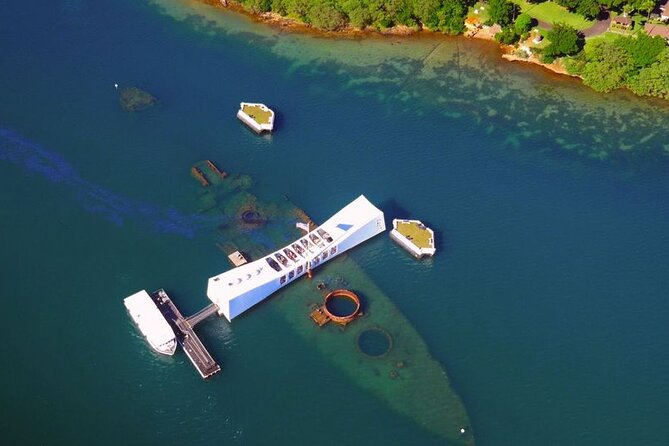
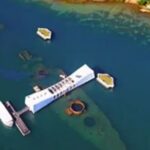
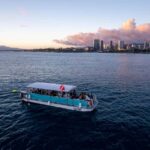
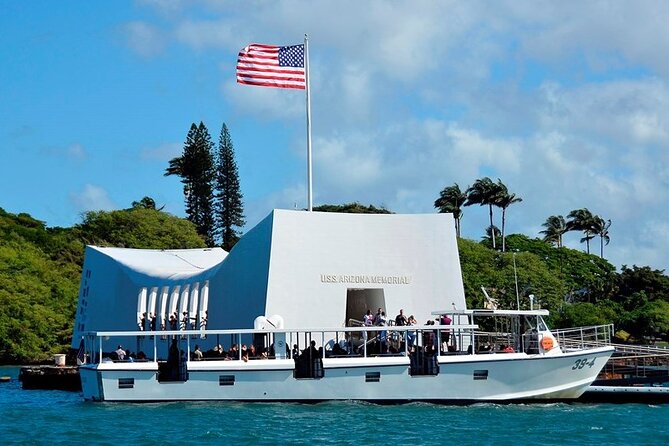
The boat ride to the USS Arizona Memorial is a core part of the experience and is included. This is where the day shifts from museum learning to a living memorial moment. You’ll see the USS Arizona Memorial area from the water, and that perspective changes how the exhibits land.
Now the part I’d take seriously before you book: weather. The operation is safety-driven, and the boat ride may not dock at the memorial if conditions are unsafe. That shows up in feedback as missed docking when it’s windy, and it can also affect whether you have time for the film before boarding.
If the National Park Service or the Navy cancel the boat ride because of mechanical issues, dangerous weather, or other safety concerns, the tour may be impacted. The provider notes that tours are non-refundable in those scenarios. So your best planning strategy is to treat the boat ride as essential—but not 100% guaranteed to land you on the memorial structure during bad weather.
Still, even when the day is impacted, having context from the briefing and exhibits usually makes the experience feel more coherent rather than like a wasted stop.
How to Act at a Memorial (And Why Your Guide Will Mention Etiquette)
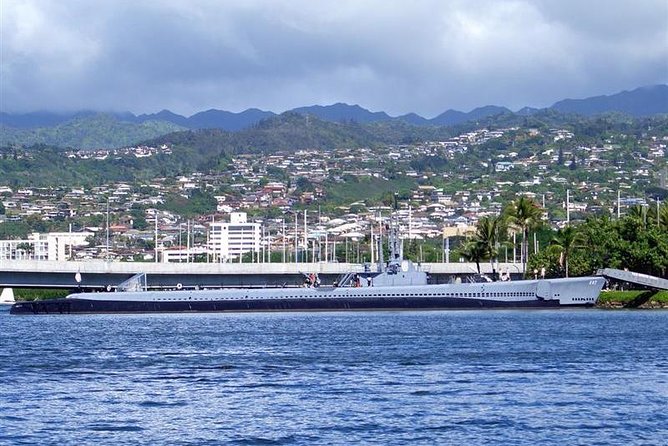
Pearl Harbor isn’t a theme park. It’s a memorial and cemetery, and your guide will reinforce how to behave respectfully. That includes being alert, following staff instructions, and keeping the memorial space in mind—no big talking, no turning it into a photo frenzy.
What I like about having a guide here is that you’re not left guessing. You get reminders about where to look and how to handle the moment with the right energy. Guides described as entertaining (like Finny/Phinny, Jeff, Ian, and Art in different reports) can still deliver that serious information without making it feel stiff. It’s a useful mix.
If you tend to get chatty during group tours, consider that Pearl Harbor is one of those places where the right volume is part of the respect. You’ll feel it in the tone of the space.


Punchbowl Crater: A Second Memorial Stop That Expands the Meaning
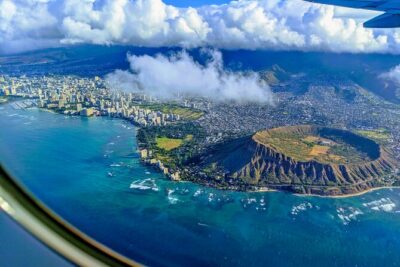
After Pearl Harbor, you head to Punchbowl Crater and the National Memorial Cemetery of the Pacific. The crater is an extinct volcanic tuff cone, and it’s used as a memorial honoring US Armed Forces members and those who gave their lives.
This stop is a real value add because it changes the emotional arc. Pearl Harbor is specifically WWII and that single day of attack history. Punchbowl is broader, more about remembrance and service across many eras. If you leave Pearl Harbor feeling overwhelmed, Punchbowl can either deepen the seriousness or help you process it in a quieter way.
It also tends to feel like a bonus for people who only planned one Pearl Harbor activity for their Oahu day. It’s still guided and still structured, so you’re not left wandering.
Downtown Honolulu Drive: Iolani Palace, Kamehameha, Kawaiahao, Aloha Tower
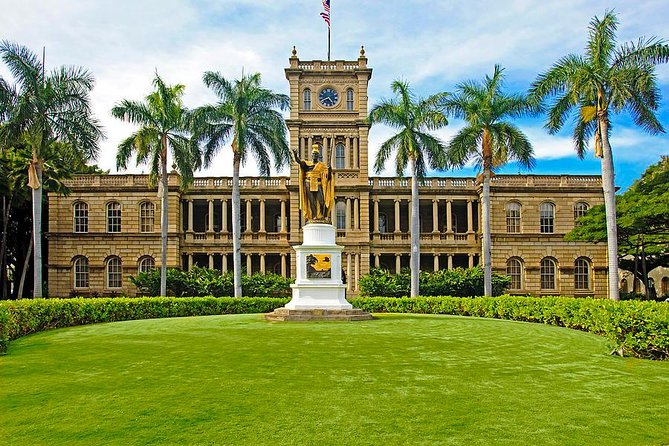
Between memorial stops, you’ll drive through downtown Honolulu and pass several landmarks, including Iolani Palace, a King Kamehameha statue, Kawaiahao Church, and Aloha Tower, with views of Hawaii government buildings like the State Capitol area.
This part is best viewed as an orientation layer. You’re not getting a long walking tour, so don’t expect deep stops. But you do get a guided “you are here” sense of the city’s historic core—handy if you plan to explore after the tour.
It also helps break up the intensity. After the memorials, a scenic drive gives your brain a moment to reset without losing the day’s momentum.
Souvenir Shop Time: How to Make It Work With the No-Bag Rules
There’s a stop at the site’s souvenir shop. It’s for purchases at your own expense, and it’s placed after your core memorial time.
Because no bags are allowed at Pearl Harbor, keep purchases small and manageable. If you buy things there, plan to carry them in a way that doesn’t turn into a hassle later on your afternoon. If your items include breakables, use the shop’s packaging if they offer it—don’t rely on your tote to protect fragile items.
This is also where you can pick up WWII-related books or USS Arizona materials to bring the story home. Even if you only have a short time in the exhibits, a take-home reference can help you remember what you saw.
Price and Value: Why $55 Can Be a Good Use of a Short Oahu Day
At $55 per person, you’re paying for more than a ticket. You’re buying convenience and structure: hotel pickup/dropoff from Waikiki, prebooked admission, an included USS Arizona boat ride ticket, and guided direction at the visitor center.
You’re also buying time discipline. Pearl Harbor is popular and time slots can get messy when you DIY it. Prebooked entry removes that stress and gets you into the rhythm of the experience.
Is it expensive for a single site? It can feel that way if you’re comparing to something like a self-drive and a few museum rooms. But if you’re on Oahu for a limited time, the value swings toward this kind of guided package—especially because it adds Punchbowl and includes transportation throughout.
Bottom line: this price makes sense if you want a guided day that’s designed to keep your schedule tight and your attention focused.
Small Gotchas That Can Change Your Day
Here are the realities you should plan around:
- Wind and lightning matter: If conditions are unsafe, boat docking can be affected.
- Timing can compress: Crowds can shorten windows in the visitor center, including film time.
- Crowd energy is real: You’ll be part of a larger system at a very popular memorial. Your guide can help you move smoothly, but you still share space.
- Bring almost nothing: No bags at Pearl Harbor and no luggage in the vehicle.
- Group cap can be comforting: Max 24 travelers helps, but it’s still a popular day.
If you’re the type who gets stressed by plan changes, give yourself extra patience. This is one of those tours where “the schedule” is partly at the mercy of the sky and the safety team on site.
Who Should Book This (And Who Might Want to Think Twice)
Book this if:
- You want a guided Pearl Harbor day with context before you reach the memorial
- You like WWII history and appreciate structure
- You’re short on time in Honolulu and want Pearl Harbor plus Punchbowl Crater without car logistics
- You’d rather ride in comfort and spend your energy learning and reflecting
You might think twice if:
- You’re relying on perfect weather to hit every step of the memorial experience
- You prefer long self-paced wandering and lots of breathing room (this tour keeps a schedule)
- You hate carrying the kind of lightweight kit needed for no-bag rules
It’s an emotionally powerful tour either way, but weather risk is part of the deal with any USS Arizona boat component.
Should You Book Karma Tour Hawaii’s Pearl Harbor and Punchbowl Trip?
I’d recommend booking if your main goal is a well-run, guided day that tackles the toughest history on Oahu with the right pace. The combination of prebooked entry, a guide-led orientation, and the added Punchbowl stop gives you a lot of meaning per hour.
If you can handle the possibility of a weather-altered boat ride, this is a strong value use of a Honolulu visit day. If you’re traveling in a season or week where storms are likely, pack lightly, plan for flexibility, and don’t build your day around seeing every exact moment in the same order.
Either way, bring respect, stay flexible, and let the place do its job.
FAQ
Where are the pickup and drop-off points?
Pickup happens from designated Waikiki hotel zones, not every hotel. You’ll receive a text or email one day before with your pickup time and location (between 12pm–5pm local time). The tour includes a drop-off back at your original starting point.
How long is the tour?
Plan for about 4 to 5 hours total, including travel time.
Is the USS Arizona Memorial boat ride included?
Yes. The tour includes a ticket for the boat ride to the USS Arizona Memorial. The boat ride can be affected by safety decisions due to weather or other issues.
What should I know about bags and luggage?
Luggage are not permitted in the tour vehicles, and no bags are allowed at Pearl Harbor. Pack light so you don’t lose time at the entrance.
Can I cancel and get a refund?
You can cancel for a full refund if you cancel at least 24 hours before the experience start time. If you cancel within 24 hours, you won’t receive a refund.
Does the tour accommodate wheelchairs or scooters?
Not all vehicles can accommodate wheelchairs or scooters. You should contact the provider right after booking to make arrangements.