REVIEW · HALEIWA
Oahu: Shark Cage Diving Experience
Book on GetYourGuide →Operated by Hawaii Shark Encounters · Bookable on GetYourGuide
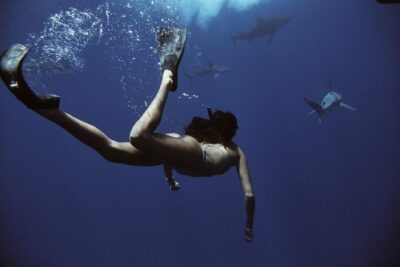
Sharks, up close, in a safety cage. On Oahu’s North Shore, you’ll head about 3 miles offshore and watch Galapagos and sandbar sharks cruise by the plexiglass windows while you stay on the surface with a mask and snorkel. I love that there’s no scuba needed, and I love the way the guide connects shark behavior to Hawaiian mythology. The one real consideration: open-ocean conditions can bring real swell, so if you get seasick, be honest with yourself.
I also like the structure of the day. Before you even reach the cage, you’ll get a safety briefing and an education talk, then the local crew adds context while you’re out there. There’s even a chance to take part in shark research, plus your experience contributes to shark conservation.
Plan it as a 2-hour block that still leaves time for the rest of your day. You’ll meet at the harbor, go out on the boat, and after you’re done you can roll straight into Haleiwa town for shops and sights nearby.
In This Review
- Key things to know before you go
- North Shore timing: what the 2-hour experience actually looks like
- On the boat and in the cage: why you get close without touching
- The sharks you’ll likely see: Galapagos and sandbar in Hawaiian waters
- The guide talk: biology, behavior, and why Hawaii ties it all together
- Seasickness and weather: the real-world challenge of open ocean
- What’s included for $97: the value breakdown
- Gear checklist: pack smart for sun, water, and photos
- Rules that keep things safe (and why you’ll feel more relaxed)
- Who this is best for on Oahu (and who should skip)
- After the sharks: easy Haleiwa town options right by the harbor
- Should you book this Oahu shark cage experience?
- FAQ
- How long is the shark cage experience?
- Where does the tour take place?
- Do I need scuba experience?
- What is included in the price?
- What should I bring?
- Is hotel pickup included?
- What is the meeting point?
- When do I check in?
- What items are not allowed?
Key things to know before you go
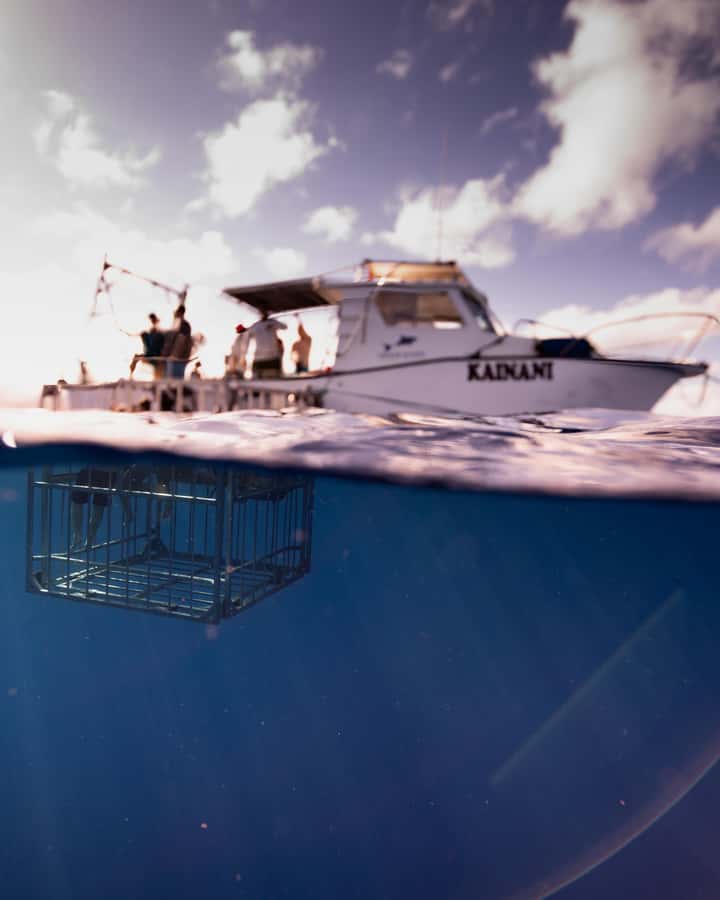
- Plexiglass eye-to-eye time: Sharks approach the windows, so you get a close, calm view from the surface
- No scuba training: Mask and snorkel are the main gear, and you don’t need dive certification
- North Shore, about 3 miles offshore: You’re out in open water where shark sightings are more likely
- Education built in: You’ll hear how sharks behave and why they matter in Hawaii
- Research and conservation support: You may help with ongoing projects, and your ticket supports the mission
North Shore timing: what the 2-hour experience actually looks like
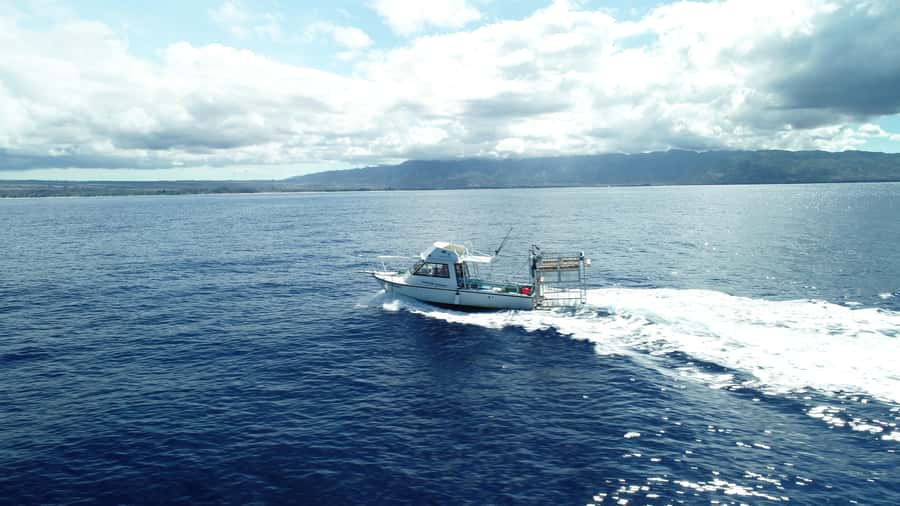
This is a short, focused outing, and that’s part of the value. You’ll meet your crew at the harbor, get checked in, and then spend the bulk of your time on the water and in the cage set-up. The full activity runs about 2 hours, which makes it easier to fit into an Oahu day without eating your whole schedule.
Check-in happens 30 minutes before your start time, so build in enough buffer to park, find the right spot, and get into swimwear. You’ll also do a safety briefing and an education talk before heading out, which helps you feel oriented instead of just waiting for the “shark moment.”
Once underway, the boat heads roughly 3 miles offshore into open ocean. That ride matters because it sets expectations: you’re not staying in a calm, protected bay. If the water is active, you’ll feel it—this is exactly why the activity lists “prone to seasickness” as a not-great fit.
You can also read our reviews of more tours and experiences in Haleiwa.
On the boat and in the cage: why you get close without touching
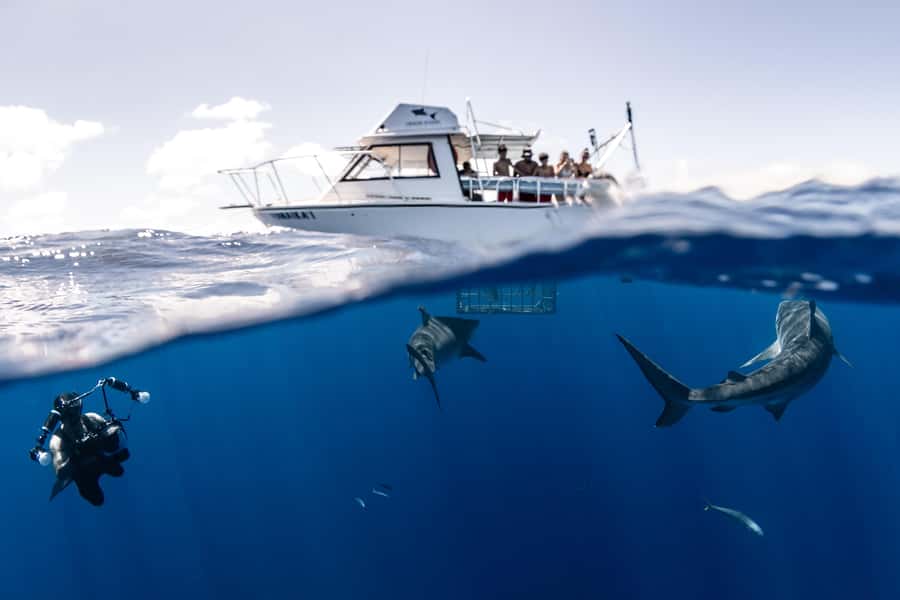
The encounter works because you’re positioned safely behind large plexiglass windows. You’re not scrambling in the water or trying to chase animals. Instead, the cage is floating and stable enough that you can watch sharks glide in their natural space from above and through the glass.
You stay on the surface with a mask and snorkel, which keeps the experience approachable. No scuba experience is required, and the included snorkel equipment is there so you’re not hunting for gear right before you go. The goal isn’t athletic performance; it’s eye-to-eye viewing with a clear barrier between you and the sea.
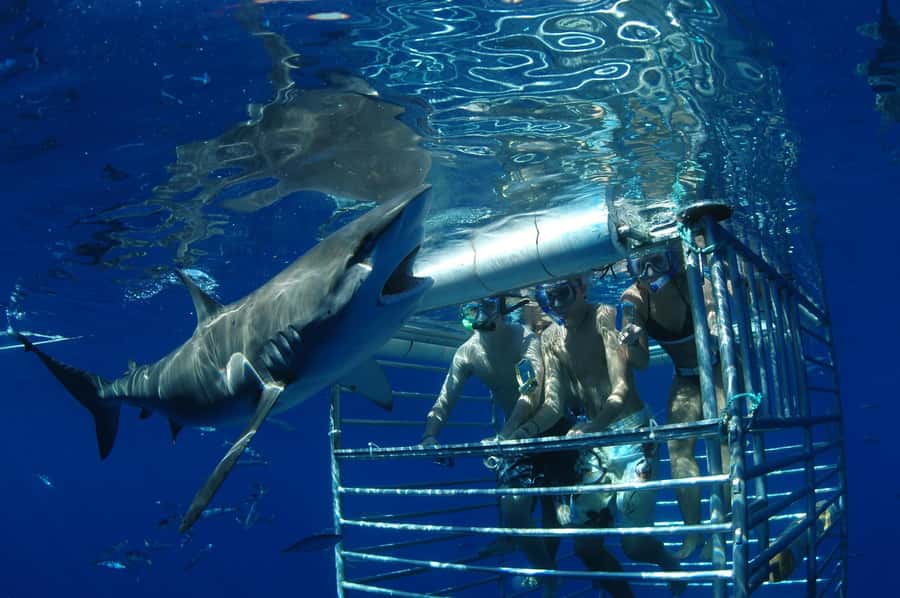
Here’s what makes the moment feel special: sharks are curious. In many sightings, they approach the window closely, so the view can feel immediate—like the animal is checking you out. You still need to follow the rules (no touching marine life), but the whole setup is designed to let you look carefully and enjoy the moment without risk.
The sharks you’ll likely see: Galapagos and sandbar in Hawaiian waters
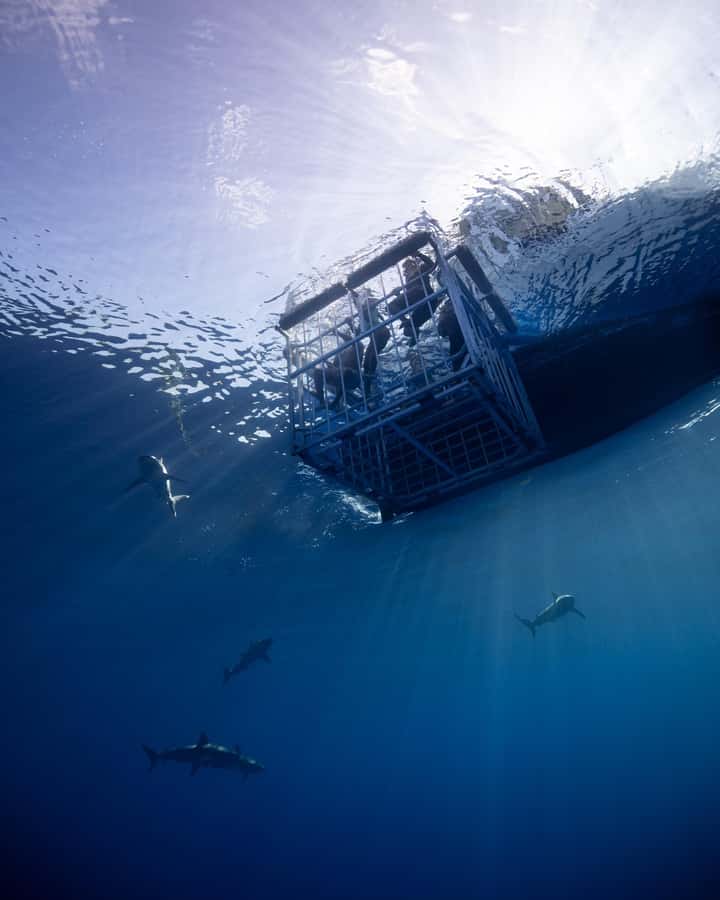
This experience specifically highlights Galapagos sharks and sandbar sharks. Seeing the right species makes a big difference because it shapes what the guide teaches you. Instead of vague “there might be sharks,” the day is framed around likely animals and how they behave.
Galapagos and sandbar sharks tend to be long-term residents in the ecosystem you’re visiting, not quick flashes. That’s helpful for your viewing because it increases your odds of multiple passes rather than one brief sighting. Even with wildlife, timing is never guaranteed, but the structure of watching from a fixed position increases your chances.
It also helps you see the animals as animals. The guide explains behavior and biology so you can interpret what you’re watching—how they move, why they might come near the glass, and what to look for in their cruising patterns. It’s the difference between spotting a shadow and understanding a living creature.
The guide talk: biology, behavior, and why Hawaii ties it all together
One of the strongest parts of this outing is that it’s not just a thrill ride. You get a safety briefing and shark education talk, and the content connects sharks to Hawaiian culture and mythology.
That cultural piece matters because sharks aren’t treated as generic “danger” creatures in Hawaii. You’ll hear about the importance of sharks in Hawaiian stories and beliefs, which gives context to why conservation is taken seriously in the islands. It also changes your mindset while you’re watching—suddenly you’re not just hoping for a close-up, you’re understanding the role sharks play in the place you’re visiting.
The guide also explains shark biology and behavior in a way that fits the setting. You learn what’s happening, then you look for it while the animals move in front of you. When the education and the viewing line up, the whole experience clicks.
There’s also an element of ongoing shark research. You may have an opportunity to participate in shark research as part of the program. Even if you’re not doing hands-on science, being in an experience that supports research shifts the value from entertainment-only to contribution.
Seasickness and weather: the real-world challenge of open ocean
I can’t ignore this part because it shows up in real-world feedback patterns for this kind of tour. You’re going out into open ocean, and conditions can get rough. The activity is subject to weather conditions and may be rescheduled, and the boat ride can bring noticeable wave motion.
If you’re the type who gets queasy in a moving car or ferry, plan for the worst and bring what you need. The tour info flags people prone to seasickness as not suitable, which is a clear signal that the experience isn’t designed for folks who get knocked around easily.
Also, be flexible with expectations. When weather is bad, the program may be rescheduled or canceled. That’s not a “gotcha”; it’s part of doing ocean wildlife safely. If you’re booking a tight schedule, keep at least one buffer day in your mind so you’re not stuck.

What’s included for $97: the value breakdown
At $97 per person for about 2 hours, the value isn’t just “pay to see sharks.” You’re paying for three things that can be hard to assemble on your own: safe access to a shark-rich viewing setup, guided education, and conservation support.
Included elements that raise the value:
- A 2-hour shark cage experience
- Safety briefing and shark education talk
- Use of snorkel equipment
- Local crew with local knowledge
- Opportunity to participate in shark research
- Contribution to shark conservation
What’s not included matters too. You’ll need to handle food and drinks on your own, and there’s no hotel pickup and drop-off. That means you should plan to get yourself to the harbor and then eat afterward. If you’re staying near Haleiwa, it’s usually straightforward to organize.
The “no scuba” angle is also a value piece. Scuba trips tend to add training, extra gear, and more time. Here, the experience is built around surface snorkeling, which keeps it efficient and accessible.
Gear checklist: pack smart for sun, water, and photos
Bring the basics listed for comfort and safety: hat, swimwear, towel, camera, sunscreen, and water. Oahu sun can be intense, and you’ll be outside for the boat ride plus time near the cage. Sunscreen and a hat aren’t optional-feeling; they’re practical.
You should also think about camera habits. Flash photography is not allowed, and touching marine life isn’t allowed. So, if you’re a photographer, plan for normal lighting and steady shooting rather than flashy attempts.
Also, you’ll want your towel ready for after. The tour ends with you returning to shore, and having a towel makes the whole transition easier. It’s a small thing, but it changes how comfortable you feel when you’re done.
Rules that keep things safe (and why you’ll feel more relaxed)
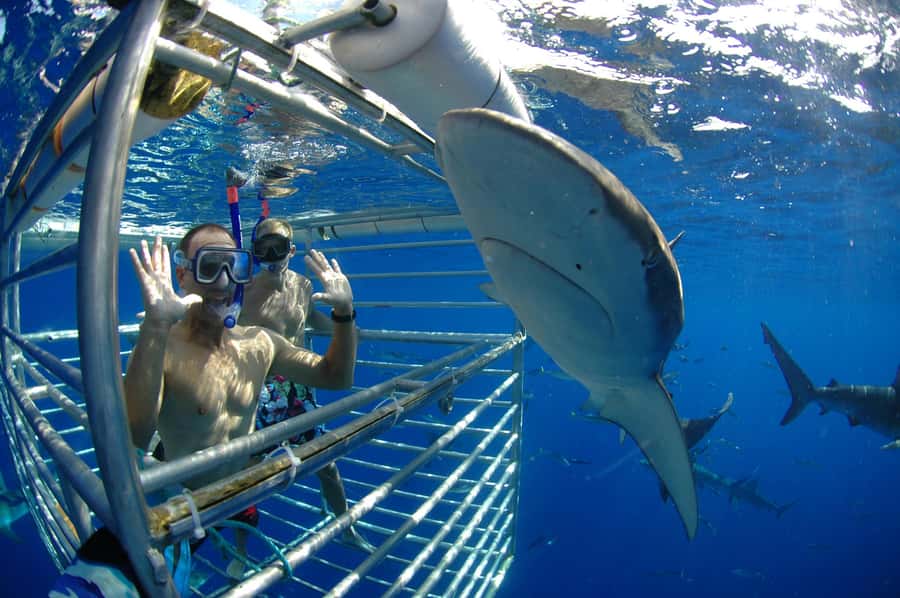
This experience has a clear set of do’s and don’ts. For example: pets are not allowed, and assistance dogs are the only exception listed. Smoking and vaping are not allowed, and flash photography is not allowed. Most importantly, you can’t touch marine life.
These rules matter because they protect both you and the animals. Not touching marine life keeps the encounter natural and safe. No flash photography helps reduce stress and disruption around wildlife. And no smoking/vaping keeps the boat and shared spaces more comfortable—especially on a day spent close to the water.
You’ll also want to avoid feeding animals and keep within the designated areas. The tour is built for viewing, not interaction, and that’s a good thing.
Who this is best for on Oahu (and who should skip)
You’ll want to be comfortable in the water. The activity is set up for surface snorkeling with a mask and snorkel, and the cage is part of the viewing system.
It’s not suitable for several groups listed:
- Children under 5 years (the info lists cutoffs under 2, 3, 4, and 5)
- People with back problems
- People over the weight limits listed around 331–350 lbs (150–159 kg), so if you’re close, double-check before booking
- People prone to seasickness
- Wheelchair users
- People who can’t manage the physical demands of open-water movement and water comfort
Think of it this way: this is a wildlife viewing experience built for people who can handle the ocean and follow a tight safety setup. If that’s you, you’ll likely enjoy it a lot.
If you’re unsure, lean on honesty. It’s better to choose a calmer Oahu activity than to spend two hours fighting nausea or discomfort.
After the sharks: easy Haleiwa town options right by the harbor
Once you’re done, you can stay in the area. The harbor is close to shops and attractions in Haleiwa town, so it’s a nice finish point.
This matters because it keeps the day from feeling like a one-and-done mission. You can grab food, browse local stores, and keep exploring Oahu’s North Shore vibe while you’re still in the area.
If you’re planning a full itinerary, Haleiwa is a convenient landing spot: you’ve already done the ocean portion, so the rest of your day can be flexible and easy.
Should you book this Oahu shark cage experience?
Book it if you want a shark encounter that’s safe, time-efficient, and guided. I like how this experience blends close viewing with education and conservation, not just adrenaline. If you enjoy learning while you watch wildlife—especially when the talk connects to Hawaiian mythology and shark research—you’ll get more out of the hour than you would from a simple sightseeing trip.
Skip it (or at least reconsider) if you know seasickness can hit you hard. The ocean ride is part of the reality here, and the info clearly warns people who are prone to it. Also, if you have mobility or back issues, review the suitability details carefully.
If your schedule allows and you’re a strong swimmer comfortable on the surface with a snorkel, this is a solid North Shore activity that turns sharks into something you understand, not just fear.
FAQ
How long is the shark cage experience?
The duration is 2 hours.
Where does the tour take place?
It runs off the North Shore of Oahu, with the tour operating from the harbor near Haleiwa town.
Do I need scuba experience?
No scuba experience is required. You use a mask and snorkel and stay on the surface.
What is included in the price?
Included are the 2-hour experience, safety briefing and shark education talk, a local crew, snorkel equipment, an opportunity to participate in shark research, and a contribution to shark conservation.
What should I bring?
Bring a hat, swimwear, a towel, a camera, sunscreen, and water.
Is hotel pickup included?
No. Hotel pickup and drop-off are not included.
What is the meeting point?
The meeting point may vary depending on the option you booked.
When do I check in?
Check in is 30 minutes before the tour start time.
What items are not allowed?
Flash photography and touching marine life are not allowed. Smoking/vaping is also not allowed, and pets are not allowed (assistance dogs are allowed).