REVIEW · CRUISES & BOAT TOURS
Oahu: Whale Watching Cruise Whales Guaranteed
Book on GetYourGuide →Operated by Living Ocean Tours · Bookable on GetYourGuide
Sunset plus whales is hard to beat. This Oahu cruise takes you right offshore for Waikiki Beach and Diamond Head views while your captain and guide work the waters for migrating humpbacks. I like the way the cruise blends scenery with real whale-and-reef education, and I also like that the crew helps people get good photos as the light turns golden.
The only real catch: whale sightings aren’t 100% guaranteed, even though they’re common in season. If you come up empty, you’ll have a free return trip option, but it still means more time on the water.
In This Review
- Key highlights at a glance
- Why this Oahu sunset cruise feels like a front-row nature show
- Where you go: Waikiki and Diamond Head waters
- The double-decker boat: better angles, faster spotting
- What 90 minutes feels like on the water
- What you’ll likely see: humpbacks, plus dolphins in the mix
- The crew and captain: why the hunt feels serious
- Price and value: what $56 buys you (and what it doesn’t)
- Who should book this and who should skip it
- Practical tips so you spot more and stress less
- Should you book the Oahu whale watching cruise with whales guaranteed?
- FAQ
- How long is the whale watching cruise?
- Where do I meet for the tour?
- What’s included in the ticket price?
- Are humpback whale sightings guaranteed?
- When is the best time to go?
- Does the cruise run every day?
- Can I buy snacks or drinks onboard?
- Who shouldn’t take this cruise?
Key highlights at a glance
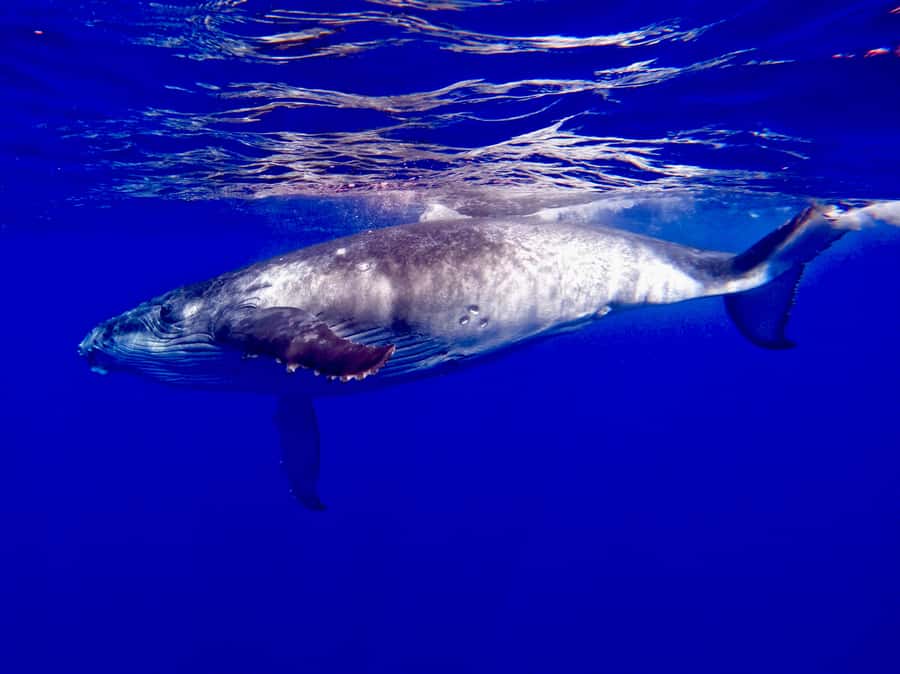
- Humpback season timing (Jan–Apr) when whales migrate to mate and give birth
- Double-decker power boat with strong sightlines for spotting from different angles
- Waikiki and Diamond Head from the sea, best enjoyed in afternoon and at sunset
- Live narration on whale behavior and marine ecology, not just idle spotting
- Crew focused on finding whales, with photo help when the light is perfect
Why this Oahu sunset cruise feels like a front-row nature show
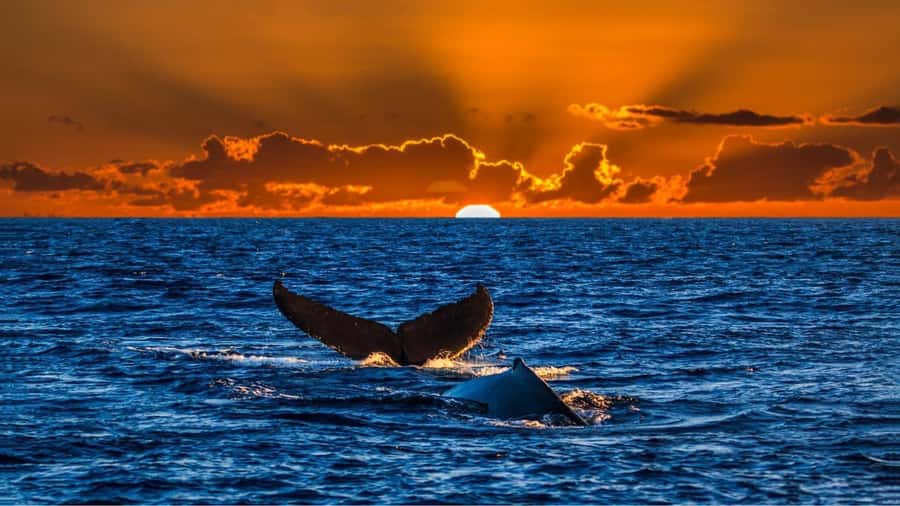
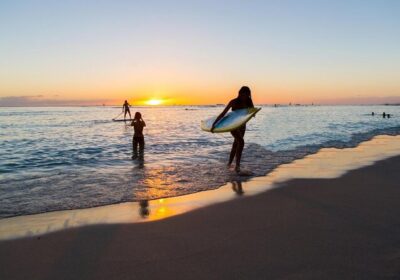
I’m a sucker for water views in Hawaii, but this cruise adds something better than scenery: you’re out at exactly the time the island looks its most cinematic. Afternoon and sunset are when the light goes warm, and that’s when the ocean turns into a stage. You’re also right in the zone where humpbacks come through during the migratory window, so your chances aren’t just good on paper—they’re helped by being in the right area when whales are active.
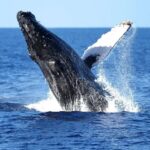
Two parts of the experience land hardest for me. First, you get classic Oahu landmarks—Waikiki Beach and Diamond Head—framed from the water, not from a crowded viewpoint. Second, the cruise runs with live commentary that connects what you’re seeing (breaches, tail slaps, and other behavior) to what it means in the whales’ world. It makes the spotting feel less like luck and more like you’re actually reading the ocean.
You can also read our reviews of more boat tours in Honolulu



Where you go: Waikiki and Diamond Head waters
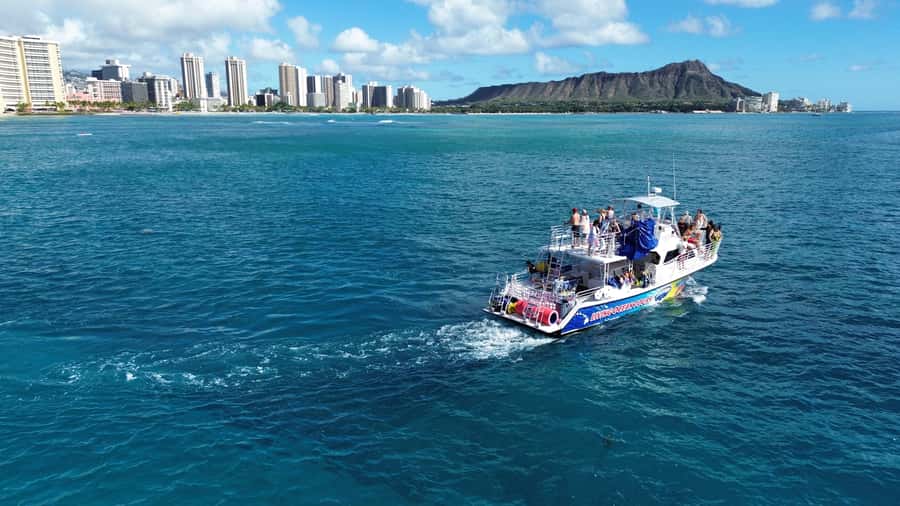
This cruise starts at Living Ocean Tours and heads into the marine area where humpbacks are most likely during their migration. The time is split between two standout viewing stretches, so you’re not just circling one spot and hoping.
Waikiki Beach stretch: you’ll spend about 45 minutes watching for whales from offshore with the Waikiki skyline in the background. This is the part that feels most like a postcard—until the ocean wakes up. When whales surface close to the boat, the moment stops being “background entertainment” and turns into the main event.
Diamond Head stretch: then it’s about 45 minutes near the Diamond Head lighthouse area. The coastline here has a sharper, more dramatic look, especially with sunset light. If the whales are moving, this second stretch can be where things click—some cruises see action early, while others find the good stuff later.
One practical note: your exact viewing can shift with the ocean and whale movement. That’s why the captain’s whale-finding experience matters so much on this kind of trip. Even with all the right timing, the ocean decides when the show happens.
The double-decker boat: better angles, faster spotting
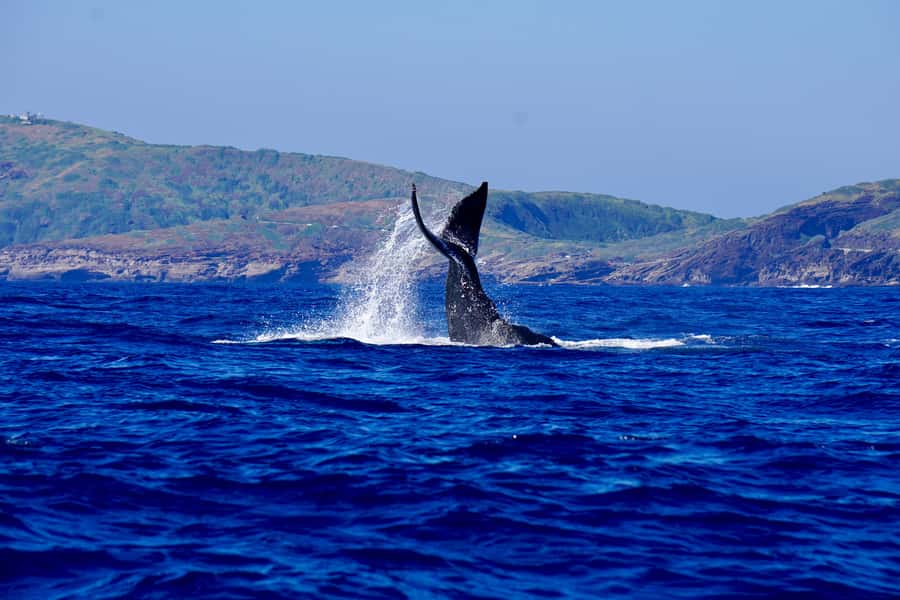
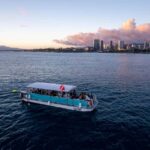
This is a double-decker power boat, and that design is more useful than it sounds. When you have two levels, you naturally get more options for spotting—whether it’s someone high up scanning for a distant spout or a person closer to the rail getting a direct line of sight.
There’s also a bar area with snacks and drinks available for purchase. At the same time, the cruise includes light snacks plus sodas/juices/water, so you’re not starting the trip hungry or thirsty. Since alcohol is listed as not allowed, treat the bar as a snack-and-non-alcohol option, and plan on hydrating throughout.
Comfort-wise, keep your personal limits in mind. If you’re prone to seasickness, you’ll want to be careful here, because it’s a boat on open water and the cruise isn’t described as an easy, slow float.
What 90 minutes feels like on the water
The ride is about 90 minutes, running daily (with the humpback season emphasis in the Jan–Apr window). The pacing is built around active searching. You’re not just sitting there—your captain is working, and your guide is pointing out what to look for, so it feels more like a guided hunt than a passive cruise.
A lot of the payoff comes in the “moments”:
- the first time you catch a spout far out
- the instant everyone leans in because you see movement that looks like a breach coming
- the final stretch, when sunset light makes everything feel extra cinematic
Some departures start with whales quickly. Others take longer, then deliver on the last chunk of the ride. That variability is normal in wildlife viewing, but the structure of two main viewing stretches helps you stay optimistic instead of stuck watching only one area.
What you’ll likely see: humpbacks, plus dolphins in the mix
During January through April, humpbacks migrate to Hawaii to mate and give birth. That seasonal rhythm matters because you’re not just chasing a random sighting—you’re aligning your timing with the whales’ calendar.
When whales do show up, the goal is to look for behavior, not just a quick surface:
- breaches (they rise high, then splash back down)
- tail slaps (a loud reminder they’re out there, even if you don’t see much else)
- playful interactions (whales can do social stuff that looks like games)
You might also see dolphins. On some outings, spinner dolphins and other dolphin sightings show up alongside whale activity. That’s great when it happens because it keeps the ocean feeling alive even before the humpbacks arrive.
If you want a simple “how to watch” tip: don’t stare only for the closest spot. Scan wider, then re-check where the guide directs attention. Whale spotting often improves when you switch from tunnel vision to a slow sweep.
You can also read our reviews of more whale watching tours in Honolulu
The crew and captain: why the hunt feels serious
This is where the cruise earns its high satisfaction scores. The consistent theme is that the captains and crew put effort into finding whales and keep the atmosphere positive while they’re searching.
You’ll often hear real praise tied to specific roles:
- Captains like Kevin, Jason, and Shawn are mentioned for staying focused on spotting
- crew members such as Tanner, Missy, Haley, and Taylor show up in accounts for friendliness and helping people with the experience
- photo help is a standout detail, especially around sunset when everyone wants that “where the light hits the ocean” shot
What I like about this setup is that it’s not just someone calling out whales. The guide talks about whale behavior and marine ecology while you look, so you’re learning as you go. That turns a “sighting” into a story you understand.
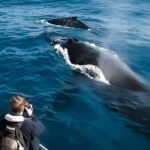
On the water, good whale spotting also means knowing when to move closer and when to wait. Some sightings feel like they come right up near the boat, which is thrilling—but it only happens when the captain makes smart positioning choices.
Price and value: what $56 buys you (and what it doesn’t)
At $56 per person for about 90 minutes, this sits in the “worth it if you’re serious about whales” category rather than the “cheap thrill” category. Here’s the value math I see:
You get:
- a double-decker boat experience with active searching
- live guide commentary
- light snacks plus non-alcoholic drinks
- the chance to see humpbacks in a prime migration window
You don’t get:
- hotel pickup/drop-off
- a full meal (light snacks only)
And the big value lever is the situation plan: whales are common, but not guaranteed. If you don’t spot any, the operator offers a free return trip. That matters because it reduces the risk of paying for the wrong day during a whale calendar window.
So if you’re short on time, you may choose a different day and accept the normal wildlife randomness. If you can spare the backup plan, this tour becomes a better bet.
Who should book this and who should skip it
This cruise fits best if you:
- want a classic Oahu experience that mixes landmarks and wildlife
- enjoy guided nature talk and want your whale spotting to feel structured
- are going during Jan–Apr when humpbacks migrate through
It’s not suitable for:
- children under 3
- pregnant women
- people with back problems
- anyone prone to seasickness
That last one is important. Even if you think you’re fine, remember you’re on open water and the activity is active. If you’ve had motion sensitivity before, plan accordingly.
Practical tips so you spot more and stress less
Bring simple stuff and you’ll enjoy the cruise more:
- sunglasses (glare on water is real)
- hat (sun can be strong even when it looks calm)
- camera (and make sure it’s ready to go quickly)
- sunscreen (reapply if you’re out in the sun longer than you expect)
Also, plan to follow the onboard rules: smoking and alcohol/drugs are listed as not allowed.
For best viewing, aim for afternoon or sunset departures. That’s when the views of Waikiki Beach and Diamond Head look their best, and it’s when the cruise is designed to shine.
And one small tactic that pays off: don’t wait for the whale to be obvious. Watch the water for the guide’s cues, and be ready to snap photos the moment you see behavior—not the moment after.
Should you book the Oahu whale watching cruise with whales guaranteed?
Book it if you want a high-likelihood whale experience during humpback season and you like the idea of combining real marine education with sunset views. The double-decker setup, active searching, and the crew’s attention to finding whales make this more than a casual boat ride.
Don’t book it if you:
- can’t handle motion and get seasick easily
- need hotel pickup or a meal included
- are visiting at a time when humpbacks aren’t in the seasonal migration window
If you decide to go, choose an afternoon or sunset slot and bring the basics (sun protection and camera). And keep an open mind: wildlife can be unpredictable, but the cruise structure and free return option mean you’re not just taking a leap.
FAQ
How long is the whale watching cruise?
The cruise lasts about 90 minutes.
Where do I meet for the tour?
Meet at Pier B in Kewalo Basin Boat Harbor.
What’s included in the ticket price?
You get access to the double-decker power boat, live guide commentary, and light snacks plus sodas/juices and water. Hotel pickup and drop-off and meals are not included.
Are humpback whale sightings guaranteed?
Whale sightings are common, but they’re not guaranteed. If there are no sightings, you’ll be offered a free return trip.
When is the best time to go?
Afternoon and sunset are listed as the best times to be out on the water.
Does the cruise run every day?
It departs daily, and the timing aligns with humpback whale migration season (January to April).
Can I buy snacks or drinks onboard?
A bar is available with snacks and drinks for purchase, and light snacks and non-alcoholic drinks are also included.
Who shouldn’t take this cruise?
It’s not suitable for children under 3, pregnant women, people with back problems, or people prone to seasickness.