REVIEW · DOLE PLANTATION TOURS
Pearl Harbor, Dole Plantation, Polynesian Center from Waikiki
Book on Viator →Operated by Hawaii Island Experiences, LLC · Bookable on Viator
A single day to hit Oahu’s big moments. This tour strings together Pearl Harbor, Dole Plantation, and the Polynesian Cultural Center with admission tickets handled for you. I like that you get a car-free way to cover a lot of ground, and I really like the small-group setup (max 15) that keeps things from feeling like a cattle call.
The main thing to consider is the pace. It’s a long day, so you’ll spend limited time at each stop (especially Dole), and you should plan to manage your expectations around timing.
In This Review
- Key Points at a Glance
- Pearl Harbor Gets Its Own Slow Moment (And Why That Matters)
- Getting Around Without a Car: Where This Tour Shines
- Dole Plantation: Short Stop, Big Flavor Payoff
- Koolau Mountain Views and South Oahu Shoreline Stops
- Polynesian Cultural Center: The Biggest Cultural Block
- Kualoa Regional Park and Chinaman’s Hat (Mokoli’i)
- Price and Value: What $199.99 Really Buys
- Timing, Comfort, and the Real-Life Pace You Should Expect
- Guides Make the Difference: Names I Noticed in the Mix
- Who This Tour Is For (and Who Should Rethink It)
- Should You Book This Pearl Harbor, Dole, and Polynesian Cultural Center Day?
- FAQ
- How long is this tour?
- What time does the tour start, and how does pickup work?
- Is hotel pickup included?
- Are admission tickets included?
- Is breakfast or lunch included?
- Are purses or bags allowed at the Polynesian Cultural Center?
- How large is the group?
- What language is the tour offered in?
- What if the tour can’t operate due to weather or minimum travelers?
Key Points at a Glance
- Car-free Honolulu highlight day from Waikiki with air-conditioned transport and pickup included
- Admission tickets included for Pearl Harbor Historic Sites and the Polynesian Cultural Center, plus Dole Plantation
- Pearl Harbor isn’t rushed with exhibits, a short documentary, and the memorial boat ride
- Dole is a focused visit for pineapple treats, souvenirs, and a quick look at Rainbow Eucalyptus
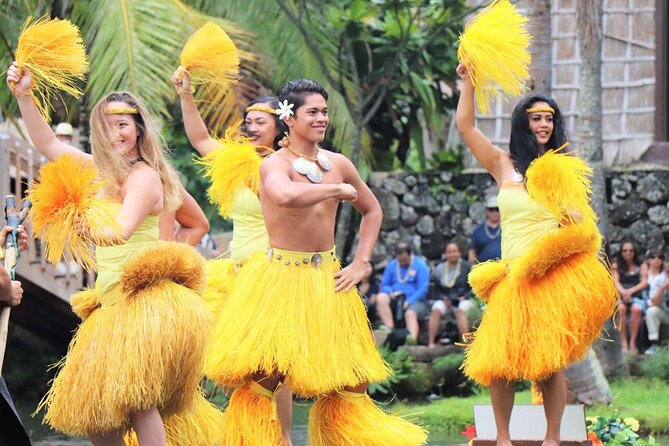
- Polynesian Cultural Center is the biggest “time block” with villages, canoe action, and a cultural show
- Kualoa Regional Park adds iconic views of Chinaman’s Hat (Mokoli’i) and the coastline
Pearl Harbor Gets Its Own Slow Moment (And Why That Matters)
Start your day with Pearl Harbor, and do it early. The timing helps you get into the right mindset before the crowds and before your brain is fried from the bus schedule.
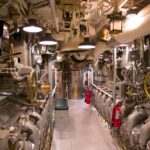
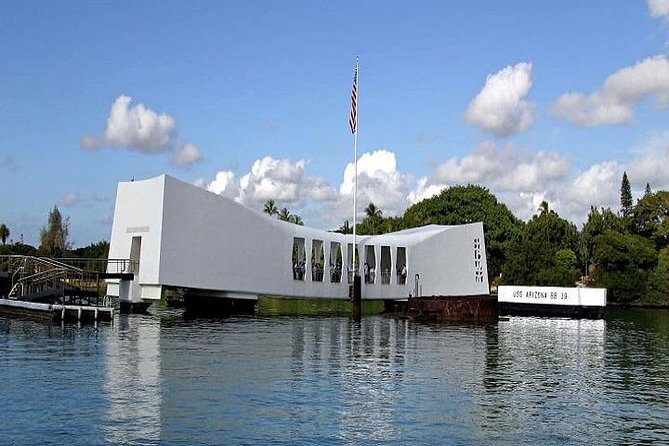
At the Pearl Harbor Historic Sites Visitor Center, you’ll work through exhibits that cover the events leading up to December 7, 1941. Then you’ll watch a 23-minute documentary focused on the attack’s impact and the USS Arizona Memorial. The documentary isn’t just background—it helps you understand what you’re seeing when you arrive at the memorial.
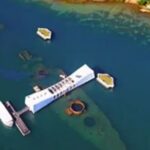
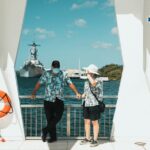
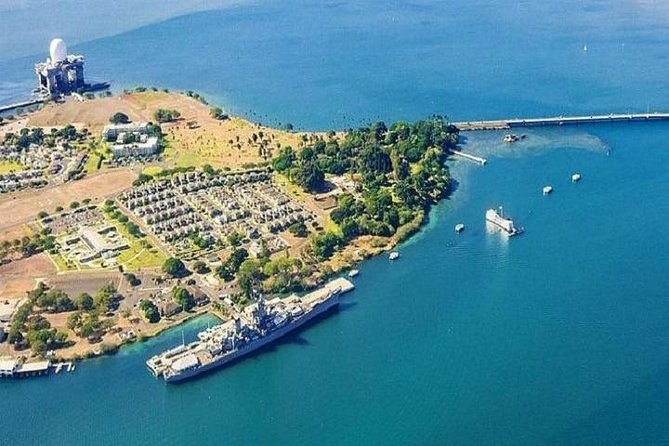
From there, you board a short boat ride (about 10 minutes) out to the USS Arizona Memorial. Even though it’s brief, it’s a key part of the experience because you’re not just walking through a museum. You’re getting direct visual context around the memorial area and the surrounding military sites.
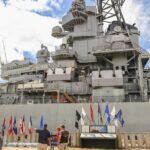
When you finally reach the open-air memorial itself, you’ll see the sunken battleship and the oil droplets known as The Tears of the Arizona. You’ll also have time at the Remembrance Wall, where the names of 1,177 fallen crew members are listed. This is the stop that can quietly steal the air out of the room—so bring your full attention, not just your phone battery.
You can also read our reviews of more tours and experiences in Honolulu.

Getting Around Without a Car: Where This Tour Shines

If you’re staying in Waikiki, this is one of the easiest ways to pull off a “greatest hits” day without renting a car or piecing together rides.
You get air-conditioned vehicle transport and pickup/drop-off in the Waikiki area included. Also, the group size cap (max 15) tends to make a difference. Fewer people means fewer delays when you’re boarding, unloading, and meeting back up.
One practical note: pickup isn’t for every single hotel. The tour has pickup points close to most hotels, but not all properties. Your pickup time can be up to 1 hour earlier than the start time listed—so plan your morning like you’re catching a flight, not a casual brunch.
And yes, this day involves real sitting time on the bus. If you run hot easily, consider how you’ll handle long transport stretches, especially later in the day.
Dole Plantation: Short Stop, Big Flavor Payoff
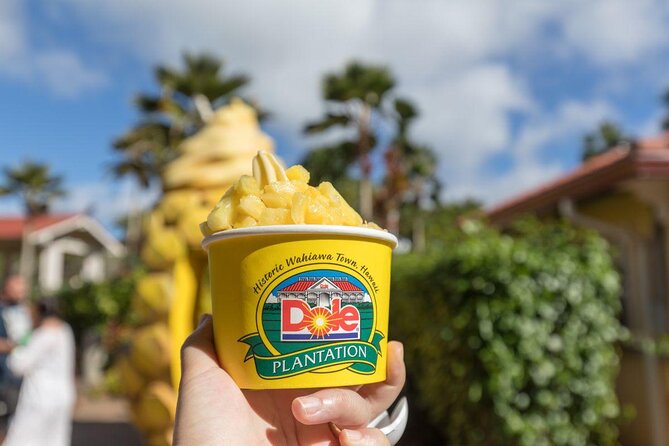
Dole Plantation works best as a stop that’s about sampling and browsing, not sightseeing at museum-speed.
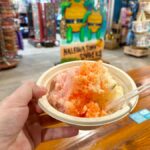
You’ll spend about an hour there. That hour is built around three things: the Dole Plantation Store area (pineapple souvenirs, local crafts, specialty foods like jams and dried fruit), the chance to try a Dole Whip, and a short walk to see the Rainbow Eucalyptus trees—the ones with colorful, multi-hued bark that look like they’ve been painted by someone with a sense of humor.
The tradeoff is timing. You do get enough time to grab snacks and souvenirs, and you can do the quick nature walk, but you won’t have hours to explore every nook and cranny. Some people want more time at Dole, and if you’re the type who hates being rushed at theme-agriculture hybrid sites, this is the moment to watch the clock.
Still, if your goal is to say yes to the classics—the pineapple ice cream, the souvenirs, and the quick photo walk—this stop delivers.
Koolau Mountain Views and South Oahu Shoreline Stops
After Dole, you get the scenic payoff: Koolau Mountains valley and cliff scenery, plus coastal looks around South Oahu.
You’ll pass through areas with major lookout moments such as Nuuanu Pali Lookout and Makapuu Point, along with a view stop connected to Hanauma Bay. This is the part of the day where the bus ride turns into sightseeing, and you start to feel why Oahu keeps showing up on everyone’s travel bucket list.
These viewpoint moments are powerful because they show you scale—mountains rising fast, coastline dropping away, and the way the island funnels wind and weather through different valleys. They’re also easier than doing it solo, because you’re not trying to navigate parking, signage, and traffic patterns after already starting at 7:00 am.
The only downside is that these are drive-by or short lookout moments, not a long hike. If you want legs-on-ground walking time with a guide, you’ll likely want to add a separate nature-focused tour later.
Polynesian Cultural Center: The Biggest Cultural Block
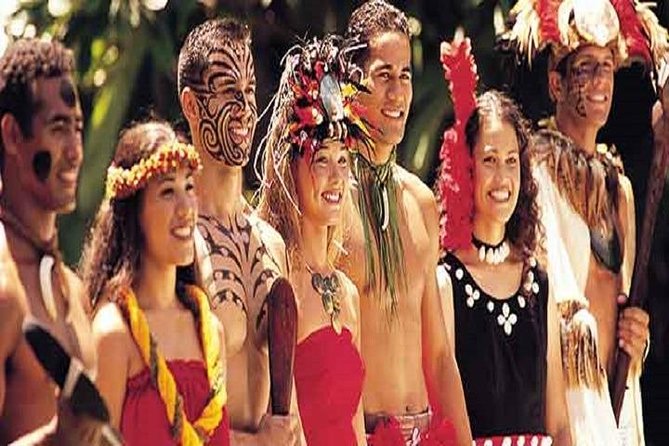
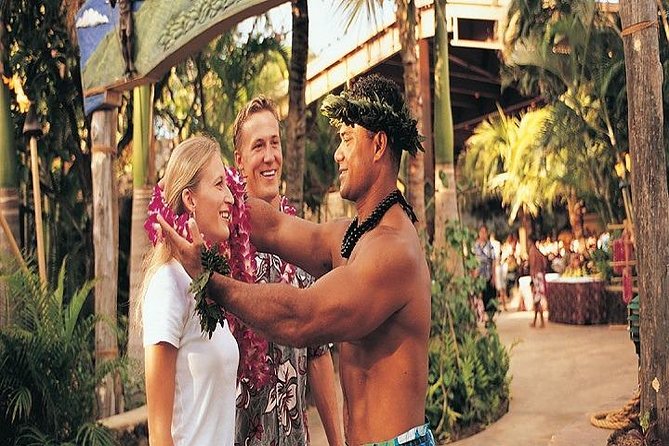
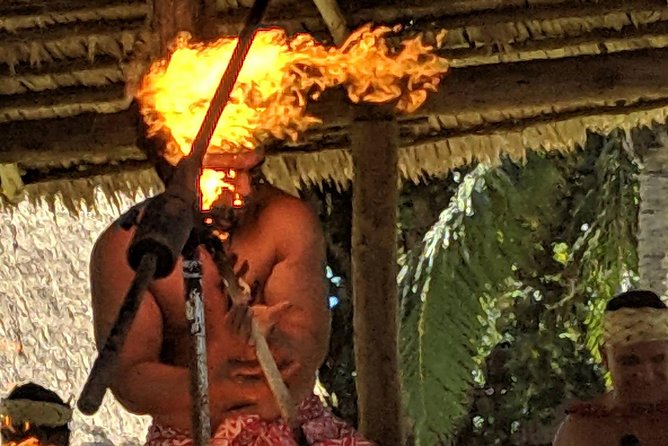
This is the heart of the itinerary. When you arrive at the Polynesian Cultural Center, you’re stepping into a living museum experience built around music, dance, and daily life across the Pacific.
You’ll get access to six Pacific island nations represented through villages: Hawaii, Tahiti, Samoa, Tonga, Fiji, and New Zealand. Expect the experience to feel immersive through sound and movement—drums, dance rehearsals, and performances that pull you from village to village.
What I like about the setup is that you’re not just watching one staged show. You can explore authentic-style village areas and see demonstrations and activities tied to each culture. You’ll also have a chance for hands-on style moments included in the plan, such as a canoe ride between villages, plus elements like Tahitian spear throwing and Samoan cooking demonstrations.
Then there’s the show element: the Polynesian Canoe Pageant, followed by time to relax over a barbecue lunch (the tour data lists lunch as not included in the price, so treat food as something you may need to budget separately while you’re there).
One key logistics detail you should plan for: the center doesn’t allow purses or bags in the park. Bag storage is available for $6 per bag at the entrance. If you like carrying a backpack for water, snacks, sunscreen, and extra layers, you’ll want to rethink how you pack for this stop.
Also, be realistic about energy. By the time you reach this location, you’ll likely be tired from earlier driving and the solemnity of Pearl Harbor. The cultural center works well because it turns attention outward—music and motion help reset your brain.
Kualoa Regional Park and Chinaman’s Hat (Mokoli’i)
Later in the day, you’ll head to Kualoa Regional Park for a shorter scenic break.
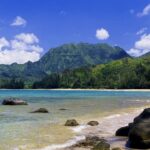
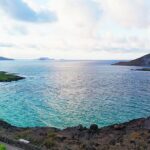
This stop is about views: turquoise water, the iconic offshore islet known as Chinaman’s Hat (Mokoli’i), and the dramatic backdrop of the Kualoa mountain range. You’ll also get a chance to relax by the beach for a brief moment.
Because the time is shorter (around 30 minutes), this is best for people who want a photo stop with a little breathing room—not a long, structured excursion. The payoff is that you end the day with a softer, more coastal feel after Pearl Harbor and indoor/structured cultural time.
And if you’re wondering whether this is worth it: it usually is, because it adds a totally different slice of Oahu—water and rock and the kind of shoreline that makes people believe postcards are real.
Price and Value: What $199.99 Really Buys
At $199.99 per person, this tour is priced like a practical bundle, not like “three separate activities plus a bus.”
The big value is the included admissions: Pearl Harbor Historic Sites access, Dole Plantation admission, and Polynesian Cultural Center admission are handled for you. That matters because Hawaii pricing can add up quickly when you’re buying entrance tickets one-by-one.
Where the math gets less sweet is food and a few extras:
- Breakfast and lunch are not included in the tour price.
- Parking fees are not included.
- Bag storage may cost extra at Polynesian Cultural Center (needed if you’re carrying a bag).
So the best way to see the value is simple: if you were going to do Pearl Harbor and the Polynesian Cultural Center anyway—and you don’t want to self-drive across the island—this bundle saves time and reduces the mental load of coordinating multiple sites.
If your plan is already mostly “self-guided car rental,” then you might feel the cost more. But for many Waikiki stays, this is one of the smoother ways to hit the big stops in a single day.
Timing, Comfort, and the Real-Life Pace You Should Expect
Most people rate the day highly for a reason: it hits major targets without making you run a logistics marathon.
That said, the day can stretch. The tour duration is listed as about 8 to 10 hours, and some experiences have run closer to 12 hours due to timing and schedule flow. If you have dinner reservations, shows, or a ship departure later that day, don’t treat the schedule like a promise—treat it like a plan with room for delays.
Also, bus comfort can vary. Some people loved the ride, while others reported issues like air conditioning not reaching the back of the bus. If you’re sensitive to heat, try to sit closer to vents if your pickup process allows it.
Finally, you’re not going to get a private tour guide following you every step inside every building. You’ll get guidance and context, but you’ll still be moving through timed entry areas and meeting points.
The upside: you see a lot, you get the big cultural moments, and you don’t lose your day wrestling with directions.
Guides Make the Difference: Names I Noticed in the Mix
A big part of why this tour earns high marks is the people in the driver/guide role.
I saw repeated praise for guides including Summer, Lena/Leena, Johnny, Papa P, and Rick, with compliments focused on friendly delivery and practical island context—history, agriculture, and how land shapes everyday life in Hawaii.
Some guides also add small extra moments depending on the day and timing, including food detours like local treats such as malasadas or macadamia-related stops. If you care about local snack culture, this is one of the ways the day can feel less cookie-cutter.
And when guides do a great job, it shows in the small details: helping you know what to look for at each stop and keeping the day running without chaos.
Who This Tour Is For (and Who Should Rethink It)
This tour fits best if you want:
- Pearl Harbor plus a major cultural stop in one day
- a car-free plan from Waikiki
- included admissions so you can budget without surprise ticket lines
- a guide who provides context during the ride and at stops
- a single long day where you see the island’s range (history, agriculture, culture, coast)
You might want to rethink it if:
- you want lots of free time at Dole (the stop is short)
- you dislike long bus days and tight transitions
- you have strict timing needs later that night
- you’re carrying a bag and don’t want to deal with storage rules at the cultural center
If you’re traveling as a family, this can still work well because it bundles “must-do” stops. Just remember that kids will need snack and bathroom rhythm management through a long day.
Should You Book This Pearl Harbor, Dole, and Polynesian Cultural Center Day?
If your goal is to knock out Oahu’s top highlights in a single, organized day, I think this is a smart booking. The value is strongest when you compare it to doing Pearl Harbor and the Polynesian Cultural Center on your own, especially if you’d rather not drive.
Book it if you want included tickets, a small-group feel, and a guided day that covers history and culture without turning into a full-time logistics job.
Skip it or plan differently if you’re hoping for long, unhurried time at every stop, or if bus comfort and schedule predictability are your top priorities.
FAQ
How long is this tour?
The tour runs about 8 to 10 hours.
What time does the tour start, and how does pickup work?
The start time is 7:00 am. Pickup time is before the tour time listed, up to 1 hour earlier.
Is hotel pickup included?
Pickup and drop-off are included for the Waikiki area, with pickup points close to many Waikiki hotels. They do not pick up from all hotels.
Are admission tickets included?
Yes. Pearl Harbor admission, Dole Plantation admission, and Polynesian Cultural Center admission are included.
Is breakfast or lunch included?
Breakfast and lunch are not included.
Are purses or bags allowed at the Polynesian Cultural Center?
No purses or bags are allowed in the park. Bag storage is available for $6 per bag at the park entrance.
How large is the group?
The group size is capped at 15 travelers.
What language is the tour offered in?
Pickup is offered in English.
What if the tour can’t operate due to weather or minimum travelers?
This experience requires good weather. If canceled due to poor weather, you’ll be offered a different date or a full refund. It also requires a minimum number of travelers; if that minimum isn’t met, you’ll be offered a different experience/date or a full refund.