REVIEW · PARASAILING
Hawaiian Parasail Since 1977 from Waikiki Beach
Book on Viator →Operated by Hawaiian Parasail Inc · Bookable on Viator
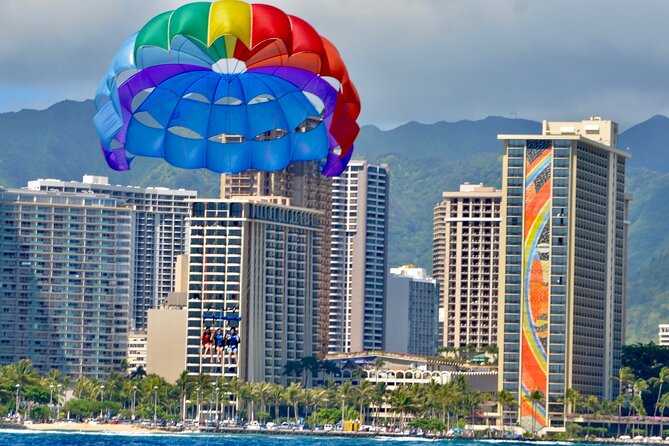
A quick glance up and you’ll get the itch. This Waikiki parasail flight pairs 1977 veteran know-how with big views of Waikiki Beach and Diamond Head. The harness setup also means your take-off and landing are designed to be soft and dry from the boat, even before you’re high in the air.
I also love the flexibility in the experience: the captain can offer a water touch or keep it fully dry, depending on conditions. And from the way the crew runs things, you get a calm, clear briefing that helps you feel ready fast.
One thing to consider: this ride depends on weather, and it’s not a fit for many recent injuries or major health concerns. If you’re unsure about safety for your body, read the notes carefully before you buy.
In This Review
- Quick Key Highlights Before You Go
- Hawaiian Parasail From Waikiki: The View Is the Point
- The 1-Hour Rhythm: What Happens During the Ride
- Taking Off Dry: Harness Method Basics That Actually Matter
- Up to 500 Feet Over Waikiki and Diamond Head
- Captain Choice: Water Touch vs a Completely Dry Ride
- Price and Value: $45 Isn’t Just a Ticket Price
- What to Bring (and What to Leave Behind)
- Meeting at 1651 Ala Moana Blvd Parking: Quick, Simple, Close
- Who This Is Best For (and Who Should Skip It)
- Small Group Energy: Max 11 Travelers
- The Crew Factor: Calm Help Goes a Long Way
- Weather Matters: Your Flight Depends on It
- A Quick Suitability Check Before You Book
- Should You Book Hawaiian Parasail From Waikiki?
- FAQ
- How high do you fly on this parasailing trip?
- How long is the activity?
- Is the ride always wet?
- What’s included in the price?
- What’s the minimum age to participate?
- What happens if the trip is canceled due to weather?
Quick Key Highlights Before You Go
- Original Hawaiian Parasail operation since 1977, with a long track record in Waikiki
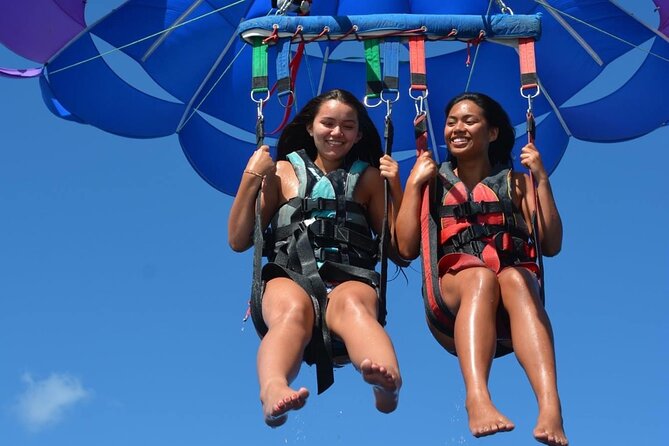
- Harness method for a softer, drier take-off and landing from the boat
- Up to 500 feet altitude maximum, with airtime that changes based on the line length
- Captain-controlled water touch vs fully dry flight option
- Small groups (max 11), so you’re not stuck in a huge lineup
- $45 per person for life jacket + harness (photos cost extra)
Hawaiian Parasail From Waikiki: The View Is the Point
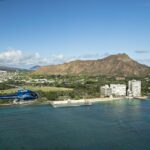
If you’re in Waikiki, the water is always calling. This is one of the fastest ways to turn that ocean-and-horizon day into something you can’t get from shore—especially with a view that stretches toward Diamond Head and the shoreline right below you.
You’re also not dealing with a brand-new outfit or a one-off operator. The company has been running parasailing in Hawaii since 1977, which matters because parasailing is equal parts equipment and seamanship. You’ll feel that in how the crew manages the boat side and keeps the experience moving.
$45 is a fair price for a full-hour experience on the water, and the included gear helps control your costs. You’re not paying extra for the basic safety setup—life jackets and a harness are included—while the one thing you should expect to pay for later is the photo service.
You can also read our reviews of more tours and experiences in Oahu.

The 1-Hour Rhythm: What Happens During the Ride
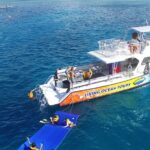
The total experience runs about 1 hour. That includes getting checked in, gearing up, and the time needed to get you out to the right spot behind the boat.
Once you’re on board, plan for a smooth sequence:
- You’ll get your life jacket and harness fitted.
- You’ll get briefed on what to do during the flight.
- Then you go up, with airt ime varying based on how long the line is.
The key thing here is mindset. Parasailing isn’t an action sport; it’s a steady ride with a big view. If you’re expecting adrenaline like a roller coaster, you might be slightly surprised by how calm it feels once you’re airborne. If you want quiet, wide-open seeing? That’s where this shines.
Taking Off Dry: Harness Method Basics That Actually Matter
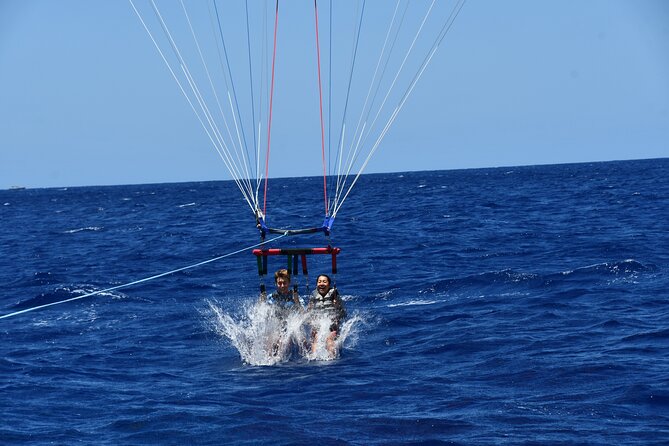
A lot of parasailing memories on the internet are about splashy take-offs. This operation uses a harness method designed for a softer, drier lift from and back onto the boat.
Why you should care: less water contact on take-off and landing usually means less fuss. You spend more of your trip thinking about the view, and less time worrying about wet gear and awkward dripping clothing.
That said, don’t treat “dry” as a guarantee in all conditions. The captain still has the final say based on weather and the ride setup. Your goal is to be prepared for a possible water touch option.
Up to 500 Feet Over Waikiki and Diamond Head
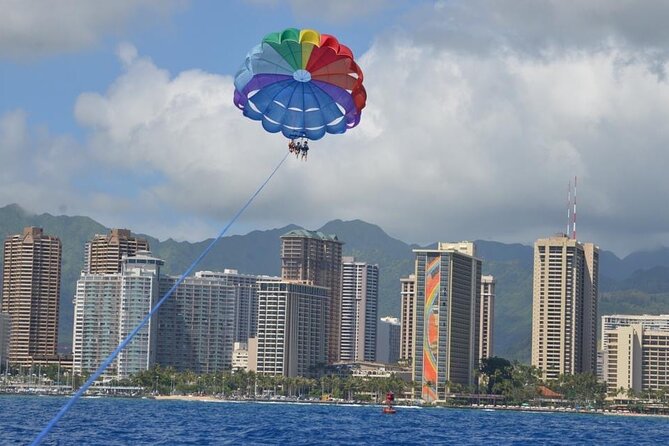
Altitude is capped at a maximum of 500 feet. That’s high enough to give you a clear, layered view of Waikiki’s coastline, the surf line, and Diamond Head’s outline—without needing to worry about extreme heights.
Airtime can vary. The ride stays high while the line length is used to set how long you’re up. So even though the overall experience is about an hour, your actual time in the air is the part that shifts.
What you’ll notice most: the change in texture. From above, ocean colors and wave patterns look more graphic than they do from the beach. You also get perspective on how Waikiki’s shoreline curves and where the headland sits relative to everything.
Captain Choice: Water Touch vs a Completely Dry Ride
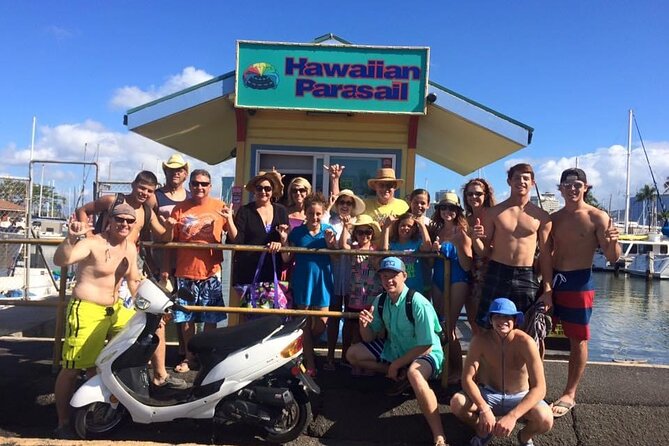
This is one of the most practical parts of the experience. The captain can offer customers a water touch or keep it a completely dry ride, depending on conditions.
If you hate the idea of getting splashed, lean toward the dry option and listen closely during the captain’s briefing. If you’re okay with a little water contact, a water touch can feel like a fun, memorable punctuation point to the flight.
Either way, remember that the captain is making the call for safety and comfort. You get more enjoyment when you treat the briefing like guidance, not trivia.



Price and Value: $45 Isn’t Just a Ticket Price
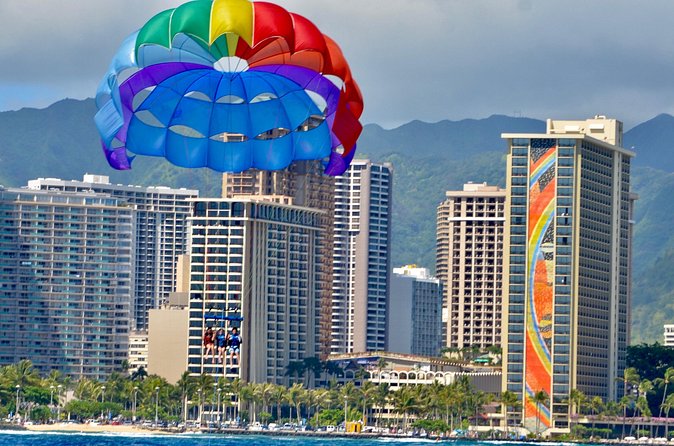
At $45 per person for about an hour, you’re paying for a lot of moving pieces: boat time, crew work, and safety gear. What makes it feel like value is what’s included—life jackets and harness—because those are the essentials you’d otherwise have to cover elsewhere.
Also, the price structure is simple:
- No photo service included in the base price.
- You get the ride and the safety gear.
- If you want professional photos, that’s a separate add-on.
My take: if you want souvenir photos, plan your budget. If you don’t, this can be a strong deal for a once-in-a-while Waikiki experience.
What to Bring (and What to Leave Behind)
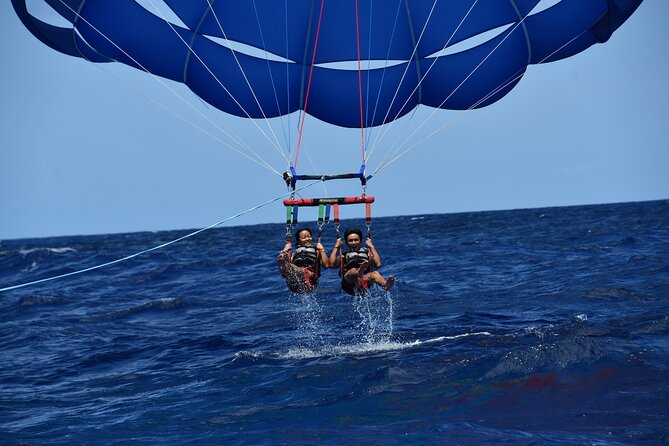
Parasailing has one rule that keeps things stress-free: don’t bring anything you’d regret dropping into the water. The best reminder I can give you is this—keep your valuables secured and avoid gear that could float away.
A practical packing approach:
- Bring a phone only if you’re confident you can keep it safe and won’t mind it being exposed to a wet environment risk.
- Avoid loose items like bracelets, dangling earrings, or anything you can’t secure.
- If you’re bringing a small bag, treat it like it might get wet.
If you want a smooth ride, wear something simple. You’ll be busy with safety gear and listening to instructions, not managing a complicated outfit.
Meeting at 1651 Ala Moana Blvd Parking: Quick, Simple, Close
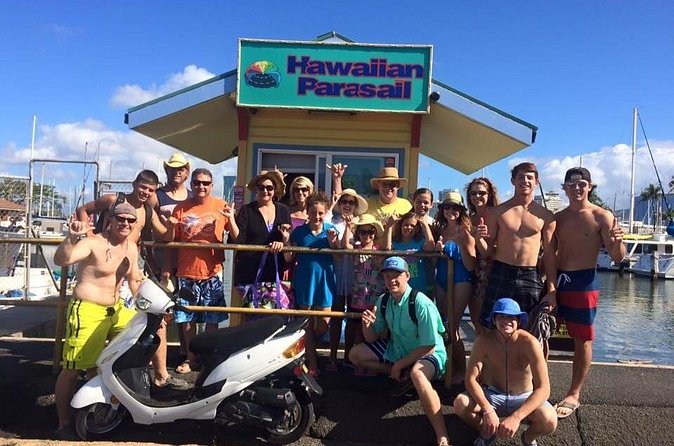
Your start is 1651 Ala Moana Blvd Parking in Honolulu. From there, the activity ends back at the same meeting point.
This matters because it keeps the day from turning into an all-day logistics puzzle. Waikiki is already full of stops; having one tight pick-up and drop-off location helps you stay flexible.
The listing notes also say it’s near public transportation, so if you’re using buses or rideshare, it’s not a far, awkward trek to start.
Who This Is Best For (and Who Should Skip It)
This experience lists a moderate physical fitness expectation. That usually means you should be able to handle the process of boarding, gearing up, and staying comfortable during the time on the boat and in the harness.
It’s also not a casual pick if you’ve had recent issues. It’s not recommended for people with:
- recent injury or surgery in the last 6–8 months
- neurosurgery-related conditions (like heart, brain, or spinal cord conditions)
- fragile conditions or mobility issues
- serious illnesses such as heart conditions, stroke, epilepsy, severe high blood pressure, nervous system issues, recurrent weakness, and other severe conditions
- recent intoxication from drugs or alcohol
And there’s an age minimum: participants must be 5 years old and over.
One more practical note: the guidance says people over 250 lbs should fit into the belt of the harness to fly. That’s not a casual “maybe.” If you’re in that range, you should treat harness fit as part of your decision.
If you’re healthy and looking for a quick, high-impact view from above, you’ll probably love it. If you’re nursing an injury or you’re unsure medically, don’t treat the harness as something you can improvise your way around—follow the safety guidance and ask questions before booking.
Small Group Energy: Max 11 Travelers
The group limit is 11 travelers. That’s a big deal for the feel of the day.
Smaller groups usually mean:
- less crowding during gearing up
- a more personal briefing
- less time waiting around on the boat
Even if you’re traveling with a partner or family, you’re less likely to feel like you’re part of a slow-moving crowd. That helps when you’re eager to get up, snap in for safety, and enjoy the ride.
The Crew Factor: Calm Help Goes a Long Way
A repeated theme in the experience feedback is how helpful the captain and first mate are. The tone is practical, not pushy. They help you understand what to pay attention to and keep you relaxed during the setup.
That matters more than people think. Parasailing is one of those activities where small nerves can show up fast—mostly because you’re suddenly suspended and high above the water. A clear, reassuring briefing helps you focus on what you came for: the view.
If you like experiences where staff is hands-on and you get straight answers, this is the kind of operation that typically delivers.
Weather Matters: Your Flight Depends on It
This activity requires good weather. If it’s canceled due to poor weather, you’ll be offered a different date or a full refund.
So treat parasailing like a flexible plan, not a hard appointment no matter what. In Waikiki, weather can change, and sea conditions can tighten. When conditions aren’t right, this operator won’t force it.
If you can choose dates and you’re not locked into one schedule, you’ll handle weather changes better.
A Quick Suitability Check Before You Book
Ask yourself these quick questions:
- Can I safely handle a harness setup and boarding a boat?
- Do I have any recent surgery or ongoing health concern that makes this a bad idea?
- Do I feel comfortable following instructions in a wind-and-water environment?
- Am I okay with the possibility of a water touch depending on conditions?
If the answers are mostly yes, you’re likely in the sweet spot for this experience.
Should You Book Hawaiian Parasail From Waikiki?
I’d book it if you want a high-value Waikiki experience that’s simple, view-first, and run by a long-time local operator. The included life jacket + harness, the small max 11 group size, and the chance for dry or water-touch flying make it easy to match your comfort level.
Skip or pause if you’re in a medical situation where the safety guidance doesn’t fit you, or if you’re bringing items you can’t afford to get wet or lose. Parasailing is an amazing view day—but it rewards preparation.
If you like the idea of flying above Waikiki’s shoreline and seeing Diamond Head from a new angle, this is one of the most straightforward ways to do it.
FAQ
How high do you fly on this parasailing trip?
The maximum altitude is 500 feet.
How long is the activity?
The total experience is about 1 hour. Your airtime can vary based on the length of the line.
Is the ride always wet?
Not necessarily. The captain can offer a water touch or a completely dry ride depending on weather.
What’s included in the price?
Life jackets and harness are included. Photo service is not included.
What’s the minimum age to participate?
Participants must be 5 years old and over.
What happens if the trip is canceled due to weather?
If it’s canceled because of poor weather, you’ll be offered a different date or a full refund.