REVIEW · PEARL HARBOR TOURS
O’ahu: Pearl Harbor Virtual Reality Center
Book on GetYourGuide →Operated by Pacific Historic Parks · Bookable on GetYourGuide
WWII stops feeling distant with 360-degree VR. Here, the National Park Service turns Pearl Harbor’s story into a hands-on experience with VR staff training and easy-to-use equipment—and you get clear explanations right when you arrive.
What I like most is how fast you get oriented, and how the $11 price makes this feel like a smart add-on instead of an expensive “maybe later” plan.
One thing to keep straight: USS Arizona Memorial access needs separate reservations, and this VR experience does not include the boat tickets.
In This Review
- Key things to know before you go
- Where the Pearl Harbor Virtual Reality Center fits in your day
- Check-in, VR training, and what to expect during your session
- Air Raid Pearl Harbor: standing on the USS Utah during the attack
- Skies over Pearl: the fighter pilot viewpoint and radio silence
- USS Arizona deck experience: a 360 look at what was sunk
- USS Arizona today: what’s visible below the waterline
- The USS Arizona Memorial connection (and why tickets matter)
- Price and value: getting real learning for $11
- Who this VR experience is best for
- Practical tips to get the most out of your VR choice
- Should you book the Pearl Harbor VR Center?
- FAQ
- How much does the Pearl Harbor Virtual Reality Center cost?
- How long is the virtual reality experience valid?
- Does this include boat tickets to the USS Arizona Memorial?
- What tours can you choose from?
- Is the experience wheelchair accessible?
- Is the instruction in English?
Key things to know before you go
- VR staff training first: you’ll get set up before you start your chosen tour
- Choose your 360-degree WWII storyline: the center offers multiple Pearl Harbor VR tour options
- Equipment is included: you use a quality VR player and don’t need to bring anything
- USS Arizona Memorial is separate: reservations are required, and boat tickets aren’t included
- Clear, quick pacing: short welcome, explanations, and a duration that doesn’t drag
Where the Pearl Harbor Virtual Reality Center fits in your day
The Pearl Harbor Virtual Reality Center sits inside the Pearl Harbor Visitor Center, at 1 Arizona Memorial Place. That location matters because it makes your VR time feel connected to the broader Pearl Harbor visit, not like a detour. After check-in with your voucher, you’ll do the VR portion and then return to the same spot.
This is also a good “tone-setter” experience. If you’re trying to understand what happened on December 7, 1941, the VR tours give you a timeline and a point of view. You’re not just reading captions. You’re seeing the attack through carefully chosen perspectives—360-degree views that help your brain line up the sequence of events.
And since the VR staff trains you and equipment is provided, you’re not stuck troubleshooting gear. That makes a big difference. The more comfortable you feel with the VR system, the more attention you can put on the historical content.
You can also read our reviews of more tours and experiences in Oahu.

Check-in, VR training, and what to expect during your session
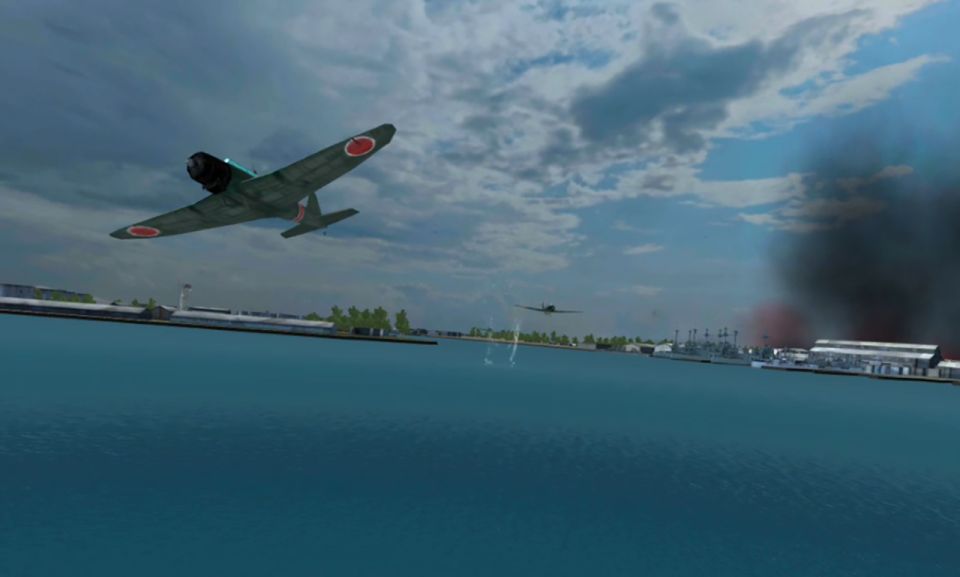
When you arrive, you’ll check in with a voucher at the Pearl Harbor Virtual Reality Center. From there, the VR staff walks you through how to use the VR player. The whole setup is meant to be easy, so you can focus on the experience instead of fumbling controls.
You’ll choose one VR tour from the options offered at the center. The exact lineup of tours is presented as a set of Pearl Harbor-focused VR experiences, including an Air Raid sequence, a fighter-plane viewpoint, and USS Arizona experiences (deck and what the ship looks like today). Your choice is the biggest decision you’ll make at the center.
Time-wise, it’s designed to be a “do it now” activity. You’ll find the experience offered with starting times, and the pass is valid for one day. That flexibility is useful if you’re juggling ferry schedules, museum time, or sunset plans.
If you need a practical note for your planning: this experience is in English, and the site is wheelchair accessible. If you’re bringing a group, the VR model also tends to work well because each person gets the same baseline training and setup before they start.
Air Raid Pearl Harbor: standing on the USS Utah during the attack
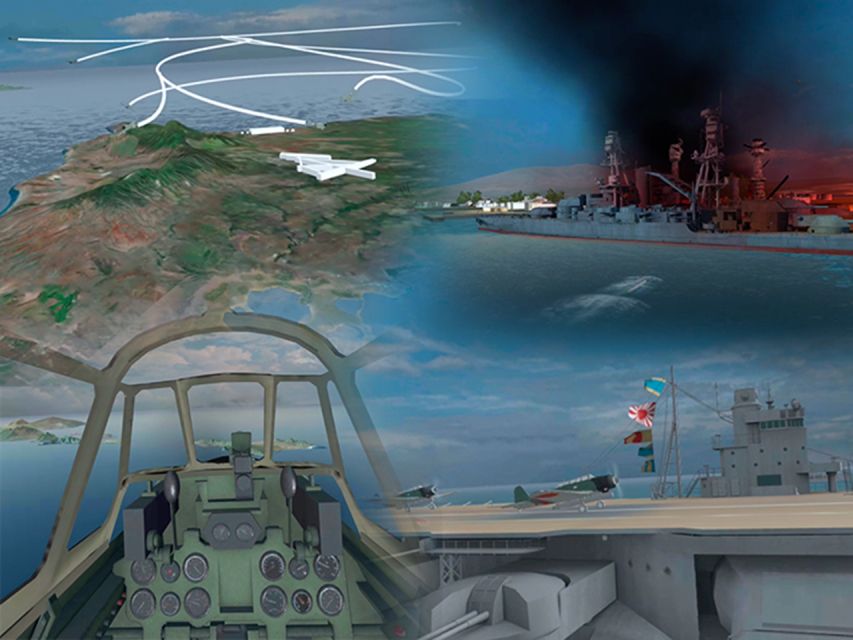
If you want the most direct “timeline of the attack” experience, the Air Raid Pearl Harbor option is the one to pick. This tour places you on the deck of the USS Utah, one of the battleships destroyed on that Sunday morning.
What makes this tour valuable is that it anchors the story to a sequence of moments, not just visuals. You experience how the attack unfolds in a way that connects the big events to what people would have seen and heard from the ship.
A few details you’ll come away remembering:
- After the first wave of Japanese war planes arrived, a message went out: Air Raid Pearl Harbor, This is no Drill.
- The tour frames the human cost quickly, with 2,390 Americans killed and 1,178 wounded within about two hours.
That kind of grounding matters. It prevents the whole day from turning into a blur of planes and explosions. Instead, it helps you track cause and effect—when danger escalates, how fast events move, and why the response mattered.
Possible drawback: because it’s focused and scene-based, you may want to pair it with additional reading or museum time. VR gives you the “what it looked like” feeling, but you’ll still benefit from other exhibits if you want broader background on strategy and aftermath.
Skies over Pearl: the fighter pilot viewpoint and radio silence
The Skies Over Pearl experience gives you a different kind of understanding. Rather than being on a deck during the attack, you’re placed in the cockpit of a Japanese fighter plane as it departs the carrier Akagi, heading roughly 230 miles north of Oahu.
This tour is compelling if you like operational details—the “how they navigated” side of the day. It also includes lesser-known context about the aircraft and how pilots maintained radio silence while still using a Honolulu radio signal to guide their way to Oahu.
Why this matters for your understanding of Pearl Harbor: when people talk about the attack, they often focus on the moment the bombs hit. This viewpoint nudges you earlier in the timeline and helps you see the attack as a coordinated mission. That turns it from a shocking event into something built from planning, communication choices, and flight tactics.
It’s also a strong option if you want variety. Many visitors are emotionally pulled toward USS Arizona and the memorial story first. A cockpit perspective gives you a different angle, which can make the overall day feel more complete.
One practical note: cockpit experiences can feel intense because you’re “inside” the aircraft viewpoint. If you’re sensitive to fast motion or screens, you might want to take your time with the VR session and follow staff guidance closely.
USS Arizona deck experience: a 360 look at what was sunk
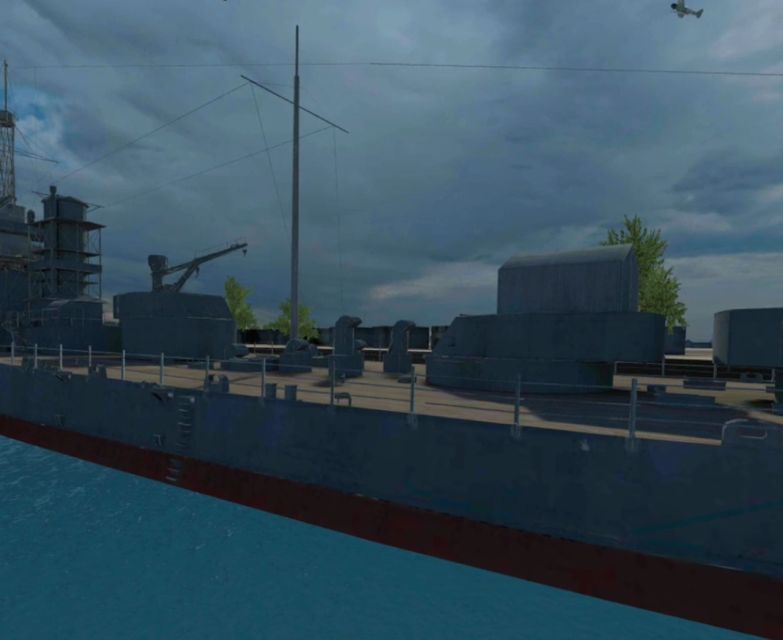
If your main goal is the USS Arizona story, the center offers a historically accurate virtual reality experience that lets you walk the main deck of the battleship on Dec. 7, 1941, the day it was sunk by an armor-piercing bomb.
This is built around a 360-degree perspective, so you can look around the deck and get a sense of scale and placement. When you’re standing in that virtual space, you’ll likely feel how the ship layout shapes movement and visibility. That’s the kind of detail that’s hard to grasp from photos alone.
A key part of the value here is timing. The VR deck view can help you prepare your eyes for what you’ll later see at the memorial. Instead of encountering USS Arizona as a monument only, you’re already familiar with how the ship might have looked from the inside on the day of the attack.
Possible consideration: the deck walk is about the historic moment. If you’re more interested in the wreck’s current condition, you may prefer one of the other USS Arizona-focused options described by the center.






USS Arizona today: what’s visible below the waterline
Another USS Arizona option is designed to show the ship as she rests on the floor of Pearl Harbor. This experience focuses on the 608-foot-long USS Arizona and explains that diving is strictly controlled in one of America’s most revered war graves—so the access you can get virtually matters.
What you’ll be able to explore includes:
- The mammoth Arizona guns that were never fired in battle
- Gun emplacements called barbettes
- In Barbette #4, the entrance to the well where USS Arizona survivors’ remains are interred
That “today” perspective is emotionally different from the deck-on-december-7 viewpoint. One frames the experience at the moment of sinking; the other reminds you this is a resting place, with rules around access. VR is a way to learn what’s there while respecting that the area is protected.
If you’re the kind of visitor who wants to understand both the human story and the physical evidence, this option gives you a strong balance. It also pairs well with memorial time because you can connect what you see above water to what the ship looks like below the waterline.
The USS Arizona Memorial connection (and why tickets matter)
Here’s the logistics piece you should plan around: reservations are required to access the USS Arizona Memorial, and this VR tour does not include the boat tickets to the memorial.
That means you should treat VR as either:
- a smart “learn first” step that helps you understand what you’re going to see later, or
- a flexible add-on that fits around your memorial schedule.
If you’re trying to avoid stress, decide early how you want to structure your day. Pick a VR tour that matches your interest (Air Raid for timeline, Skies for cockpit navigation, USS Arizona for deck or ship-today views), and then schedule memorial access separately with the necessary reservations and boat transport.
This separation is the only real “gotcha” in the offering. The VR part itself is straightforward and equipment is included. The memorial access piece is the part you must plan for on its own.
Price and value: getting real learning for $11
At $11 per person, this is priced like an easy win—especially in a place where many experiences come with much higher admission or longer time commitments.
Why it’s such good value:
- You get a full VR tour option with a structured training setup
- Quality VR equipment is provided (so there’s no “bring your own gear” hassle)
- The content is specifically built around Pearl Harbor and WWII perspectives, not generic “VR history” storytelling
And the feedback you’ll see from people who try it often points to two things: it’s genuinely interesting, and it doesn’t waste your time. One of the biggest practical wins here is the short welcome and clear explanations, because that keeps the experience focused on the history rather than the technology.
Possible downside: since you’re choosing one tour, you won’t see all perspectives in a single visit. If you’re the kind of traveler who wants to cover every angle, you may want to pick the option that best matches your priorities for that day.
Who this VR experience is best for
This works well for a lot of travelers, but it shines for specific types of people.
Pick this if you:
- want a short, high-impact way to grasp the timeline of December 7
- like learning through a point-of-view experience rather than only reading panels
- appreciate practical guidance and setup from VR staff
- are traveling with kids or teens who do better when they can see stories unfold visually
It may be less ideal if you:
- already know the material very deeply and are looking for extended, multi-hour guided content
- prefer to keep your day strictly focused on memorial access and museums, with no screen-based experiences
The good news: VR here is a tool, not a gimmick. You’re not watching a random video. You’re taking a guided-style VR journey through Pearl Harbor’s key moments.
Practical tips to get the most out of your VR choice
Since you’ll only choose one tour, your decision should be personal, not random. Here’s how I’d choose based on what you want to take away.
- If you want the story in sequence and want to understand the attack’s timing, choose Air Raid Pearl Harbor on the USS Utah.
- If you’re curious about the planning and navigation behind the attack, choose Skies Over Pearl.
- If USS Arizona is your anchor, decide whether you’d rather start with walking the deck on Dec. 7, 1941 or with USS Arizona today and the details below the waterline.
Also, go in knowing it’s designed to be easy. The staff training is part of the plan. Pay attention to how they set you up so you can spend your energy on what you’re seeing.
And if you’re sensitive to motion or bright visual scenes, tell the staff what you need during setup. The experience is built for first-time VR users, but your comfort still matters.
Should you book the Pearl Harbor VR Center?
I think this is worth booking if you want an efficient, meaningful way to understand Pearl Harbor beyond static exhibits. At $11, with equipment included and VR staff training, it’s a low-risk way to add a high-learning moment to your day.
Book it if:
- you’re prioritizing understanding the day of December 7, 1941
- you want a guided point of view without spending hours
- you plan to visit the memorial separately and want VR as preparation
Skip it if:
- you only want memorial and museum time and don’t want any screen-based experience
- you don’t have room for a separate memorial schedule since USS Arizona Memorial access requires reservations and boat tickets are not included
If you’re on the fence, my advice is simple: pick the VR option that matches your curiosity most, treat memorial access as its own step, and you’ll end up with a smarter, clearer Pearl Harbor visit.
FAQ
How much does the Pearl Harbor Virtual Reality Center cost?
It costs $11 per person.
How long is the virtual reality experience valid?
Your booking is valid 1 day, with starting times depending on availability.
Does this include boat tickets to the USS Arizona Memorial?
No. Reservations are required to access the USS Arizona Memorial, and this VR tour does not include the boat tickets.
What tours can you choose from?
You choose one of the Pearl Harbor VR tour options offered at the center, including Air Raid Pearl Harbor, Skies Over Pearl, and USS Arizona experiences (including walking the deck and exploring the ship today).
Is the experience wheelchair accessible?
Yes, it is wheelchair accessible.
Is the instruction in English?
Yes. The instructor language is English.
![Pearl Harbor [Early Access], USS Arizona & Historic Honolulu Tour - Hotel Pickup in Waikiki and How the Day Flows](https://cdn.honolulu-city.com/wp-content/uploads/pearl-harbor-early-access-uss-arizona-historic-honolulu-tour-400x266.jpg)