REVIEW · CANOES & KAYAKS
Oahu: Traditional Canoe Sunset Cruise with Dinner
Book on GetYourGuide →Operated by Kamoauli · Bookable on GetYourGuide
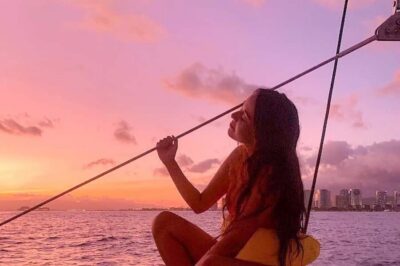
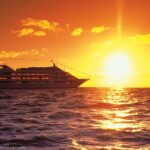
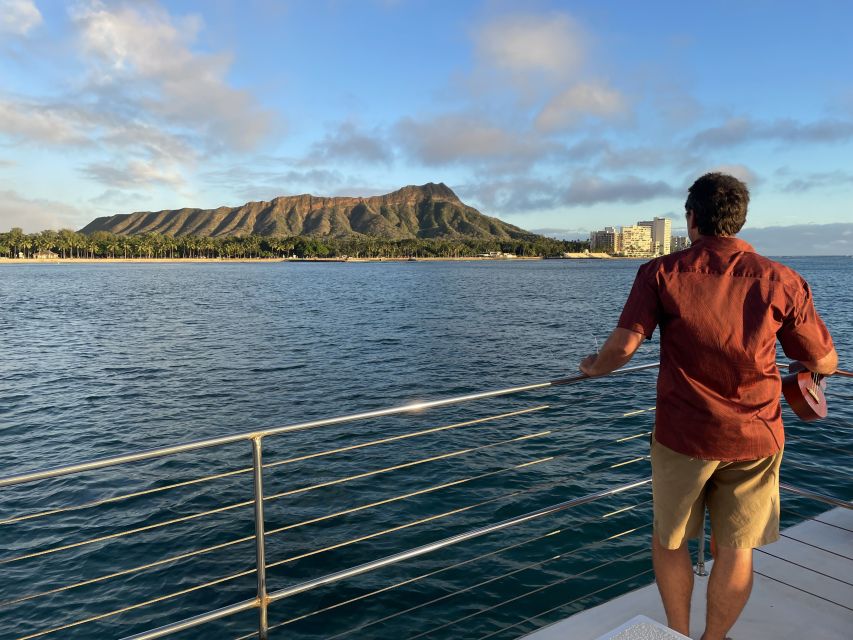
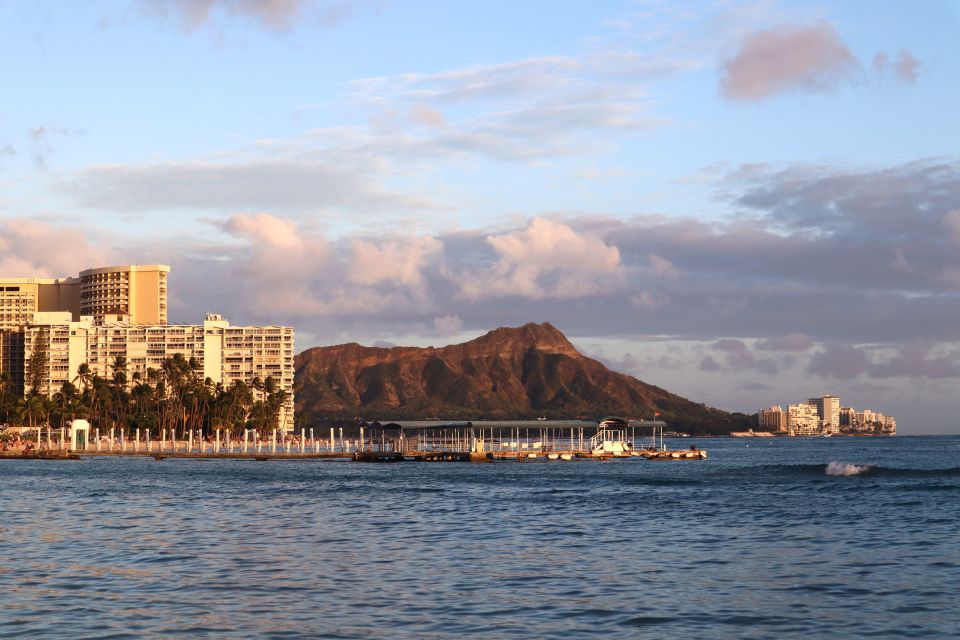
If you want Hawaii with texture, sail at sunset. This 2.5-hour canoe trip along Waikiki mixes Hawaiian culture, hands-on activities, and dinner on the water. You start with an oli chant, learn island history through songs and stories, then get time on deck to take in Diamond Head and the ocean views.
What I like most is the hands-on learning. You’ll try poi, make a lei, and even take a hula lesson, not just watch from the side. I also love that the crew keeps it real with an onboard instructor guiding the activities while you snack on local pupus and eat during the cruise.
One thing to plan around: this is not a sit-and-do-nothing outing. You’ll be outside on wooden decks, moving between activities, and it can get canceled in bad weather for safety.
In This Review
- Key things to know before you go
- Setting Out from Kewalo Harbor: where you meet and what to bring
- The canoe: 44 feet of real wood, real motion, real views
- The real start: oli chant, history through songs, and a sail past Waikiki’s landmarks
- Poi, pupus, lei-making, and hula: hands-on culture you can repeat later
- Dinner on the water: what the food experience actually feels like
- Getting the most from a small group (and why it matters at sea)
- Safety and comfort basics: what’s included, what’s not allowed
- Value check: is $250 per person worth a 2.5-hour canoe dinner?
- Practical logistics: timing, language, cancellation, and the weather factor
- Who should book this canoe sunset dinner cruise
- Should you book Kamoauli’s O‘ahu traditional canoe sunset cruise?
- FAQ
- Where is the meeting point for the canoe sunset cruise?
- How long is the tour?
- Is hotel pickup included?
- How big is the group?
- What language are the instructions in?
- What should I bring?
- Is alcohol included or allowed?
- What happens if the weather is bad?
Key things to know before you go
- Small group (up to 6) means more attention during poi, lei-making, and hula
- Traditional voyaging canoe sailing from Kewalo Basin toward Diamond Head with ocean views
- Oli welcome plus storytelling and songs to connect the food and activities to Hawaiian history
- Hands-on food culture with poi preparation and local pupus paired with drinks
- On-deck time on a 44-foot canoe including net-sitting for a closer look at marine life
- Clear safety rules and included safety gear keep the experience focused on comfort
Setting Out from Kewalo Harbor: where you meet and what to bring
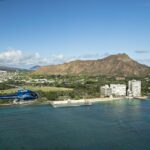
Meeting point details matter here. You’ll meet at the back of Kewalo Harbor, by the entrance to the surf park at Pier D-106, against the ocean. It’s not at the street-front entrance. If you arrive thinking it’s a typical dock near the road, you could waste time walking the harbor.
Because there’s no hotel pickup or drop-off, you’ll want to build in buffer time for getting to the pier. Once you’re there, you can focus on the fun part: this trip runs 2.5 hours and is typically offered in the afternoon and evening, so sunset timing is usually the goal.
Bring the basics that actually help on the water: sunglasses, a sun hat, and sunscreen. Even if the wind feels cool, Waikiki sun can be sneaky once you’re out on deck for the whole cruise.
You can also read our reviews of more boat tours in Oahu
The canoe: 44 feet of real wood, real motion, real views
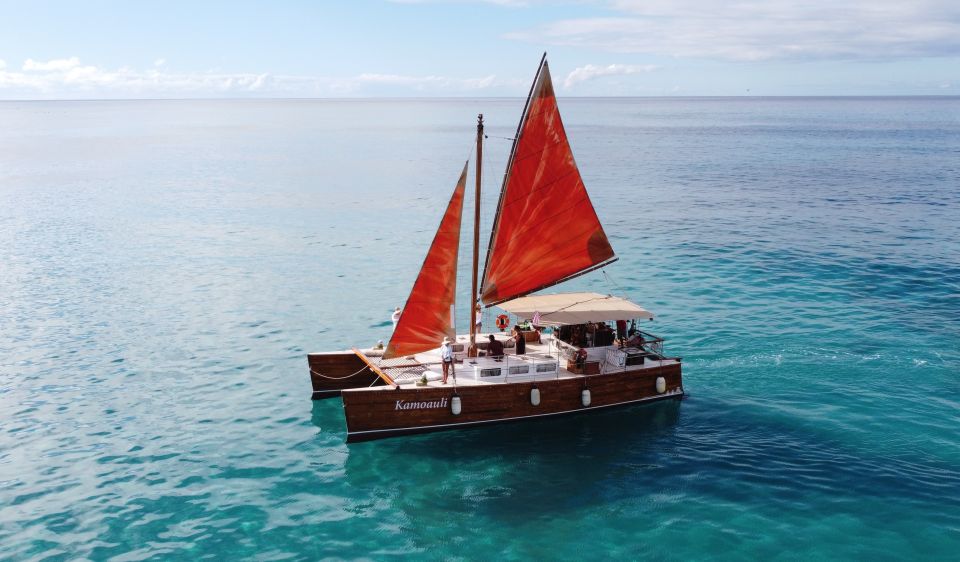
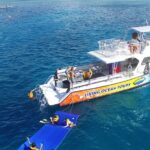
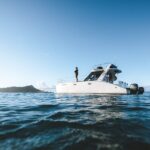
This tour isn’t on a big, boxy boat where you feel like a passenger number. It’s aboard a traditional-style Polynesian voyaging canoe, about 44 feet long, with spacious wooden decks designed for time outside. That matters because you’re not just looking at Hawaii—you’re living on it for a couple hours.
You’ll get chances to relax between activities and take in the coastline. There’s also a unique moment when you can lay in the canoe’s nets, then watch the ocean wildlife and water movement while cruising along the coast. Even if you’re not a hardcore snorkeler, this is the kind of experience that makes the sea feel close.
One practical note: this is still a boat. You’ll feel motion, and you’ll be stepping around during activities. If you’re prone to motion sickness, consider planning for it beforehand, especially since the route runs along Honolulu’s coast.
The real start: oli chant, history through songs, and a sail past Waikiki’s landmarks
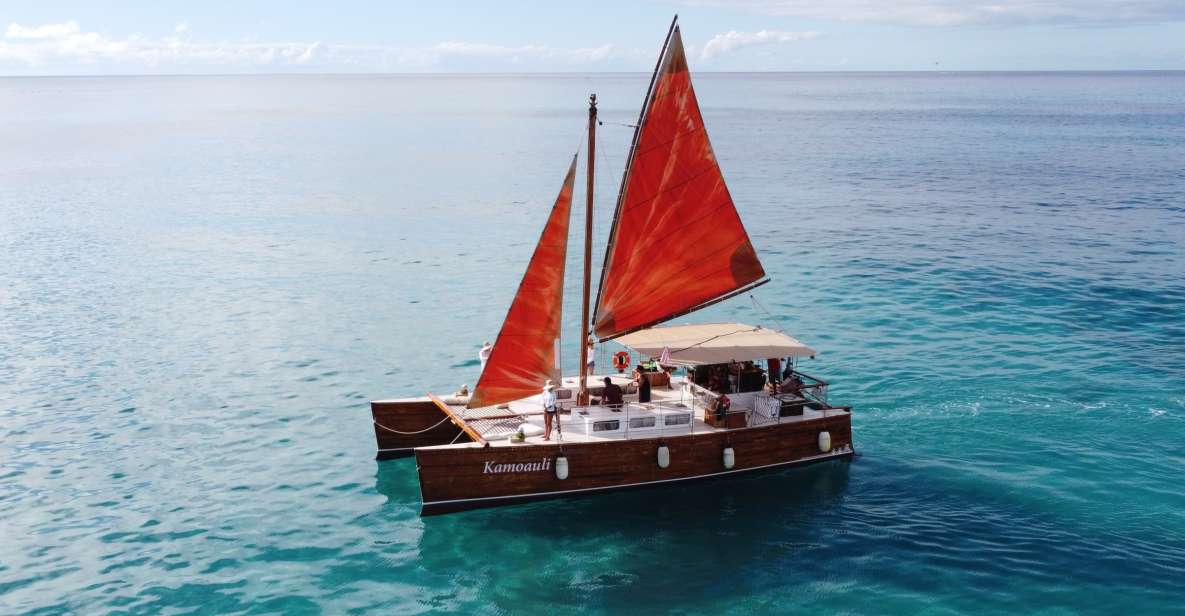
The experience begins with a Hawaiian oli chant that welcomes you as you board. That sets the tone fast: the trip frames itself as cultural learning, not a generic sunset sightseeing cruise.
Once you’re under way, you’ll hear Hawaiian history and ancient stories through storytelling and songs while sailing along the coast from Kewalo Basin toward Diamond Head. This route is key. Waikiki is the postcard version of O‘ahu, but from the water you see a different rhythm—more open water, more horizon, and less city noise.
The cultural storytelling isn’t thrown in as background noise. It’s tied to what you’ll do next: poi, lei-making, and hula lesson time. When the meaning comes before the activity, you’re less likely to treat it like a quick craft and more likely to remember it as something with roots.
Poi, pupus, lei-making, and hula: hands-on culture you can repeat later
This is where the trip earns its keep. You’ll rotate through several onboard activities with an instructor guiding you. The format is simple, friendly, and built for a small group—limited to 6 participants—so you’re not shouting over a crowd.
Here’s what you can expect:
- Poi-making: You’ll learn how poi is made, then try it yourself. Poi is more than a snack in Hawaiian food culture, and having a hands-on lesson helps you understand why people treat it as something personal and daily.
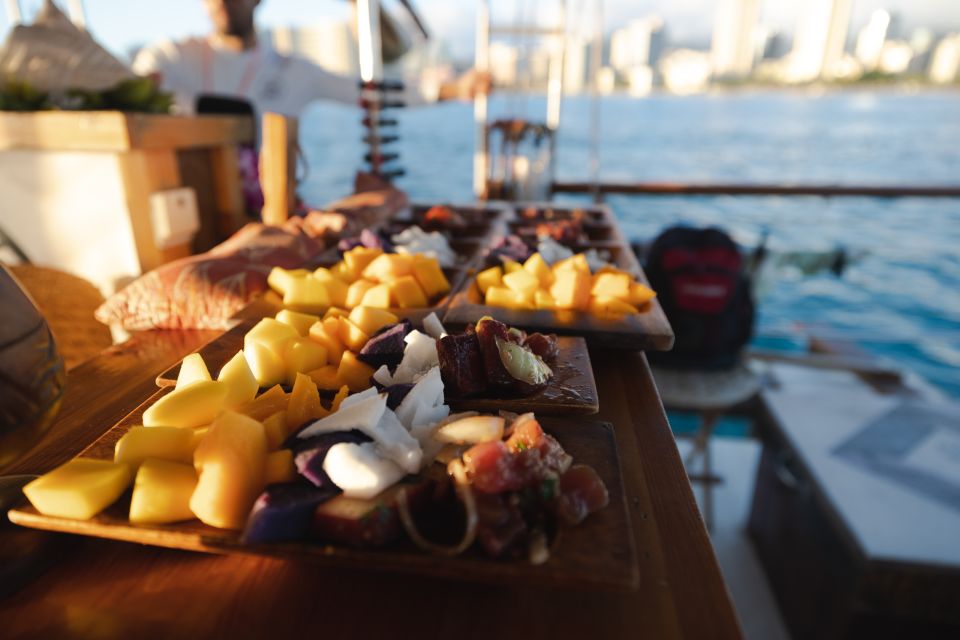
- Local pupus: You’ll enjoy a variety of traditional Hawaiian food and drinks, including local pupus. This is a good way to sample flavors without committing to one big meal plate.
- Lei-making: You’ll get instruction to make your own lei. It’s a craft, yes, but it also teaches you how thoughtful presentation and materials matter in Hawaiian practice.
- Hula lesson: You’ll take part in a hula-hooping style activity and a hula lesson onboard with guidance. This is often the part that surprises people—in a good way—because it feels more doable than it looks.
Between activities, you can reset on deck. I like this pacing because it keeps the trip from feeling like a school class. You get movement, snacks, and short learning beats tied to the sea views.
Dinner on the water: what the food experience actually feels like
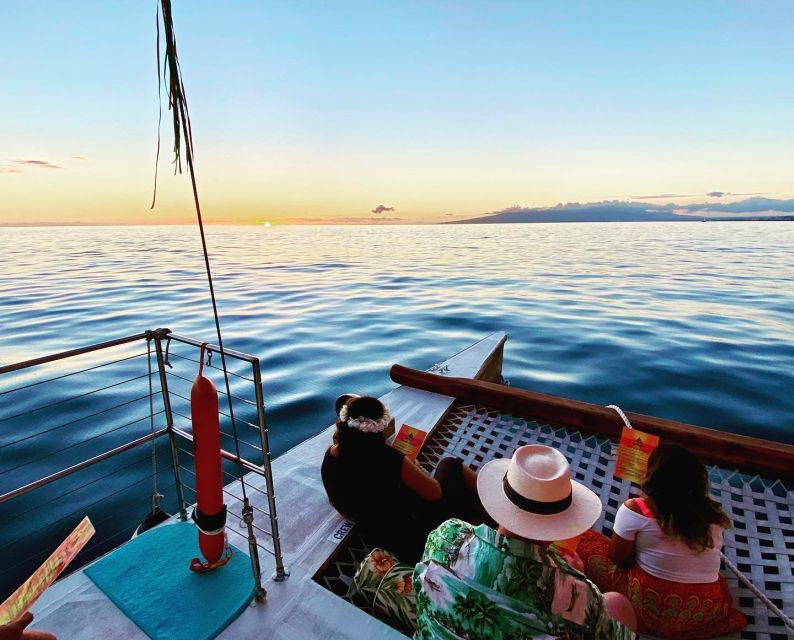
Dinner here is part of the sailing show, not an afterthought. You’ll have food and drinks included, and the menu centers on traditional Hawaiian fare, with pupus as part of the mix.
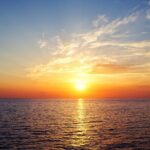
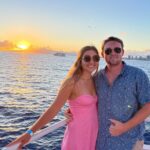
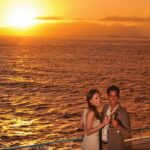
What matters is the setting: eating while the coastline slides by gives the meal a different emotional flavor. Instead of a restaurant meal that blends into the rest of your trip, this one feels anchored to a time and place—sunset light, ocean air, and the steady motion of a canoe.
You should still manage expectations like a smart visitor: this is a 2.5-hour tour, so it’s not a slow, multi-course dining marathon. But it is a chance to taste Hawaiian flavors in a way that connects to the cultural parts of the program.
You can also read our reviews of more tours and experiences in Oahu

Getting the most from a small group (and why it matters at sea)
The group limit—up to 6 participants—isn’t just a comfort perk. It changes how you learn.
With fewer people, you can:
- ask questions during the hands-on activity moments
- get corrections during poi, lei-making, or hula practice
- hear the storytelling clearly over the boat setting
That also matters for families. In one of the experiences, an 8-year-old felt like the main character from Moana while sailing. That kind of reaction makes sense: a small group, a real canoe, and a guided culture program can feel like a story you step into, not just a ticket you scan.
If you’re visiting with kids, this trip is a strong candidate because it mixes participation with spectacle. If you’re traveling solo or as a couple, the small group also makes you feel more included instead of herded.
Safety and comfort basics: what’s included, what’s not allowed
You do get safety gear as part of the tour. There’s also a crew and an activity instructor onboard, plus the captain. That structure tends to make the whole thing run smoothly—especially since you’re out for a couple hours.
Also read the rules before you show up. Smoking is not allowed, and alcohol and drugs are not allowed. That keeps the vibe focused on learning and enjoying the water, not turning the cruise into a party.
For your own comfort, remember this is an outdoor experience on a wooden deck. Wear sun protection, take your time with steps, and stay alert during movement between stations on the boat.
Value check: is $250 per person worth a 2.5-hour canoe dinner?
At $250 per person, you’re paying for more than transportation. You’re paying for:
- a traditional-style canoe experience
- an onboard instructor-led cultural program
- hands-on activities (poi, lei-making, hula-related instruction)
- dinner plus drinks and local pupus
- small group attention (up to 6)
If you’ve done Waikiki sunset cruises that are basically sightseeing with a snack bar, this costs more for a reason. Here, the main value is the structured learning and participation, plus the fact that you’re sailing the coast from Kewalo Basin toward Diamond Head instead of cruising around a harbor loop.
I’d call it a good value if your goal is cultural connection and memorable participation. If your goal is purely passive sightseeing, you might feel the price is steep compared with simpler cruises. But if you want to leave with skills and food memories you can actually repeat at home, it starts to make sense.
Practical logistics: timing, language, cancellation, and the weather factor
The tour runs about 2.5 hours. It’s usually available in the afternoon and evening, which is great because you can choose the light and timing that fit your day.
Instruction is in English, so you’ll be able to follow the stories and activity steps without guessing. That helps a lot with the cultural parts—food names and practice details land better when you understand them clearly.
Plan for weather. For safety reasons, the excursion may be canceled with a full refund in bad weather. Since this is on the ocean, you’re not in a climate-controlled environment. If you’re the type who hates uncertainty, book with awareness that you’ll want a flexible schedule.
Who should book this canoe sunset dinner cruise
You’ll probably love this trip if you:
- want a Hawaiian experience that includes participation, not just viewing
- like cultural storytelling tied to food and practice
- enjoy hands-on crafts and movement activities
- want a small group format where you can actually interact with the crew and instructor
You might choose a different option if you:
- prefer a strictly passive cruise with minimal steps and activity stations
- get seasick easily
- want alcohol included (it’s not allowed on this tour)
Should you book Kamoauli’s O‘ahu traditional canoe sunset cruise?
If your ideal Waikiki evening is something you can talk about later—poi skills, lei-making memories, and a hula lesson you can describe with confidence—then yes, I think you should seriously consider booking. The small group size, the onboard instruction, and the mix of sailing plus cultural activity give the trip a sense of purpose.
But if you’re mainly chasing a lazy sunset with no learning component, you may decide it’s not the best match for your style. For the right traveler, though, this is one of those rare O‘ahu outings where the ocean views and the culture lessons actually work together.
FAQ
Where is the meeting point for the canoe sunset cruise?
You’ll meet at the back of Kewalo Harbor by the entrance to the surf park at Pier D-106 against the ocean. It’s not the front meeting point by the street.
How long is the tour?
The duration is about 2.5 hours.
Is hotel pickup included?
No. Hotel pickup and drop-off are not included.
How big is the group?
The tour is limited to a small group, with a maximum of 6 participants.
What language are the instructions in?
The instructor provides the activities and guidance in English.
What should I bring?
Bring sunglasses, a sun hat, and sunscreen.
Is alcohol included or allowed?
Food and drinks are included, but alcohol is not allowed during the excursion.
What happens if the weather is bad?
For safety reasons, the excursion may be canceled with a full refund in the case of bad weather.