REVIEW · WAIKIKI TROLLEY TOURS
Oahu: Waikiki Trolley Hop-on Hop-off All-Line Pass
Book on GetYourGuide →Operated by E NOA Corporation · Bookable on GetYourGuide
A trolley pass that actually saves time. The Waikiki Trolley hop-on hop-off all-line pass connects you to big sights and real neighborhoods around Honolulu, with an easy way to come and go. I especially love the onboard driver-guides who mix humor with useful context so you get more out of each stop.
Two routes feel like the best “time for views” deal. On the Blue Line, you get a long coastal ride that ends at Sea Life Park, and the guides build in photo stops and little breaks for the best overlooks. On the Pink Line, you can treat it like a shopping shuttle, with stops designed for getting you to places like Ala Moana without wrestling with traffic.
One consideration: the Red Line can run earlier in the day than the other lines, so if you’re counting on an evening loop, plan around that.
In This Review
- Key highlights you’ll care about
- How the All-Line Pass Works Around Waikiki
- Blue Line: Coast Views and Sea Life Park Without the Car
- Green Line to Diamond Head and KCC Farmers’ Market
- Pink Line: Ala Moana Shopping Shuttle for Waikiki Breaks
- Red Line: Honolulu Culture, WWII Stories, and the City/Art District
- Stops That Pair With Real Meals, Markets, and Time Off
- Price and Value: Why $62 Can Beat Other Options
- Comfort, Timing, and the Rules You Should Know
- A simple way to plan your 1 to 4 days on Oahu
- Should you book the Waikiki Trolley Hop-on Hop-off All-Line Pass?
- FAQ
- What does the Waikiki Trolley All-Line Pass include?
- How long is the pass valid?
- Can I hop on and hop off whenever I want?
- What attractions can I reach with the trolley lines?
- Is admission or meals included with the pass?
- Are there rules about luggage on the trolley?
Key highlights you’ll care about
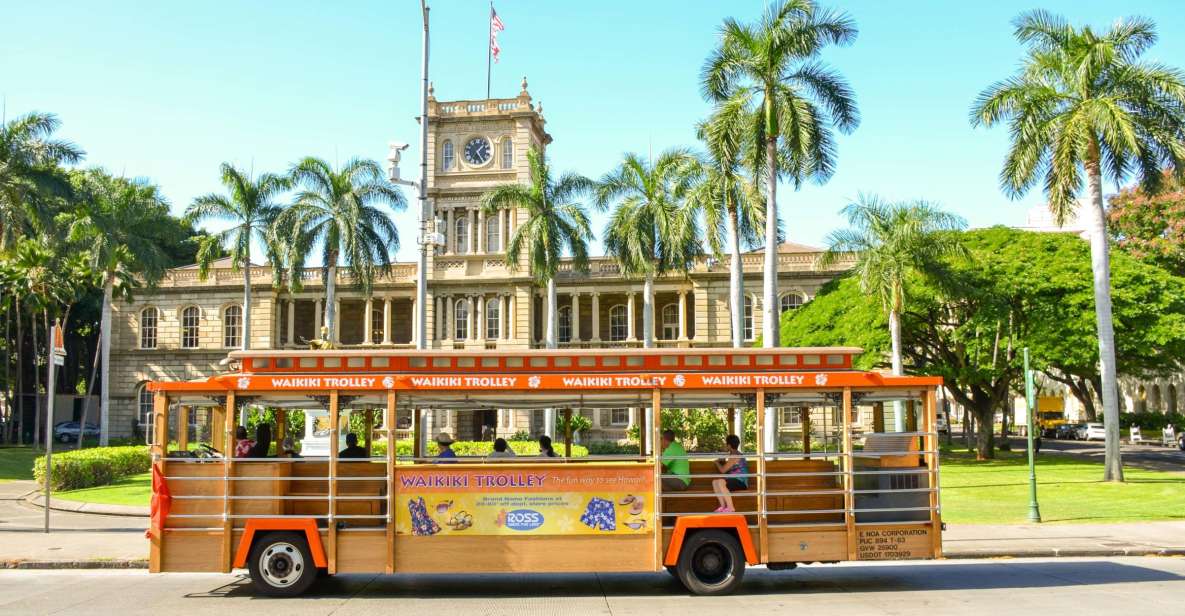
- Four color-coded lines you can mix and match across 1 to 4 days, instead of betting everything on one long tour
- Diamond Head plus KCC Farmers’ Market via the Green Line, starting from convenient Waikiki-area stops
- Sea Life Park anchored on the Blue Line, with a coast-hugging ride and regular chances to hop off for photos
- Ala Moana Center shopping and dining accessible via the Pink Line, including frequent service (one rider noted the Pink Line arriving about every 15 minutes)
- Honolulu history and culture on the Red Line, with context from the days of kings and queens through WWII and on to modern influences
- English driver narration and clear audio, with one comment saying the speakers could be heard from every seat
How the All-Line Pass Works Around Waikiki
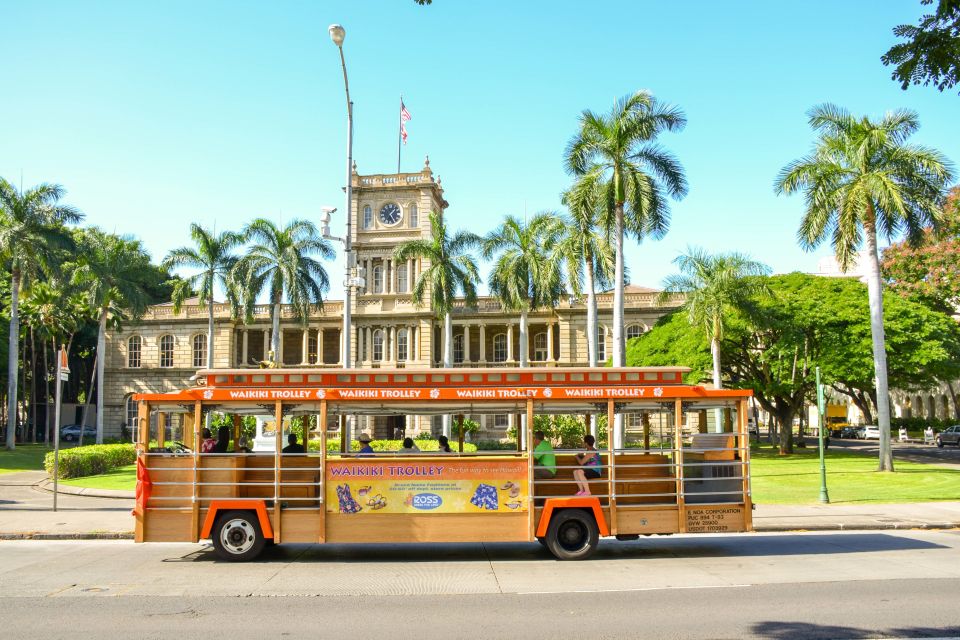
Think of this as your low-effort strategy for Waikiki and nearby Honolulu: you buy one pass, then ride multiple routes at your own pace. You can hop on and hop off at stops around Waikiki, and the trolley schedules live on WaikikiTrolley.com.
What makes it practical is that each line has a clear “mission.” The Blue Line is about coast views and Sea Life Park, the Green Line is for Diamond Head and KCC Farmers’ Market, the Pink Line focuses on shopping and dining (with Ala Moana Center called out), and the Red Line is where you slow down for stories—Hawaii’s past to WWII and the cultures that shape today’s island life.
Your biggest win is flexibility. With a hop-on hop-off setup, you can do a little history, then jump to shopping, then come back for dinner—without trying to time traffic, parking, or ride-shares.
Before you plan your day, do two simple things: check the current lineup on WaikikiTrolley.com and decide what you want most from each line. That keeps the pass from becoming a “try everything” exercise.
You can also read our reviews of more tours and experiences in Oahu.
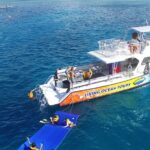

Blue Line: Coast Views and Sea Life Park Without the Car
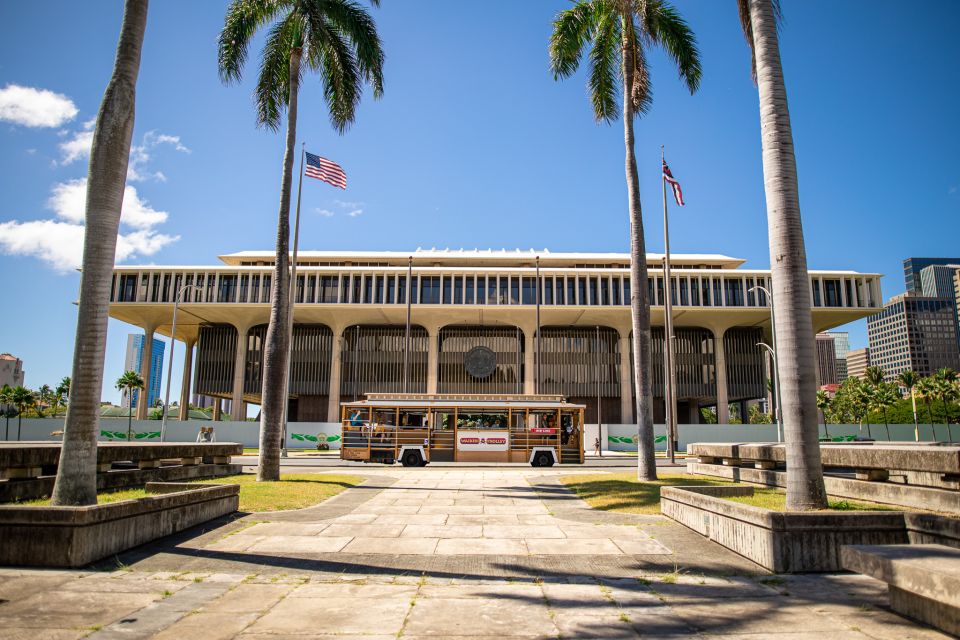
If you want the most straightforward payoff, I’d start with the Blue Line. It’s built around coastal scenery and local stops along the way, with Sea Life Park as a clear destination.
You also get options to break up the ride. People mention the guide stopping for photos and even water, which matters in the Hawaiian sun when you want the view but also need quick comfort.
Sea Life Park is a major anchor because it gives you a reason to spend real time off the trolley instead of just “sightseeing from the window.” It’s the kind of stop that works whether you’re traveling solo, as a couple, or with kids who want more than a quick photo.
Along the route, you may see stops tied to food and local life. Names that come up include Kahala Mall, Diamond Market & Grill, and Rainbow. Even if you don’t eat at every stop, these are useful waypoints for planning lunch and building your day around actual places, not just drive-by landmarks.
One more small note: a few riders call out that the coastal portion can feel like a longer, guided experience rather than a short loop. That’s a plus if you like guided commentary, but it’s a reminder to start early if you want to combine Blue Line with another line the same day.
Green Line to Diamond Head and KCC Farmers’ Market
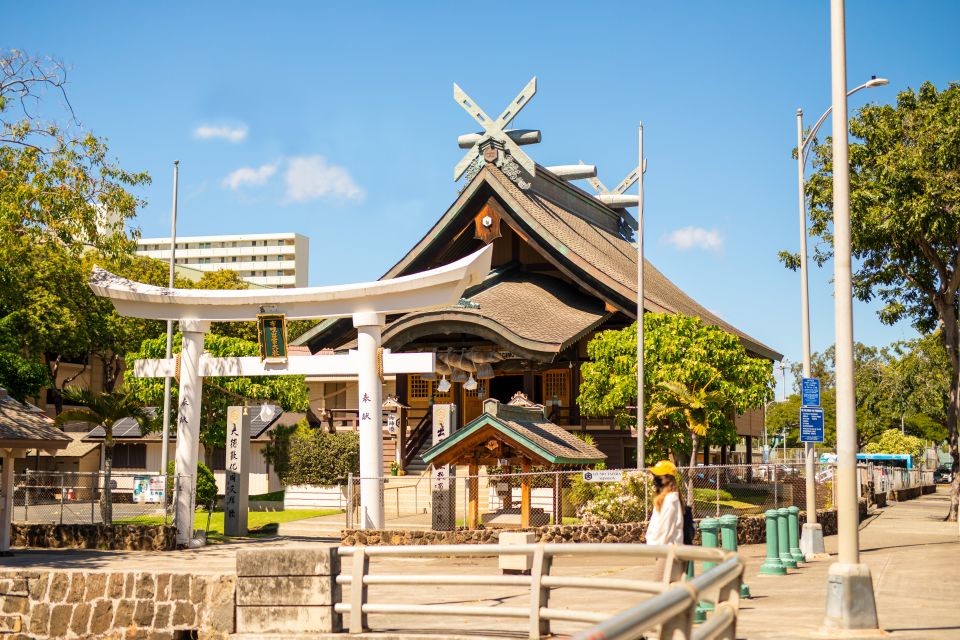
The Green Line is your “get me there” route for one of Oahu’s most famous lookouts: Diamond Head. The big advantage here is convenience. Instead of figuring out parking and a self-guided shuttle plan, you hop on where you’re staying and ride directly toward the Diamond Head area.
The Green Line also connects you to KCC Farmers’ Market, which adds a different flavor to your day. Farmers’ markets can be hit-or-miss if you’re expecting a huge production, but KCC gives you a chance to slow down, snack, and pick up something local before heading back into Waikiki.
If you’re trying to build a morning plan, this line is a good candidate. One rider specifically mentioned Dino giving a great Diamond Head-line experience at 8:30am, which hints that earlier runs can pair well with cooler temps and prime light for photos.
The main “drawback” isn’t the route—it’s the reality that Diamond Head is a landmark you’ll likely want time for. Plan your day so you’re not trying to cram Green Line into a rushed half-hour transfer. If you treat it like a real stop, it pays off.
Also remember: the trolley is your transport, not your queue manager. You still need a little patience once you hop off at Diamond Head or KCC. The good part is the trolley keeps working in the background, so you’re not stuck once you leave the stop.
Pink Line: Ala Moana Shopping Shuttle for Waikiki Breaks
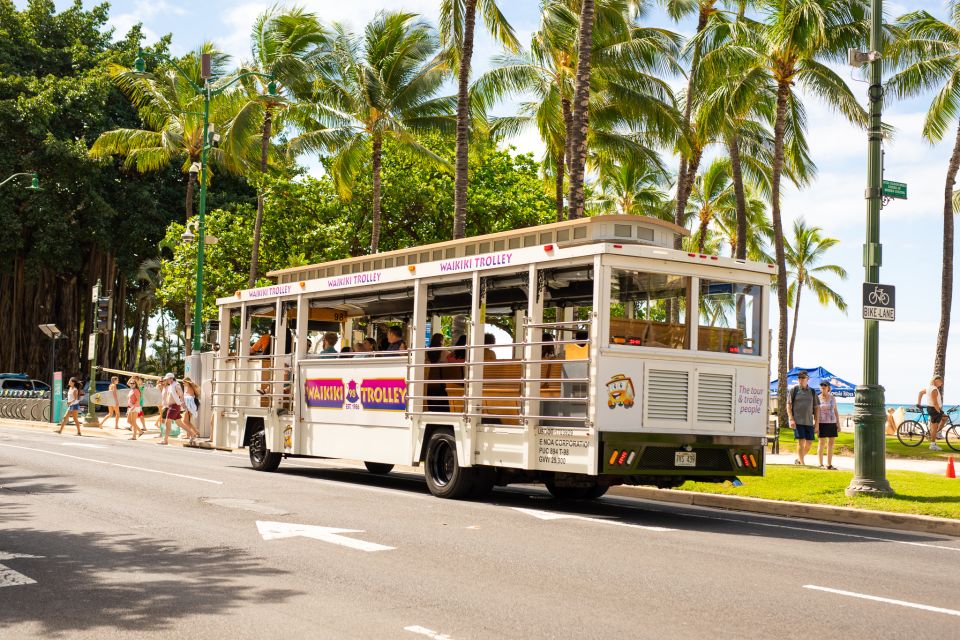
The Pink Line is the shopping-and-dining line, and it’s one of the easiest ways to break out of Waikiki without turning your day into logistics. The big name here is Ala Moana Center, described as a central shopping destination and popular with locals too.
In practice, this means you can use the trolley like a clean, reliable “bridge” between your hotel and a full day of browsing, eating, and people-watching. If you like having one solid indoor anchor—especially when the weather shifts—this line is a strong choice.
Riders also note the Pink Line’s frequency. One person mentioned it arriving about every 15 minutes, and that kind of cadence helps if you’re hopping in and out for short errands rather than committing to a single long stop.
The Pink Line also helps you avoid the common vacation trap: spending your limited time on the road instead of where you actually want to be. Waikiki can be walkable in parts, but once you start reaching for larger shopping areas, the trolley starts looking like a bargain.
Guide performance gets a lot of praise on this line too. Tanner is called out in one note for being funny and informative during a Pink Line ride. That matters because shopping days can feel passive—driver narration turns the travel stretch into part of the experience.
If you plan to do laundry, buy gifts, refill sunscreen, or simply grab a predictable meal in an air-conditioned environment, the Pink Line is your best bet.
Red Line: Honolulu Culture, WWII Stories, and the City/Art District
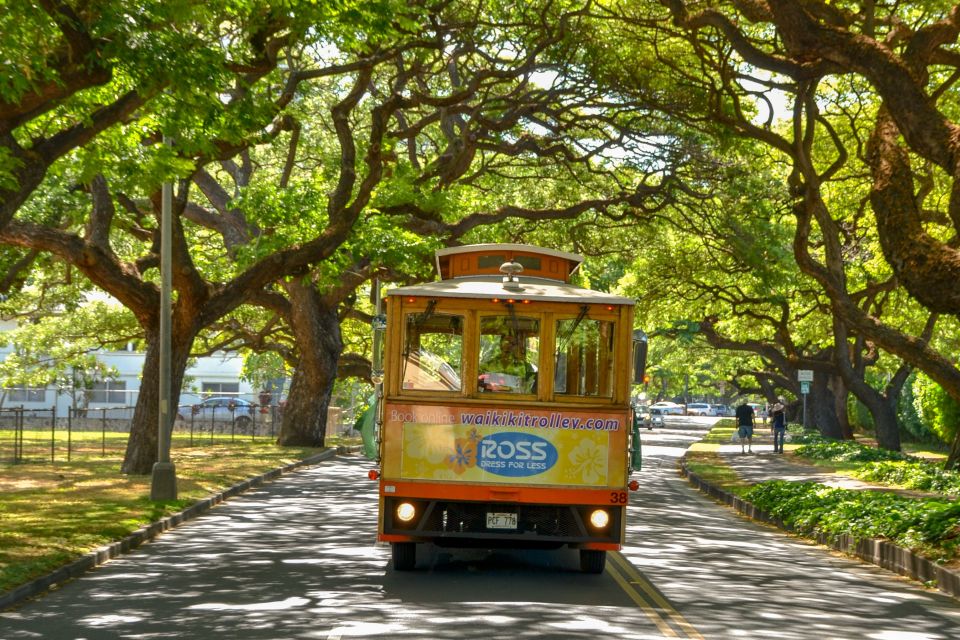
The Red Line is where the trolley turns into a mini lesson. The route focuses on Hawaii’s story, from the time of kings and queens to WWII, then carries those threads into the cultures influencing the islands today.
This is also the line that targets the City/Art District. That’s handy because you can pair history and neighborhoods—so it doesn’t feel like you’re just sitting through facts with no place to walk afterward.
I like the Red Line concept for travelers who want meaning without doing a full-day museum crawl. Even if you’re not the type to chase every historical stop, the Red Line gives you a framework you can use while you explore on foot.
There are a bunch of guide names that come up repeatedly across the Red Line experiences. Turk is praised for being informed and genuine. Kimo gets called out for laughs and excellence as a driver-guide. Oli is noted for explaining the Pearl Harbor attack and adding other island context. And one rider mentioned Kai singing during the experience.
One practical caution: a rider said the Red Line ended earlier than the other lines. So if your plan includes an evening out—dinner in town, sunset photos, or a late museum vibe—build your day knowing the Red Line may not run as late.
If you want the best schedule fit, treat the Red Line as your early evening option or as the start of your day, then use another line for later flexibility.




Stops That Pair With Real Meals, Markets, and Time Off
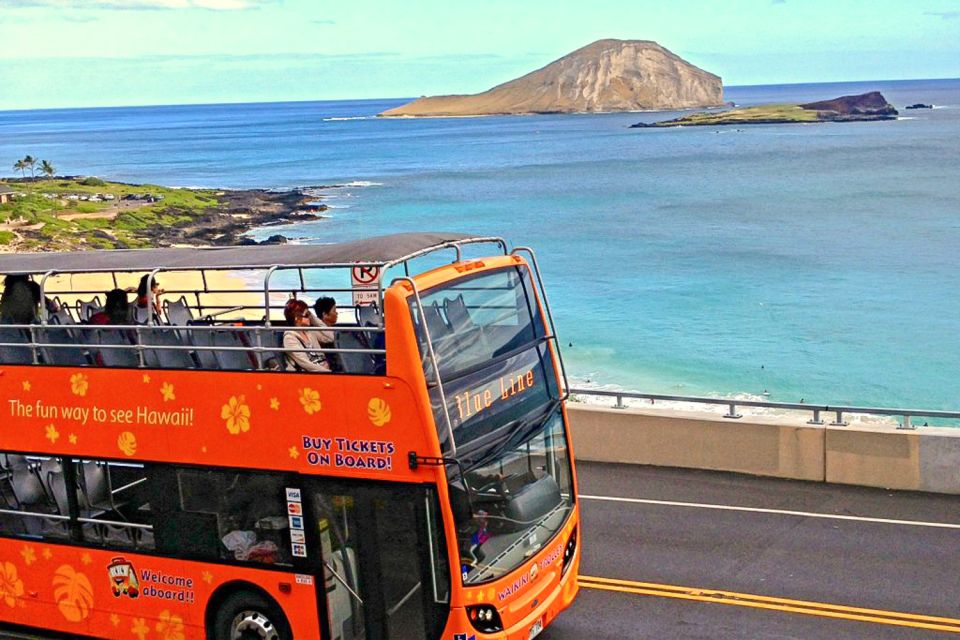
A pass is only as useful as the places it connects you to, and this one is built with daily life in mind. You’ve got malls and markets, plus specific food-related stops.
On the Blue Line, Kahala Mall and Diamond Market & Grill are named, along with Rainbow. On the Green Line, KCC Farmers’ Market helps you create an easy food plan without searching. On the Pink Line, Ala Moana Center gives you a one-stop option for shopping and dining.
The best part about having these anchors is how they shape your timing. You can hop off for a meal, hop back on when you’re done, and avoid turning the day into constant decision-making. That is especially helpful in Waikiki, where you can easily burn time comparing options.
Also, the open-air design shows up in the way people describe riding it. One note says the trolley is open-air and well ventilated and cool to travel in. That’s good for comfort, but it also means you’ll feel the outdoor conditions more than you would on a fully enclosed bus.
Bring a simple mindset: treat each line as a way to reach an area, then spend your energy on what you actually want to do there. The trolley handles the movement.
Price and Value: Why $62 Can Beat Other Options
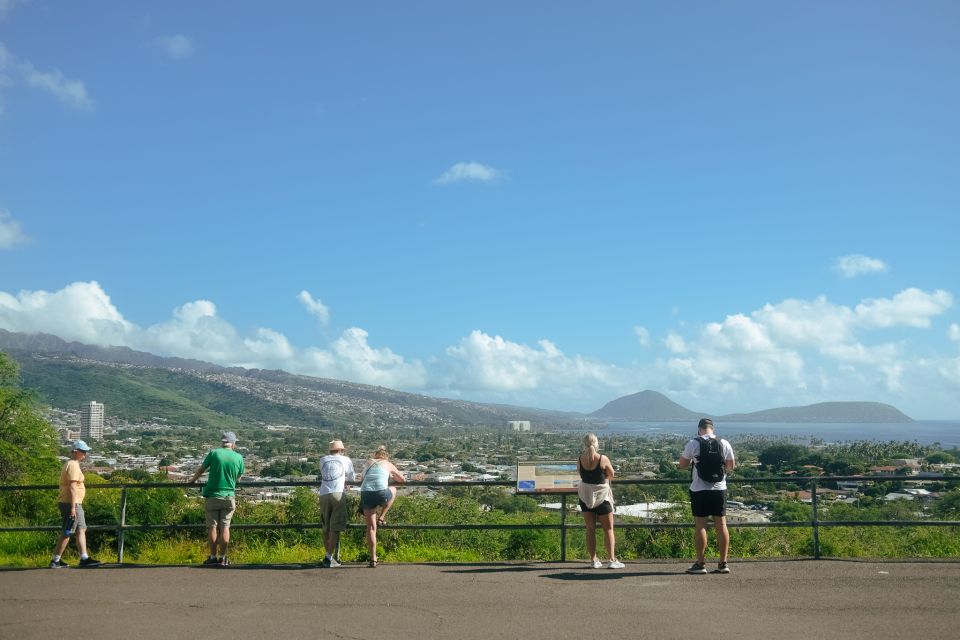
At $62 per person, this pass isn’t the cheapest thing in Honolulu—but it can be a smart value if you use it like a pass, not like a one-time ticket.
Here’s the value logic I’d use. First, you’re paying for multiple routes—four in total—so you’re not locked into a single loop. Second, the hop-on hop-off setup lets you spread your sightseeing across days and across interests (views, shopping, history, attractions).
A few riders explicitly compare it to the cost of “city tours” and say it’s cheaper for the amount of riding and information you get. Another comment points out that ride-shares could cost a lot, and the trolley avoids the constant pricing surprises of calling cars around town.
If you’re staying in Waikiki for several days, that matters. The people who get the most out of this tend to use the pass repeatedly across different lines, not just once. One rider with a 4-day option used it for three days, which is a practical sign that you don’t have to max out every day to make it worth it.
The other value angle is mental energy. When you don’t rent a car, you don’t spend time on parking. You also don’t waste daylight making routes work. For a place like Waikiki, where distances can be short but navigation and parking can still be annoying, that’s real value.
Comfort, Timing, and the Rules You Should Know
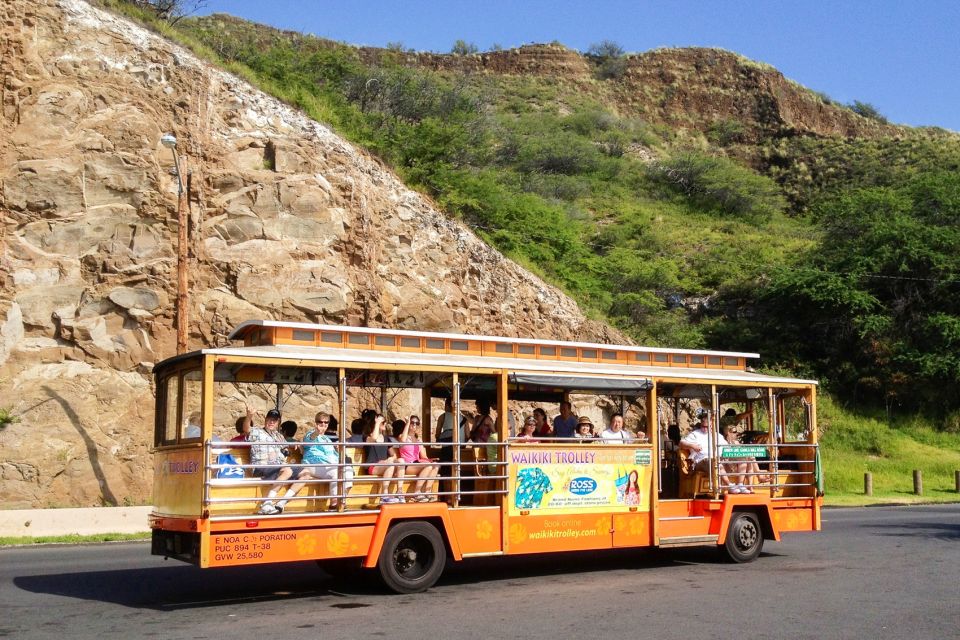
The trolley is wheelchair accessible, and drivers speak English, which helps if you want to ask basic questions at stops. You’ll also find the audio system mentioned as being loud enough to hear from every seat, so you don’t have to guess what you’re missing.
Comfort seems to be decent overall, but there’s one note about seats. Someone said seats weren’t comfortable and also mentioned that shocks felt minimal. Translation: plan for a normal bus ride, not a plush lounge chair.
Timing matters most with the Red Line. Since some runs may end earlier than the others, keep your evening plans flexible or put the Red Line earlier in your schedule.
Also read the practical rules before you pack. Oversize luggage isn’t allowed, and smoking is not allowed. You also shouldn’t bring luggage or large bags, which matters if you’re traveling with bulky day packs or multiple suitcases.
Lastly, the pass runs for 1 to 4 days, depending on what option you select. If you’re flexible, you can time it around the days you’ll actually be hopping between areas.
A simple way to plan your 1 to 4 days on Oahu
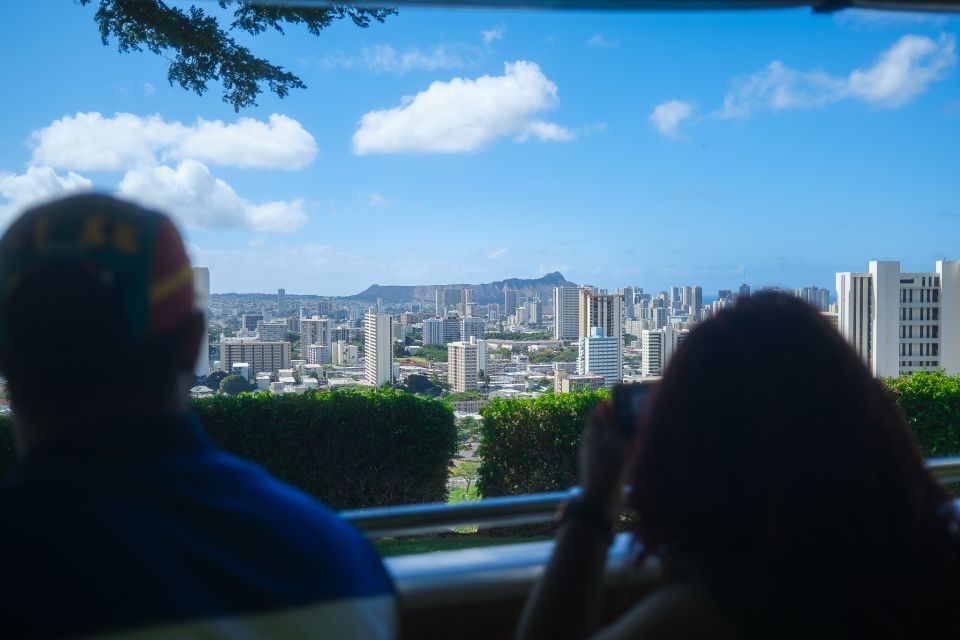
I’d use the lines like puzzle pieces. Pick one “big anchor” per day, then use the other lines to round out your time.
If you only have 1 day: do Blue Line for coastal views and Sea Life Park, then use Pink Line in the afternoon for shopping or dinner at Ala Moana. If your day starts early enough, add a short Red Line run for history before it winds down.
If you have 2 days: split it. Day one is Green Line for Diamond Head and KCC Farmers’ Market. Day two is Blue + Pink, with Red Line slotted into the City/Art District when it fits your schedule.
If you have 3 to 4 days: loosen up. Do one full day centered on the Blue Line. Use Green Line as a morning reset. Spend an evening on the Red Line when you want stories and neighborhood vibes. Then save Pink Line for errands and shopping breaks when you need a dependable option.
This approach keeps you from bouncing around randomly. It also helps if you’re traveling with more than one interest in your group—someone can shop while someone else does Diamond Head without turning the day into arguments.
Should you book the Waikiki Trolley Hop-on Hop-off All-Line Pass?
If you want a low-stress way to see Waikiki and nearby Honolulu without renting a car, I think this pass is worth serious consideration. It’s built for flexibility: multiple lines, hop-on hop-off stops, and clear destinations like Diamond Head, KCC Farmers’ Market, Sea Life Park, and Ala Moana Center.
Book it if:
- you’re staying in Waikiki and plan to get out and explore more than once
- you want guided narration during travel, not just sightseeing from a window
- you prefer shopping and markets that connect easily to your transportation
Maybe skip or rethink it if:
- you only have a few hours and want one tight, fully timed attraction plan
- you’re counting on the Red Line late into the night, since its schedule may end earlier than other routes
If you decide to go, my one practical tip is this: pick your anchor stop first, then build the rest around which line gets you there. The trolley works best when it’s the backbone of your day, not an afterthought.
FAQ
What does the Waikiki Trolley All-Line Pass include?
Your pass covers access to all four Waikiki trolley lines.
How long is the pass valid?
The pass is valid for 1 to 4 days, depending on the option you choose, and you’ll check available starting times.
Can I hop on and hop off whenever I want?
You can hop on and hop off at the stops around Waikiki, with schedules posted on WaikikiTrolley.com.
What attractions can I reach with the trolley lines?
Key destinations named include Diamond Head and KCC Farmers’ Market (Green Line), Sea Life Park (Blue Line), Ala Moana Center shopping and dining (Pink Line), and Honolulu’s City/Art District with cultural and WWII context (Red Line).
Is admission or meals included with the pass?
No. Admission to museums and attractions and meals and snacks are not included.
Are there rules about luggage on the trolley?
Yes. Oversize luggage is not allowed, and luggage or large bags are not allowed. Smoking is also not allowed.