REVIEW · OAHU
PADI Open Water Certification Course Shared Experience
Book on Viator →Operated by Aloha Scuba Diving Company · Bookable on Viator
Scuba cert in Hawaii starts at dawn. This PADI Open Water course is built for first-time comfort, with small-group teaching (max 6) and all equipment included, plus the chance to spot marine life like turtles. One catch: the day starts at 6:00 am, so you’ll want to be ready for an early morning and a moderate fitness level.
What makes this experience appealing is how structured it feels for nervous beginners. In past course days, instructors like Hussein, Erin, Sam, and Saul are repeatedly praised for patient, clear guidance and safety-first habits, which matters when you’re learning buoyancy and control. The format is a shared experience, lasts about 6 hours, and runs in warm, clear water off Honolulu—ideal for getting your skills to “click” without feeling rushed.
In This Review
- Key Highlights You’ll Actually Feel
- Honolulu Warm Water Is a Smart Place to Learn
- Value Check: How $85 Stacks Up (and What to Confirm)
- 6:00 am Meeting at 410 Atkinson Dr: Logistics That Matter
- What Your Course Day Looks Like (Skills First, Ocean Time Included)
- Why the Max-6 Group Size Changes Everything
- Marine Life Odds: Turtles, Octopus, and Ocean Color
- Physical Fitness and Comfort: Know the Level You Need
- Weather and the Reality of the Ocean
- Who Should Book This Course
- FAQ
- Where is the meeting point and what time does this start?
- How long does the PADI Open Water Certification course take?
- How many people are in the group?
- Is scuba equipment included?
- Is there a mobile ticket?
- Is this experience dependent on weather?
- Can service animals go on this activity?
- What physical fitness level is expected?
- What is the cancellation policy if plans change?
- Should You Book This PADI Open Water Course With Aloha Scuba?
Key Highlights You’ll Actually Feel
- Max 6 people means more coaching time and fewer “wait your turn” moments
- Equipment included so you don’t spend the morning hunting gear
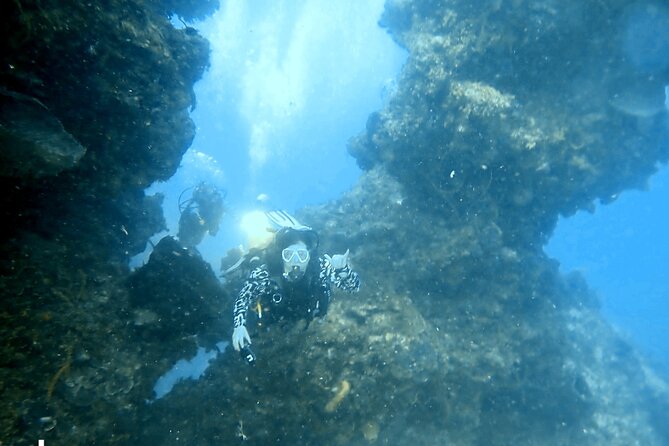
- Honolulu waters are warm and clear enough to focus on skills and wildlife
- Instructors praised for patience including Hussein, Erin, Sam, and Saul
- Marine life sightings like turtles, octopus, eels, and sharks can happen depending on conditions
Honolulu Warm Water Is a Smart Place to Learn
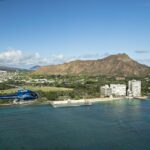
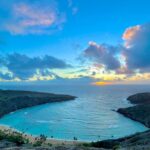
Oahu is a top pick for open-water training because the water off Honolulu is generally warm and clear enough to make learning feel less scary. When you can actually see what you’re doing—air bubbles, body position, and where the bottom is—it’s easier to build confidence fast.
This course is designed around learning the skills you need to become a confident scuba student. The goal isn’t just to check boxes. It’s to help you understand how to stay calm, how to manage yourself underwater, and how to move through the water so you can enjoy the ocean life that Hawaii is famous for.
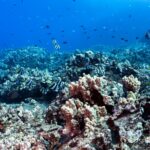
And yes, you’ll be there for wildlife. Past course experiences linked to this company include sightings like turtles, octopus, eels, colorful fish, coral, and even shark sightings on some outings. You can’t book guaranteed animals, but the odds feel good because you’re operating in a well-known, marine-life-heavy area.
You can also read our reviews of more tours and experiences in Oahu.
Value Check: How $85 Stacks Up (and What to Confirm)
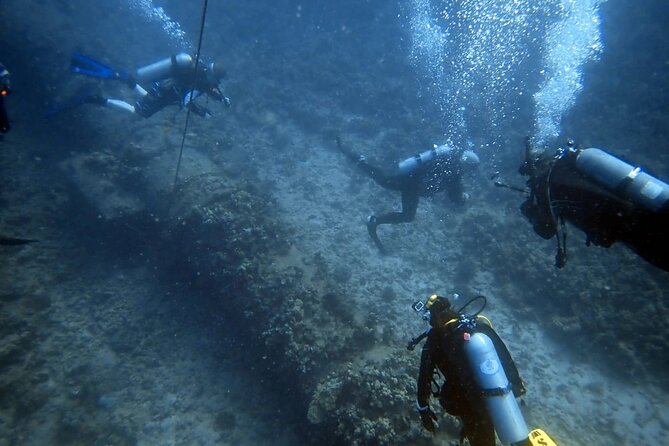
At $85, this price feels unusually friendly for a PADI Open Water certification day—especially with equipment included. In real terms, that matters because scuba gear can be expensive, and a lot of costs show up later if you have to rent multiple items or arrange rentals yourself.
Here’s the practical way to think about it: the value is best if (1) you want a guided, small-group experience, and (2) you don’t want the hassle of coordinating rentals. The course also includes the use of all necessary diving equipment, which reduces day-of stress.
Still, before you lock it in, I’d double-check what you’re paying for beyond gear. The data here confirms the course experience and equipment use, but it doesn’t list things like PADI materials or any required paperwork fees. If you want zero surprises, ask what’s fully included in your booking and what you’ll handle directly with PADI or other requirements.
6:00 am Meeting at 410 Atkinson Dr: Logistics That Matter
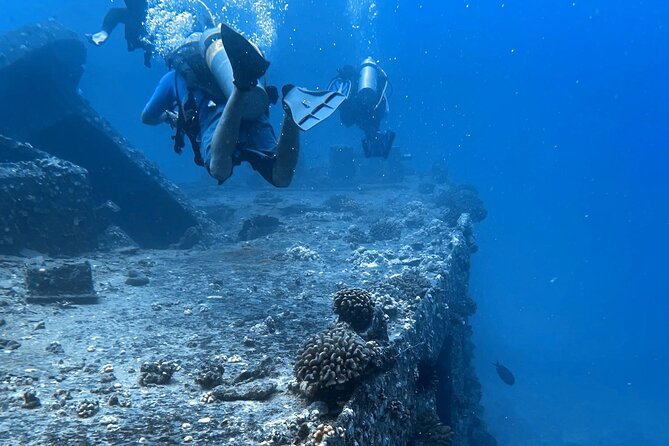
The day starts at 6:00 am at 410 Atkinson Dr, Honolulu, HI 96814. That’s early, but it’s also the kind of timing that helps you get on the water while conditions are favorable.
You’ll use a mobile ticket, and the meeting point is listed as being near public transportation. That’s useful if you’re staying somewhere without easy car access or if you don’t want to fight Honolulu traffic before your training day.
Plan to arrive a little early. Even if check-in moves quickly, you’ll want time to get settled, handle any forms, and get your gear situation sorted without rushing.
What Your Course Day Looks Like (Skills First, Ocean Time Included)
This is a one-day ~6-hour course, and the structure is centered on teaching you the skills needed for open-water certification. You’ll get guidance from a very qualified instructor, and the small-group cap (max 6) helps you get the kind of repetition and coaching that makes new skills stick.
A realistic flow for your day looks like this:
1) Check in and gear setup: You’ll use the scuba equipment included in your price. The biggest win here is you don’t spend the day bargaining with rental counters or trying to guess fit and sizing.
2) Safety and skill instruction: The instructor teaches what you need to do and how to do it safely, with attention to comfort and control.
3) Training in the water: You practice the core skills until you can perform them with more confidence.
4) Open-water experience with marine life: As you build comfort, the ocean time becomes the fun part—seeing wildlife is a major reason people take the course in Hawaii.
Some people feel nervous before they start, and that’s normal. In past experiences with this company, students described being scared at first and then feeling safe because instructors coached them step-by-step and didn’t treat anxiety as a problem to ignore. That’s exactly what you want in open-water training: calm structure, not tough talk.
Why the Max-6 Group Size Changes Everything
In scuba training, the difference between “I did it” and “I understand it” often comes down to feedback. A class capped at six travelers makes a big deal out of the instructor’s ability to watch what you’re doing and correct issues early—before they turn into habits.
This matters most if you’re:
- doing your first scuba course,
- returning after a long time out of the water,
- or just the type who needs reassurance to move forward.
In past course reports connected to this provider, instructors have been praised for being friendly, patient, and safety-focused, especially with first-timers. Names like Hussein, Erin, Sam, and Saul show up repeatedly for clear explanations and a supportive tone, and that tracks with what you want when you’re trying to learn a new skill while also managing breathing, buoyancy, and comfort.
If you’re traveling with family, this kind of small-group setup can be a relief. There are also indications the experience works well for teens when the instructor takes the time to make them comfortable.
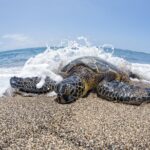
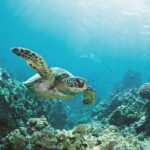
Marine Life Odds: Turtles, Octopus, and Ocean Color
The promise here isn’t just paperwork and practice. It’s also ocean life. Even in a certification-focused day, wildlife sightings are part of the reward.
Based on the marine life described in associated course experiences, you might spot:
- turtles
- octopus
- eels
- sharks (depending on conditions)
- colorful coral and lots of fish
What I like about this is the “student mindset” is easier to maintain when the ocean is already giving you moments to look forward to. You’re not just trying to survive a new skill session. You’re learning while your eyes stay open to the world beneath you.
That said, ocean life is seasonal and condition-based. Currents, visibility, and water temperature can change what you see. Your best move is to go in flexible: focus on learning first, and treat wildlife as the bonus.
Physical Fitness and Comfort: Know the Level You Need
Your booking info lists moderate physical fitness as the expectation. That’s the right kind of wording because scuba is not just about athleticism—it’s about being able to follow instructions, move with gear in and out of the water, and stay comfortable during the day.
If you’re generally active and comfortable standing, walking, and moving at a steady pace, you’ll likely be fine. If you have mobility limits or medical concerns, I’d talk to the provider before you commit—especially since this is hands-on training where safety checks matter.
If you’re nervous about the water, that’s also workable. Past open-water training experiences with this company include people who started out anxious and then felt safe once instruction was broken down into understandable steps. That’s another reason I like small-group courses: it reduces the pressure.
Weather and the Reality of the Ocean
This experience requires good weather. If it’s canceled due to poor weather, you’ll be offered a different date or a full refund. That’s important in Hawaii—not because the team is unpredictable, but because the ocean is the ocean.
Here’s how to handle it: don’t schedule tight connections the rest of that day, and keep some flexibility. If you’re the type who loves packing a travel day full of plans, this is the one moment where you should leave room for the sea to do its thing.
Who Should Book This Course
You’ll likely love this course if you want:
- small-group open-water certification in Oahu,
- equipment handled for you,
- and a company with a track record of patient instruction (Hussein, Erin, Sam, Saul are names that show up in prior course experiences).
It’s also a strong choice for travelers who want to learn in a place where you can see real ocean life without turning the day into an expedition planning project.
You might think twice if:
- you know you hate early mornings and won’t function at 6:00 am start time,
- you’re not comfortable meeting the moderate physical fitness level,
- or your schedule is rigid with no flexibility for weather changes.
FAQ
Where is the meeting point and what time does this start?
The meeting point is 410 Atkinson Dr, Honolulu, HI 96814, USA, and the start time is 6:00 am.
How long does the PADI Open Water Certification course take?
It runs for approximately 1 day / 6 hours.
How many people are in the group?
The experience has a maximum of 6 travelers.
Is scuba equipment included?
Yes. The price includes the use of all necessary scuba equipment.
Is there a mobile ticket?
Yes, it uses a mobile ticket.
Is this experience dependent on weather?
Yes. It requires good weather. If canceled due to poor weather, you’ll be offered a different date or a full refund.
Can service animals go on this activity?
Yes. Service animals are allowed.
What physical fitness level is expected?
Travelers should have a moderate physical fitness level.
What is the cancellation policy if plans change?
There is free cancellation. You can cancel up to 24 hours in advance for a full refund; cancellations less than 24 hours before the start time aren’t refunded.
Should You Book This PADI Open Water Course With Aloha Scuba?
If your goal is to get your PADI Open Water certification in Oahu while keeping stress low, I think this is a solid choice. The combination of a max-6 group, equipment included, and a teaching approach praised for patience (names like Hussein and Erin come up often) hits the things that matter most when you’re learning scuba.
Book it if you can handle an early 6:00 am start and you’re comfortable with the moderate fitness expectation. Keep a little schedule flexibility for weather, too, because the ocean is part of the deal.
If you’re looking for a certification day where you feel coached, not rushed—and where the water is warm enough to make learning easier—this is the kind of course I’d recommend you seriously consider.