REVIEW · OAHU
Private Sea’fari Expedition • 8 Guests Included (Expandable)
Book on Viator →Operated by Wild Side Specialty Tours, LLC · Bookable on Viator
Wildlife research meets Hawaiian storytelling. A private Sea’fari expedition on the Hale Kai catamaran blends dolphin and whale spotting with hands-on citizen science and cultural interpretation out on Oahu’s west coast.
I especially love the included homemade lunch, snacks, juices, and water paired with the small comforts onboard. I also like that guides bring together marine naturalist work and Hawaiian cultural storytelling, so the trip feels more meaningful than just watching for animals.
One thing to think about: the outing requires good weather, so if conditions aren’t right, your plan can shift to another date rather than running as scheduled.
In This Review
- Key highlights you’ll care about
- What makes this Sea’fari feel different on Oahu’s west side
- The 3-hour plan: how the timing stays fun (not rushed)
- Ka‘ena Point State Park stop: offshore scouting and bird-and-dolphin range time
- Makaha Beach Park stop: where snorkeling and close-up encounters can happen
- Citizen science on your vacation: what you’re really doing
- Guides and culture: the stories that make the animals mean more
- Wildlife you can hope for (and why the crew’s search style matters)
- Snorkeling and reef time: gear included, focus on comfort
- Food and drink: the included lunch is part of the value
- Boat comfort and setup: why the Hale Kai layout helps
- Price and value: when $1,900 per group makes sense
- Who should book this Sea’fari (and who might skip it)
- Practical tips to get the most out of your 3 hours
- Should you book this private Sea’fari expedition?
- FAQ
- FAQ
- How long is the Private Sea’fari Expedition?
- How many people are included on the private charter?
- Where do you meet and what is the end point?
- What wildlife will the expedition focus on?
- Is snorkeling gear included?
- What food and drinks are included?
- What happens if the weather is poor?
Key highlights you’ll care about
- Private charter (up to 8) with a crew that can tailor the pace, including how much time you spend snorkeling
- Citizen science participation tied to real conservation and monitoring work
- Hale Kai 34-ft power catamaran: open-air deck for spotting and a shaded lounge to cool down
- Snorkel kit included (mask, snorkel, fins, floatation belt) plus reef-safe sunscreen
- Guides who connect wildlife and culture with Hawaiian stories, ecology lessons, and ocean respect
What makes this Sea’fari feel different on Oahu’s west side
This is not a big cattle-boat ocean tour. It’s a private, research-style marine charter built around marine naturalists and cultural interpreters working together, so you get both the science and the meaning. The format is simple: you head out, you look for wildlife, and you’re encouraged to participate in citizen science while you’re there.
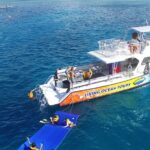
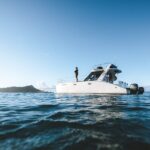
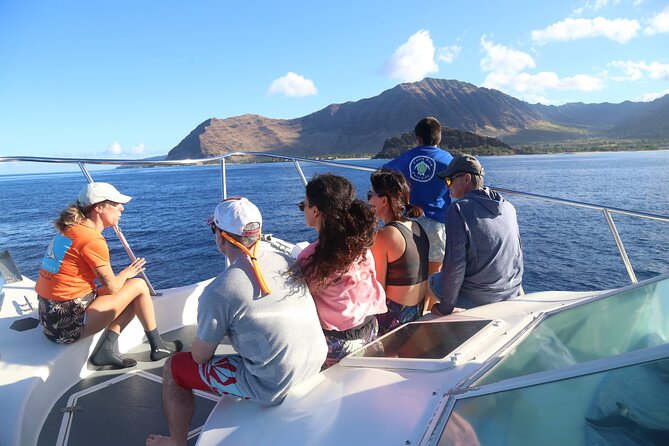
The boat also helps the vibe. The Hale Kai is a 34-ft power catamaran with an open-air deck for scanning horizons and a shaded lounge to recover between swims and sightings. Even when the ocean is active, the layout makes it easier to stay comfortable and focused.
If you want the West Side feeling without the hassle of coordinating a group, this is a strong fit. It’s priced for a group (up to 8 included), which can make it feel reasonable compared with paying per person on smaller specialty craft.
You can also read our reviews of more private tours in Oahu
The 3-hour plan: how the timing stays fun (not rushed)
The expedition runs about 3 hours, and that’s a sweet spot for most people. It’s long enough to get offshore and still short enough that you don’t spend your whole vacation day “on standby.” You also get to choose how you want to spend your water time, instead of being locked into a strict checklist.
Your route is built around two stops:
- Stop 1: Ka‘ena Point State Park
- Stop 2: Makaha Beach Park
Each stop matters because it’s part of how the crew searches for the day’s likely marine activity. You’re not just commuting out and back; the charter is designed as a moving wildlife search, with the guides steering you toward the best opportunities they can find that day.
Ka‘ena Point State Park stop: offshore scouting and bird-and-dolphin range time
When you’re headed toward Ka‘ena Point State Park, the goal is straightforward: maximize time in the kinds of ocean zones where you might see dolphins, whales, sea turtles, and seabirds. This is the “look wide, scan long” portion of the trip.
What makes this stop good for you: it sets up the rhythm of the day. You start with viewing, you learn how to read the water (and the behavior of birds and surfacing animals), and you build momentum before you choose to get in the water.
A potential drawback: if you’re hoping for back-to-back snorkeling time, the trip’s total length limits how much water play you can stack. In a 3-hour charter, there’s always a tradeoff between time spent watching from the boat and time in the water.
Makaha Beach Park stop: where snorkeling and close-up encounters can happen
Makaha Beach Park is the second anchor of the day. This is where the expedition’s “hands-on ocean time” fits in, when conditions allow. Since snorkeling gear is included, this is usually the portion where you’re most likely to make use of it.
This stop matters because it’s also where the trip’s ethical approach shows. The crew’s job isn’t just to find animals; it’s to do it in a way that keeps everyone safe and respectful of wildlife. They’ll get you set up quickly so you can actually enjoy the reef time and not waste your energy.
One practical note: bring your towel and wear sun protection that can handle water time. The charter includes plenty of snacks and drinks, but you still need to manage sun like it’s real Hawai‘i sun.
Citizen science on your vacation: what you’re really doing
The headline here is make a positive impact. You can join a citizen science component during the expedition, working alongside marine biologists and conservation-minded guides. That’s the point: you’re not just observing nature, you’re helping collect information that supports conservation work.
What I like about this model is that it doesn’t feel like a gimmick. The guides bring both scientific curiosity and cultural perspective to the conversation, so the work feels connected to why Hawai‘i’s ocean matters. It also gives the trip a structure that’s more engaging than simple sightseeing.
If you’re the type of traveler who enjoys learning small, useful things on the spot—how scientists monitor marine life, what to record, how to behave around wildlife—this will land well. If you’re not into note-taking or tasks, you can still enjoy the ocean; you’ll just want to treat the citizen science side as a light add-on, not your main job.



Guides and culture: the stories that make the animals mean more
The company’s crew is built from marine naturalists plus cultural interpreters. That combination shows in how they explain what you’re seeing. Instead of only giving species lists, they connect animal behavior to ecology and then to Hawaiian ocean relationships.
This is where names from real days at sea help you picture the experience. You might sail with captains and guides like Captain Tori (who has led dolphin-and-whale-heavy outings) and marine specialists such as Bethany, who’s also described as fast in the water and strong with photos. Other crew names you’ll hear associated with these charters include Connor, Chris, AJ, Liah, and Brittney.
What you should take from that: the crew tends to be both safety-minded and “talk while you watch.” You get explanations that fit the moment, not a generic script you’ll forget once the boat hits open water.
Wildlife you can hope for (and why the crew’s search style matters)
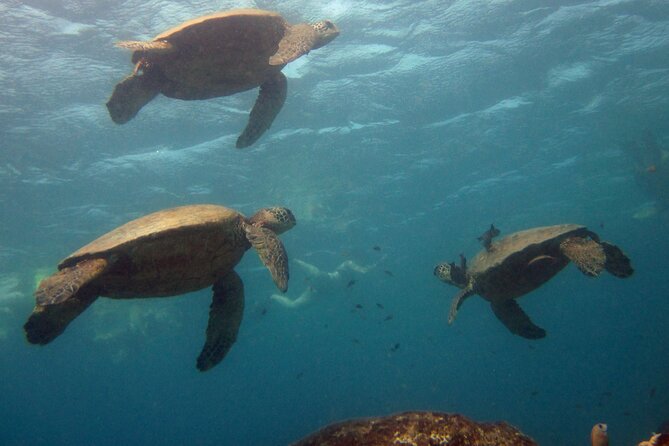
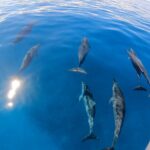
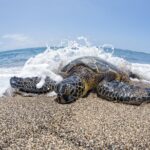
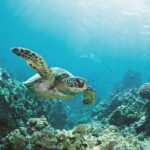
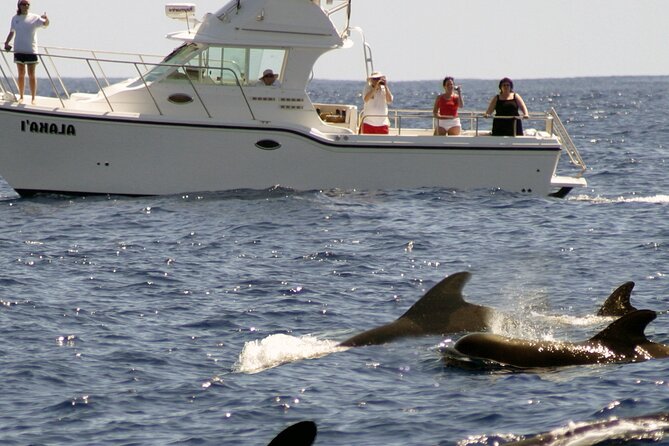
The tour focuses on encounters with wild dolphins, offshore whales, sea turtles, and rare seabirds. It also highlights the chance to swim around these animals and explore coral reef habitat through snorkeling.
A key point for your expectations: nobody can promise exact sightings on the ocean. But what helps you feel confident is how the crew runs the day. They go where they expect wildlife activity, and they adjust as conditions change. On past outings, people have reported a long list of sightings, including turtles, flying fish, bottle-nosed dolphins, spinner dolphins, and whale species like humpbacks and pilot whales.
If you care about “getting lucky” but want better odds than a casual beach boat ride, this charter’s approach is designed for that. The research-style hunt makes the sightings feel more connected to the day’s ocean patterns, not random chance.
Snorkeling and reef time: gear included, focus on comfort
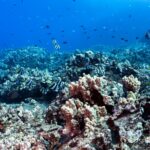
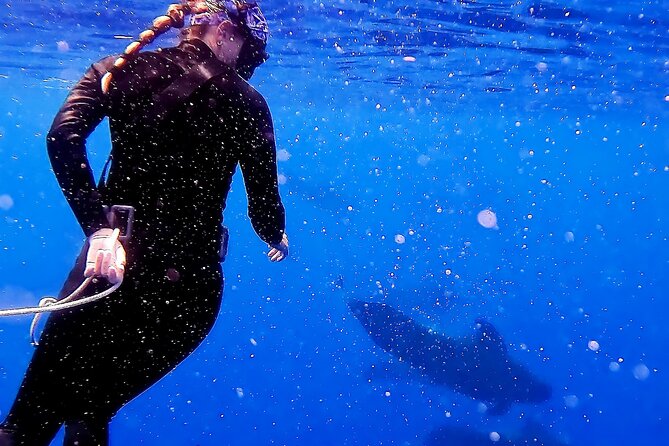
Snorkel gear is included: mask (Rx may be available), snorkel, fins, and floatation belt. That takes a big decision off your shoulders, especially if you don’t pack your own kit.
It’s also a smarter setup than you might expect. You can choose your snorkeling style and timing to match your confidence. On some days, you might do quick water time for glimpses. Other days you may want more repeat looks at the reef and nearby sea life. This is private, so the crew can respond to what you’re actually into.
Two small comfort touches deserve mention:
- Reef-safe sunscreen is included
- You’ll also get a hair conditioner branded as 4 mermaid hair, don’t care
If you’ve snorkeled in Hawai‘i before, you know that the “after” matters. Having reef-safe supplies and conditioning means you spend less time dealing with salt-and-sun hair and more time enjoying the rest of your day.
Food and drink: the included lunch is part of the value
You’ll get an included homemade lunch, plus snacks, juices, and water. Bring a refillable water bottle, because the crew will support your hydration but you’ll still want your own container for easy refills.
I like how the meal setup supports the ocean rhythm. It’s not just “something to eat”; it’s timed to keep you comfortable before and after water time. When you’re out for only about three hours, food quality and timing really matter.
A bonus for practical travelers: the charter includes extras like snacks and drinks, so you’re not forced into paying premium prices for quick convenience once you’re already out on the water.
Boat comfort and setup: why the Hale Kai layout helps
A 34-ft catamaran is a big deal for comfort on a short charter. Compared with smaller open skiffs, you get room to spread out, plus a shaded lounge for breaks. You also get a better vantage point from the open-air deck for spotting wildlife and birds.
Crew members described in past trips have also been attentive to safety and fast transitions into the water. People have noted different goggles options for guests who wear glasses, and the snorkeling-mask program may offer Rx availability for masks. If you have vision needs, it’s worth confirming ahead of time so you can match your setup quickly once you’re onboard.
Price and value: when $1,900 per group makes sense
The listed price is $1,900 per group up to 8 people. That means your per-person cost depends on how many people you bring.
Here’s the simple math:
- Up to 8 people: about $237.50 per person
- Fewer people (like 4): about $475 per person
So the value is strongest when you can actually fill the group share with friends, family, or a multi-generation crew. For couples or solo travelers, it still can be worth it if you want privacy, tailored pacing, and hands-on experiences without negotiating with strangers.
What makes it good value isn’t just the boat and the lunch. It’s the combination of:
- private guidance (including flexibility around snorkeling time)
- wildlife-focused search style
- education and cultural interpretation
- citizen science participation
- snorkel gear + reef-safe supplies
When you add all of that up for a short, well-run 3-hour outing, the price starts to feel less like “just a tour” and more like a specialty ocean experience.
One more practical detail: this kind of private charter is often booked ahead. The average booking window here is about 44 days, which suggests you should plan early if you’re traveling in peak season.
Who should book this Sea’fari (and who might skip it)
Book it if you want:
- A private, small-group experience where your preferences can steer the day
- Marine wildlife viewing plus meaningful cultural context
- A chance to participate in citizen science, not just take photos
- Snorkeling included, with gear and reef-safe supplies ready for you
You might skip it if:
- You need a long, multi-stop day packed with hours of snorkeling. This is only about three hours total.
- You’re traveling when weather can be unstable and you’re not comfortable with possible date shifting due to required good conditions.
If you’re traveling with teens or active adults who love the water, this is a great “highlight day” choice. If you’re the group planner, the included gear and food make it easier to execute without extra shopping.
Practical tips to get the most out of your 3 hours
- Bring a refillable water bottle and treat sun protection like it’s essential gear, not optional.
- Pack a towel and a set of sun-protective clothing you’re comfortable getting wet.
- If you have allergies, plan carefully. The company notes that severe allergies can be a concern since you may be some time from medical help, and it specifically suggests having epi-pens onboard if needed.
- If you’re photography-minded: ask about the crew’s photo help. On past charters, guests praised how quickly some guides can capture shots, even if photos themselves may not be included.
Also, do the easy prep before you go. Decide in advance whether snorkeling is a “quick look” or a “spend time” priority. Then when the guide asks what you want most, you’ll be able to communicate clearly and get the day you’re hoping for.
Should you book this private Sea’fari expedition?
I’d book it if your ideal Hawai‘i day has two ingredients: real wildlife viewing and a trip that connects you to why the ocean deserves respect. The combination of a private Hale Kai catamaran, included lunch and snorkeling gear, and a crew that blends marine science with Hawaiian cultural interpretation makes this a strong value when you can share the group cost.
If you’re mostly chasing a guaranteed “perfect itinerary” feel with no flexibility, keep in mind the ocean runs on weather. But if you’re willing to be guided by conditions and trust the crew’s search style, this is the kind of trip that tends to feel like more than a checklist item.
FAQ
FAQ
How long is the Private Sea’fari Expedition?
It lasts about 3 hours.
How many people are included on the private charter?
The price covers a group up to 8 guests.
Where do you meet and what is the end point?
You meet at Wild Side Specialty Tours in Waianae (85-491 Farrington Hwy, Waianae, HI 96792). The activity ends back at the meeting point.
What wildlife will the expedition focus on?
The tour is designed for encounters with wild dolphins, offshore whales, sea turtles, and rare seabirds, plus chances to snorkel reefs.
Is snorkeling gear included?
Yes. You get a snorkel mask (Rx may be available), snorkel, fins, and a floatation belt.
What food and drinks are included?
You’ll have homemade lunch, snacks, juices, and water. Bring a refillable water bottle.
What happens if the weather is poor?
The experience requires good weather. If it’s canceled due to poor weather, you’ll be offered a different date or a full refund.