REVIEW · OAHU
Small-Group Deep Dive in Oahu with Shipwreck and Reef
Book on Viator →Operated by Hawaiian Diving Adventures · Bookable on Viator
Oahu wrecks and reefs, with a seasoned crew. This small-group charter is built for certified divers, and it usually starts with a shipwreck plunge around 100 feet. You’re not waiting around. You’re getting straight to underwater highlights off Oahu’s coast.
What I like most is the control and focus: a pro instructor/guide travels with you, and the plan shifts by conditions and your group’s comfort. I also like that the wrecks are often farther offshore, which can mean more pelagic fish, turtles, and sharks. One consideration: this charter is geared to experienced divers only, with a requirement for advanced certification or 25 logged dives, plus a health questionnaire and medical screening.
In This Review
- Key Things That Make This Oahu Charter Worth Your Time
- Meeting at 74VV+4X: How the 7:45am Start Shapes Your Day
- The Typical Plan: 100-Foot Wreck Plunge Then a 40–60 Foot Reef Swim
- Stop One: Hawaiian Diving Adventures Base
- Session One: A Wreck Plunge, Usually Around 100 Feet
- Session Two: Reef Swim Around 40–60 Feet
- Why Offshore Wreck Sites Can Mean More Than Just a Photoshoot
- Guides, Equipment, and the Small-Group Advantage (Max 16)
- Equipment: Bring Your Own or Rent
- Physical fit and comfort matter
- Marine Life You Can Aim For: Dolphins, Whales, Turtles, and Pelagic Fish
- Price and Value: What $209 Gets You on This Oahu Charter
- Certification and Safety Filters You Should Not Ignore
- Must be an advanced diver
- Health questionnaire and flying timing
- Service animals
- What Could Go Wrong: Operational Reality to Plan Around
- Who Should Book This Oahu Wreck-and-Reef Charter (and Who Shouldn’t)
- Should You Book This Oahu Shipwreck and Reef Session?
- FAQ
- Is this tour only for experienced divers?
- How long is the Oahu shipwreck and reef experience?
- What depths should I expect?
- Can I rent scuba equipment?
- Where do I meet for the tour?
- Is hotel pickup included?
- What happens if conditions are poor?
Key Things That Make This Oahu Charter Worth Your Time
- Shipwreck first, usually near 100 feet so you get the big moment early.
- Reef swim at about 40–60 feet with the option to steer toward more adventurous underwater areas.
- Guide/instructor on every trip for hands-on support throughout your sessions.
- Offshore wreck sites can help increase your odds of pelagic fish, turtles, and sharks.
- Maximum 16 divers keeps things from feeling like a cattle call.
- Rentals are an option if you don’t want to lug gear through Hawaii.
Meeting at 74VV+4X: How the 7:45am Start Shapes Your Day
This trip begins at 7:45 am, and it runs about 3 hours 30 minutes total. You’ll meet near the 74VV+4X area in Honolulu, and the outing ends back at the same meeting point. That round-trip setup matters because you’re not rebuilding your day around unknown pickup windows.
You’ll want to show up early enough to breathe, fill out any paperwork, and get your gear sorted. The charter is designed for divers who already know what they’re doing, so don’t expect a long intro session. If you’re bringing your own equipment, plan for quick checks so you can stay on schedule.
Also note: no hotel pickup or drop-off is included. If you’re staying far from the meeting area, factor in transport time. The good part is that the meeting area is described as near public transportation, so you’re not locked into hiring a private car.
You can also read our reviews of more tours and experiences in Oahu.

The Typical Plan: 100-Foot Wreck Plunge Then a 40–60 Foot Reef Swim
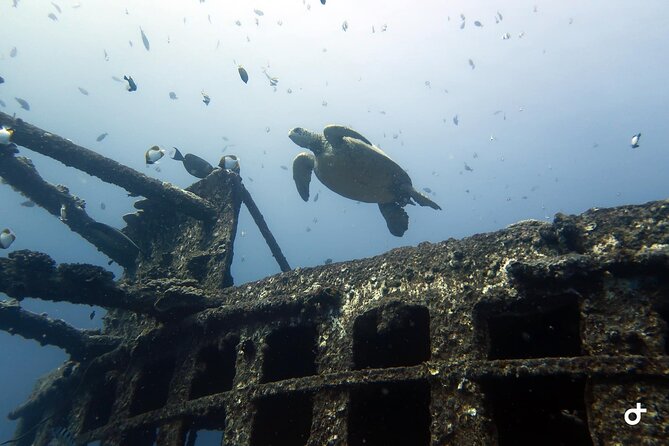
The core experience is built around two underwater sessions with a “match the conditions” style of guiding.
Stop One: Hawaiian Diving Adventures Base
Your scheduled stop is at Hawaiian Diving Adventures. From there, you’ll head into the water with your guide/instructor. The timing is tight, so think of this as an efficient charter: get in, see what you came for, and get back without turning your morning into a half-day production.
Session One: A Wreck Plunge, Usually Around 100 Feet
Most of the time, the first underwater stop is a shipwreck around 100 feet. The wrecks are often significantly farther from shore, and that’s not just a fun detail—it affects what you might see. Farther offshore tends to open up visibility and currents in ways that can bring in more pelagic fish, turtles, and sharks.
For an experienced diver, this is the payoff moment: you’re not just doing shallow “look around” work. You’re going to a site where marine life feels more mobile and less predictable in the way you’d expect off a busy shoreline.
What to consider: 100 feet is not casual. Even for certified divers, you’ll want to be mentally ready for depth control, air planning, and buoyancy steadiness.
Session Two: Reef Swim Around 40–60 Feet
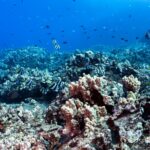
After the wreck, you’ll usually move to a reef at roughly 40 to 60 feet, depending on where the group feels like going and what conditions allow. This second stop is typically more about variety—fish life, reef structures, and the chance to see sea turtles and other creatures in a different setting than the shipwreck.
If the wreck session is the “big target,” this reef stop is where you often slow down and enjoy the textures of the underwater world. It’s a good match for divers who want both a dramatic feature and a classic reef experience.




Why Offshore Wreck Sites Can Mean More Than Just a Photoshoot
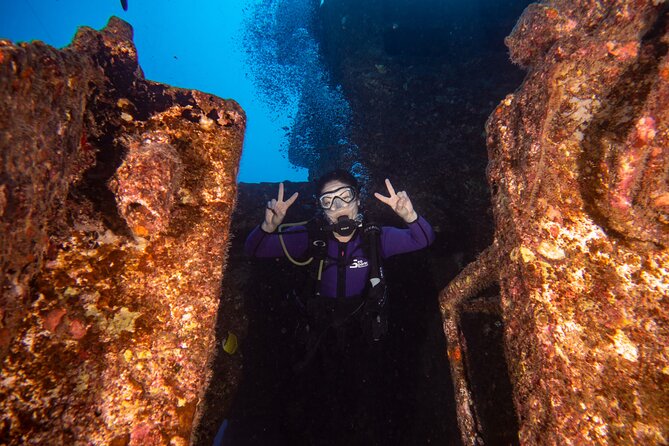
Here’s the practical reason I’d take this charter seriously: the wrecks are described as far enough offshore that they often attract more pelagic activity. That can translate into what you actually care about when you book—seeing living things, not just studying metal.
The tour highlights include opportunities to see dolphins, whales, sea turtles, fish, and more. Not every outing will deliver every species, of course, but the charter is designed around that kind of wildlife-rich structure.
Also, this is geared toward experienced divers, which changes the tone of what “good guiding” looks like. You’re not just being taken to a site. The guide has some freedom to select underwater locations that better match the group’s interests when the experience level lines up.
Guides, Equipment, and the Small-Group Advantage (Max 16)
This is a maximum-16-person charter, which is a big deal for how the water time feels. Smaller groups tend to mean fewer bottlenecks during setup, clearer communication, and less scrambling when you’re checking gauges or sorting out gear.
A professional guide/instructor accompanies every trip. That matters because the plan includes both depth and site changes. Even if you’re a strong diver, having an experienced lead helps with situational awareness—current changes, site selection, and keeping the group synced.
Equipment: Bring Your Own or Rent
You have the option to rent diving equipment or bring your own. Since the exact rental setup isn’t spelled out, I suggest you confirm what’s included in the rental when you book. Still, having rentals as an option is valuable if you’re traveling light or want to avoid the hassle of packing full scuba gear through airports.
Physical fit and comfort matter
The tour notes moderate physical fitness is required. That doesn’t mean you need to be an athlete, but you should expect the day to include getting into the water efficiently, managing gear, and moving with purpose.
Marine Life You Can Aim For: Dolphins, Whales, Turtles, and Pelagic Fish
The headline wildlife listed for this outing is a strong mix: dolphins, whales, sea turtles, fish, and more. The wreck-first structure also supports the idea that you might see different kinds of life back-to-back—mobile pelagics around offshore structure, then reef life in the shallower range.
The shipwreck component is especially worth noting. Wrecks often function like magnets for marine life, and the tour description specifically connects offshore wreck distance to increased chances of turtles and sharks along with pelagic fish. If you’re the type of diver who wants more than “lots of small reef fish,” this format is aiming in that direction.
One more tip: if your goal is wildlife, stay mentally flexible. Marine animals follow conditions. Your guide’s decision-making about where to go on the reef side can heavily influence what ends up on your checklist.
Price and Value: What $209 Gets You on This Oahu Charter
At $209 per person, this isn’t the cheapest way to get wet, but it also isn’t just a basic transportation-and-a-boat deal. The price includes several important items:
- Environmental Management Charge (Reef Tax)
- Fuel surcharge
- Beverages and snacks
- Professional guide
That means you’re not piecing together extra fees for the reef impact charge or fueling. On a short outing, those add up quickly elsewhere.
What’s not included: hotel pickup and drop-off. If you’re already near the meeting point, you’ll feel the value more clearly. If you have to add rideshares or a private transfer, the effective cost rises.
Also, your timing matters: the tour is described as commonly booked about 43 days in advance on average. Booking in advance can help you secure the date you want—especially for a charter with a small maximum group size and specific certification requirements.
If you’re an experienced diver with your own gear, this price starts to look more like a “paid for the right sites and the right guiding” cost, which is exactly what you want for an outing focused on offshore wrecks and a reef plan that can change with conditions.
Certification and Safety Filters You Should Not Ignore
This charter has clear requirements, and they’re there for good reason.
Must be an advanced diver
You’ll need to be a certified diver with an advanced certification or 25 logged dives. Minimum age is 14.
If you meet that requirement, great. If not, this is not the day to test your limits. The whole structure—especially the first session at about 100 feet—assumes you can handle depth, buoyancy, and situational awareness.
Health questionnaire and flying timing
You must complete a health questionnaire prior to diving. Some pre-existing conditions (like asthma and heart conditions) may prevent you from diving, so check with your doctor if you’re unsure.
They also note diving within 18 hours of flying is not recommended. That’s a smart safety flag. If your travel day involves tight connections, plan your trip so you’re not rushing straight into the water.
Service animals
Service animals are allowed, which is helpful to know if you travel with one.
What Could Go Wrong: Operational Reality to Plan Around
The overwhelming vibe here is reliability—high rating and strong recommendation rate. But I would also plan with the real-world possibility that a charter can be affected by bookings and staffing.
One important issue I saw involved a situation where the trip was canceled the day before because there was only one client booked. The key takeaway for you: don’t treat scuba as a set-it-and-forget-it activity. If you’re traveling, keep your schedule flexible around that morning. And if you have a tight flight window (especially with the 18-hour flying-to-diving safety note), you should have a backup plan for changing schedules.
Who Should Book This Oahu Wreck-and-Reef Charter (and Who Shouldn’t)
This charter fits best if you’re:
- Already advanced-certified (or have 25 logged dives)
- Comfortable with a first session around 100 feet
- Looking for an outing that mixes offshore wreck structure with a reef plan that can change depending on conditions
- The kind of diver who wants a pro guide and a small group rather than a big-batch operation
It’s probably not a fit if:
- You only have basic certification and want a first-timer friendly experience
- You’re worried about flying timing or you can’t confidently pass the health questionnaire
- You prefer a relaxed, low-commitment day rather than a focused charter format
Should You Book This Oahu Shipwreck and Reef Session?
If you’re an experienced diver with advanced training and you want a morning that’s built around offshore shipwrecks and a reef stop in the 40–60 foot range, I’d say this charter is worth serious consideration. The value is strong once you see what’s included—reef charge, fuel surcharge, snacks and drinks, and a guide who’s part of the plan from start to finish.
But book it with your eyes open. The requirement for advanced certification is strict, and the operational risk of last-minute change is real for any small-operator charter when demand is low. If your schedule is tight—especially if your flight timing is close—give yourself padding.
FAQ
Is this tour only for experienced divers?
Yes. You must be a certified diver with an advanced certification or have 25 logged dives. The minimum age is 14.
How long is the Oahu shipwreck and reef experience?
It runs about 3 hours 30 minutes, starting at 7:45 am.
What depths should I expect?
The first session is usually around a 100-foot plunge to a shipwreck. The second session is usually a reef around 40 to 60 feet, depending on conditions.
Can I rent scuba equipment?
Yes, there is an option to rent dive equipment or bring your own.
Where do I meet for the tour?
You meet near the 74VV+4X Honolulu area. The activity ends back at the meeting point.
Is hotel pickup included?
No. Hotel pickup and drop-off are not included.
What happens if conditions are poor?
This experience requires good weather. If it’s canceled due to poor weather, you’ll be offered a different date or a full refund.