REVIEW · CRUISES & BOAT TOURS
Whale Watching Adventure -Speed Boat & Small Group
Book on Viator →Operated by Diamond Head Cruises & Adventures · Bookable on Viator
Some rides feel big. This one feels personal.
On Oahu, this whale-watching trip runs out of Honolulu on a small zodiac-style speed boat, which helps the crew reach whale areas faster before the action moves out of view. I like the max-small-group feel (up to 6 people) and the included snacks and drinks, so you’re not hunting for food while you’re focused on spotting spouts. The main drawback to plan for is that whale sightings are never guaranteed, and on a smaller craft you might get a bit wet while cruising.
What really sells this option is the combo of speed, expertise, and comfort. You meet at Ala Moana, board at Pier A (Pier A Slip A15), and head to Kewalo Basin with the crew watching for signs in real time. And when the whales are around, the layout is made for fast viewing—no waiting around while the boats fall behind.
In This Review
- Key points to know before you go
- Boarding at Pier A: the fast start that matters
- Kewalo Basin and the cruise plan you’ll actually feel
- Watching whales with a crew that keeps searching
- Waikiki and Diamond Head views from the water
- Snacks, drinks, and the comfort reality on a small craft
- Group size: why max 6 changes the feeling
- Price and value: is $105 worth it?
- Planning the day: where to meet and what to bring
- Should you book this whale watching speed boat?
- FAQ
- How long is the whale watching cruise?
- Where do I meet, and where does the tour end?
- What boat will I be on?
- How many people are on the boat?
- What’s included during the trip?
- Will I definitely see whales?
- What’s the cancellation and weather rule?
Key points to know before you go
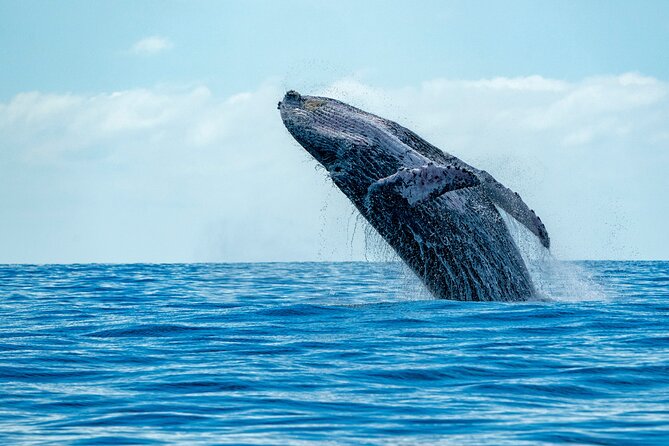
- Small boat, small group (max 6): more personal attention and easier spotting than bigger fleets.
- Fast zodiac-style run: quicker arrival at possible whale areas when conditions line up.
- Snacks and beverages included: enough to keep you comfortable during the time on the water.
- Kewalo Basin start point: a practical Honolulu launching setup with clear access to the pier.
- Crew-led marine life learning: you get the why behind what you’re seeing (and what you’re not).
Boarding at Pier A: the fast start that matters
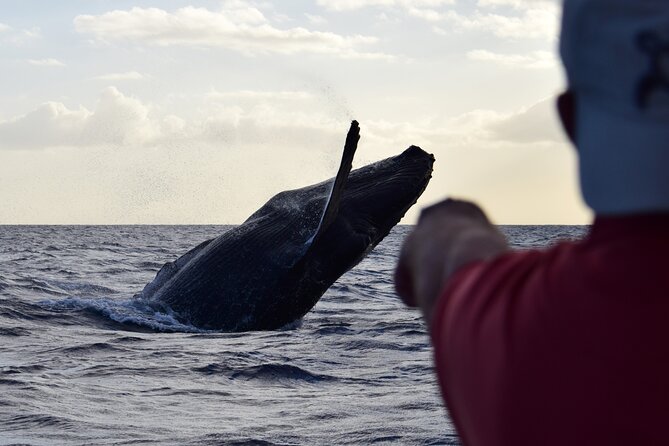
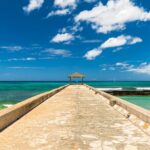
The tour kicks off from 1125 Ala Moana Blvd, Honolulu, and returns you back to the same area when the cruise is done (around 1 hour 45 minutes to about 2 hours on the water, depending on what the day requires). You’ll meet at Pier A, where the boat listed is Maori Warrior II, and you’ll board at Slip A15. It’s a straightforward setup, with the pier positioned right across from public restrooms and an open parking area, which is a big deal on a day you’ll be moving quickly.
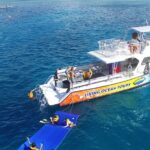
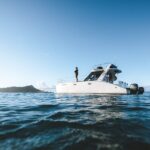
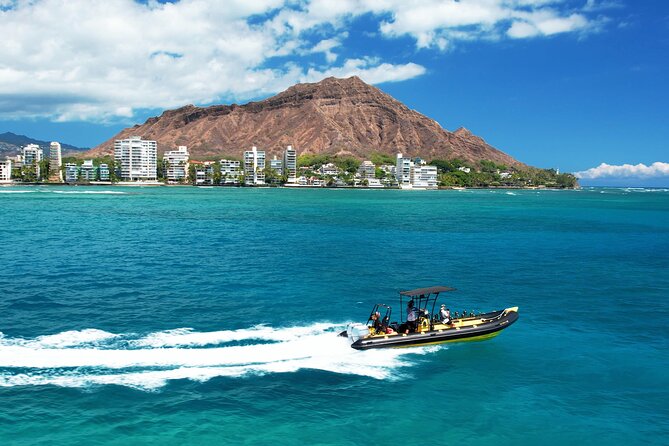
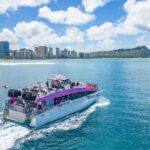
This is not a massive sightseeing ship. It’s a speed-focused zodiac-style craft, and that changes the whole vibe. You get up and moving fast, and you’re closer to the action when you spot something. More importantly, “fast” here isn’t just marketing—it’s the reason the crew can try to reach whale “breach” sites sooner, while the whales are still where you can see them.
That speed can come with a tradeoff: you may get splashed. If the sea has any chop, the boat’s smaller size means water can find you. Bring a light layer you don’t mind getting wet, and consider quick-dry basics like swimwear under your day clothes.
You can also read our reviews of more boat tours in Oahu
Kewalo Basin and the cruise plan you’ll actually feel
The itinerary is simple: you head out with Stop 1 at Kewalo Basin, then you cruise in search of whales from the Honolulu side. On paper that sounds short. On the water, that simplicity helps, because you’re not stuck in a long, slow “maybe later” pattern.
Here’s the practical value: the crew is working on a moving target. Whales don’t stay polite for schedules. So the real plan is about timing—where the animals are likely to be, what the water looks like that day, and how quickly you can get in position when there’s a sign of activity.
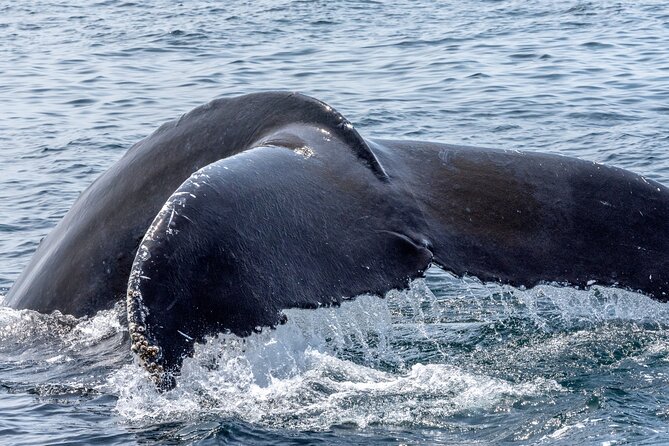
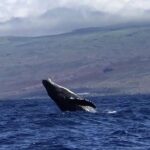
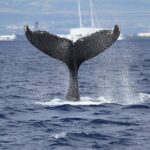
The biggest thing I’d encourage you to notice is how the cruise style matches the animal behavior. When whales are feeding or traveling close to the surface, visibility is fleeting. The faster route gives you a better shot at seeing tails, spouts, and short surface moments before the whales drop back down and reappear somewhere else.
If you’re the type who wants constant entertainment, know this is more like a calm hunt. You’ll cruise, scan, listen, and adjust. That’s why small-group tours can feel better than bigger ones—you spend more time with eyes up, not waiting on crowded viewing angles.
Watching whales with a crew that keeps searching
Whale watching is always a mix of luck and effort. What you can control is choosing a crew that works hard during the search, not one that treats it like a scenic ride. This is where the crew reputation shows up: multiple named hosts and captains are described as pushing to find whales, even when conditions aren’t perfect.
You’ll likely interact with people like Aiden and Holly, who come across as fun and comfortable, not stiff or lecturing. Other crews are mentioned with names such as Alex and Andy, known for making an extra effort to locate whales. Captain Zoe and D are also specifically called out for friendliness and for turning the ride into something you still enjoy even when whales aren’t in the mood that day. And Ced gets a shout too, which suggests the team runs smoothly behind the scenes.
Also, the learning angle is built in. The crew shares Hawaii marine life education while you’re out there, so spotting doesn’t feel random. You’re not just looking for a spout—you’re learning what the crew is watching for and why certain sightings (or gaps in sightings) happen.
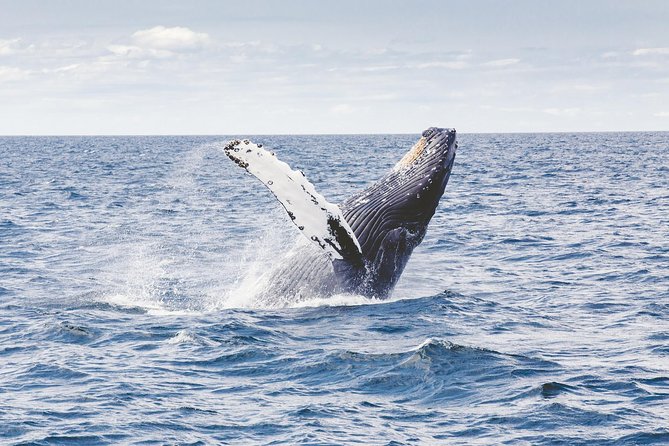
One more point: the tour format doesn’t promise whales. It promises a real search. That difference matters. If the whales are around, the small craft and speed can help you get that close, satisfying moment—like seeing a family group or a mama and baby near the boat.
Waikiki and Diamond Head views from the water
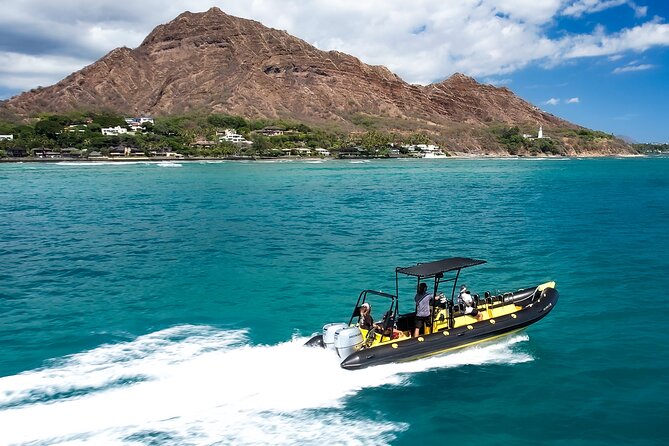
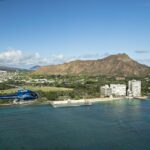
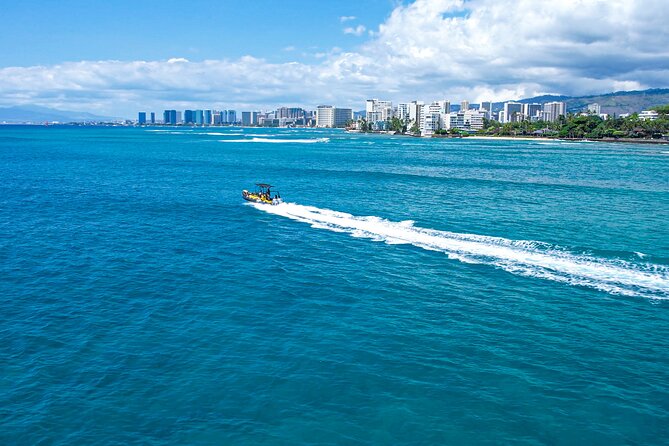
This is also a coastal cruise. You’re out on the water near Honolulu, and that gives you angles you can’t easily get from shore. You’ll see Waikiki’s coastline from the water, and Diamond Head is a constant visual reference point during the ride.
Even when wildlife is slow, the water-level perspective is why many people still feel happy with the tour. From a small speed boat, the shoreline doesn’t feel like a backdrop. It feels like you’re inside the scene, sliding along it at a pace that keeps your attention up.
Some descriptions include island music during the cruising time, which helps set a lighter mood. That matters on a whale-watch day, because your mental game is part of the experience. You want the boat ride to feel good even while you’re scanning for spouts.
And if you’re celebrating something or just want an easy win in the middle of a busy Oahu itinerary, this kind of sightseeing-from-the-water works. It’s not a long day drive, and it’s not a complicated set of stops.
Snacks, drinks, and the comfort reality on a small craft
Yes, snacks and beverages are included, and that’s a practical win. On a 1.5- to 2-hour outing, you don’t want to be hungry or distracted by finding snacks. Having food and drinks on board means you can stay in the “spotting mode” from the moment you leave the pier.
That said, comfort is partly weather and partly boat size. One common note is that you might get wet a little. Another note is that the boat seating and handholds can show some wear. That doesn’t necessarily stop the experience from being fun, but it’s a reason to hold on where needed and take your time when shifting positions.
If you’re bringing parents or anyone who isn’t super agile, the good news is that crews are described as making people comfortable. A small craft can be tricky if someone is unsteady, but friendly crew support and the fact that the group stays tiny can help.
What I’d do in your shoes: dress in layers you can adjust, bring a hat or sunglasses, and keep essentials accessible. And if you have a waterproof phone solution, use it. You don’t need to overthink it, but you do want your photos without a stress spiral.
You can also read our reviews of more whale watching tours in Oahu

Group size: why max 6 changes the feeling
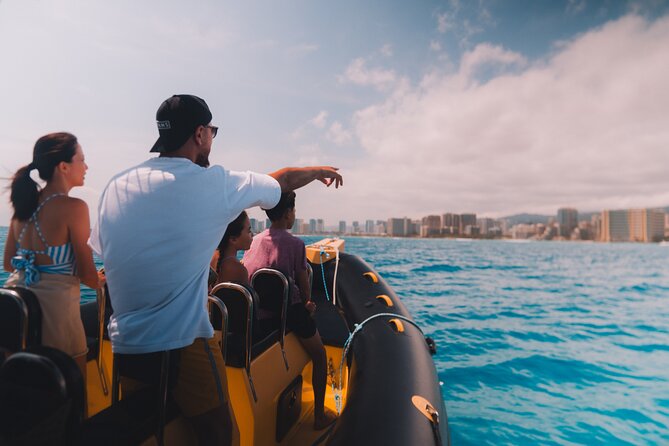
The group limit is up to 6 travelers, which is a huge part of the value. When a boat is that small, you don’t get crowded into a viewing logjam. People can move around as needed. The crew can manage attention better. And you tend to feel like you’re riding with a team, not getting shuffled with a crowd.
This also tends to make the trip feel more flexible. When whales are located, it’s easier for a small group to reposition without stepping on each other. When whales aren’t visible yet, the crew has fewer people to coordinate and can keep scanning efficiently.
It’s also better for vibe. You’re not just another number. The crew interaction feels more direct, and conversations about what you’re seeing can actually happen.
If you dislike big-tour noise, this will likely be your style. If you want nonstop chatter and a big party atmosphere, you might find this quieter than large-boat tours. But for most people on a wildlife mission, the quiet focus is exactly what you want.
Price and value: is $105 worth it?
At $105 per person, this isn’t the cheapest thing on Oahu—but it also isn’t a luxury yacht price. The value comes from three practical places: the small-group cap, the speed-focused craft, and the included food and drinks.
Here’s how I’d think about it:
- You’re paying for higher odds of timely positioning. Speed matters when whales are active near the surface.
- You’re paying for comfort without the fuss of finding snacks. That time savings is real.
- You’re paying for a smaller group experience that tends to feel more personal and easier to view.
Also, your booking timing can help you land the date you want. On average, this type of tour gets booked about 15 days in advance, so don’t wait until the last minute during busy seasons.
If whales are your top priority, pick your day based on weather and your energy level. If your day starts late and you’re tired, you’ll feel the hunt more. If you’re fresh and the sea is calm, the trip clicks.
Planning the day: where to meet and what to bring
You meet at 1125 Ala Moana Blvd at the listed start time of 11:30 am, and the activity ends back at the meeting point. That timing is convenient because it lands you in the middle of the day—perfect for a morning done-with plans, then a nature break.
The pier location is easy to handle. Pier A is across from public restrooms and an open parking area, and it’s near public transportation. If you’re using transit, you’ll likely find it simple enough, but do give yourself extra time to walk to the correct slip.
Bring:
- A light layer (the deck can feel cooler once you’re moving)
- Sunglasses and sun protection
- Something you don’t mind getting lightly wet
- A waterproof cover for your phone or camera if you’re picky about gear
If you’re concerned about whether weather will affect your outing, plan around this reality: the experience requires good weather. On poor weather days, it can be rescheduled to a different date or refunded. That’s the kind of policy you want on wildlife trips, because it keeps you from feeling like you lost money due to the ocean doing its thing.
Should you book this whale watching speed boat?
I’d book it if you want a hands-on, small-group whale watch from Honolulu that also gives you real shoreline and Diamond Head views. The best-fit person is someone who likes staying focused, doesn’t need a big crowd, and appreciates that whales are wild animals with no guarantee.
You might skip it if your top priority is predictable comfort with no splash risk, or if you strongly prefer bigger boats with more stable viewing space. In a smaller zodiac-style craft, you’re close to the action, which is fun, but it’s also why a little wetness is possible.
If you can choose between dates, go with the clearest-looking water and the day you’ll be most alert. On the best whale days, this speed and small-group setup can be the difference between hearing about whales and actually seeing tails and spouts up close.
FAQ
How long is the whale watching cruise?
The tour runs about 1 hour 45 minutes (approximately), and it’s described as a zodiac-style speed boat cruise.
Where do I meet, and where does the tour end?
You start at 1125 Ala Moana Blvd, Honolulu, HI 96813, USA. The activity ends back at the meeting point.
What boat will I be on?
The listed boat name is Maori Warrior II, departing from Pier A (Pier A Slip A15).
How many people are on the boat?
This tour has a maximum of 6 travelers.
What’s included during the trip?
Snacks and beverages are included.
Will I definitely see whales?
Whale sightings are not guaranteed. The crew looks for whales and makes an effort to locate them, but nature decides the final outcome.
What’s the cancellation and weather rule?
You can cancel for a full refund up to 24 hours before the experience starts. The tour requires good weather, and if it’s canceled due to poor weather, you’ll be offered a different date or a full refund.