REVIEW · EVENING EXPERIENCES
Certified Diver: 2-Tank Night Dive
Book on Viator →Operated by Dive Oahu Inc · Bookable on Viator
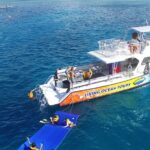
The ocean at night feels like another planet. This 2-tank night scuba outing on Oahu is built for PADI-certified divers, with a twilight start before sunset and a second underwater session after dark so you can see familiar places with different lighting and behavior. You get a PADI Professional guiding the whole experience, plus the payoff of a Honolulu sunset during your surface interval.
What I like most is the full value package: Premier gear rental is included, and you’re also covered for snacks and refreshments. The one thing to watch is that parking isn’t included, so plan for transit or a quick setup around the harbor area.
In This Review
- Key Things You’ll Notice Right Away
- Night on Oahu Changes Everything: Why This Schedule Works
- Getting There and Being Ready: The 5:30 pm Game Plan
- Two Underwater Sessions, One Real Contrast: Twilight vs After Dark
- Stop One: Sea Tiger Wreck Before Sunset (What You’ll Want to Look For)
- Stop Two: Kewalo Pipe After Sunset (Where the Night Crew Appears)
- The Guides and Crew: What Safety and Fun Look Like in Practice
- Gear, Snacks, and the Little Things That Save Your Energy
- Price and Value: Is $248.81 Actually Fair?
- Who This Is For (And Who Might Want Another Option)
- A Quick Reality Check on Wildlife at Night
- Should You Book This Oahu 2-Tank Night Scuba Session?
- FAQ
- What time does the 2-tank night scuba start?
- Where is the meeting point?
- How long is the experience?
- Is scuba gear included?
- Are snacks and refreshments included?
- Do I need proof of certification?
- Do I need to be able to swim?
- Is there a group size limit?
- What add-ons are available?
- Is parking included?
- Can I fly after the scuba sessions?
Key Things You’ll Notice Right Away
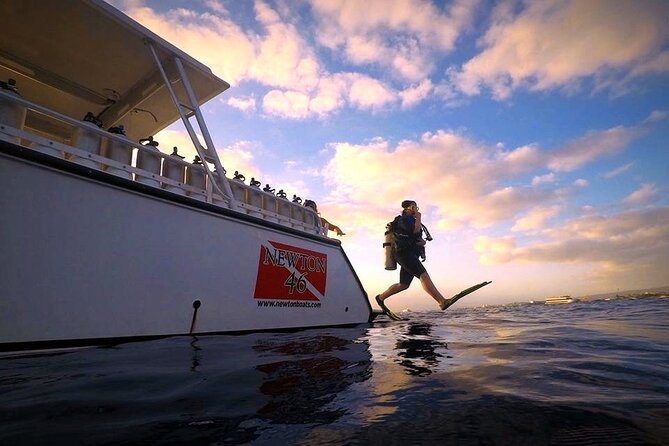
- Twilight-to-night schedule: surface time for the sunset, then a later underwater session when the “night crew” shows up
- Premier gear rental included: less hassle, fewer costs, and a consistent setup for your comfort and buoyancy
- PADI Professional on hand: you’re not just watching lights—someone is running the plan and reading the conditions
- Honolulu local sites: your route is built around well-known areas like the Sea Tiger wreck and Kewalo Pipe
- Small-group feel: up to 21 people, which usually means you get more real attention than a cattle-call vibe
- Optional upgrades: GoPro rental, DPV underwater scooter, Nitrox tank rental, or a private guide if you want more control
Night on Oahu Changes Everything: Why This Schedule Works
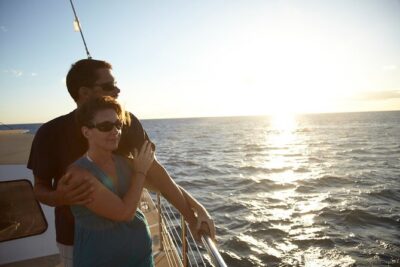
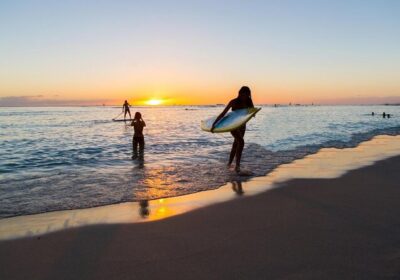
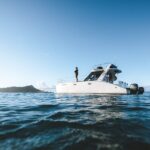
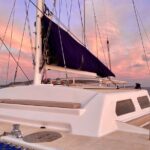
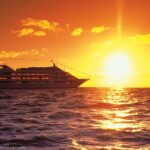
A good night scuba trip is less about the word “night” and more about timing. This one leaves at 5:30 pm, which matters because you’re not waiting around in the dark all evening. You start while there’s still light, get one underwater session before sunset, then head back to the surface for a proper sunset view over the ocean. After that, you go down again and the underwater world switches modes.
That sequencing is where the experience earns its keep. In daylight, fish tend to behave like fish—more predictable routes, more open water space. As light drops, you start seeing different movement: creatures that feed after dark, marine life that looks extra eerie under bright beams, and reef areas that suddenly feel huge because your visibility is limited to your light cone.
It’s also a simple format if you’re new to night conditions. You’ll already have a baseline from the first session, so the second one doesn’t feel like you’re totally guessing. And if you’re rusty, the guided structure helps you reset quickly—lots of people mention feeling taken care of and kept safe without feeling rushed.
You can also read our reviews of more evening experiences in Oahu

Getting There and Being Ready: The 5:30 pm Game Plan
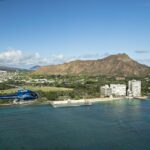
This is not a “wander in when you feel like it” kind of outing. You’ll meet at the Kewalo Basin Harbor area at 1085 Ala Moana Blvd, suite 109, and the start time is 5:30 pm. The operator asks you to arrive at the harbor half an hour early so they can handle waivers and get you fitted with equipment.
That early arrival is practical for two reasons. First, night conditions don’t forgive mistakes—if you’re missing something or your gear setup is off, it’s harder to fix once the boat is underway. Second, being early gives you a chance to double-check weight setup and get your buoyancy plan straight with your guide.
You’ll also want to bring what they explicitly require. All divers must show proof of certification (PADI or another approved course). You must be able to swim, be over age 15, and be in good health. They also require you to provide your weight and date of birth before boarding.
One more practical note: you should plan your flights carefully. The tour states you must not fly within 24 hours of the scuba sessions.
Two Underwater Sessions, One Real Contrast: Twilight vs After Dark
The whole experience is built around contrast, and the two-session structure does the heavy lifting. You’ll do one underwater session that starts before sunset at a site that’s often a favorite for structure and wildlife. Then, after your surface interval and sunset views, you’ll go down again for the after-dark portion.
This format tends to land well for both first-timers and returning divers:
- If it’s your first night experience, you get a gentler ramp-up with that pre-sunset session.
- If you’ve done night work before, you still get the benefit of a planned second go at a different time—night behavior changes enough that it feels like a separate show.
Stop One: Sea Tiger Wreck Before Sunset (What You’ll Want to Look For)
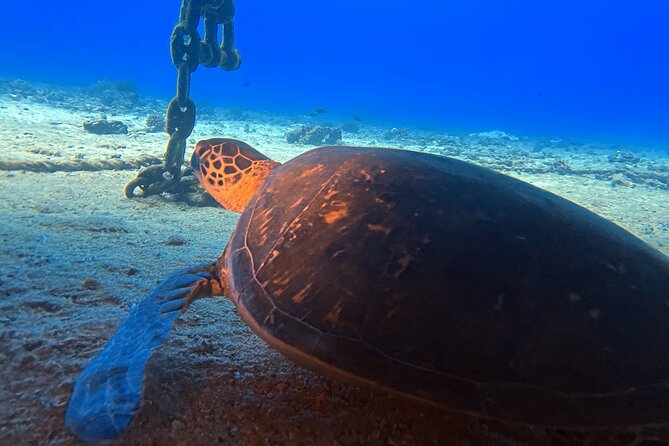
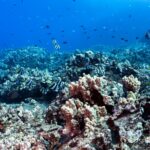
Sea Tiger wreck is the kind of site that gives night divers an unfair advantage—there’s already something interesting to anchor your attention. In the pre-sunset timing, you’re more likely to catch the classic wreck-and-reef vibe: plenty of fish activity, plus the chance to spot marine life that loves structure.
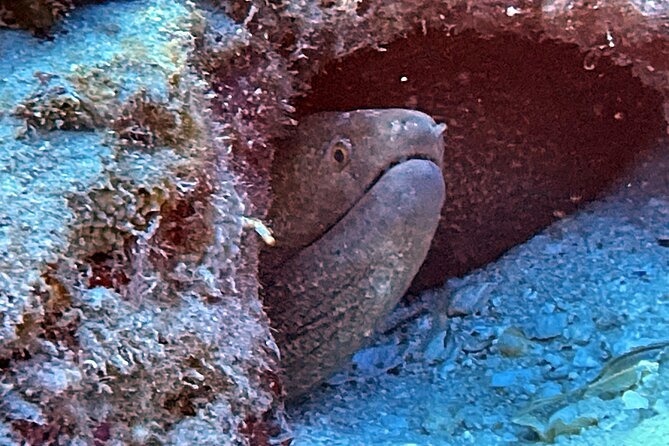
From past experiences tied to this outing, people have reported seeing eels and urchins around the wreck area. You’ll also likely find lots of small-to-medium fish hanging around the structure as the light shifts. Even though it’s still relatively bright early on, this first session sets the stage mentally. You’re learning the layout with your eyes more open, and then you can compare it later when the second session’s lighting changes the whole atmosphere.
The main drawback of this “before dark” start is that night magic hasn’t fully arrived yet. If you’re expecting glowing bioluminescence right away, you may have to wait for the second session. Still, that’s not a flaw—it’s the learning curve that makes the night portion feel earned.
Stop Two: Kewalo Pipe After Sunset (Where the Night Crew Appears)
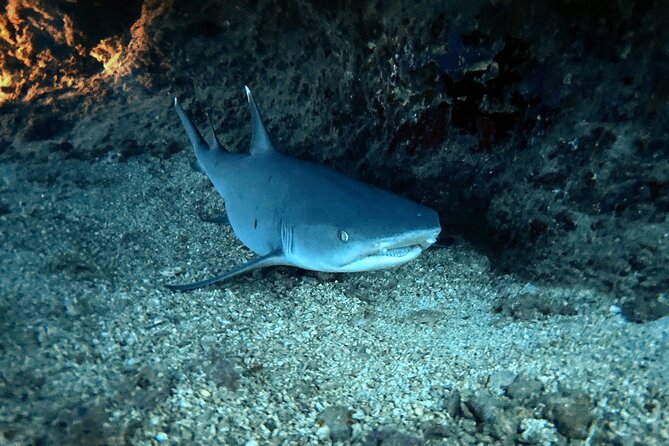
After the sunset surface interval, you’ll head back down for your second underwater session at Kewalo Pipe (often described as Mid-Pipe as well). This is where the trip earns the “night” part.
The night lighting changes how you scan. Instead of sweeping your beam across open reef, you start focusing on edges, tubes, and sheltered areas—places where creatures can hold position or hide until it’s time to move.
People have reported sightings like:
- a unicorn fish and slipper lobster
- an octopus making a meal or interaction, then retreating into the tube structures
- glowing creatures and bioluminescent-style moments under flashlight beams
- a variety of reef animals like nudibranchs and smaller invertebrates
One of the most striking details from the experiences tied to this outing: some groups have also reported a monk seal sighting during the after-dark portion. That’s not something you can bank on, but it’s a reminder that Oahu’s coast can surprise you when you’re paying attention and moving slowly.
Also: wildlife at night can be hit-or-miss. Some nights feel incredibly alive; others are quieter. The best way to get your money’s worth is to treat it like a guided exploration: trust your guide’s scanning pattern, slow down, and keep your light where they ask you to look.




The Guides and Crew: What Safety and Fun Look Like in Practice
This tour runs with a PADI Professional guide and a captain, plus a team that’s used to managing night conditions. In the feedback connected to this outing, several guide names show up repeatedly—people have praised staff like Josh and Nacho (with John also mentioned for helping make it work smoothly), as well as Capt. Adam with guides such as Jeff, Heather, and Chris. Other names that have come up include Megan, Miranda, Alex (captain), Jordan, Patrick, and Kevin.
Even if you don’t get the exact same names, the pattern is consistent: strong briefing, calm control underwater, and a focus on helping divers stay comfortable. That’s exactly what you want at night—because the goal isn’t just to see animals. It’s to feel confident in your buoyancy, your breathing rhythm, and your spacing from the guide and other divers.
One small but important vibe detail from people’s experiences: it often feels stress-free. That’s a big deal on night trips, because the schedule has less margin for mistakes. The crew’s job is to make the plan feel simple, and the feedback suggests they’re good at that.
Gear, Snacks, and the Little Things That Save Your Energy
The package includes FREE Premier gear rental. In practical terms, that means you’re not trying to haul your own full kit across Oahu if you don’t want to. It also reduces the risk of arriving with gear that doesn’t match your usual setup or fit your body the way you’re used to.
Snacks and refreshments are included too. Night scuba can be a long-feeling evening even when it’s only about 3 hours. Having food and hydration on board helps you stay focused and makes the after-dark session feel less like a grind.
Optional add-ons are available if you want to tailor the experience:
- GoPro rental
- DPV underwater scooter
- Nitrox tank rental
- Private guide
If you’re considering DPV (scooter), think about your comfort level first. It can add distance and exploration speed, which can be great, but only if you’re already steady with buoyancy and situational control.
Price and Value: Is $248.81 Actually Fair?
At $248.81 per person for roughly 3 hours, the price isn’t just for being on a boat. You’re paying for:
- a guided experience by a PADI Professional
- two underwater sessions within the evening timing
- FREE Premier gear rental
- snacks and refreshments
The “value math” changes a lot when gear and refreshments are included. Otherwise, those costs add up quickly—especially if you don’t already have a full rental setup ready to go. The trip also keeps the group size capped at 21, which matters because you’re going to night-scanning your way through a narrow visibility environment. Smaller groups tend to mean less crowd pressure and more attention during guidance moments.
The one financial caveat is parking. Parking isn’t included, so you might need to factor in that final piece if you’re driving.
Who This Is For (And Who Might Want Another Option)
This outing is made for PADI-certified divers. If you’re certified through PADI or another approved diving course, you’re in the right zone. You also need to be comfortable swimming and in good health, and you must be at least 15.
This is also a strong fit if:
- you want a structured first night experience
- you like seeing wreck structure and reef tubes in one evening
- you want a guide to point out marine life instead of just hoping you’ll notice things
If you’re the type who struggles with night buoyancy control or you get anxious with low visibility, this kind of tour can still work—but you’ll want to be honest about your comfort. The tour depends on you being able to swim, follow instructions, and stay calm while using your light.
A Quick Reality Check on Wildlife at Night
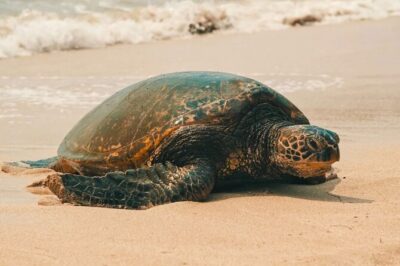
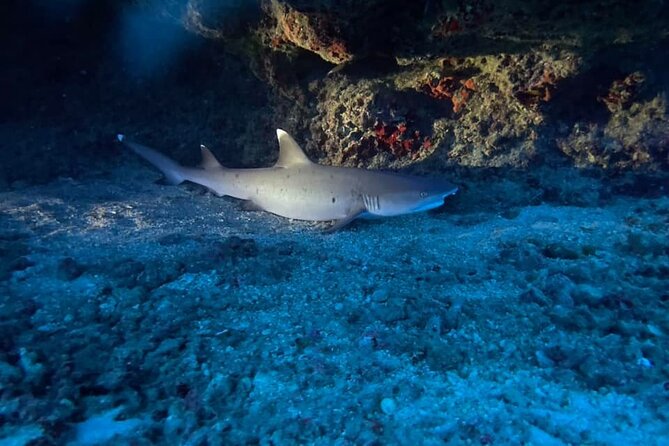
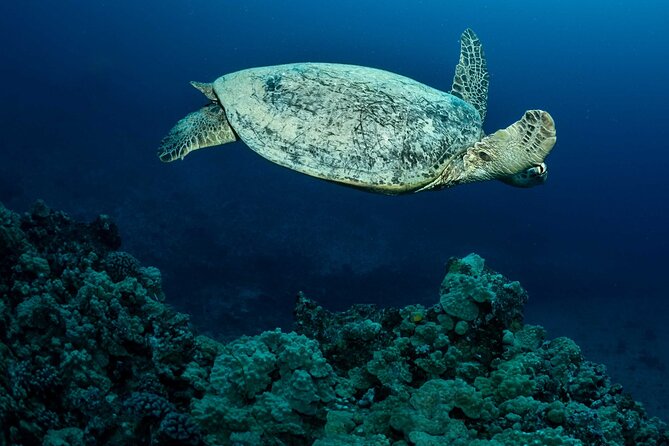
Night scuba is not a guarantee machine for specific animals. Even in the same site, sightings can vary based on currents, time, and how the marine life is behaving. That said, this outing has a clear track record of cool species reports, including eels, octopus behavior, turtles, unicorn fish, slipper lobster, nudibranchs, and even shark sightings on some trips.
What you can control is your approach. You’ll get more from the experience if you:
- keep your body calm and buoyant
- let the guide set the pace
- watch the edges and sheltered spots, not just the open water
In short: don’t chase every beam-lit thing. Let the guide help you build a pattern of what’s “active tonight.”
Should You Book This Oahu 2-Tank Night Scuba Session?
I’d book it if you’re PADI-certified and you want a real contrast evening—wreck structure before sunset, then Kewalo Pipe after dark with a guide running safety and scanning. The included gear rental and snacks make the overall value feel solid, and the guide-led approach is exactly what you want when visibility drops.
Skip it or look for a different fit if you’re worried about night comfort, if you’ve got travel timing that conflicts with the 24-hour no-fly window, or if you’d rather handle all your own gear and food costs without including them in a package.
If you’re ready to swap daytime expectations for a guided night world, this is a strong use of an Oahu evening.
FAQ
What time does the 2-tank night scuba start?
It starts at 5:30 pm.
Where is the meeting point?
You meet at Dive Oahu – Kewalo Basin Harbor, 1085 Ala Moana Blvd, suite 109, Honolulu, HI 96813, USA.
How long is the experience?
It’s about 3 hours (approx.).
Is scuba gear included?
Yes. FREE Premier gear rental is included.
Are snacks and refreshments included?
Yes. FREE snacks and refreshments are included.
Do I need proof of certification?
Yes. All divers must show proof of certification through PADI or another approved diving course before boarding.
Do I need to be able to swim?
Yes. Divers must be able to swim.
Is there a group size limit?
Yes. The maximum group size is 21 travelers.
What add-ons are available?
Add-ons include GoPro rental, DPV underwater scooter, Nitrox tank rental, and Private Guide.
Is parking included?
No. Parking is not included.
Can I fly after the scuba sessions?
No. Divers must NOT be flying within 24 hours of diving.