REVIEW · CRUISES & BOAT TOURS
Certified Divers: Best 2-Tank Wrecks & Reef Boat Dive All Inclusive From Waikiki
Book on Viator →Operated by Waikiki Dive Center · Bookable on Viator
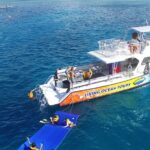
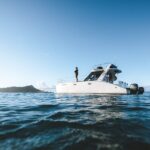
Wrecks and reefs start before sunrise. This all-inclusive two-tank morning out of Waikiki pairs a guided shipwreck stop with a local reef underwater session, using USCoastguard-certified boats on Oahu. You’ll get pro hands-on direction, premium gear, and plenty of chances to spot native marine life.
I like the way the crew runs a tight, safety-minded operation, with names like Capt Jim, Alex, Scott, and Yoshi showing up in past feedback. I also like the value math: equipment plus snacks and bottled water are included in the $259 price, so there are fewer surprise add-ons. The main catch is timing and rules: the early 6:45 am start plus strict check-in and flight limits mean you have to plan carefully.
In This Review
- Key things to know before you go
- A 6:45 am wreck-and-reef plan out of Waikiki
- USCoastguard boats and a safety-first crew you can trust
- Two underwater stops: wreck option first, then a reef full of native wildlife
- Stop 1: your shipwreck choice (Sea Tiger, YO-257, or San Pedro)
- Stop 2: reef swim for turtles and colorful sea life
- Equipment is included, but your planning is still on you
- Timing rules that matter: flights, check-in, and medical screening
- Don’t mix scuba time and flying
- Late check-in can cost you the whole booking
- Medical questionnaire: pass it, or the day is over
- Price and value: what $259 buys you (and what makes it feel fair)
- Who this is best for in Oahu (and who should choose something else)
- A realistic heads-up from the underwater reality
- Should you book this Waikiki wreck-and-reef scuba morning?
- FAQ
- Is this experience for certified scuba participants only?
- What wreck sites are part of the trip?
- How long is the tour?
- What time does the tour start, and where do I meet?
- What’s included in the price?
- How big is the group?
- What if I’m planning to fly soon after my scuba session?
- Is there any weather-related risk?
- What is the cancellation policy?
Key things to know before you go
- USCoastguard-certified boats: you’re on vessels built for passenger safety and marine work
- Two planned underwater stops: one wreck option, then a reef full of local sea life
- Small group size (max 20): better odds of getting help and keeping the group together
- Wreck choices depend on the day: Sea Tiger, YO-257, or San Pedro
- Certification proof is required: they make it clear that shipwreck (and night options) are not for uncertified participants
- Strict timing rules: late check-in can mean full cancellation, no exceptions
A 6:45 am wreck-and-reef plan out of Waikiki
This is built as a true morning run. The scheduled start time is 6:45 am, with the meeting point at 424 Nāhua St at the Waikiki shop. That early departure matters for two reasons: calmer water usually makes underwater conditions easier, and you get more daylight time to enjoy Honolulu afterward.
The total time on the water is about 5 hours. That length is a sweet spot for a 2-tank format: long enough to feel like you did something substantial, but not so long you’ll spend the whole day in transit or waiting around. Past divers also described it as efficient, with a well-organized boat routine.
One more practical note: you’ll receive a mobile ticket, and you should expect confirmation at booking. If you’re flying in, the schedule is where things get real—this program doesn’t treat late arrivals as “oops, no big deal.”
You can also read our reviews of more boat tours in Oahu
USCoastguard boats and a safety-first crew you can trust
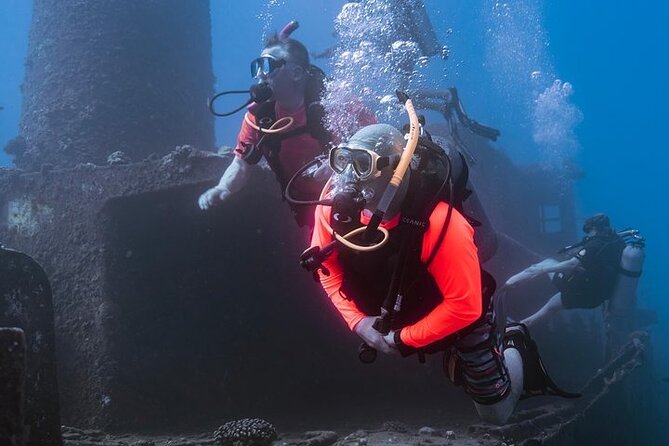
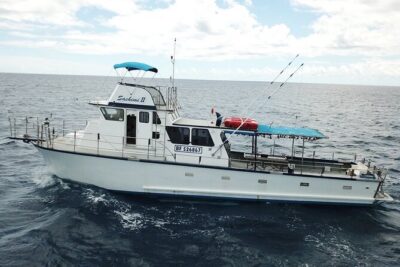
The biggest quality signal here is the boat standard. You ride USCoastguard certified dive vessels around Oahu, and that’s not just a technical detail. In the real world, it usually translates into better-maintained gear, clearer procedures, and a crew that takes liability and safety seriously.
You’ll also spend time with a local guide, and the program follows a key rule under Hawaii law: you’re expected to stay close to your guide and follow conservation practices during the entire tour. That matters because it protects coral and wildlife, but it also keeps the group from getting scattered in strong currents or uneven visibility.
From the feedback I’m seeing, the crew’s professionalism is a consistent theme. People singled out Capt Jim and dive master Alex for being friendly but focused, and another diver called out Scott for careful guidance that made the experience feel safe and fun. If you want an operation where safety isn’t just a poster on the wall, this is the kind of shop that seems built around that mindset.
Two underwater stops: wreck option first, then a reef full of native wildlife
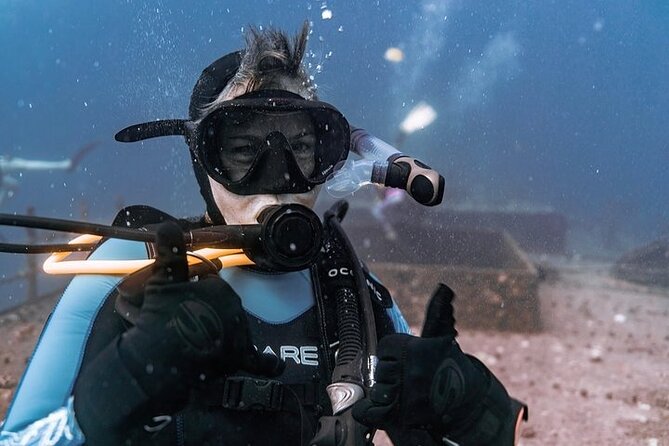
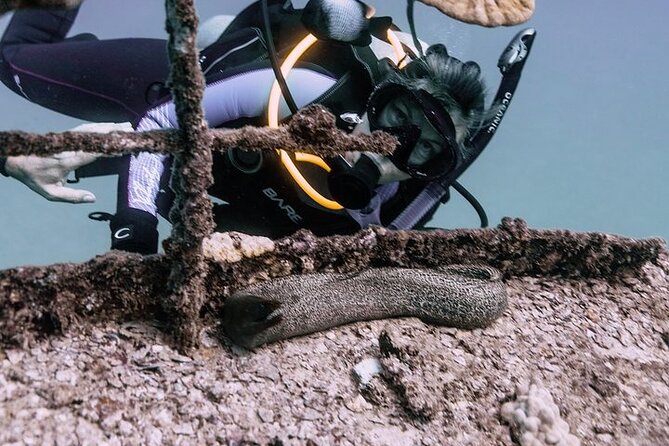
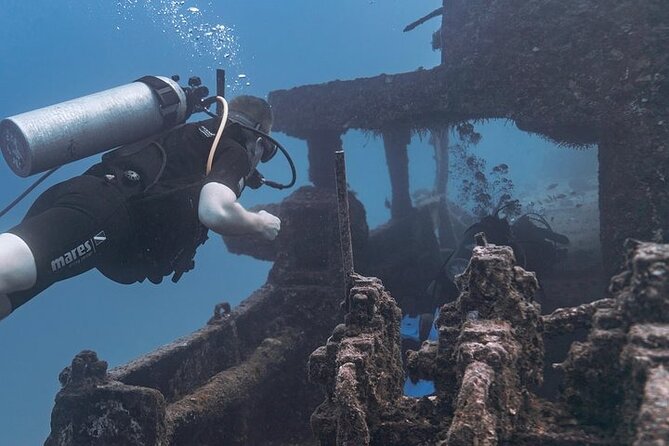
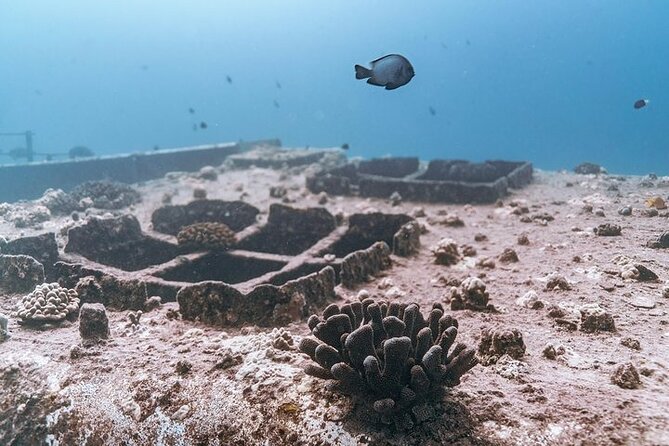
This program runs as a wreck-and-reef sequence. The first stop is a shipwreck, and the second is a reef site. The wreck you’ll see depends on the day: Sea Tiger, YO-257, or San Pedro.
Stop 1: your shipwreck choice (Sea Tiger, YO-257, or San Pedro)
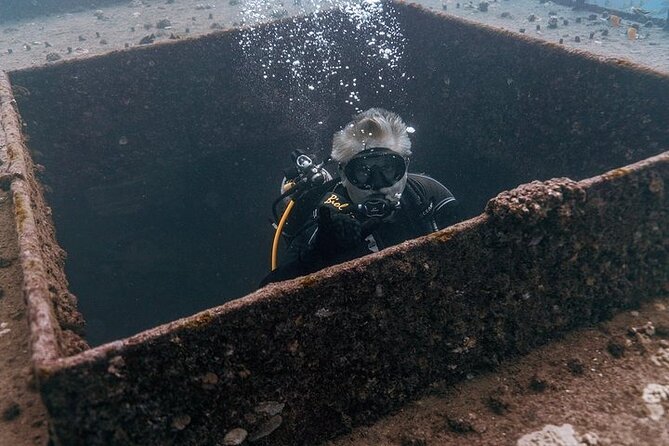
Shipwrecks are popular for one reason: they add structure. Instead of only scanning flat reef, you get a clear underwater “target” to explore, with lots of places for fish to hang around. In one account, the Sea Tiger site included a memorable deep moment—130 feet was specifically mentioned.
That said, wreck time can vary. One diver felt their wreck segment was shorter than expected, describing a very brief wreck interval. That’s not a sign you’re doing something wrong; it’s usually what happens when depth, conditions, and the group’s pacing all have to line up.
If you’re hoping for more time on the wreck specifically, this is where the “private guide” option can help. The program notes that if you need more personalized attention or bottom time, you can call the shop and book a private instructor.
Stop 2: reef swim for turtles and colorful sea life
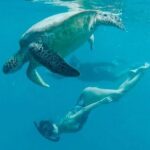
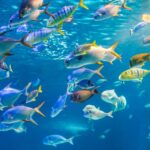
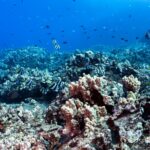
The reef portion is where you typically shift from “wreck archaeology” to “wildlife watching.” Multiple reports pointed to lots of sea life—turtles came up again and again, along with sightings of rays and other fish.
One diver described the second stop as a great long underwater session and called out a manta and numerous turtles. Another mentioned eagle rays on the second dive/reef portion and emphasized that the boat sites were loaded with marine life.
A practical way to set expectations: reefs can be more forgiving than wrecks in the sense that you can slow down, look around, and enjoy motion in the water without feeling like you have to navigate around the hull. If your goal is photography or just relaxing your brain under water, the reef is often the calmer emotional experience.



Equipment is included, but your planning is still on you
This tour includes use of scuba equipment, plus snacks and bottled water. That’s a real value point. Honolulu has plenty of good dive gear rental options, but paying for multiple rentals day-of is where costs quietly creep up. Here, the basics are handled.
You still need to bring what you can control:
- Make sure your certification paperwork is ready. The program is clear that proof of certification must be presented for the shipwreck and night options.
- Be ready for a moderate physical fitness requirement. You don’t need to be an athlete, but you should be comfortable with boat boarding and the effort of a proper scuba day.
One more gear-related reality check from the feedback: while some people focused on the underwater experience itself, one diver also complained about shopping add-ons, including confusion over what counts as a t-shirt versus a rash guard. That doesn’t change the quality of the underwater sites, but it’s a reminder to go in knowing that retail upgrades may be pushed.
Timing rules that matter: flights, check-in, and medical screening
If you only remember one thing, make it this: your schedule and paperwork can make or break the day.
Don’t mix scuba time and flying
The program warns you not to do scuba and fly the same day. It also states: you must not do scuba 18 hours prior to flying, and if you don’t inform them 48 hours prior, you can incur the full booking charge.
That’s not just “cover your bases” advice. It’s medical and operational. If you’re building an Oahu itinerary, give yourself a cushion day so you’re not fighting logistics right after an underwater session.
Late check-in can cost you the whole booking
There’s a hard rule: late check-in for over 15 minutes automatically cancels the trip and can incur the full booking charge. With a 6:45 am start, that means you should plan to arrive early, even if your phone says you’re on time.
Medical questionnaire: pass it, or the day is over
For beginner/eligibility cases, it says that a failed medical questionnaire at check-in forfeits reimbursement, refund, and free rescheduling. Even if you’re not a beginner, it’s still your responsibility to be honest about medical status and be ready to show what they need.
This is one of those “annoying but necessary” policies. It’s also why good scuba operations take professionalism seriously—they can’t safely bend the rules.
Price and value: what $259 buys you (and what makes it feel fair)
At $259 per person for a roughly 5-hour outing with two underwater stops, this isn’t a budget bargain, but it also doesn’t look like a cash-grab when you compare what’s included.
You get:
- Two planned sites (wreck option + reef)
- Scuba equipment included
- Snacks and bottled water
- A small group capped at 20
- A professionally guided experience on USCoastguard-certified vessels
Where value depends on you: if you’re an experienced certified participant who already knows your gear and buoyancy, the included equipment and guidance may feel like a clean deal. If you need extra flexibility or more time on a site, the optional private instructor route might be a better match, but that’s an extra cost you’d need to consider.
What I take from the feedback is that when it runs smoothly, it feels like a well-run scuba safari—organized, efficient, and focused on safety. When things go sideways due to travel delays, some policies don’t bend, and that can hurt the value in the moment. One diver described being rerouted after a flight delay and then rescheduling later for two good sessions. In other words: plan for the early start, and treat your day schedule like part of the product.
Who this is best for in Oahu (and who should choose something else)
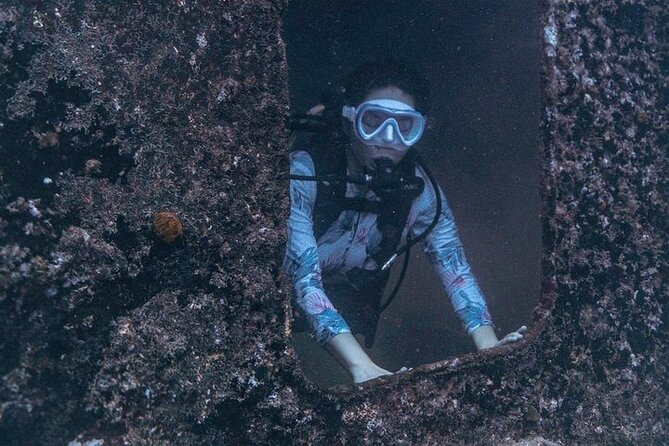
This is aimed at certified-only participants. The program states it’s a guided tour for certified participants and that certification proof is required for shipwreck and night dive participation.
It also notes a moderate physical fitness level. If you’re dealing with balance issues, mobility limits, or anxiety about being on a boat early in the morning, you’ll want to think twice and possibly ask about a private guide setup.
Best fit:
- You want a wreck + reef combo in one morning
- You like a well-managed group with clear safety rules
- You’re chasing wildlife odds—turtles, eels, rays, and even manta sightings came up in feedback
Consider another option if:
- Your schedule is unstable due to flights or late check-in risks
- You’re not comfortable with strict conservation and guide-following rules
- You want lots of extra time on the wreck above the standard pacing (private guide may suit you better)
A realistic heads-up from the underwater reality
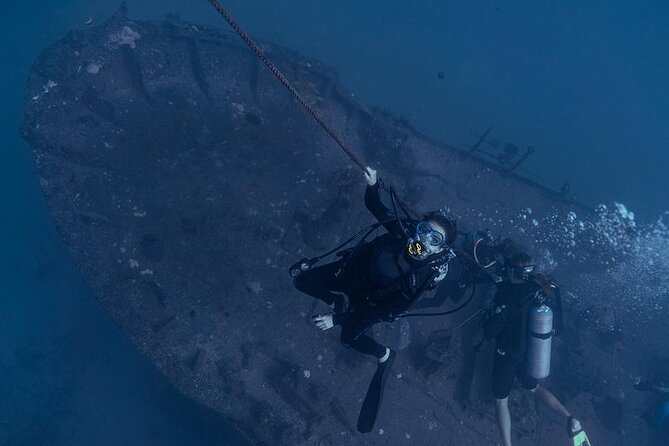
Underwater trips depend on conditions: water temperature, visibility, currents, and group pacing. That’s why the wreck interval can feel short for some people and perfect for others. One account described a quick wreck stop and a longer reef segment where the highlight wildlife sightings happened.
I’d also plan emotionally for change. The program’s first stop is a wreck choice from a small set, not a single guaranteed site. And if your expectations are tied to one specific wreck, be flexible. The upside of this approach is that it gives the operation the chance to choose the best option that day.
Should you book this Waikiki wreck-and-reef scuba morning?
If you’re certified and you want a well-run, safety-focused outing in Oahu, I’d put this on your short list—especially if you value included gear, USCoastguard-certified vessels, and a 2-site morning that doesn’t waste time.
Book it if:
- You can make the 6:45 am start reliably
- You have the paperwork ready and medical screening squared away
- You want a wreck structure plus reef wildlife in one go
Skip it or switch tactics if:
- Your flight plan is tight and you can’t protect that early start
- You’re unsure about eligibility requirements
- You want guaranteed longer wreck time rather than standard intervals (private guide is the fix mentioned by the operator)
FAQ
Is this experience for certified scuba participants only?
Yes. This tour is described as a guided experience for certified participants, and it specifically notes that proof of dive certification must be presented for shipwreck and night dive participation.
What wreck sites are part of the trip?
The first stop can be one of the following: Sea Tiger, YO-257, or San Pedro.
How long is the tour?
The duration is about 5 hours (approximately).
What time does the tour start, and where do I meet?
The start time is 6:45 am, and the meeting point is Waikiki Dive Center, 424 Nāhua St, Honolulu, HI 96815.
What’s included in the price?
Included items are use of scuba equipment, snacks, and bottled water.
How big is the group?
The tour has a maximum of 20 travelers.
What if I’m planning to fly soon after my scuba session?
The tour reminder says you should not dive and fly the same day. It also states you must not dive 18 hours prior to flying, and failure to inform them 48 hours prior can incur the full booking charge.
Is there any weather-related risk?
Yes. The experience requires good weather. If it’s canceled due to poor weather, you’ll be offered a different date or a full refund.
What is the cancellation policy?
You can cancel up to 24 hours in advance for a full refund. If you cancel less than 24 hours before the start time, the amount paid is not refunded. The tour also notes free cancellation up to 24 hours and that cut-off times are based on local time.