REVIEW · DIAMOND HEAD TOURS
Diamond Head Crater
Book on Viator →Operated by Kaimana Tours · Bookable on Viator
Diamond Head can feel like an easy win. You get a famous Honolulu hike on a self-guided loop, with early transportation so you’re not stuck in the midday crowd. Plus, you’re hiking inside a dramatic volcanic crater with tunnels and panoramic views that make the effort feel instantly worth it. Diamond Head Crater is the payoff.
I like two things a lot. First, you start with a self-guided map and can hike at your pace, with the option to slow down for photos or challenge yourself on the steeper parts. Second, the early-morning shuttle from Waikiki helps you reach the trail before things get crowded later in the day.
One thing to consider: this is a moderate hike with a steep staircase near the summit, plus narrower, uneven sections. If rain makes the ground slick, you’ll want real grip—this isn’t a flip-flop kind of morning. Wear sturdy shoes and plan to take it slow on the stairs and any slippery spots.
In This Review
- Key things to know before you hike Diamond Head
- Diamond Head’s main draw: a crater hike that feels like a viewpoint circuit
- The self-guided loop: 1.6 miles, tunnels, and that summit staircase
- Early shuttle from Waikiki: faster start, easier logistics, less parking stress
- What’s included (and why it makes the hike feel smoother)
- Crowd management: how to enjoy Diamond Head even when it’s popular
- How much should you spend? Price vs. what you’re really getting
- Who this tour suits best (and who might find it stressful)
- Tips that make the difference on summit day
- Getting more from your morning: what the drivers add
- Should you book this Diamond Head tour?
Key things to know before you hike Diamond Head

- Self-guided pacing with a map: you control how long you spend near the tunnels, viewpoints, and the summit area
- Early pickup from Waikiki to avoid the biggest late-day crowd pressure
- 1.6-mile loop with paved paths and gentle switchbacks, then a steep staircase near the top
- Historic early-1900s military tunnels along the route for a bonus layer beyond the views
- Small group size (max 28), which helps keep the shuttle and trail experience from turning chaotic
Diamond Head’s main draw: a crater hike that feels like a viewpoint circuit

Diamond Head is the kind of landmark that’s easy to recognize from photos. The real reason it stays popular is simpler: the crater is compact, the route is varied, and the summit views reward you fast. On this tour, you’re not rushing with a strict guide pace. You’re doing a self-guided loop that still comes with the important supports—transport, park entry, and a map—so you can focus on the hike.
The tour is built around an early start. That matters because Diamond Head can still be busy even in the morning, especially near top viewpoints if you’re aiming for sunrise. But early transportation generally gives you a calmer trail rhythm, fewer bottlenecks, and more chances to stop for photos without constant shoulder-to-shoulder traffic.
You can also read our reviews of more tours and experiences in Honolulu.



The self-guided loop: 1.6 miles, tunnels, and that summit staircase

You’ll hike a self-guided 1.6-mile loop through paved paths and gentle switchbacks. This is a key detail: the route is not a rough off-road scramble the whole way. It’s more like a structured trail that gradually lets you feel the climb, then gives you a bigger push near the end.
Along the way, you’ll pass through historic military tunnels built in the early 1900s. Even if you’re not into military history, tunnels add a nice change of pace. They also break up the hike mentally—less like a single long uphill grind, more like a sequence of different moments.
Near the summit, expect a steep staircase. The hike to the top is the most intense part, even if the overall distance is short. From the summit (about 760 feet above sea level), you get panoramic views over Waikiki, Honolulu, and the Pacific Ocean—the kind of payoff that makes you forget how long your legs felt last 20 minutes.
A practical note: the tour is self-paced, but that doesn’t mean you’ll have an empty trail. Narrower sections can get busy, so you may need to step aside to let others pass. This is normal. If you’re patient and steady, the “at your own pace” part works well.
Early shuttle from Waikiki: faster start, easier logistics, less parking stress
Getting to Diamond Head is often the annoying part of planning. This is why I like the early shuttle setup. You get round-trip transportation from Waikiki hotels, which cuts out parking problems and the mental load of timing public transit or driving yourself.
The tour is designed with morning departures specifically to help you avoid the big crowds later. If you want a sunrise-style experience, you’ll likely still find people near the top around that time—but you’ll be arriving with more breathing room than if you went later.
If you’re not staying in Waikiki, there’s still a solution. Park at 2805 Monsarrat Ave, Honolulu, HI 96815 in the free parking lot, then walk to the Queen Kapiolani Hotel for the shuttle pick-up. Do not treat this like a casual stroll with zero time pressure. The shuttle has a multi-stop route and will not wait for late arrivals.
What’s included (and why it makes the hike feel smoother)

This tour includes national park fees and a bottle of complimentary water, plus your trail access setup. Those items sound small until you’re standing there at a busy entrance area trying to juggle payments, lines, and hydration.
The mobile ticket also helps. You’re not trying to hunt paper somewhere in your bag. You also arrive with a park reservation and a trail map in hand, which means you don’t spend your first 10 minutes on the trail figuring out where to go.
You’ll also spend about 3 hours total from pickup through the hike and return. That time window is realistic: you’re hiking a moderate-distance loop, stopping for photos, and still getting back before your day really ramps up.
There’s one more detail that I think adds value: the experience is fully customizable. If you want to take longer at viewpoints, do it. If you want to keep moving and not linger in the crowds, you can. The tour structure supports both styles.
Crowd management: how to enjoy Diamond Head even when it’s popular
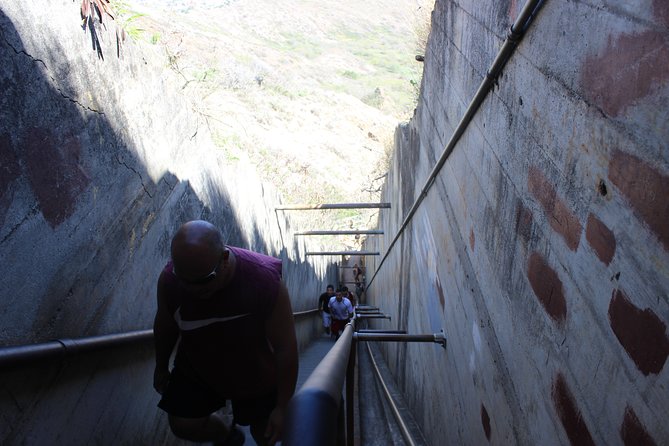
Diamond Head is famous for a reason, and that means you should expect people. Early timing helps, but it doesn’t guarantee emptiness. The trick is to hike with your eyes open: the top viewpoints can get packed, and narrow sections can cause slowdowns when groups bump into each other.
When you’re on a self-guided loop, your “own pace” is mostly about your own effort level and how often you stop. It’s still smart to practice trail manners—step aside when needed, especially near tighter areas. That keeps the hike smooth for you and for everyone else.
If you go in rainy season, plan for extra grip. The ground can turn slippery and muddy. The good news: the path is paved for much of the route, so you’re not dealing with constant rock scrambling. The bad news: slippery bouldery sections can make even a short climb feel sketchy. Bring proper shoes with traction.
Also think about weather. This is an outdoor hike, and sometimes wind or rain changes the whole feel of the crater. The good part is that Diamond Head still stays an iconic outing even with clouds—views just shift from sun-soaked to moody and dramatic.



How much should you spend? Price vs. what you’re really getting
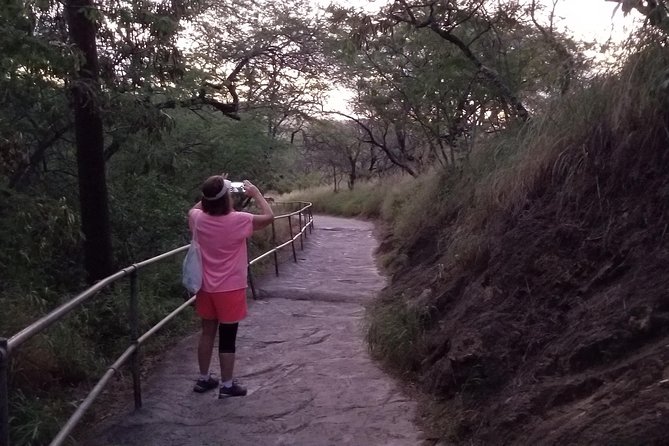
At $39.99 per person, you’re paying for more than the hike. You’re paying for the setup: round-trip shuttle from Waikiki hotels, park entrance fees, a water bottle, and a self-guided map and reservation access. For many visitors, that saves the biggest headaches—parking, entry management, and coordinating transport.
Is it more expensive than doing everything independently? Often, yes. But the value is strongest when you’re short on time or want a worry-free start. A number of hikers treat this tour as a practical backup if they can’t get the exact official reservation times they wanted. Even if you manage a DIY plan, paying for the bundled logistics can still be a comfort choice.
There’s also the timing angle. This tour is commonly booked about 16 days in advance on average, and time slots can go quickly. If you’re traveling in peak season, booking earlier tends to protect your options.
With an average rating of 4.8 across 943 ratings, the overall signal is clear: people are consistently happy with the value-to-effort ratio. You’re not spending all day—just enough morning energy to earn a crater summit view.
Who this tour suits best (and who might find it stressful)

This works best for travelers who want a moderate hike with famous payoff and minimal fuss. If you can handle stairs in bursts, you’ll be fine. If you want a workout that still feels scenic and time-efficient, you’ll likely enjoy Diamond Head.
It’s listed as not recommended for children under 3, and it’s not recommended for people with disabilities. It also says it’s not recommended for ages older than 65. That doesn’t mean people older than that cannot physically walk—but the staircase near the summit and the uneven, sometimes slippery footing make this a higher-risk outing for some.
On the other hand, it does fit lots of ages because the route is self-guided and you can slow down. You can also stop and take in the tunnels and viewpoints without needing to keep up with a group pace.
If you’re traveling in a mixed group, the shuttle and map help keep everyone aligned. The max group size is 28, which supports a smoother experience on the bus and helps the trail feel less overwhelming than very large group tours.
Tips that make the difference on summit day

Here’s how to get the best experience out of a short, intense hike.
First, wear shoes with traction. The trail can be bouldery and slick in wet conditions, and even in dry weather, the staircase portion is where grip matters most. If you only bring sandals, you’ll regret it once you hit the steeper steps.
Second, plan your timing based on your goal. Want sunrise-ish vibes? Go early enough that you can reach the summit area before the heaviest crunch. Want quieter photos? The earliest departures still help, but you can also aim to be flexible with how long you stay at the top.
Third, use the self-guided setup to manage crowds. When the path feels crowded, keep moving through the busy pinch points, then linger once you find a spot where you can breathe.
Finally, don’t ignore the “moderate fitness” note. This is not a long-distance mountain trek, but it is a real climb. Treat it like a workout you do for the view, not a casual stroll.
Getting more from your morning: what the drivers add
Transport can feel like a boring middle step. In this case, it’s often part of the fun. Guides and drivers help keep the day organized, and several names come up—Matthew, Tommy, and Orlando. People especially liked clear instructions and friendly energy, which matters when you’re bouncing between hotel pickup, shuttle timing, and a trail that’s best done early.
You might also find staff who speak Portuguese alongside English. The tour is offered in English, so you’ll still be fully covered for the main experience, but it’s a nice extra for some visitors.
Should you book this Diamond Head tour?
If you want the classic Diamond Head views without dealing with parking and park logistics, I’d book it. The included park fees, shuttle from Waikiki, water, and self-guided map make the whole morning easier to manage. At $39.99, you’re paying for convenience and predictable entry—not just for walking up a hill.
Skip it if you know you can’t handle stairs or if wet, slippery footing would be a problem for your group. Also think twice if you’re outside the stated recommended age and fitness range.
If you’re healthy, steady on your feet, and excited for panoramic crater views over Honolulu and the Pacific, this is one of the most straightforward ways to do Diamond Head with a time-efficient morning.