REVIEW · SCUBA DIVING
First-Time Scuba Diving in Honolulu + Free Videos
Book on Viator →Operated by Try Scuba Diving-Honolulu · Bookable on Viator
You get your gear on fast. This Honolulu lesson turns first-timers into comfortable scuba students with calm, hands-on coaching, plus a chance at real marine wildlife near Ala Moana. I like the patient instruction and the fact that all scuba gear is provided, and you end with a GoPro video keepsake. One thing to keep in mind: wind and water clarity can affect visibility, and conditions can limit what you see.
The vibe is low-key but serious about safety. People often point to guides like Danny, Alex, Nick, and Rida for clear directions and staying close in the water while you build confidence. It’s also a straightforward meet-up at Magic Island Lagoon, and the whole experience clocks in at about 1 hour 30 minutes.
If you wear eyewear, plan ahead. Prescription glasses can’t be worn under the mask, but contact lenses are allowed (or you can go without), and the underwater world is magnified a bit. It’s a great try-your-first-time option, as long as you’re comfortable in the water and able to walk with the equipment.
In This Review
- Key things that make this Honolulu scuba lesson worth your time
- Magic Island Lagoon: the easy start before you go underwater
- Gear fitting + safety seminar: what you learn before you feel “ready”
- The water portion: what happens during the session near Ala Moana
- Marine life you might spot: turtles, octopus, and starfish
- GoPro video and photos: your take-home souvenir (and the fine print)
- Price and value: is $89 a good deal for a first-timer?
- Who should book this shallow first-timer session
- A quick note on conditions, wind, and that one less-great day
- Should you book this Honolulu scuba lesson?
- FAQ
- Do I need scuba certification to do this?
- How deep do you go?
- What’s included in the price?
- Where do I meet for the activity?
- What if I wear glasses or contact lenses?
- Do I need swimming experience?
- Is the experience affected by weather, and can I cancel?
Key things that make this Honolulu scuba lesson worth your time
- Small-group size (max 16) helps your guide track you closely without rushing anyone.
- Gradual training starts waist-deep, then goes deeper once you’re calm.
- All gear included plus a safety seminar means you’re not hunting rentals or guessing how it all fits.
- GoPro video and pics afterward give you something real to take home, not just a memory.
- Shallow max depth around 15 feet keeps it beginner-friendly and manageable.
- Marine life sightings depend on conditions, so you’ll want flexible expectations on any given day.
Magic Island Lagoon: the easy start before you go underwater
The experience begins at Magic Island Lagoon in Honolulu (Magic Island Lagoon, Honolulu, HI 96815). That matters more than it sounds. A lot of water activities turn into a logistics puzzle—parking, shuttle timing, and trying to find the right group. Here, the start point is simple, and the tour also ends back at the same meeting area.
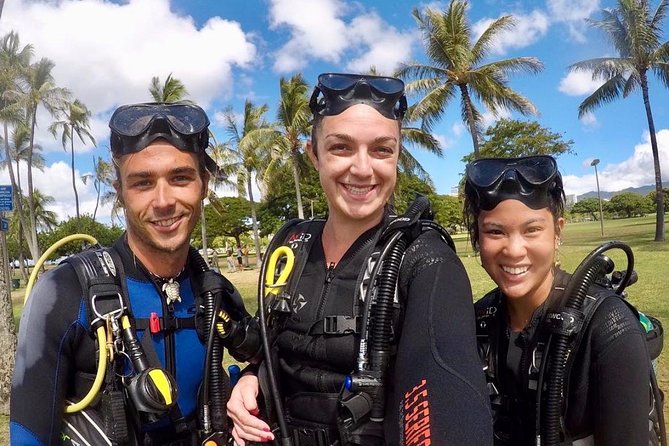
You’ll meet your guide at the beach, then move right into setup. The sequence is pretty consistent: wetsuit and scuba gear fitting, then a safety briefing before you ever head into the water. This is the part that keeps first-timers from feeling like they’re being thrown in.
And since this is listed as a small-group activity (up to 16 people), you’re more likely to get hands-on help with your fit and breathing than you would on a larger, more rushed format.
You can also read our reviews of more scuba diving tours in Honolulu
Gear fitting + safety seminar: what you learn before you feel “ready”
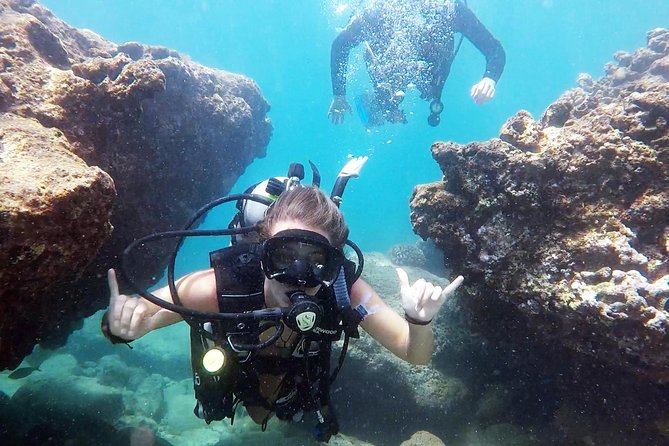
This lesson is built around doing two things fast: getting you geared up and teaching you the basics of staying comfortable underwater.
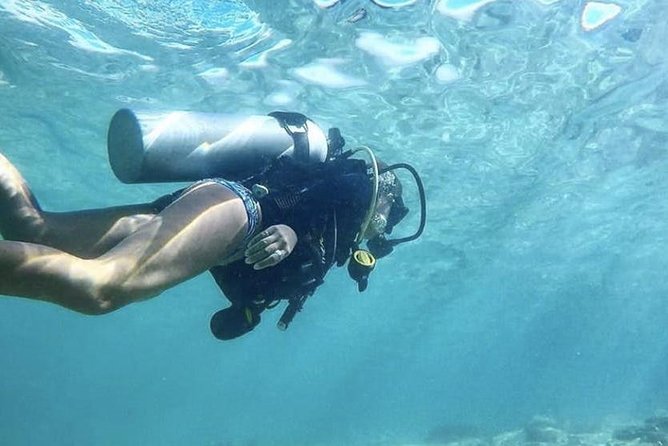
First you’ll get fitted with the professional scuba equipment and wetsuit. Then you get a safety tutorial that explains how the gear works and how you’ll move during the session. After that, you start in waist-deep water to build confidence. You’re not expected to be a natural right away. The goal is simple: get your bearings, learn the breathing routine, and feel stable before going deeper.
One detail I really appreciate is the emphasis on staying close to your instructor. Many people highlight how guides like Nick, Alex, Danny, and Rida kept checking in, offering calm correction, and making sure each person felt safe. That’s exactly what you want if you’re nervous, especially on your first try.
Also, there’s a practical limit to the lesson’s pressure and risk level. The max depth is around 15 feet, and you only go deeper after you’re comfortable in the shallows. For first-timers, that’s a huge difference between “scary” and “doable.”
The water portion: what happens during the session near Ala Moana
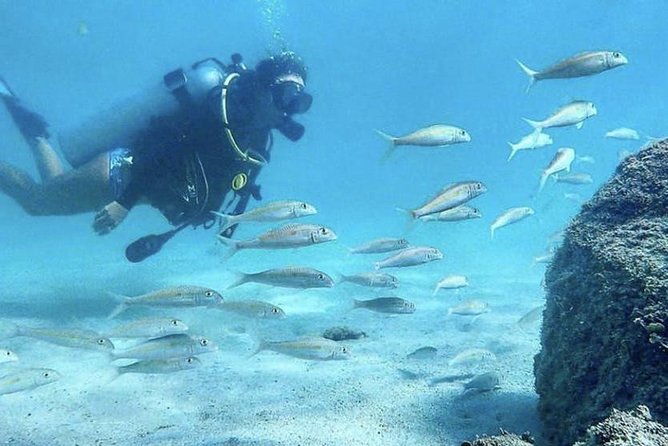
The tour lists two stops. The first is your “try scuba” training, and the second is Ala Moana Beach Park, which is where the coastal water time happens.
Here’s the typical flow:
1) You meet, get fitted, and get a safety briefing.
2) You practice in waist-deep water.
3) Once you’re comfortable, you go deeper gradually.
4) You explore with your guide, who stays with you and takes video and photos.
5) You return to the beach to finish up.
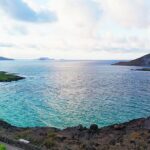
You may notice the water isn’t always the open-ocean dream you picture from movies. One downside shows up in a small minority of experiences: if conditions lead to murkier water or the setup is more lagoon-like (for example, separated from the sea by a wall), you might see fewer animals. Visibility can swing based on wind and clarity that day.
Still, most people come away happy because they get the training portion right and they get time underwater that feels controlled—not chaotic.
Marine life you might spot: turtles, octopus, and starfish
Honolulu’s marine life is one of the biggest reasons to book any shallow-water scuba or snorkel-style experience. This one is designed for exactly that: seeing real animals without the pressure of advanced skills.
Your guide may help you look for:
- Green sea turtles
- Octopuses
- Sea stars
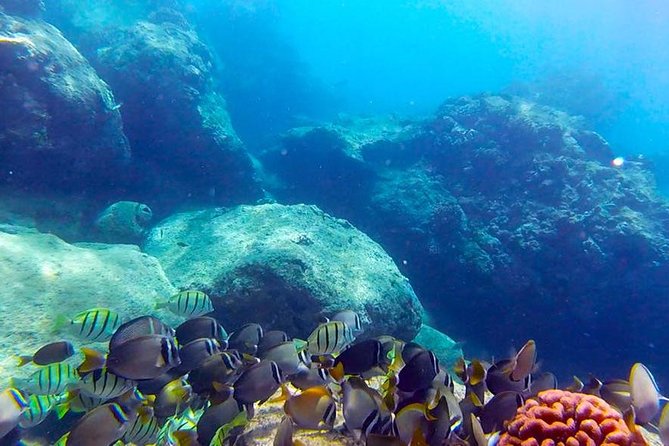
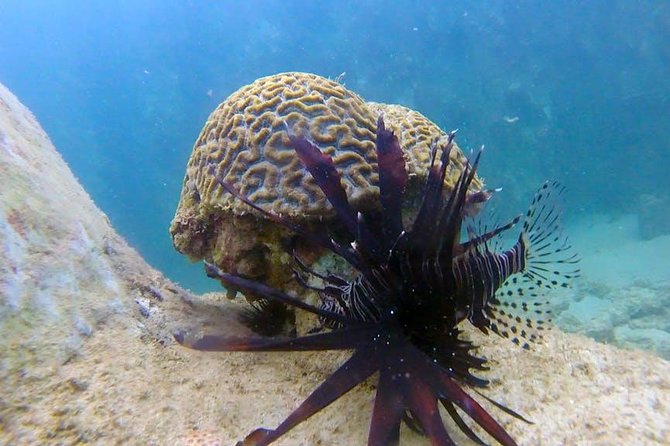
- Bright reef fish and other colorful marine life
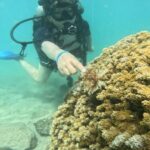
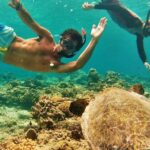
A frequent win in the feedback is actually tactile and memorable wildlife moments. Some people mention the guide finding a starfish for them to hold, and others describe seeing lots of fish and corals.
Just remember: marine life is never guaranteed. If visibility is lower or the conditions keep the group in a more protected pocket of water, you might get fewer sightings. The best mindset is: expect a great learning session first, and treat animal sightings as a bonus when the ocean cooperates.
GoPro video and photos: your take-home souvenir (and the fine print)
This experience includes complimentary underwater media. During your underwater time, your guide takes videos and pictures. You end with a GoPro video of your session.
Many people also mention that they received photos and videos via phone sharing (like air-drop). If that’s important to you, it’s worth knowing that the experience is set up for easy sharing afterward—so you don’t have to wait days for files or track down a USB.
One caution: video is included, but if the camera malfunctions, there’s no refund for the tour. It’s a small detail, but it matters if you’re counting on that keepsake for a milestone trip.

Price and value: is $89 a good deal for a first-timer?
At $89 per person for about 1 hour 30 minutes, this is priced like a true “try it” activity. What helps it feel like good value is that you’re not paying extra for the basics:
- no prior certification is required
- all scuba gear and wetsuit are provided
- a professional guide runs the safety briefing and stays with you
- you get the GoPro video and pictures
When you break it down, the money is really going to instructor attention and equipment handling. That’s the core of whether your first underwater experience feels fun or frightening.
It’s also small-group rather than mass instruction, with a maximum of 16 people. That generally means better coaching and less time standing around.
Who should book this shallow first-timer session
This is a strong fit if:
- it’s your first time using scuba equipment or you want a skills refresh
- you’re comfortable in the water but not confident enough for advanced open-water conditions
- you want a calm, guided experience with someone staying close
- you like the idea of shallow maximum depth (around 15 feet)
You’ll want to check your comfort level on the physical side, too. The activity notes you should have moderate physical fitness and you must be physically able to walk with equipment. No swimming experience is necessary, but comfort in the water is required.
For families, this also tends to work well. People report doing it with kids (including a 10-year-old) and feeling safe in the calm area.
A quick note on conditions, wind, and that one less-great day
Ocean days can vary. This experience explicitly depends on good weather, and there are real-world reasons why conditions can shift: wind changes surface chop, and water clarity can go from crystal to murky faster than you’d expect.
That’s why I tell people to treat the animal list as a hope, not a contract. Most days should deliver colorful fish and at least some wildlife, but a small number of experiences describe a more “pool-like” setup with limited creatures and less-than-ideal instructor energy.
Your best protection is mindset: arrive ready to learn, not just to “see everything.” If you get the training right and you feel safe, you’ll still leave with a win even when the ocean is less cooperative.
Should you book this Honolulu scuba lesson?
Book it if you want a beginner-friendly way to try real scuba gear with a safety-first guide, shallow maximum depth, all equipment provided, and a real GoPro keepsake to share.
Skip it (or at least adjust expectations) if you’re fixated on guaranteed open-ocean visibility or you’re only interested in maximum marine life counts. Also, consider whether you can handle the equipment walk and how you’ll manage mask fit if you need glasses (contacts are allowed; prescription glasses can’t be worn under the mask).
If you’re a first-timer and you’d rather learn calmly than rush into something harder, this is a solid choice for Oahu’s waters around Ala Moana.
FAQ
Do I need scuba certification to do this?
No prior certification is needed. It’s designed as a beginner lesson or a refresher for people who want to practice again.
How deep do you go?
The maximum depth is around 15 feet.
What’s included in the price?
You get a guided scuba adventure, all scuba gear/equipment, and a professional safety seminar. You also receive complimentary GoPro videos and pictures.
Where do I meet for the activity?
You meet at Magic Island Lagoon, Honolulu, HI 96815. The activity ends back at the meeting point.
What if I wear glasses or contact lenses?
Prescription glasses cannot be worn under the scuba or snorkel mask. Contact lenses are allowed, or you may go without. Underwater magnification makes objects appear about 25% closer and larger.
Do I need swimming experience?
No swimming experience is necessary, but you must be comfortable in the water and able to walk with the equipment.
Is the experience affected by weather, and can I cancel?
The experience requires good weather. If it’s canceled due to poor weather, you’ll be offered a different date or a full refund. You can cancel up to 24 hours in advance for a full refund.
If you want, tell me your travel dates and whether you’re bringing kids or anyone who’s nervous about water, and I’ll suggest the best time of day and a couple of practical packing tips based on what matters for first-timers.