REVIEW · SCUBA DIVING
First Time Introductory Scuba Dive
Book on Viator →Operated by Hawaiian Diving Adventures · Bookable on Viator
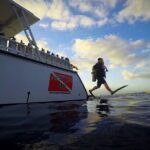
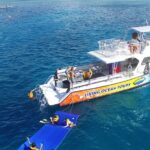
Curiosity meets control under Oahu skies. This first-time scuba experience keeps things friendly and structured, with tiny instructor-led groups and equipment provided, so you spend your energy learning instead of hauling gear.
The vibe is simple: you get coached step by step, then you get to look for real marine life right off the water.
I really like how the instruction is geared for comfort. On one outing, guide Ed was praised for being patient and for walking beginners through the ins and outs before anyone goes in.
One consideration: conditions on the surface can be choppy, and some first-timers may feel they need more practice before going into open water. If you’re nervous about motion or depth, plan to take the early skills portion seriously and ask questions fast.
In This Review
- Key Highlights Worth Your Time
- Getting Oriented: What the 4 Hours Feels Like
- Price and What You Actually Get for $279
- Meeting Point and Timing: Plan Your Morning Without Stress
- The Safety First Approach (And Why It Matters for Beginners)
- Equipment Provided: Your Less-Than-Perfect Packing List Gets a Win
- What You Learn Before You Go Under
- Wildlife Spotting: The Underwater Stuff You Can Look Forward To
- How Choppy Conditions Can Change Your Comfort Level
- A Realistic Itinerary Flow (What Your Time Likely Looks Like)
- Who This Is Best For (And Who Should Rethink It)
- Should You Book This First-Time Scuba Experience?
- FAQ
- Is equipment provided for the first-time scuba experience?
- How long does the experience last?
- What time does it start?
- How big are the groups?
- Do you include snacks?
- Do I need to bring a medical waiver?
- What marine life can I expect to see?
- What language is the instruction offered in?
- Where does the tour start and end?
- What if I need to cancel, or the weather is bad?
Key Highlights Worth Your Time
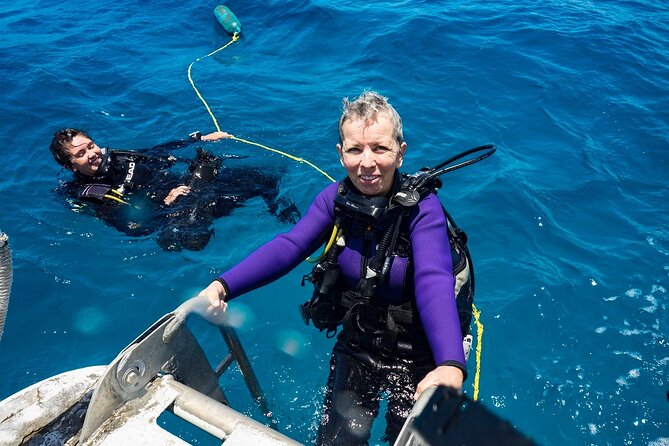
- One to four people per group means you get more hands-on attention
- Full scuba equipment included so you can travel light
- Snacks provided keeps your energy up between the briefing and the water
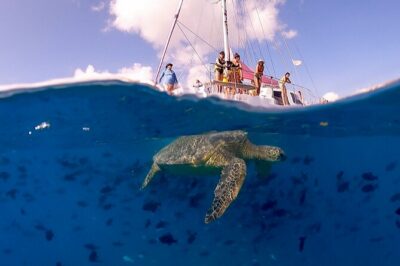
- Marine wildlife spotting focus including sea turtles and octopuses
- Small group approach helps wildlife behave naturally compared with larger groups
- Ed is one of the praised instructors, especially for calm, clear guidance
Getting Oriented: What the 4 Hours Feels Like
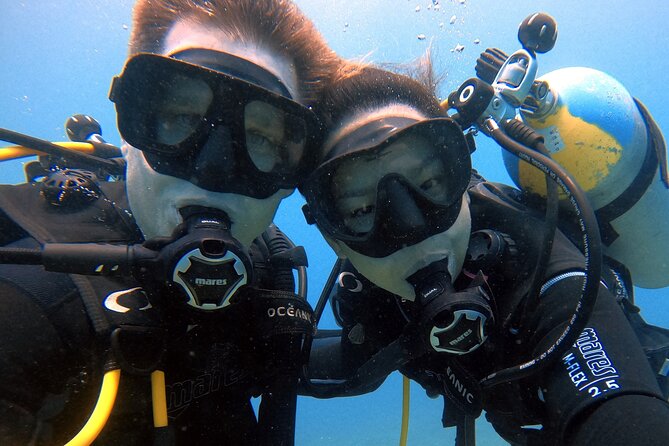
This outing runs about 4 hours and starts at 11:00 am, finishing back at the meeting spot. That timing matters on Oahu because it’s late enough that you’re not rushing out the door at dawn, but early enough that you still have afternoon options after you’re done.
The key thing is the pace. You’re not thrown into the deep end of information all at once. Expect a guided start, time to get set up, and then skill checks before you’re free to focus on what’s happening underwater. For first-timers, that structure is half the value.
You can also read our reviews of more scuba diving tours in Oahu

Price and What You Actually Get for $279
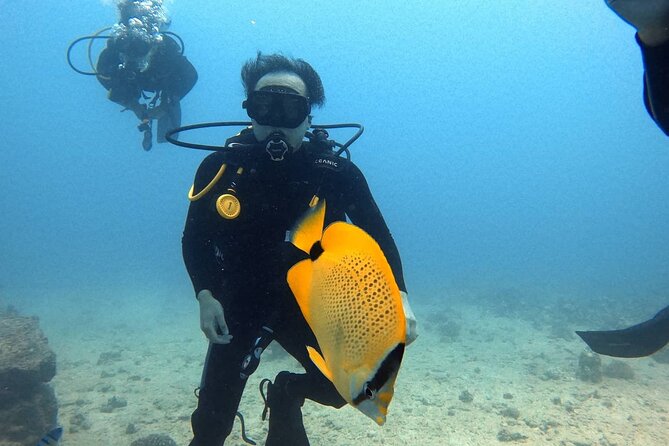
At $279 per person, this isn’t a bargain-basement activity. It is priced like a guided, safety-first program—meaning you’re paying for coaching, equipment, and a small-group format that makes it easier for instructors to watch what you’re doing.
You also get two practical win-win inclusions:
- Scuba equipment is provided, so you don’t need to rent or bring your own.
- Snacks are included, which is not glamorous, but it helps you stay steady through the whole session.
When you compare it to paying for gear rental plus private-style attention, the value starts to make more sense. And the small groups help justify the cost: fewer people means less crowd energy and more focused coaching.
Meeting Point and Timing: Plan Your Morning Without Stress
You’ll start at 74VV+4W Honolulu and return there at the end. It’s also described as near public transportation, which is useful if you don’t want to fight parking.
Your start time is 11:00 am, and you’ll want to arrive early enough to handle any paperwork without rushing. That’s especially true because you’ll need to fill out a scuba medical waiver on the morning of the charter.
The Safety First Approach (And Why It Matters for Beginners)
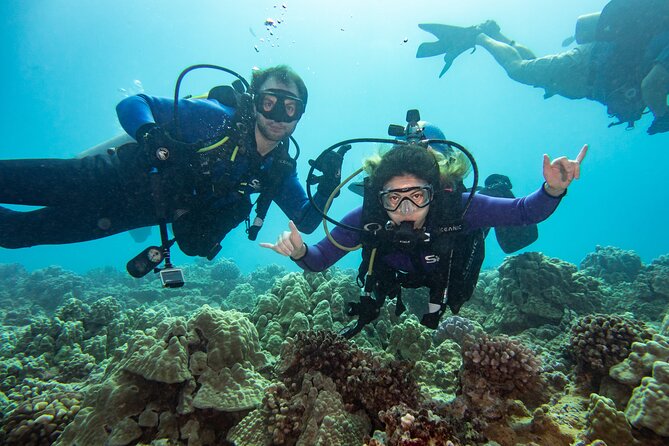
The whole program is built around safety guidelines and basic skills. For you, the practical benefit is that you’ll get a process instead of a lecture. Instructors are focused on your safety, comfort, and enjoyment, and they’re watching for the basics that keep the experience smooth.
Small groups are a major part of that. The program explicitly aims for groups of one to four people because larger groups can spook wildlife. If you’ve ever seen how quickly animals vanish when people crowd in, you already understand the logic: calmer water and fewer bodies often means better viewing.
Safety also shows up in the way you’re taught. One beginner-friendly clue from the feedback: guide Ed was praised for being patient and for making sure you understand the ins and outs before going in.
Equipment Provided: Your Less-Than-Perfect Packing List Gets a Win
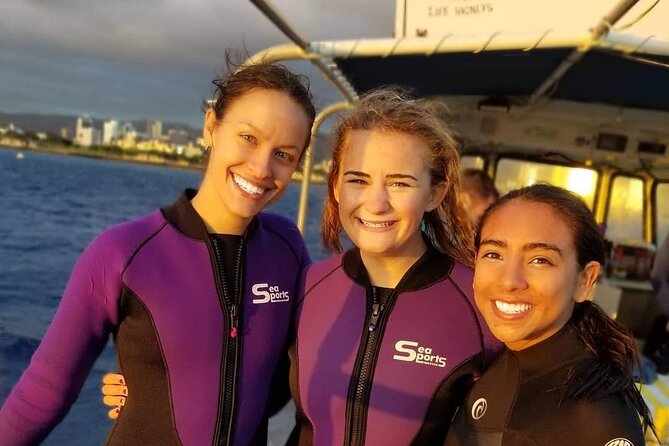
You don’t need to pack scuba kit for this one. Equipment is included, which means:
- You don’t have to figure out sizing on vacation
- You’re not wasting time searching for rental gear
- You can travel with lighter bags (and less stress)
That matters because first-time scuba outings are already a lot—new gear, new buoyancy feel, new hand signals, new breathing rhythm. Starting with gear you’re getting set up for on-site helps you spend your attention where it counts: learning the skills and staying relaxed.



What You Learn Before You Go Under
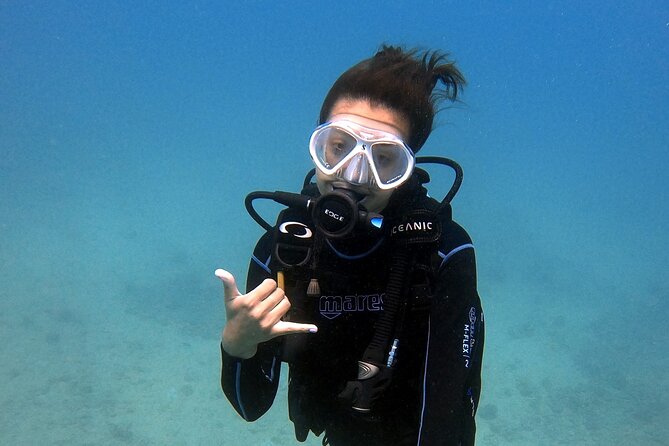
You’ll go through a skills-focused sequence led by your instructor. The goal is to get you competent enough to enjoy the underwater part without panic.
Here’s what you should pay attention to during the early training:
- You’ll practice basic techniques with an instructor watching closely
- You’ll go step by step, not all at once
- You’ll have time to ask questions before you’re fully underwater
One helpful detail from the feedback: the experience is designed for beginners, and instruction is described as easily understandable. Still, there’s a caution from one review that practice happened in open water and that choppy surface conditions made it more intimidating for someone who hadn’t had any prior experience.
So if you’re anxious, treat the training portion like your comfort ramp. Ask for clarity early. If something doesn’t click, say so right away—don’t wait until you’re already in the water.
Wildlife Spotting: The Underwater Stuff You Can Look Forward To
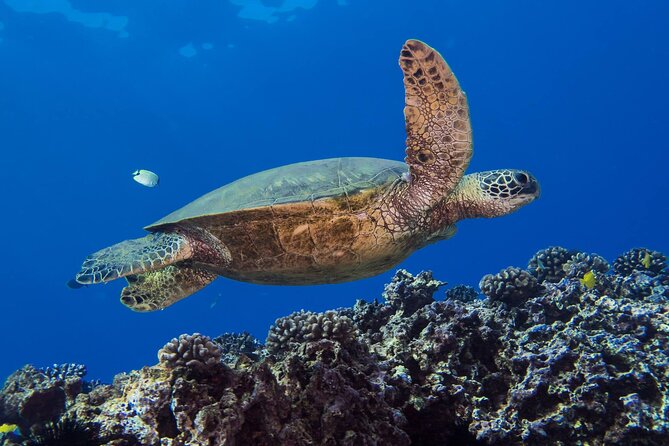
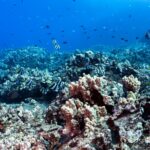
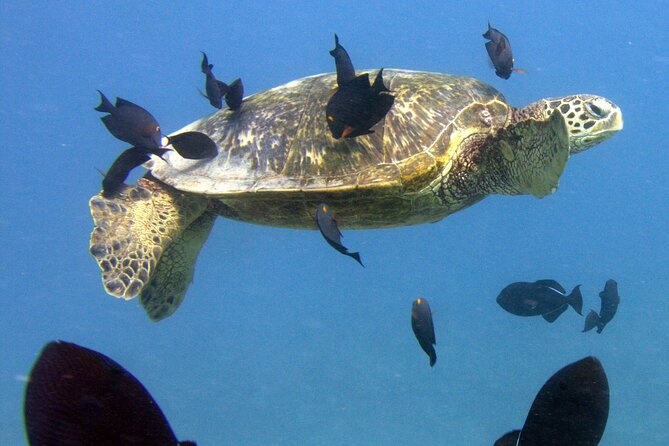
This program is explicitly about marine life. Highlights include:
- Sea turtles
- Octopuses
And in instructor-guided feedback, people also mentioned seeing wildlife such as electric eels. That’s a great reminder that the ocean isn’t just a pretty background—it’s an active habitat where careful, quiet behavior can pay off with real sightings.
Because the groups are small, you’re more likely to get the animal behavior you came for. It’s the same reason wildlife guides keep distance: when people are clustered and noisy, animals bolt.
How Choppy Conditions Can Change Your Comfort Level
Oahu weather can be unpredictable. One review called out that the surface was extremely choppy and that a short practice sequence in open water felt scary for a beginner.
The operator’s response is worth noting: they indicated that while the surface can be choppy, it doesn’t carry underwater and doesn’t affect the actual dive portion. You should still take the review as a real-world heads-up: if you’re sensitive to motion, you might want to mentally prepare for a less-smooth ride from shore to the training area.
A Realistic Itinerary Flow (What Your Time Likely Looks Like)
You’re not given a minute-by-minute script here, but the structure is clear from how the program is described. Here’s the typical flow you should expect:
- Arrive at the meeting point and get checked in.
- Complete the medical waiver on the morning of the charter. If you answer yes to any part, a doctor’s note is required before you’re allowed to scuba.
- Get your equipment fitted and receive the basics from your instructor.
- Receive safety and skill instruction, designed for comfort and beginner readiness.
- Enter the water for guided practice, with close monitoring.
- Look for marine life during your guided underwater time.
- Return back to the meeting point at the end of the session.
The most important practical takeaway: you’ll spend real effort on the skills part, because that’s what turns the experience from scary to doable.
Who This Is Best For (And Who Should Rethink It)
This is a strong fit if:
- You want to learn a new skill on vacation with guidance the entire time
- You’re comfortable with a moderate physical fitness level
- You prefer small-group attention over big tours
- You want marine life viewing without a crowd vibe
It may be less ideal if:
- You’re extremely anxious about open water
- You need a lot of practice in a pool first (since the format may include skills practice in the water rather than a separate pool session)
If you’re on the fence, I’d lean toward booking if you’re curious and teachable. Just go in knowing the ocean can add nerves, and you’ll be helped through it—especially with patient instructors like Ed.
Should You Book This First-Time Scuba Experience?
I’d book it if you want a first underwater experience that’s coached, not chaotic. The combination of small groups (one to four), equipment included, and a beginner-first safety focus makes it feel like a practical way to try scuba without turning your vacation into homework.
I’d hesitate only if you know you’re very sensitive to motion or you need a lot more pre-water practice than what this format may provide. If that’s you, it’s worth asking before you go about how skills practice is handled on your specific day and what happens if conditions are rough.
If your goal is learning the basics, seeing sea turtles and octopuses, and leaving with real confidence, this is a solid choice for Oahu.
FAQ
Is equipment provided for the first-time scuba experience?
Yes. The experience includes the use of scuba equipment.
How long does the experience last?
It runs for about 4 hours.
What time does it start?
The start time is 11:00 am.
How big are the groups?
Introductory sessions are small, typically one to four people per group, and the overall maximum travelers is 16.
Do you include snacks?
Yes. Snacks are included.
Do I need to bring a medical waiver?
You will need to fill out an RSTC scuba medical waiver on the morning of the charter. If you answer yes to any part, you’ll need a doctor’s note before scuba is allowed.
What marine life can I expect to see?
The experience highlights seeing sea turtles and octopuses. Some participants also mentioned electric eels.
What language is the instruction offered in?
The experience is offered in English.
Where does the tour start and end?
It starts at 74VV+4W Honolulu and ends back at the meeting point.
What if I need to cancel, or the weather is bad?
You can cancel for a full refund up to 24 hours before the experience starts. If it’s canceled due to poor weather, you’ll be offered a different date or a full refund.