REVIEW · SCUBA DIVING
Waikiki 2 Tank World Class Wreck SCUBA Diving – Certified Only
Book on Viator →Operated by WAIKIKI DIVE CENTER · Bookable on Viator
A morning in Waikiki starts with a wreck and ends on a reef. I like that this trip gives you two underwater scuba sessions in one outing, plus all equipment and even snacks. I also like how the operation keeps things certification-focused, so you’re not stuck waiting on first-timer pacing. One thing to consider: the shipwreck portion has strict requirements, and if you can’t show proof, you’ll miss the main itinerary.
In This Review
- Quick Hits
- Honolulu First, Then Oahu: The Real Rhythm of the Morning
- Certified-Only Means Certified-Ready: What You Must Prove
- Gear, Tanks, and the Kind of Strength This Trip Expects
- Stop 1: Honolulu Check-In at 424 Nāhua St
- Stop 2: Oahu Waters and Boat Time Before You Enter the Water
- Stop 3: Waikiki Underwater—Sea Tiger Wreck to Reef Along Waikiki
- The Wreck Session: Sea Tiger and Why It Feels More Than a Photo Stop
- Reef Time Along Waikiki: Fish, Turtles, and Staying Close to the Guide
- Guides, Safety Culture, and Why Names Keep Coming Up
- Price and Value: Is $269 Worth It?
- Who This Fits Best (and Who Should Skip)
- Booking Checklist: Make This Day Go Smoothly
- Should You Book This Waikiki Wreck + Reef Scuba Trip?
- FAQ
- Do I need scuba certification to join this tour?
- What sites might I visit during the wreck and reef portions?
- Is lunch included?
- How early do I need to arrive?
- Can I fly the same day?
- What health checks are required?
Quick Hits
- Strict scuba certification rules mean you must be qualified for the wreck portion before you ever step on the boat
- Wreck-to-reef format is built for variety: you’ll explore a sunken structure, then shift to a calmer reef area
- All equipment provided, but you still need to handle tank weight since you must be able to carry 30 lb tanks
- Small group size (max 16) helps the day feel organized, not chaotic
- Guides named by past guests include Ron, April, Dylan, Yoshi, Alex, and Marcia—many mention safety and confidence
Honolulu First, Then Oahu: The Real Rhythm of the Morning
This is an early start kind of day. You meet at 424 Nāhua St, Honolulu, and the expectation is you’re there by 6:30am. They give a grace window to 6:45am, and after that, you’re marked a no-show. If you’re the type who wants to roll out with the last sunrise light, this tour will nudge you into better habits fast.
The rest of your morning is a clean sequence: check in, health paperwork, gear planning, then you head out to the water. The good part is that you’re not spending your morning “figuring it out.” The shop runs a tight safety system and has an exemplary safety record dating back to 1979, which you’ll feel in how structured the day stays.
One more practical note: this trip is certified-only for the wreck or night portions. That affects the whole feel of the morning. You’re with people who already know basic scuba expectations, so you can keep the day moving without a long beginner catch-up.
You can also read our reviews of more scuba diving tours in Oahu

Certified-Only Means Certified-Ready: What You Must Prove
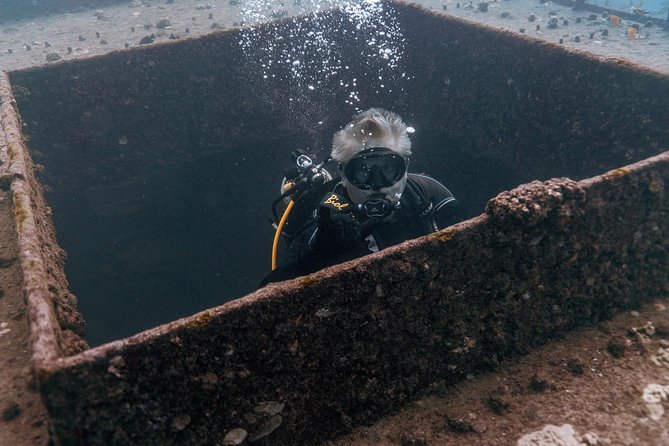
Here’s the non-negotiable part. If you want the shipwreck (and any shipwreck or night-style underwater work), you must be a certified scuba participant—no exceptions. They explicitly require you to show evidence of your certification at check-in. If you don’t present it, you’ll be denied for those trips, and there’s no refund or free rescheduling tied to missing proof.
There’s also a higher bar if your certification is meant to cover the wreck portion. You need to be Advanced Open Water or equivalent, with experience that includes the kind of deeper work described as about 100 ft. If that sounds like something you did once a long time ago, be honest with yourself about whether your skills and comfort match what this day requires.
They also run a health questionnaire before you go in the water. If you have pre-existing medical conditions (the info calls out things like asthma and heart conditions), you may need doctor clearance. If you’re the person who usually skips questionnaires, don’t. Plan for it early so medical check timing doesn’t stress your schedule.
Finally, for safety and conservation, you’ll be required by Hawaii regulations to stay close to the local guide during the entire tour. That’s good for marine life protection—and it also means you’re not wandering off trying to “find your own adventure.”
Gear, Tanks, and the Kind of Strength This Trip Expects
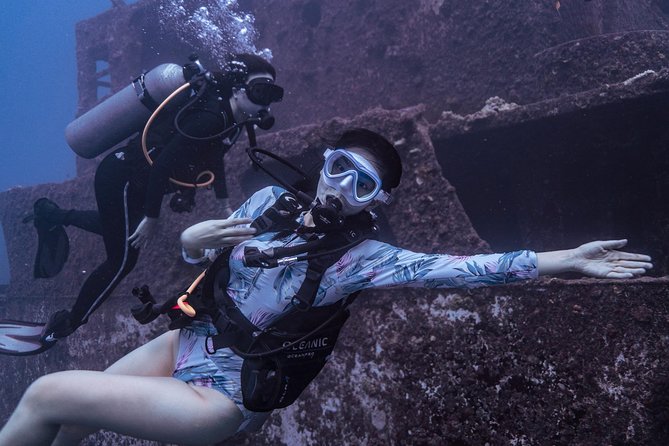
Good news first: all required scuba equipment is provided. Past guests specifically mention the equipment being good, and you don’t need to wrestle with rentals on Waikiki’s side streets.
But you do have one physical requirement that’s worth taking seriously: you must be able to carry 30 lb tanks. Even if the staff helps you with the setup, you still need the strength to handle tank weight reliably. “I can lift it once” isn’t the same as “I can carry it a few steps without struggling.” If you’re unsure, plan an easier day and keep this one for when you feel strong.
Also, because this outing uses a two-tank structure, you’ll likely do at least one tank change over the course of the day. One of the most helpful pieces of advice from earlier experiences is that the guides don’t always slow down for extra gear reminders. So you’ll get the best experience if you come feeling comfortable with your own setup and your own routine.
Do not show up impaired. They reserve the right to refuse participation if alcohol or anything that causes drowsiness affects your decision-making.
Stop 1: Honolulu Check-In at 424 Nāhua St
This is where the day gets real. You start at 424 Nāhua St and arrive early enough to clear check-in without panic. That means having your scuba certification evidence ready, plus being ready for the health questionnaire.
If you’ve never done scuba paperwork before, treat this like a quick form-filling sprint: answer honestly, and don’t assume the staff will guess what you mean. The tour info makes it clear that some medical conditions can prevent participation, and no refund applies if you fail medical clearance.
One more small-but-important thing: this is near public transportation. If you’re staying along Waikiki, you might be able to reach the meeting point with less taxi cost. People in similar situations have found the shop convenient for that “walk or short ride” approach, which helps when you’re leaving early and the morning is still half-asleep.
Stop 2: Oahu Waters and Boat Time Before You Enter the Water
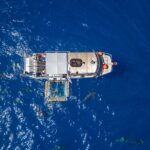
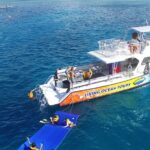
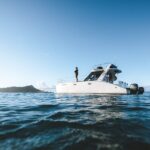
On this kind of Waikiki-area schedule, “Stop 2” is mostly about getting you out to the sites and setting the rhythm for the day. Once you’re on the water, you’ll get briefings and the kind of calm pacing that makes you feel like the crew knows what they’re doing.
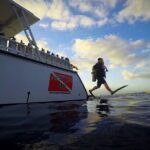
A detail worth knowing: past participants mention an entry technique called Giant Step, and they found it easier because the guides handled it smoothly. That’s a good sign for how the operation teaches the moment-to-moment actions you need to be confident.
Also, the trip caps at 16 travelers, so you’re not packed into a huge crowd. Smaller groups mean less waiting around and more time actually being in the experience. If you’re someone who hates standing around with gear and strangers, this matters.
You can also read our reviews of more tours and experiences in Oahu

Stop 3: Waikiki Underwater—Sea Tiger Wreck to Reef Along Waikiki
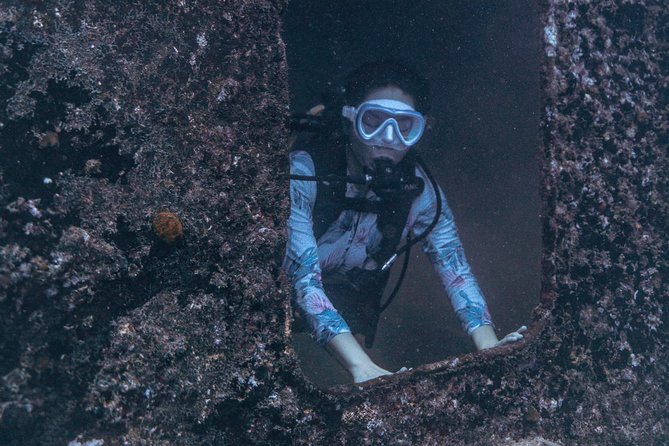
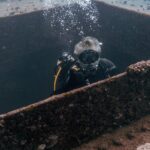
This is the core of the day: a wreck-focused session followed by a reef stop along Waikiki. The wreck part is where the day feels like a story you can swim through. The reef part is where it shifts back to marine life spotting and easier wandering within the guide’s conservation rules.
The wreck site options you might see include the Sea Tiger, the YO-257, or the San Pedro wreck. Depending on conditions, your exact wreck target can vary, but the intent stays the same: you get to explore a sunken structure, not just drift over a sand patch.
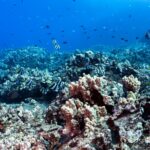
Then you switch to a reef area. Some earlier outings mention spots like Horseshoe reef. Reef conditions tend to be more about fish watching and steady buoyant movement than about examining the structure details. It’s a nice contrast after a wreck segment.
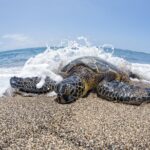
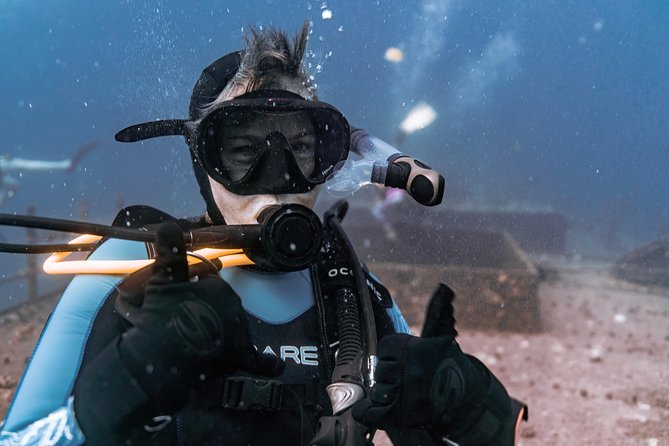
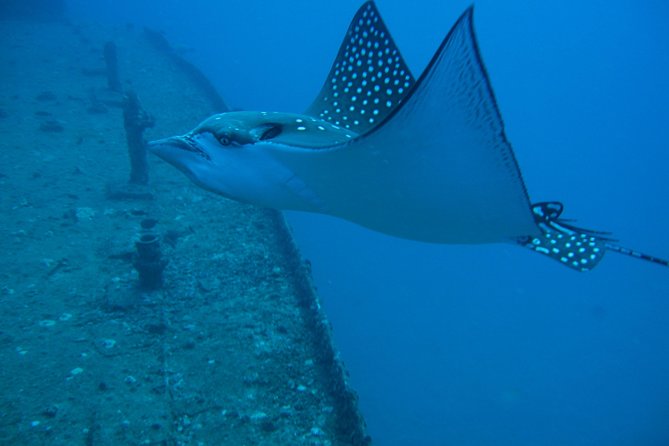
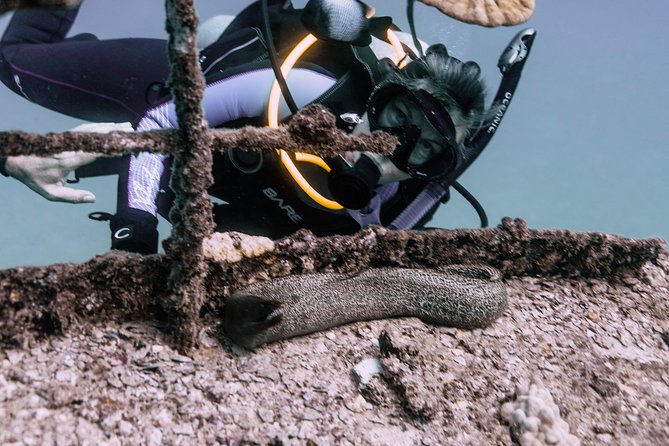
If you’re hoping for marine life, you’re in the right neighborhood. Earlier experiences describe seeing hon u (green sea turtles), plus fish, sea urchins, eels, and even an octopus. Other reports include a shark sighting and big-school tropical fish moments. You won’t get guarantees, but the location and the itinerary are set up for high odds.
The Wreck Session: Sea Tiger and Why It Feels More Than a Photo Stop
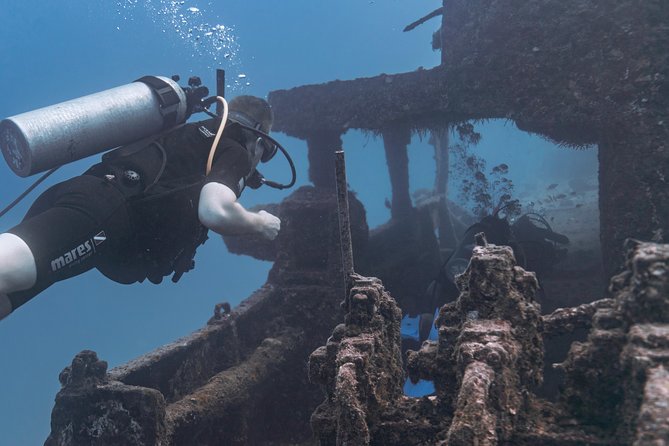
The wreck portion is what makes this ticket feel different from a basic coastal reef outing. Sea Tiger is often the star, and guests have described bountiful fish and turtles around it. People also mention the chance to see turtles swimming close to the route, plus the fun of moving through wreck structure while staying within the safe path your guide sets.
What you’re paying for here is not just “a wreck location.” It’s the structured handling of a more demanding type of scuba work. The wreck portion expects comfort with deeper profiles (the schedule calls out roughly 100 ft experience requirements) and confidence with your own gear workflow.
You should also expect that this is an experienced-participant style day. One earlier account notes that you need to put your gear together and manage tank changes yourself, and that the guides may not do constant, step-by-step reminding. That isn’t a flaw if you’re already competent; it’s actually part of what keeps the day efficient.
So my practical advice: if it’s been a while since your last scuba session, do a refresher before this. If you know you can check your gear and handle buoyancy without extra hand-holding, you’ll likely feel more relaxed right away.
Reef Time Along Waikiki: Fish, Turtles, and Staying Close to the Guide
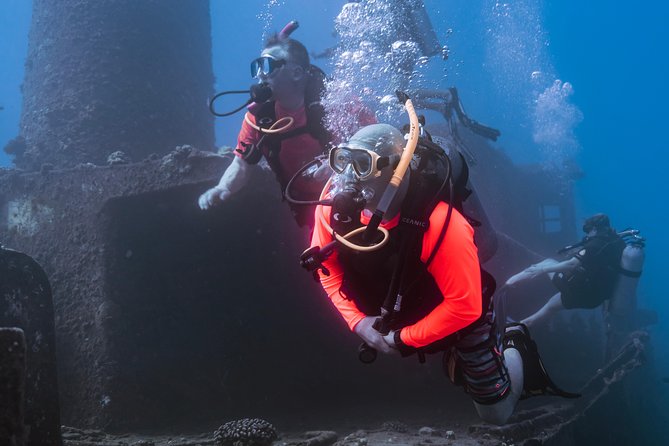
After the wreck portion, the mood usually shifts. Reef time is where you get to slow your brain down. Instead of focusing on structure and route constraints, you’re more focused on marine life and smooth movement.
You’ll still be required to stay close to the local guide for conservation regulations. That’s a good thing. It helps protect reefs and it keeps everyone’s safety tied together, especially in areas with current or boat traffic nearby.
Past experiences describe a lot of honu sightings on the reef, including turtles swimming alongside the group. Others mention eels, sea urchins, and varied reef fish. There’s also a story about the guides helping a color-blind participant by pointing out what to look for—so if color-based spotting isn’t your strength, you can ask for cues based on movement and shape.
If you’re used to guided snorkeling, the underwater version here feels similar: the guide’s job is to keep you oriented and pointed toward what’s most likely to show up. Your job is to keep your buoyancy steady and your attention on what’s around you without bumping anything.
Guides, Safety Culture, and Why Names Keep Coming Up
One of the best signs that you’re in good hands is consistency in how people describe the crew. Earlier guests mention specific guide names like Ron and April, Dylan and Yoshi, Alex, and Marcia. The common thread is confidence: people felt prepared and safe, and they described guides as personable and tuned to the area.
Safety here is not just a slogan. The tour info specifies using only PADI-certified, licensed, and insured scuba professionals, and the company notes an exemplary safety record since 1979. That matters on a wreck day, where good buoyancy and correct positioning are more important than on a gentle surface-focused outing.
Also, even though this is a certified-only experience for the wreck portion, the operation can share a boat with non-certified/new students on the same day. They separate those groups and use a dedicated instructor for them at a 4:1 ratio. If you like consistency and you want your whole group together, there’s also a private instructor option for $180 per each four-scuba-participant group increment. That’s a budget add-on, but it can be worth it if you want more attention or more time aligned to your comfort level.
Price and Value: Is $269 Worth It?
At $269 per person for about 5 hours, the value comes from what’s bundled.
You get:
- All required scuba equipment
- A professional guide
- Snacks and bottled water
- A structured wreck + reef day instead of one short stop
What you don’t get is lunch, so plan for that. But compared to cobbling together gear rentals, hiring a guide for one site, and then paying for transport separately, this format often ends up cheaper than piecing it together.
The big value lever is that this is built as a two-part experience on one morning. If you’re in Oahu for a limited window, pairing a wreck structure with a reef habitat can make a single outing feel like a full story arc.
One more value detail: the small group max (16 travelers) can make the whole day feel less crowded, which matters when you’re handling tank swaps and entry steps.
Who This Fits Best (and Who Should Skip)
This is a great fit if you:
- Are already scuba certified and can meet the requirements for the wreck portion (Advanced Open Water or equivalent, with deep experience around 100 ft)
- Want both a wreck experience and a reef habitat in the same outing
- Are comfortable handling your own gear setup and tank changes without constant reminders
- Can carry 30 lb tanks and you’re in moderate physical condition
It’s likely a poor fit if you:
- Are a newer scuba participant without the specified certification depth experience
- Don’t have proof of your certification ready at check-in
- Have medical conditions that might prevent clearance and you haven’t arranged doctor input
- Need a relaxing, unstructured day—this tour is structured by design
Booking Checklist: Make This Day Go Smoothly
This tour runs early, and the day stays strict for safety reasons. If you want it to feel like fun (not paperwork stress), do this:
- Have your scuba certification proof ready for check-in
- Plan for the health questionnaire and doctor clearance if relevant
- Avoid alcohol before you go
- Plan your schedule so you’re not flying too soon
- Bring your appetite for a full morning since snacks and water are provided but lunch is not
Also, don’t plan to dive and fly the same day. The rules say diving within 18 hours of flying is not allowed, and it’s on you to schedule early.
Should You Book This Waikiki Wreck + Reef Scuba Trip?
If you’re qualified for the wreck portion and you want a real two-site scuba day off Waikiki, I think this is a strong booking. The wreck-to-reef combo is a good way to stretch your limited Oahu time, and the crew track record—plus the specific guide names people keep connecting with safety and preparation—signals a dependable operation.
Skip it if you’re missing the required certification level, if you might fail medical clearance, or if you need a casual pace. This is a structured morning for competent scuba participants, and it rewards preparation.
FAQ
Do I need scuba certification to join this tour?
Yes. The shipwreck portion is certified-only, and you must provide evidence of your scuba certification at check-in. The wreck requires Advanced Open Water or equivalent experience for deep work around 100 ft.
What sites might I visit during the wreck and reef portions?
For the wreck portion, the tour may include the Sea Tiger, YO-257, or San Pedro wreck. The second portion is a reef dive along Waikiki, with examples like Horseshoe reef mentioned.
Is lunch included?
No. You get snacks and bottled water, but lunch is not included.
How early do I need to arrive?
Arrive by 6:30am. Check-in has a grace period until 6:45am. After that, you’ll be marked a no-show and your booking is canceled automatically.
Can I fly the same day?
No. Diving within 18 hours of flying is not allowed, and you’re advised not to do both on the same day.
What health checks are required?
You must complete a health questionnaire before diving. Pre-existing medical conditions may prevent you from diving, and doctor clearance is generally required for those conditions. No refund applies if you fail medical clearance.