REVIEW · NORTH SHORE TOURS
Shark Cage Diving on Oahu’s North Shore
Book on Viator →Operated by Hawaii Shark Encounters Inc · Bookable on Viator
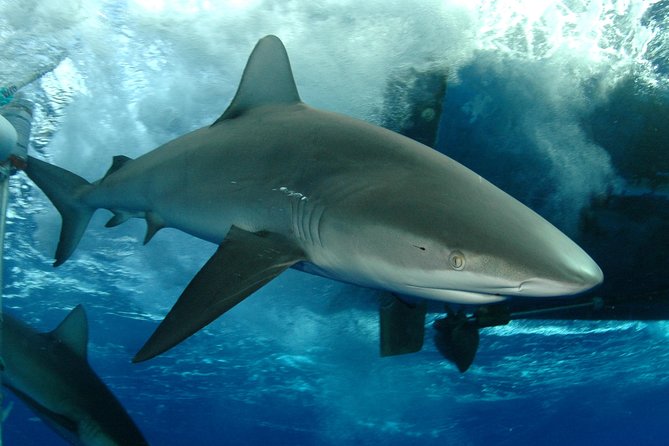
Sharks in front of you beats any aquarium. This North Shore Oahu experience puts you in a floating cage in real shark habitat, with a safer, calmer setup than most people expect. You stay on the surface with snorkeling gear, then watch Galapagos and sandbar sharks glide by through polyglass windows.
I especially like the small-group feel (up to 12 people), which makes the whole thing feel more personal. I also love that you can learn as you go, with the crew sharing facts about shark biology and behavior while keeping the vibe friendly and professional, including guide names like Caleb, Captain David, and Efraim/Efraim being called out for patience and clarity.
One thing to plan for: the ocean can be choppy. A number of people noted rougher water or feeling cold in cooler months, so bring a practical comfort plan (sea sickness help and warmer swim layers) even if the day looks calm when you check weather.
In This Review
- Key things to know before you go
- Why Oahu’s North Shore shark cage setup feels different
- Hale’iwa Boat Harbor to the shark site: how the 2-hour experience flows
- The cage and polyglass windows: your safest route to real close-up viewing
- Snorkeling from the surface: no scuba, no certification stress
- Who should pick the in-cage option vs. observer ticket
- Sharks you might see on Oahu’s North Shore (and how to manage expectations)
- The boat, the crew, and why small-group guidance makes a difference
- Comfort tips that improve your day (especially in cooler months)
- Price and value: what $100 buys you on Oahu’s North Shore
- Weather, waves, and what happens if the ocean doesn’t cooperate
- Where the experience really delivers (beyond the shark factor)
- Should you book this Oahu shark cage experience?
- FAQ
- How long is the shark cage experience on Oahu’s North Shore?
- Where does the tour start and end?
- What’s the price per person?
- What’s included in the ticket?
- Do I need scuba certification or previous scuba experience?
- What age is the minimum for this experience?
Key things to know before you go
- Small group limit (max 12) helps it feel less hectic and more guided.
- Two ways to see sharks: from the cage windows and from the surface snorkel.
- No scuba experience needed, so you’re not dealing with dive training.
- Choose observer vs. in-water if you want to stay on the boat with a family member.
- Ocean comfort matters: waves and cooler water can affect how much you enjoy it.
- Early timing helps: many people recommend going earlier for smoother cage time.
Why Oahu’s North Shore shark cage setup feels different
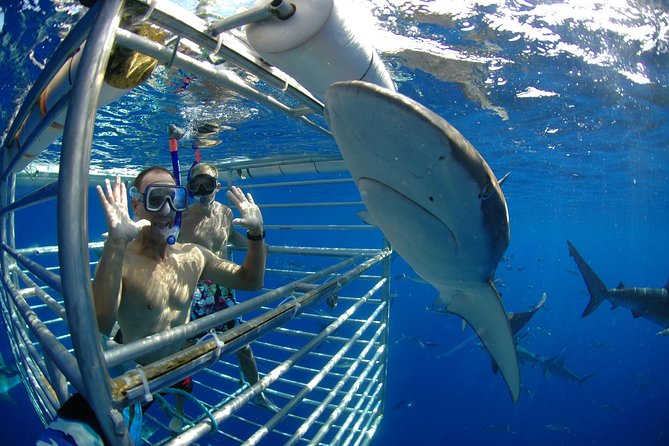
This isn’t about frightening stunts. The appeal is simple: you get close to sharks on purpose, but you do it from a floating, guided cage experience built for safety and clear viewing.
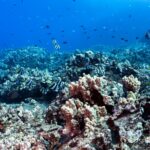
On Oahu’s North Shore, the water can be crystal clear and deep blue, which matters because sharks are easier to spot when visibility is good. With the cage setup, you’re also not doing random splashing around in open water trying to find animals. You’re anchored to a purpose-built viewing spot, with guidance and set time in the habitat.
And yes, the big emotional payoff is seeing them at eye level. People go in nervous and come out calm once they’re actually in the cage and watching sharks circle and pass by. Captain David and Caleb get mentioned often for setting that tone: patient instructions, lots of reassurance, and answers even when you ask the anxious questions.
You can also read our reviews of more scuba diving tours in Oahu

Hale’iwa Boat Harbor to the shark site: how the 2-hour experience flows
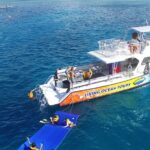
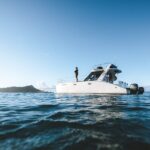
Your day starts at Hale’iwa Boat Harbor. You’ll meet the crew, board the boat, and head out to the shark encounter area. The total time is about two hours, and you’ll return to the harbor at the end, so this works well when you don’t want an all-day ocean commitment.
In terms of the trip out, people describe it as a short ride, sometimes around 15 minutes. One person also noted the site was about 3 miles offshore, which helps you understand why this feels like a real ocean outing, not just a swim near shore.
Once you arrive, the main event begins: you enter the cage, get snorkeling gear if you’re going in the water, and then you spend the time watching sharks in their natural area. The crew is there the whole time, keeping things organized and making sure you know what to do next.
The cage and polyglass windows: your safest route to real close-up viewing
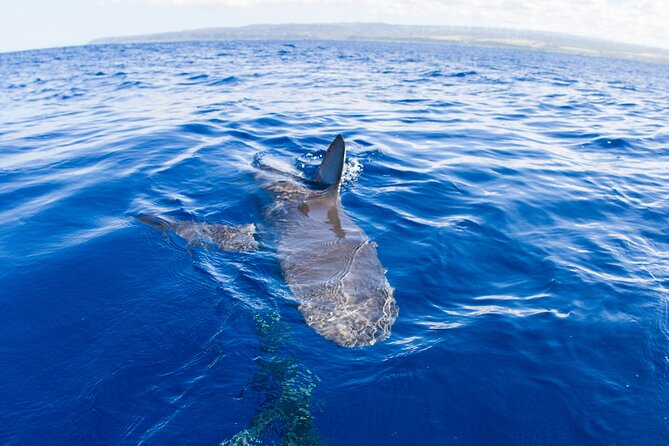
The most important practical detail here is that you’re not relying on luck alone. The cage is designed for viewing, with large polyglass windows that let you watch sharks glide past without staying submerged.
That means you can stay on the surface and still get that near-constant sightline to movement. It also helps if you’re not a strong swimmer or you’re nervous about being underwater for long stretches, since the process is built around surface snorkeling and controlled viewing.
A couple of people pointed out that the plexiglass coverage isn’t 360 degrees—some sides have clear panels while other sides are bars. In normal conditions, that’s fine because you can position yourself for viewing. But if you’re obsessed with perfect camera angles, keep that in mind and try to rotate within the cage when the sharks move closer to a clear side.
Snorkeling from the surface: no scuba, no certification stress
You do not need scuba experience or certification. That’s a huge value point for beginners or for anyone who’s intimidated by technical gear.
What you do instead is simple: wear your snorkel mask and snorkel, stay on the surface, and look through or alongside the cage windows while sharks swim nearby. You’re in a guided setup, with snorkeling equipment provided so you can travel light.
This is where the experience feels surprisingly approachable. People who don’t swim well still report feeling safe in the cage. One family mentioned the cage was easy to get into and out of, and that the staff gave helpful tips for snorkeling basics, which is exactly what you want if you’re new to ocean conditions.
Who should pick the in-cage option vs. observer ticket
Not everyone wants to be in the water at the same time, and that’s why the observer option matters.
If you choose an observer ticket, you stay on the boat with an observer setup. The key limitation is that it does not include getting into the cage or using snorkel equipment. So if your goal is to watch from inside the cage with clear viewing, you’ll want the in-cage option for that person.
This is a great compromise for families. One review described a family of five fitting comfortably and people mention kids doing the experience too, so if you’re traveling with mixed comfort levels, observer tickets let the group match the activity to each person’s needs without splitting entirely.






Sharks you might see on Oahu’s North Shore (and how to manage expectations)
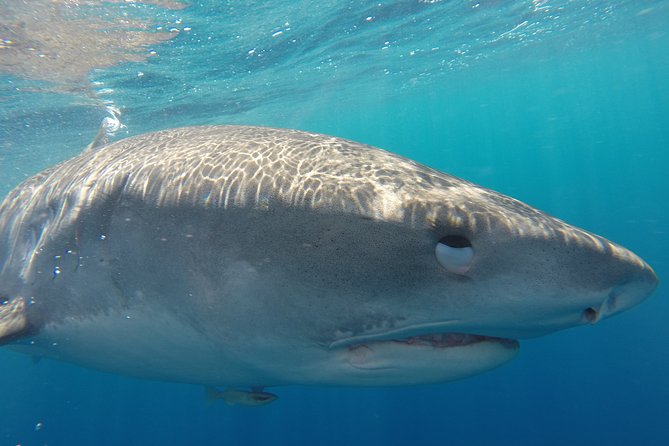
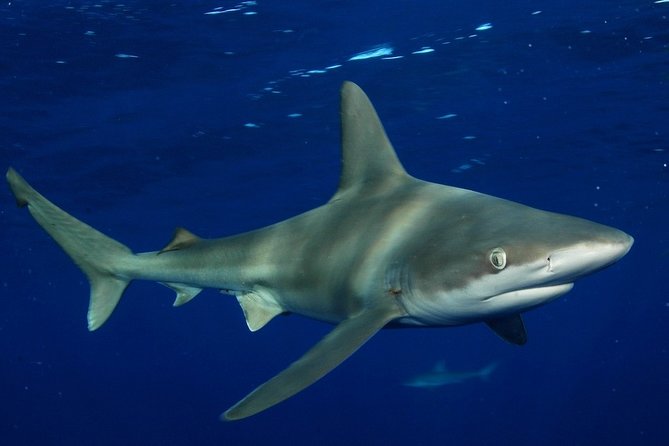
The core promise is that you’ll visit shark habitat where Galapagos sharks and sandbar sharks live. Those are the anchor species, and most people come away impressed by how many sharks they see during their time at the site.
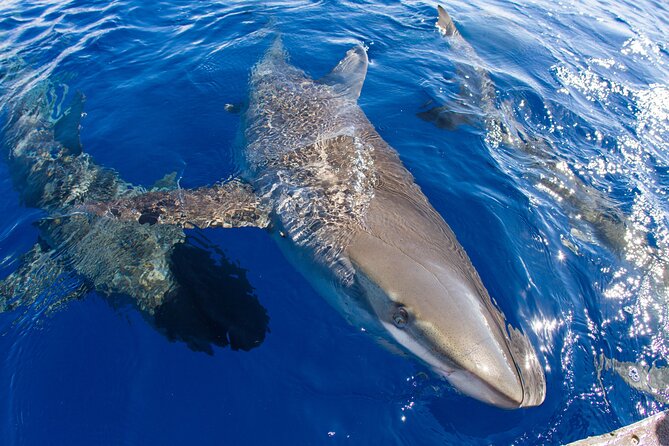
In practice, the exact number can vary. You might see half a dozen, a dozen, or more at a given time depending on day, currents, and luck. Some people reported lots of circling sharks and even surrounded moments where sharks hovered close to the cage.
There’s also talk of occasional other sharks. One person mentioned a tiger shark, and another said they didn’t see tigers but had a great time. That tells you something useful: focus your mindset on the main species (Galapagos and sandbar), and treat any extras as bonus surprises instead of a requirement.
If you’re worried about safety fears, it helps to know the overall tone of the operation. People stress that the crew normalizes the encounter, reminds you sharks aren’t there to attack humans, and helps you focus on behavior rather than horror-movie myths. That mindset shift is often what turns a scary idea into a calm, almost meditative watch.
The boat, the crew, and why small-group guidance makes a difference
This tour caps at 12 travelers, which is a big deal for comfort. On ocean tours, large crowds can mean a lot of waiting, less personalized coaching, and a higher chance you feel rushed. With a smaller number of people, the crew can keep instructions clear and check in more often.
People also highlight the crew’s personality and professionalism. Names come up repeatedly: Caleb is praised for patience and for answering even what someone called dumb questions, Captain David gets credit for reassurance and fun vibe, and Efram/Efraim is mentioned for being funny, patient, and helping people feel comfortable.
They also rinse you off with fresh water when you’re done, which sounds minor until you’ve got saltwater drying on you all day. It’s one of those comfort touches that makes the experience feel complete instead of leaving you sticky and sandy.
Comfort tips that improve your day (especially in cooler months)
If you’re going in February or similar cooler water months, plan for temperature. Several people noted the water feels cool, and at least one suggested bringing a body suit for warmth. Even if you can handle chilly ocean dips, staying comfortable changes your ability to relax and watch sharks calmly.
Also bring:
- A towel (you’ll get rinsed, but you still need something for drying).
- A warmer swim layer if you run cold.
- Motion sickness help if you’re sensitive to ocean waves.
Speaking of waves: some reviews said the cage rocks more than the boat, and a couple people recommended sea sickness medicine ahead of time. One person specifically suggested taking Dramamine the night before. If you know you get nauseous on boats, don’t skip this step.
One more practical camera note: GoPro rentals are available on the boat. If you don’t have one, it’s a smart way to capture footage from inside the cage or for hands-free viewing time. People also encouraged bringing a camera in a pouch to avoid water mishaps while you’re adjusting gear.
Price and value: what $100 buys you on Oahu’s North Shore
At $100 per person for about two hours, you’re paying for more than access to a cage. You’re paying for the whole system: a guided small-group format, snorkeling equipment provided, local taxes included, and an expert crew running the operation.
You’re also not paying for hotel pickup or drop-off, and you’re not getting food or beverages in the price. So the real value comparison is about what you’ll otherwise spend (transport, equipment rentals, and the cost of a guide-led wildlife experience). In that context, $100 can feel fair because you’re using provided snorkeling gear and you get education tied to real animal behavior.
The included stuff is also what makes this easier for short-timers. You don’t need to bring your own mask or snorkel. You just show up, get outfitted, and focus on enjoying the encounter.
Weather, waves, and what happens if the ocean doesn’t cooperate
This is an ocean activity, so conditions matter. The experience requires good weather, and if it’s canceled due to poor weather, you’ll be offered a different date or a full refund. That’s important because you don’t want to “risk it” and lose your vacation day with no flexibility.
Even when it runs, some days can be rough. A number of people mentioned rougher water yet still had a great time because the crew handled it well and they were prepared. You can also improve your odds by choosing earlier departures if the schedule offers it. Several people recommended going early for smoother cage sessions.
Where the experience really delivers (beyond the shark factor)
The best part isn’t only the animals. It’s how the crew shapes the encounter into something you can actually enjoy and understand.
Expect safety explanations, structured time, and calm guidance while you watch shark behavior. People also mention quizzes and fact-sharing during the experience, which turns the time in the cage into more than just waiting and hoping.
This is why I think it’s such a strong “bucket list” fit. It lets you get close to sharks without needing scuba training, without needing expert swimming skills, and without needing a lifetime of ocean luck. You’re there in a controlled way to witness a wildlife moment in its natural setting.
Should you book this Oahu shark cage experience?
Book it if you want a guided wildlife encounter with real viewing through polyglass windows, if you’re nervous about sharks and want a safety-first approach, and if you’d rather spend two focused hours on the North Shore than commit to a bigger multi-hour water day.
Skip it (or plan extra carefully) if you’re very sensitive to motion sickness or you know cold water ruins your day. The cage can rock when the ocean is active, and some people found February water cooler than expected. Bring the right layer and consider motion sickness support before you go.
If your group includes mixed comfort levels, the observer option is a smart way to include everyone without forcing one person to do the in-water portion.
FAQ
How long is the shark cage experience on Oahu’s North Shore?
It’s about 2 hours, including time at the harbor and time spent at the shark habitat area before returning to Hale’iwa Boat Harbor.
Where does the tour start and end?
It starts at Hale’iwa Boat Harbor in Haleiwa, HI 96712, and it ends back at the meeting point.
What’s the price per person?
The price is $100.00 per person.
What’s included in the ticket?
Your ticket includes shark cage time, snorkeling equipment, local taxes, and an expert crew.
Do I need scuba certification or previous scuba experience?
No. You don’t need any previous scuba diving experience or certification.
What age is the minimum for this experience?
The minimum age is 5 years old.