REVIEW · CRUISES & BOAT TOURS
Incredibly Fun Coral Reef Giant Sea Turtles 4hour Boat Scuba Tour
Book on Viator →Operated by WAIKIKI DIVE CENTER · Bookable on Viator
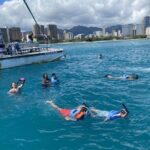
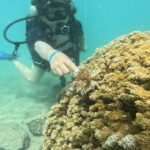
A real open-ocean scuba session beats a beach demo. This 4-hour Oahu outing is built for first-timers and also works for people who just want a refresher, with two tank sessions guided by professional PADI-style instructors in warm water. It’s also timed so you’re not stuck in a classroom all day.
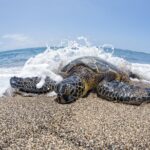
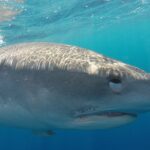
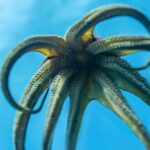
I especially like the focus on getting you comfortable fast with one-on-one coaching, plus the chance to see big highlights like giant sea turtles and other reef residents (rays, eels, octopus, and lots of colorful fish). A lot of the crew feedback also points to strong safety habits and patient teaching, with names like Chad, Olga, Josh, and Yoshi showing up again and again.
One drawback to plan for: reef conditions can swing hard. If you go in rainy weather, you may deal with lower visibility (some divers report around 10–15 feet), and the experience can feel less “wow” than it does on clear days.
In This Review
- Key things that make this tour worth your attention
- Two Tank Reef Training With Real Ocean Time
- Value check: why $299 can still be “good deal”
- Price, Time, and How the Day Flows
- What you’re actually doing during those 4 hours
- Where You Start: 424 Nāhua St and the Route Around Oahu
- Practical tip for the ride portion
- The Pre-Water Training: What You Learn First
- Safety and sobriety rules you should take seriously
- The Underwater Experience: Skills, Skills, Then Wildlife
- Tank session #1: learning without drama
- Tank session #2: exploring the reef
- What “real” means here
- Stops Along the Way: What Those Named Places Mean for Your Day
- Who Will Love It Most (and Who Should Reconsider)
- Quick note on physical readiness
- The Team: Why Instructor Style Changes Everything
- Weather Reality: When the Reef Looks Different
- Equipment, Included Extras, and What to Bring Yourself
- What I recommend you plan for
- Price vs. Other Options: The Real Decision
- Should You Book This Scuba Experience?
- FAQ
- How long is the tour?
- Where does the tour start and end?
- What does the price include?
- Is lunch included?
- Do I need any scuba experience?
- Can certified divers join?
- What medical requirements are there?
- Is there a rule about alcohol?
- How many people are on the tour?
- What are the main cancellation rules?
Key things that make this tour worth your attention
- Real open-water training with professional instructors, not a quick beach performance
- Two tank sessions designed to teach skills and then give you time to enjoy marine life
- Small-group feel (maximum 16 people) with lots of check-ins during the water time
- Top sightings often mentioned: sea turtles, eagle rays, reef sharks, eels, octopus, and colorful fish
- Staff names that come up often: Chad, Olga, Josh, Red, Steve, Yoshi, and Mike
- Weather matters: rain can reduce visibility, and the operator may adjust plans for safety
Two Tank Reef Training With Real Ocean Time
This is the kind of scuba experience that makes sense when you’re in Hawaii for a limited number of days and you want more than a basic “try it for 20 minutes” setup. The structure is simple: you do a training and skills intro, then you head out for two tank sessions in open water at a shallow depth range (often around 40–60 feet for this format). For many first-timers, that means you get past the fear factor sooner and you start feeling like you can actually move around and enjoy what’s under you.
What you’re paying for at $299 per person isn’t just the gear. It’s the coaching time and the safety system behind it: professional instruction, proper equipment rental, and a crew that keeps the group ratios tight. Several divers specifically call out being checked constantly for comfort and safety, and that matters when you’re still learning how to breathe normally underwater and manage your buoyancy.
You can also read our reviews of more boat tours in Oahu
Value check: why $299 can still be “good deal”
In Hawaii, “experience pricing” can get weird fast. Here, the price includes full equipment rental, plus water and snacks. Lunch isn’t included, but that’s not unusual for half-day tours. Where the value really shows up is when the instruction leads to confidence—and when the tour actually goes into the open ocean to see wildlife instead of staying close to shore for show-and-tell.
Price, Time, and How the Day Flows
The tour runs about 4 hours total and is priced at $299 per person. You’ll want to book it early—this one is commonly reserved around two weeks in advance—because the operator caps group size at 16.
Also, don’t schedule it like you’re speed-running the island. The operator’s guidance is clear that you should avoid flying right after your water session. For the shallow profile (around 40–60 feet), they advise not catching a flight within 18 hours. For deeper sessions, the advice becomes 24 hours. If your itinerary is tight, plan this day early enough that you’re not gambling with your return flight.
What you’re actually doing during those 4 hours
Even though the total time is short, the experience doesn’t feel rushed in the way some “try scuba” options do. The day typically includes:
- A meeting and gear/setup time
- Instruction and practice skills
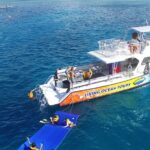
- A short boat ride out (many first-timers describe it as not too long)
- Two separate tank sessions in the water
Some divers also mention that the first part feels structured like a “crash course,” but still calm and safety-focused—especially with instructors who slow down when you need a second.
Where You Start: 424 Nāhua St and the Route Around Oahu
Your meeting point is 424 Nāhua St, Honolulu, HI 96815, and the tour ends back at that same spot.
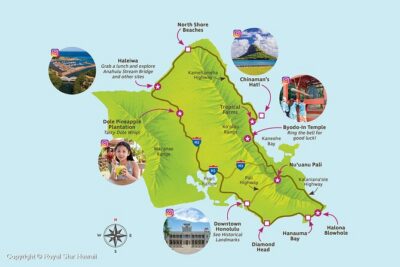
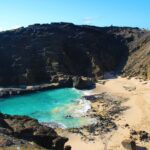
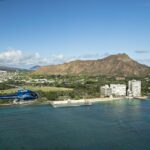
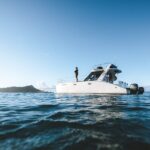
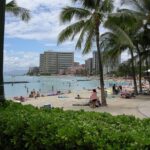
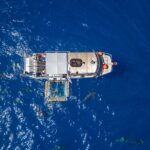
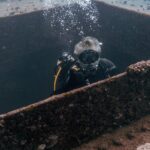
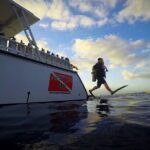
The schedule includes a route that passes through or near major South Shore landmarks and viewpoints, including Waikiki, Lanikai Beach, Diamond Head State Monument, and the area around Hanauma Bay Nature Preserve, plus time in the broader Honolulu area and out toward the North Shore. In plain terms: you’re not just going from A to B in a straight line. You get that “Oahu ride” feeling while the crew works the day into two tank sessions.
You can also read our reviews of more scuba diving tours in Oahu
Practical tip for the ride portion
Come ready to be flexible. If the coast conditions are rough or the crew is timing around protected areas and boat logistics, the route can shift. The same goes for visibility and water conditions once you’re out. If you’re hoping to have a perfectly timed photo stop at every named place, plan to keep your expectations modest.
The Pre-Water Training: What You Learn First
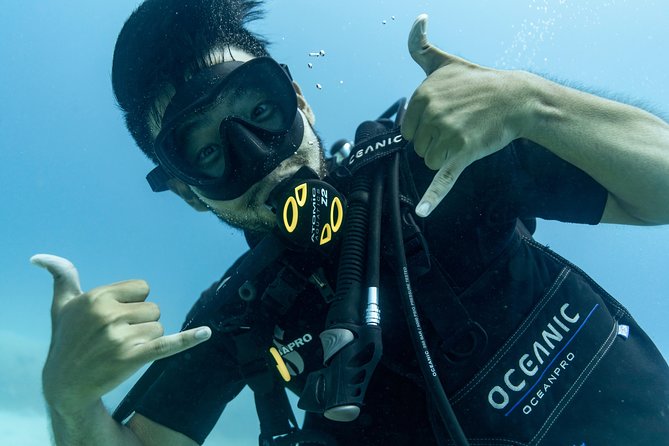
This is a beginner-friendly setup, with a key difference: it doesn’t treat you like you’re fragile or clueless. The coaching is step-by-step, and the crew is there to check your equipment and your comfort during the process.
Before you get on the water, you’ll go through required paperwork and health screening:
- Beginners must pass a PADI medical questionnaire as part of the waiver process.
- If the questionnaire flags anything, you need a doctor’s consent and you must present it at check-in.
- You’ll also want to review all medical questions ahead of time, since getting medical clearance can take days.
Safety and sobriety rules you should take seriously
The operator has a strict policy: you must remain sober—no drinking prior to going in the water. If the crew thinks safety is compromised, they may deny you participation. It’s not there to be strict for fun. It’s because reaction time, decision-making, and calm breathing matter underwater.
The Underwater Experience: Skills, Skills, Then Wildlife
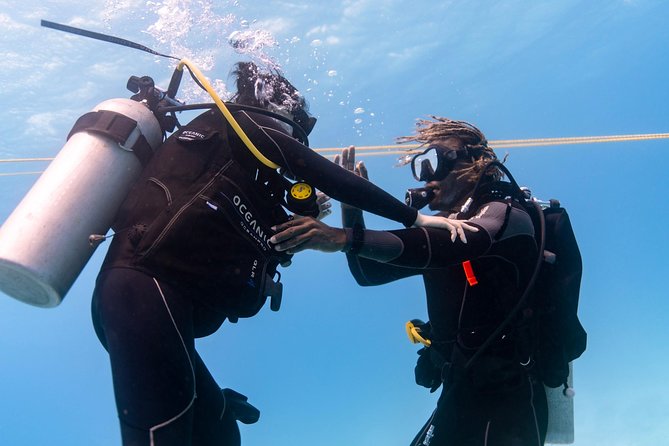
You’re doing a shallow-reef style experience, and that usually means a rope-guided descent into the water for the first tank session. The goal is to practice the basics without the stress of long bottom time. You’ll learn how to control breathing, manage your gear, and move comfortably—skills that matter the moment your brain decides to panic.
Tank session #1: learning without drama
Many first-timers describe the first water time as the “learning tank.” Expect:
- Basic skills practice
- A calmer pace
- Lots of crew help and reminders
One diver who had been out of the water for over a decade said they still got a proper refresher, with clear safety follow-through.
Tank session #2: exploring the reef
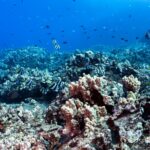
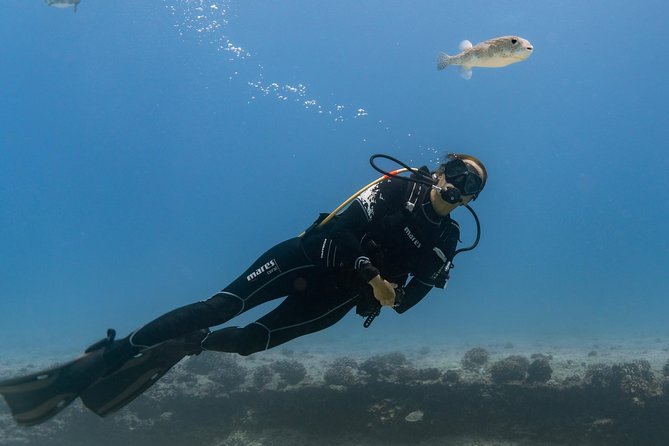
After switching tanks, the second session shifts toward enjoyment—finding reef features and spotting marine life. This is where you’re most likely to see:
- Sea turtles (including turtles resting or swimming up close)
- Eagle rays and other larger reef animals
- Eels
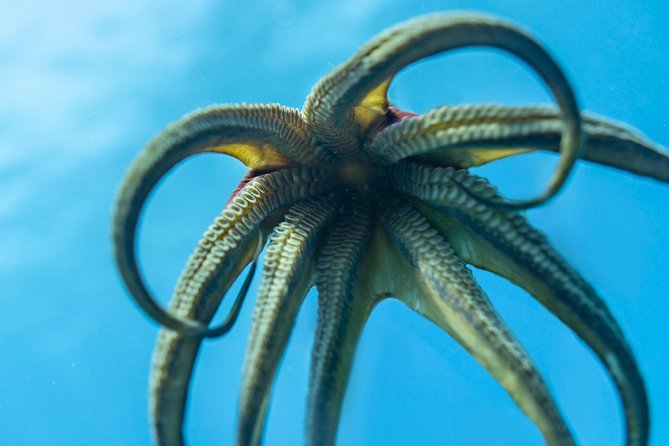
- Octopus
- Colorful reef fish
- Sometimes reef sharks (and people also describe rays feeding in the area)
A recurring theme in the feedback is that instructors help you “find the good spots,” and they often keep the group together in a way that supports first-timers—so you can focus on what you’re seeing rather than on staying afloat and lost.
What “real” means here
This tour is marketed as real open-ocean scuba training, not a shallow beach demonstration. That distinction is worth your attention. If you want the full experience—being out past shore and seeing life in its normal habitat—this format is designed for that.
Stops Along the Way: What Those Named Places Mean for Your Day
Because the tour route includes multiple famous Oahu locations, it helps to think of it like two things at once:
1) a scuba course with two tank sessions, and
2) a scenic island drive that keeps you connected to the landmarks you came to see.
Here’s how to interpret the major route names:
- Waikiki (including nearby stops): you start in the most convenient visitor zone for getting to the operator, then you travel out from there.
- North Shore: this generally signals a route that reaches away from the busy central coast.
- Lanikai Beach and Diamond Head: these are classic photo-viewpoints from the road, and you may catch views depending on timing and weather.
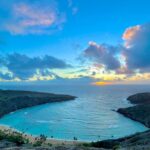
- Hanauma Bay Nature Preserve: it’s a recognizable landmark on the route. Even if you’re not spending time inside the preserve, it’s a familiar “we’re really on the island” moment.
- Ala Moana Beach Park: another well-known South Shore endpoint area that helps frame the return trip through Honolulu.
The practical takeaway: don’t assume every named place is a long stop. The key event is the water time; the rest is mainly about the route and views.
Who Will Love It Most (and Who Should Reconsider)
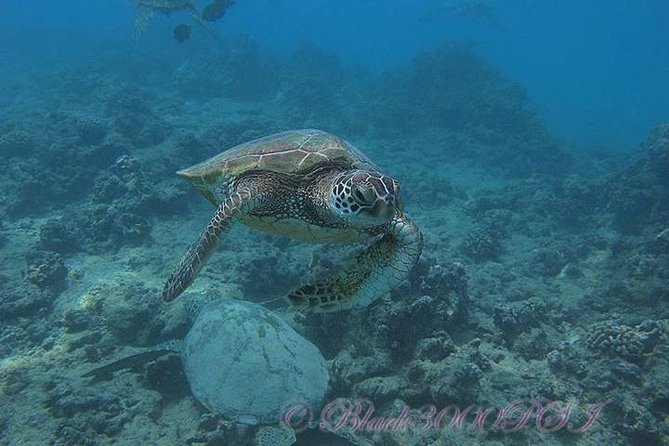
This is a good fit if:
- You want a first-timer scuba experience with professional coaching
- You want to see sea turtles and reef animals without needing to be certified
- You prefer a smaller group setup (max 16)
- You like the idea of learning and then getting time to enjoy what’s under you
It may be a less ideal fit if:
- You’re extremely equipment-confident and want an advanced, high-exploration style day (this is built for beginners and safe shallow learning)
- Your schedule is too tight for the recommended post-scuba flight buffer
- You’re going during the rainy season and visibility expectations are important
Quick note on physical readiness
The tour asks for moderate physical fitness. That doesn’t mean you need to be a marathoner. It does mean you should be ready to handle gear, stay calm in the water, and move through the basics without freezing up.
The Team: Why Instructor Style Changes Everything
One of the strongest parts of this experience is the human factor. The names that come up repeatedly in positive accounts aren’t random. They reflect instructors who coach with patience, and captains who run a safe, steady boat day.
Here are some of the frequently mentioned people and what they’re known for:
- Chad: often praised for patience with first-timers who struggle early, then push through comfortably by the end
- Olga: cited for constant equipment checks and making sure divers are comfortable
- Josh: praised for clear instruction and strong safety awareness, with step-by-step teaching
- Red: mentioned as knowledgeable and skilled at keeping everyone safe while having fun
- Steve (captain): described as great in the water and onboard, including keeping divers engaged and informed
- Yoshi (captain): described as wonderful and a key part of a memorable turtle encounter
- Nick: mentioned as especially patient for divers returning after years away
- Mike: praised for patience, especially for someone having a rough time on a second session
One practical lesson from all that: when you book, you can’t control everything the ocean does, but you can control your communication. If something feels confusing underwater, ask questions early. Some divers say the difference between stress and comfort was getting the answer at the right time.
Weather Reality: When the Reef Looks Different
In Hawaii, rain doesn’t just change the forecast—it can change what you see. If you go during wetter periods, you might experience lower visibility. One diver described seeing big turtles alongside conditions around 10–15 feet visibility, which changes the whole “feel” of the water time.
That’s also why weather safety matters. The operator can cancel if conditions aren’t safe, and the refund/reschedule approach depends on when the cancellation happens and on the reason. If your schedule is flexible, you’ll likely be happier waiting for a better day rather than forcing a trip in awful conditions.
Equipment, Included Extras, and What to Bring Yourself
Included:
- Full equipment rental
- Water
- Snacks
Not included:
- Lunch
You’ll also be asked for shoe size and T-shirt size during booking, which typically helps the operator match you with the right gear and shirts.
What I recommend you plan for
- Plan your food timing since lunch isn’t included.
- Dress for Honolulu weather and bring something dry for after the water time.
- If you’re sensitive to motion, choose footwear and clothing you can handle on a boat ride.
Price vs. Other Options: The Real Decision
This tour sits in a mid-to-higher range at $299, which means you’re paying for certainty: professional instruction, a structured training format, and a setup aimed at real wildlife sightings.
If you find a cheaper “scuba” option, ask yourself one question: are you actually going into open water with professional instructors and proper equipment, or is it just a short demonstration? With this operator, the entire pitch is built around the professional standards and safe systems—plus the two-session structure that gives you enough time for skills and sightings.
Should You Book This Scuba Experience?
Yes, if you want a beginner-friendly two tank format with strong instruction, and you specifically care about seeing sea turtles and other reef life. I’d book it when:
- You have a calm morning schedule
- You can meet the medical and sobriety requirements
- You’re okay with the fact that ocean conditions affect visibility
Hold off or be extra flexible if:
- Your travel dates are tight for the recommended flight buffer
- You’re going during a rainy stretch and visibility would matter a lot to your expectations
If you do book, do one thing that pays off immediately: arrive early enough to avoid last-minute stress, review the medical paperwork in advance so you don’t get stuck, and tell the instructor right away what you’re nervous about. That’s where the experience gets good fast.
FAQ
How long is the tour?
It runs about 4 hours (approx.).
Where does the tour start and end?
It starts at 424 Nāhua St, Honolulu, HI 96815, USA and ends back at the meeting point.
What does the price include?
The price includes full equipment rental, plus water and snacks.
Is lunch included?
No, lunch is not included.
Do I need any scuba experience?
No experience is required for beginners.
Can certified divers join?
Yes. The tour includes both beginner and certified divers, and instructors provide coaching as needed.
What medical requirements are there?
Beginners must complete a medical questionnaire. If you have flagged conditions, you must present a doctor’s consent at check-in.
Is there a rule about alcohol?
Yes. You must remain sober and no drinking is allowed prior to going in the water. The operator may deny participation for safety reasons.
How many people are on the tour?
The maximum group size is 16 travelers.
What are the main cancellation rules?
You can cancel up to 24 hours in advance for a full refund. If you cancel within 24 hours, you won’t receive a refund. The experience requires good weather, and if canceled due to poor weather, you’ll be offered a different date or a full refund.