REVIEW · PARASAILING
Hawaiian Parasail Since 1977
Book on Viator →Operated by Hawaiian Parasail Inc · Bookable on Viator
Watching the chute deploy is wild. This small-group Waikiki parasail runs a smooth, safety-first operation with quick boat loading and a fun, low-pressure first flight. I especially like how the crew times things so you’re up in the air fast, then you get to spend the rest of the trip on the water with a real chance at dolphin and sea turtle sightings. One thing to consider: it’s weather-and-wind dependent, so high winds can mean cancellations.
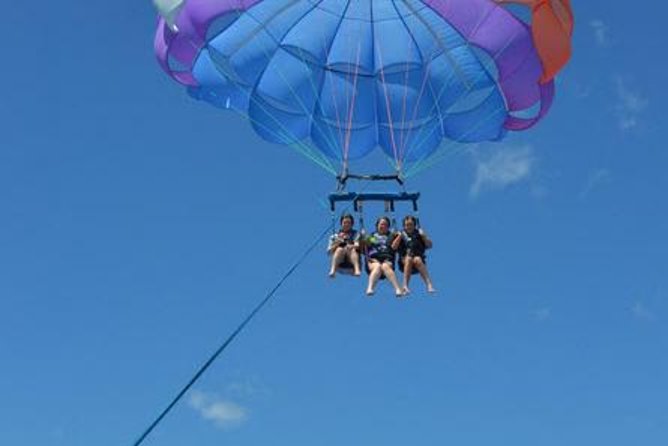
You’ll fly tandem with one or two other people, reaching a maximum altitude of 500 feet (152 meters) for about 5 to 8 minutes. Then it’s back to the boat for more scenery and wildlife watching around Waikiki. The biggest practical drawback is that the boat ride can be bumpy, which matters if you have mobility issues or certain medical limitations.
In This Review
- Key Points Before You Go
- Flying 500 Feet Over Waikiki: What This Parasail Is Really Like
- Meeting at Ala Moana, Boarding at Ala Wai: Timing You Can Count On
- Safety Briefing and Your Harness Turn: How the Crew Keeps It Simple
- 5–8 Minutes in the Sky, Then More Ocean Time
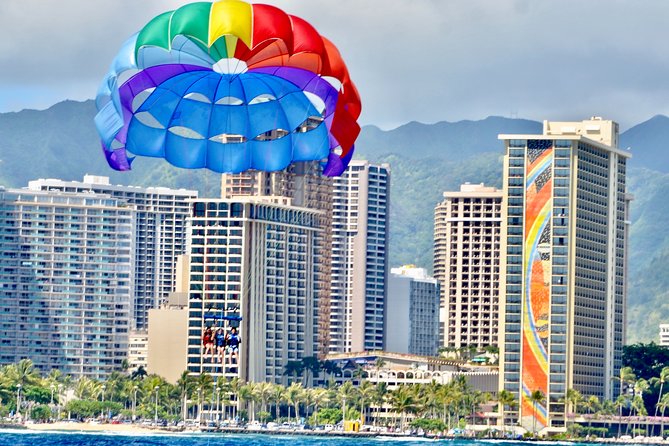
- Waikiki Beach and Diamond Head State Monument: What You See from the Water
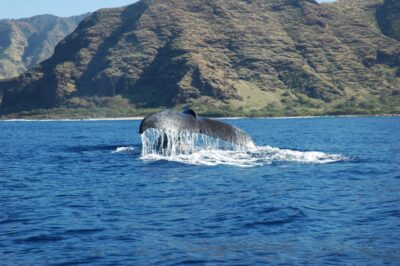
- Wildlife Spotting: Dolphins, Turtles, and Seasonal Whales
- Price and Value: Is $45 Worth It?
- Who This Parasail Fits Best (and Who Should Skip It)
- The Human Part: Crew Energy, Smooth Landings, and Real First-Timer Comfort
- Weather, Wind, and the One Thing You Should Check Before You Go
- Should You Book Hawaiian Parasail in Waikiki?
- FAQ
- How high do you go when you parasail?
- How long is the parasailing flight?
- How early should you arrive and where do you meet?
- How many people are on the boat?
- What are the age requirements?
- What might cause the activity to be canceled?
Key Points Before You Go
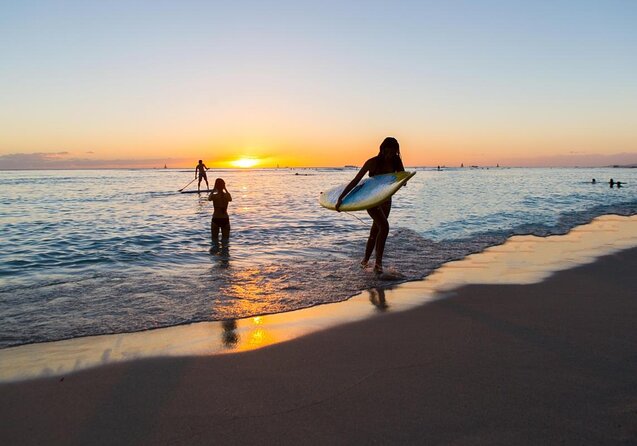
- Max 11 travelers means less waiting and a more personal vibe
- 5–8 minutes in the air with a top height of 500 feet
- Tandem or 3-person flights depend on wind and passenger weight ratio
- Wildlife chances include dolphins, sea turtles, and seasonal whales (Dec–May)
- Crew-led safety and takeoff tips make first-timers feel settled fast
- Mobile ticket and multiple departure times help you match the trip to your day
Flying 500 Feet Over Waikiki: What This Parasail Is Really Like
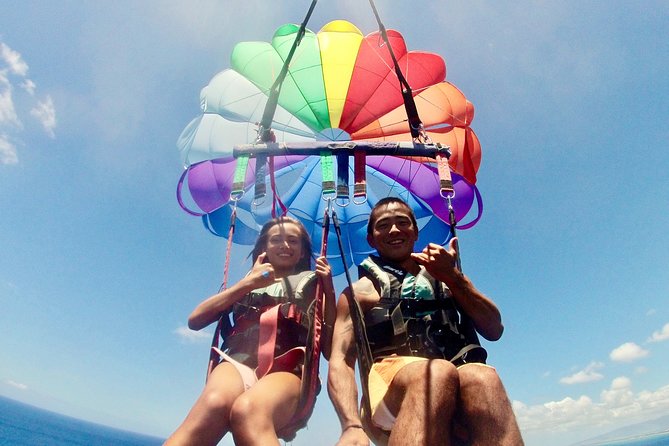
This isn’t the kind of tourist activity that feels rushed or assembly-line. What you’re buying is a short, thrilling flight paired with a calm ocean time afterward. When the crew gets organized, the whole flow feels efficient: get you moving, brief you well, secure you properly, and then rotate people through their turns.
The height is the headline—up to 500 feet. But what surprised me in how people describe the experience is how peaceful it feels once you’re up there. You’re not doing anything crazy with your hands; you’re basically suspended while Oahu spreads out beneath you. If you’ve only seen Waikiki from land, this gives you a whole new sense of scale.
Small-group format matters here. With a maximum of 11 travelers, you’re less likely to feel stuck waiting while a big crowd cycles through. That tends to keep the energy lighter and helps first-timers stay calm, especially if you’re nervous about harnesses or heights.
And yes, the views are the payoff: Waikiki shoreline, the open water, and the iconic coastline angles you usually only get from a helicopter.
You can also read our reviews of more tours and experiences in Oahu.

Meeting at Ala Moana, Boarding at Ala Wai: Timing You Can Count On
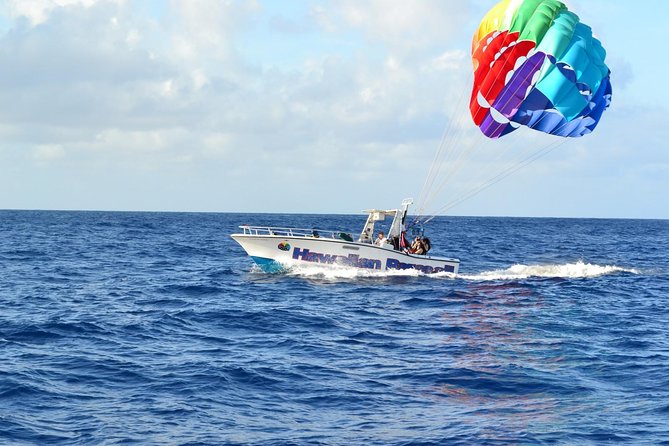
You’ll start at Hawaiian Parasail Inc. at 1651 Ala Moana Blvd #600b, Honolulu. Plan to check in 30 minutes before your departure time so you don’t end up stress-walking while the boat is preparing.
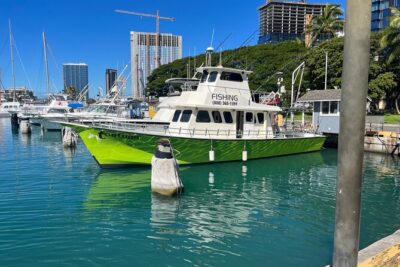
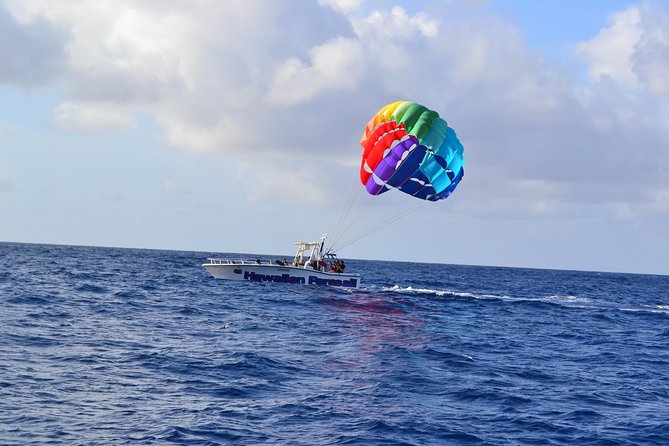
From there, the experience begins at Ala Wai Boat Harbor. Expect a short onboard transition: group comes aboard, crew runs through what will happen, and you’ll get tips for a smooth takeoff from the boat. Reviews consistently highlight how fast the process can feel once you’re dockside—loading and getting out to the operating area can be quicker than you’d expect.
The overall duration is about 1 hour (approx.), but the pacing is important. You’re not just sitting waiting. You’ll rotate into the parasailing when it’s your turn, and then you’re back on the boat for the rest of the outing, watching the ocean and coastline go by.
If you’re building a day in Waikiki, pick a departure time when you still have some breathing room afterward. This activity is short enough to fit, but it’s weather dependent, so having a flexible buffer is smart.
Safety Briefing and Your Harness Turn: How the Crew Keeps It Simple
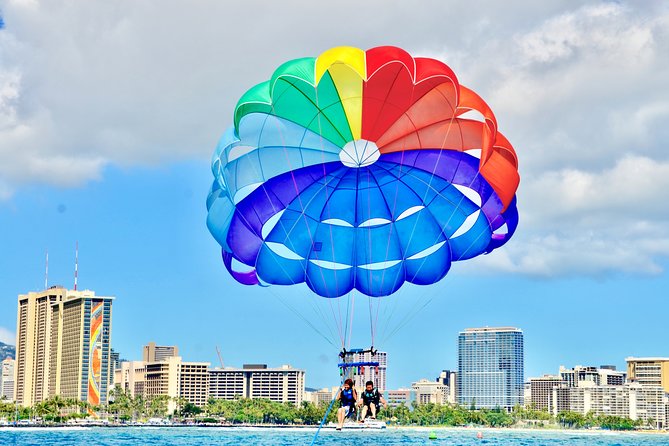
A big reason this works for beginners is how clearly the crew sets expectations. You’ll get safety instructions before anyone flies, plus practical guidance for the takeoff from the boat. The goal is to keep you focused on what you control—staying relaxed, listening, and following directions.
Flights are always tandem or 3-person. The typical setup means you fly with one other person (tandem) or, if you’re eligible and conditions allow, you may be in a 3-person configuration. The captain decides based on wind and passenger weight ratio. That’s not just policy trivia; it directly affects your flight experience, so it’s worth understanding before you arrive.
I also like that they require you to provide passenger weights at booking. That’s one of those behind-the-scenes details that helps keep the ride safer and more predictable, instead of being improvised last minute.
One helpful tip for your comfort: wear closed-toed shoes and sunscreen ahead of time. You’ll be on the water and near spray, and the Hawaiian sun doesn’t mess around. Swimsuits are recommended because you might get a little splash—many people mention being dipped in water by choice.
5–8 Minutes in the Sky, Then More Ocean Time
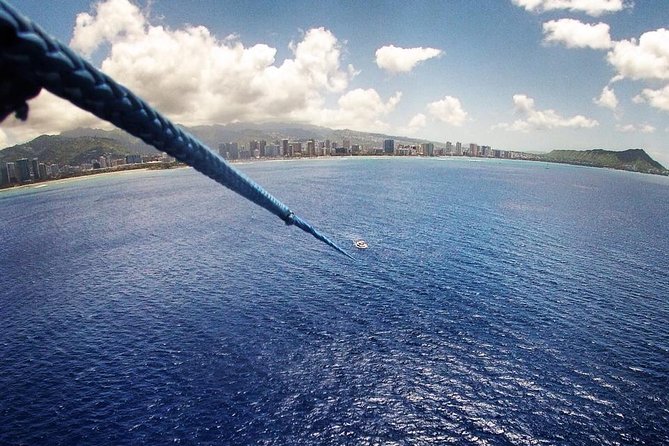
Your flight window is about 5 to 8 minutes, with a maximum altitude of 500 feet (152 meters). That’s long enough to feel like you really went somewhere, but short enough that most first-timers aren’t stuck waiting through an eternity of nerves.
Then you rotate out and the rest of the time becomes about views and wildlife. You’ll cruise, look for movement in the water, and enjoy the shoreline from the boat. This is where the experience can become surprisingly relaxing. Instead of only chasing the “main event,” you get a second act.
You can also treat your return to the boat as part of the fun. A lot of the best photos come not just from the air, but from the calm cruising phase when the crew is still engaged and the scenery is steady.
If you’re photographing on your phone, keep in mind you’ll have angles from both above and around you. People mention the crew takes photos, which is a nice extra if you’re traveling as a couple or family without a dedicated camera person.
Waikiki Beach and Diamond Head State Monument: What You See from the Water
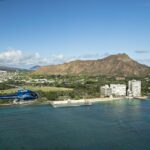
The outing is built around the Waikiki area, with the route connecting Waikiki Beach and Diamond Head State Monument. Even if you’ve seen these landmarks from the street, you’ll notice the difference from the water and the air.
From the boat, you’re in the right zone to track the coastline’s shapes and the way the beaches curve around the bay. From above, the geometry gets clearer: where neighborhoods sit against the ocean, how the shorelines stack, and why Waikiki feels so visually dense when you’re down low.
Diamond Head in particular tends to read differently when you can see it alongside the coastline from distance. You also get a better sense of the “crescent” look of Waikiki and how quickly the ocean drops off.
The tradeoff is that you’re not doing a sightseeing bus crawl or long stops. This is a waters-and-sky experience first. If you want a lot of land time, you’ll be happier pairing this with a separate shore visit.

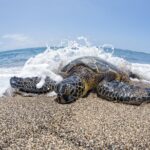



Wildlife Spotting: Dolphins, Turtles, and Seasonal Whales
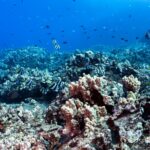
Wildlife watching is a real part of the reason people book this. Dolphins and sea turtles are described as common, and you might even spot flying fish.
The water environment also changes seasonally. From December to May, you may see whales during migration. That doesn’t mean every trip will produce whale sightings, but it does mean you’re going at a time of year when your odds improve.
What matters most for your expectations: you’re looking while cruising, not staring at a single spot all day. That keeps the trip moving and fun, but it also means wildlife is never guaranteed. Still, the fact that sightings are common suggests the crew knows where to work the route for a good look.
If wildlife is a top priority, you’ll likely enjoy this even more if you stay alert on the boat ride and don’t spend the whole time staring at your screen.
Price and Value: Is $45 Worth It?
At $45 per person, this sits in the “good value” category for Waikiki adventure activities—especially because it’s included with the core experience and not padded with extra add-ons you don’t want.
You’re getting:
- the parasailing adventure
- all necessary equipment
- a fuel surcharge
Not included: food and drinks (water and soft drinks can be purchased on request), and there’s no hotel pickup/drop-off. The lack of pickup is typical for tours that operate from a marina and rotate small groups quickly. If you’re staying in the main Waikiki hotel cluster, it can still be easy because the meeting area is walkable or short taxi distance for many people.
Where the value really lands is in the timing and group size. You’re not paying for hours of waiting; you’re paying for a short flight plus a focused ocean ride, with a maximum of 11 travelers at a time. That tends to deliver better energy per minute than many bigger operations.
One more pricing lens: this is a bucket-list item that works for first-timers. You’re not choosing an activity that only makes sense if you’re already sporty. Parasailing is a simple thrill that’s easy to understand, and that’s part of why the price feels fair to many repeat customers.
Who This Parasail Fits Best (and Who Should Skip It)
This is beginner-friendly, but it’s not “for everyone.” It’s best if you have moderate physical fitness, can walk healthy without assistance, and you don’t have issues with neck, back, hips, legs, knees, or mobility.
You should also take the health list seriously:
- no expecting mothers (bumpy boat ride is risky)
- no recent injuries or surgery (rehab in the last 6–8 months is a no)
- avoid if you have certain serious conditions listed (examples include severe high blood pressure, heart conditions, stroke history, epilepsy, or similar severe health issues)
- no intoxication of drug or alcohol
- no one with neurosurgery like heart/brain/spinal cord is recommended
Age rules matter too:
- minimum 5 years old to participate
- minors under 18 must have a parent/guardian sign a waiver and accompany them
- if you’re 15 or under, a parent/guardian must fly with you
Weight limits are enforced: maximum combined weight not to exceed 450 lbs (204 kg), and you must advise weights at booking.
If you’re scared of heights, this is still worth considering. Many people say they felt nervous at the start and then forgot their fear once they were up. The crew tone matters here—names like Captain James and Luke pop up often in positive comments for keeping people at ease.
The Human Part: Crew Energy, Smooth Landings, and Real First-Timer Comfort
One of the most praised parts of this experience is how the crew makes you feel safe without killing the fun. People mention that the crew is professional, efficient, and quick to get organized so you’re not standing around forever. They also mention personal touches, humor, and attentive support when someone feels sea sick.
You’ll see guide names in the feedback: Jason and Davi, Captain James and Luke, plus Jamey and Russell, and Diego. Across those mentions, a few themes repeat:
- safety first, explained clearly
- takeoff and landing that feels controlled and smooth
- staff who help nervous passengers settle in
There’s also a practical note on photos. The crew takes photos for sharing, which is great for families and couples. One review says photos could be better, but overall people seem happy with what’s captured.
If you’re traveling with kids, pay attention to the crew’s reputation for comfort and reassurance. One family described the crew being attentive to a daughter who got sea sick, which matters if you’re thinking about bringing children.
Weather, Wind, and the One Thing You Should Check Before You Go
Parasailing depends on wind and weather, and that’s not a small detail. One cancellation reason mentioned is high winds that the U.S. Coast Guard doesn’t allow operations in. If you book near a period known for windy days, be ready for the possibility of changes.
So here’s the practical advice: check NOAA forecasts before your trip day. If you can flex plans, keep your schedule open. And if your timing is tight, you’ll want to avoid building your whole itinerary around this one slot.
Should You Book Hawaiian Parasail in Waikiki?
I think this is a strong choice if you want a true Hawaii bucket-list moment that’s short, guided, and set up for first-timers. It’s also a good value at $45 because you’re paying for a real flight plus an hour of ocean time, not a half-day production.
Book it if:
- you want small-group attention (max 11)
- you like the idea of 5–8 minutes in the air with up to 500 feet
- wildlife spotting is on your wish list (dolphins and turtles are common)
- you’re comfortable with a boat ride and you meet the health requirements
Skip it or reconsider if:
- you’re planning for perfect medical safety beyond what’s listed (the activity has strict restrictions)
- you’re extremely sensitive to bumpy rides
- you can’t handle weather-related changes on your travel schedule
If you’re flexible, this is exactly the kind of “do it once, remember it forever” experience that makes Waikiki feel like more than a beach strip.
FAQ
How high do you go when you parasail?
You can reach a maximum altitude of 500 feet (152 meters).
How long is the parasailing flight?
Your flight lasts about 5 to 8 minutes.
How early should you arrive and where do you meet?
Check in 30 minutes before your departure time at Hawaiian Parasail Inc., 1651 Ala Moana Blvd #600b, Honolulu. The activity begins at Ala Wai Boat Harbor.
How many people are on the boat?
The experience has a maximum of 11 travelers, and the flight setup is tandem or 3-person depending on conditions.
What are the age requirements?
You must be at least 5 years old to participate. Minors under 18 must have a parent or guardian sign a waiver and accompany them, and passengers 15 and under must have a parent or guardian fly with them.
What might cause the activity to be canceled?
It requires good weather and is dependent on wind. High winds can lead to cancellation, and you’ll be offered another date or a full refund if it’s canceled due to poor weather.