REVIEW · EVENING EXPERIENCES
Honolulu Sunset & Light Painting Experience
Book on Viator →Operated by Oahu Photo Tours · Bookable on Viator
Four hours can change how you shoot at night. This Honolulu sunset and light-painting experience takes you from golden-hour views at China Walls to real darkness for star photos and creative long exposures at Makapu‘u.
What makes it especially appealing is the hands-on feel. I like that you get instruction for night photography techniques while you’re actually in position, not just listening to tips in a van. I also like that the tour includes the core gear you need—tripods and light-painting tools—so you’re not scrambling to rent anything at the last minute.
One thing to consider: this experience depends on good weather, and that can affect what you see and photograph.
In This Review
- Key points worth knowing before you go
- Why this Oahu night photo session feels different
- Honolulu Zoo meeting point and Waikiki pickup: keep it simple
- Stop 1: China Walls sunset photos that start your night right
- Stop 2: Makapu‘U Point for star-sky planning and gear basics
- Stop 3: Makapu‘u Beach—stars, lighthouse, light painting, and steel wool
- How the tripods and light-painting tools change your results
- The guide experience: fun, patience, and real help at night
- Who this tour is best for (and who should think twice)
- Weather and night visibility: plan for flexibility
- What to bring (since the gear is only part of the picture)
- Value for money: why the included instruction matters
- Should you book Honolulu Sunset & Light Painting?
- FAQ
- How long is the Honolulu Sunset & Light Painting experience?
- Is pickup available, and where does the tour start?
- What is the group size limit?
- What’s included with the tour?
- Do I need to buy admission tickets for the stops?
- Is bottled water or food included?
- Does the tour include photography help for phones like an iPhone?
- What happens if the weather is bad?
- Is this tour available in English?
Key points worth knowing before you go
- Maximum group size of seven keeps the instruction personal when lights go dim.
- China Walls sunset stop gives you a strong start with dramatic views and easy-to-work-with timing.
- Makapu‘U Point setup time helps you learn the gear and framing before you chase stars.
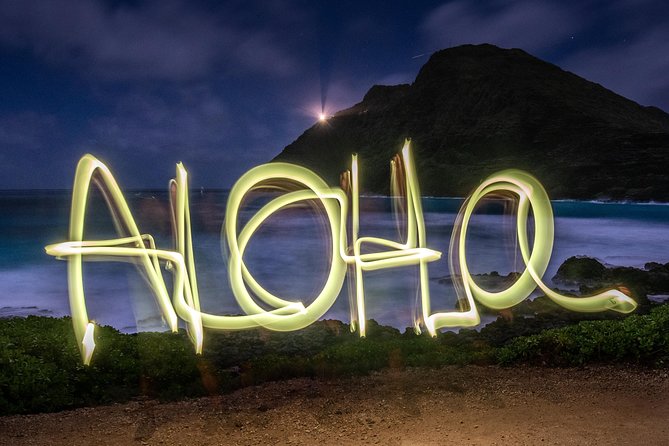
- Makapu‘u Beach includes light painting and steel wool photos for variety in your final shots.
- Tripods and light-painting tools are included, so you focus on learning instead of logistics.
Why this Oahu night photo session feels different
If you’ve ever tried to take star photos on vacation, you know the pain: your phone hunts for focus, your shutter timing feels random, and your results look like cloudy guesswork. This tour is built to fix that fast.
Instead of treating sunset, stargazing, and creative night shots as separate activities, you get one continuous arc. You start with a scenic sunset you can shoot right away, then you move into darker skies where long exposures actually work. And at the end, you do the fun stuff—light painting and steel wool—so you leave with images that look like you know what you’re doing.
The small group size matters here. With a maximum of seven people, the guide can check your setup and adjust your approach without rushing everyone along. That’s how you go from hopeful to confident in just a few hours.
You can also read our reviews of more evening experiences in Oahu
Honolulu Zoo meeting point and Waikiki pickup: keep it simple
The tour starts at the Honolulu Zoo at 151 Kapahulu Ave, and it ends back at that same meeting point. Pickup is offered only at selected hotels in Waikiki, and you’ll need to call to confirm whether your exact hotel works.
This setup is practical. If you’re staying near Waikiki, pickup can save time. If you’re elsewhere, the fixed meeting point keeps it predictable. Either way, the experience is close to public transportation, so you’re not forced into a specific ride-share route.
Bring what you’d normally bring for a night out: a charged phone or camera, and the patience to wait for your moment. The best night photos often come after a few tries.
Stop 1: China Walls sunset photos that start your night right
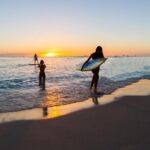
You get about an hour at China Walls. This is your sunset anchor. It’s the kind of place where you can get both wide views and more framed compositions, which is useful because the sky and light change quickly.
I like this order: sunset first, then stars. It gives your eyes and settings time to calibrate. You also get a chance to learn how your camera or phone behaves when light fades, before you’re deep into darkness.
Practical takeaways for this stop:
- Use it to practice composition and framing while the scene still has contrast.
- Set up your tripod early enough that you’re ready when the colors shift.
- Think about your next shot while the sky is still bright. Night photos are all about planning your exposure and timing.
The stop also notes free admission for the location, which keeps your budget cleaner for what you’re actually doing: learning to photograph the moment.
Stop 2: Makapu‘U Point for star-sky planning and gear basics
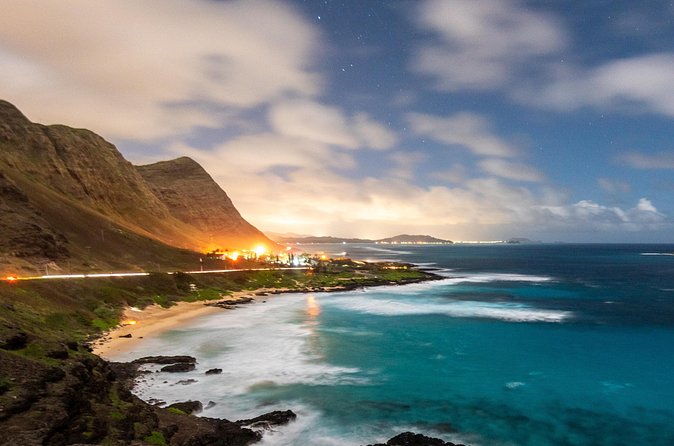
At Makapu‘U Point, you spend around 30 minutes. This stop is short, and that’s a good thing because it’s about prep. Think of it like the briefing stage for the next part of the night.
You’re getting familiar with the lookout and the gear setup needed for night sky capture. This is where a guide’s calm, real-time coaching can save you. When you’re working with long exposures, even small choices—where you point, how you stabilize, how long you let light gather—can make or break the shot.
What to watch for at this stage:
- Your tripod stability and whether you’re using it correctly (not just placing it and hoping).
- How you aim before the scene gets too dark to judge.
- Whether your camera phone is behaving differently at night versus in daylight.
If your guide is teaching iPhone-compatible techniques, this is usually when it clicks. One guide experience specifically highlighted help for iPhone night settings and small tricks that reduce guesswork. That kind of coaching is exactly why you want a guide in the first place.
Stop 3: Makapu‘u Beach—stars, lighthouse, light painting, and steel wool
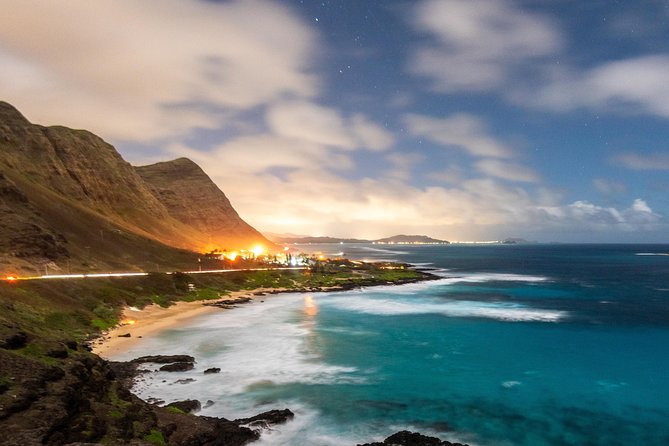
Your final photography block is at Makapu‘u Beach for about an hour. This is where the tour earns its keep.
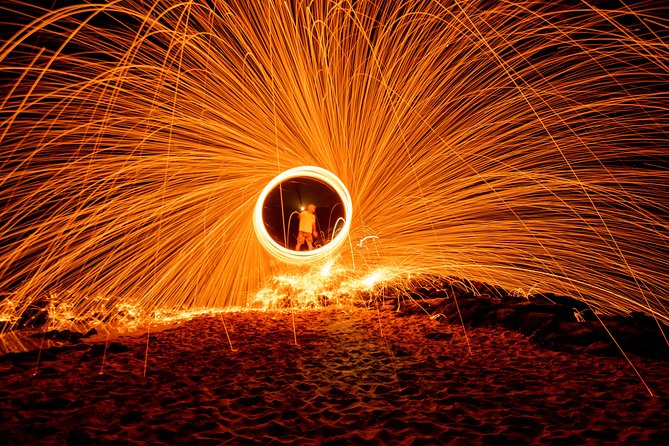
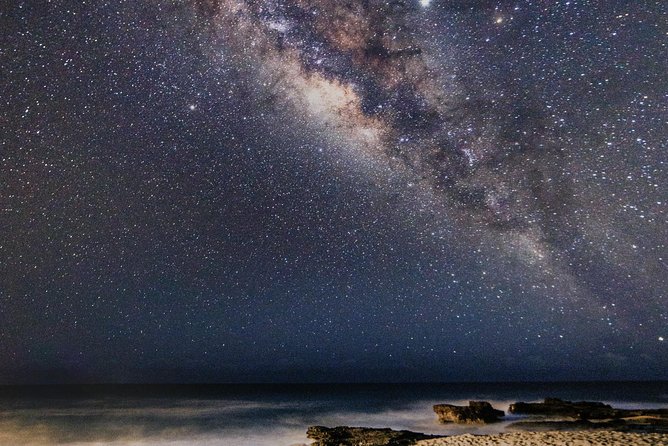
You’re positioned to capture stars with a lighthouse element, then you go beyond “take a photo” into “make a photo.” That means light painting and steel wool photography are part of the program.
Here’s what makes this stop valuable even if you’re not chasing fireworks:
- The star/lighthouse view helps you practice night exposure with a clear subject.
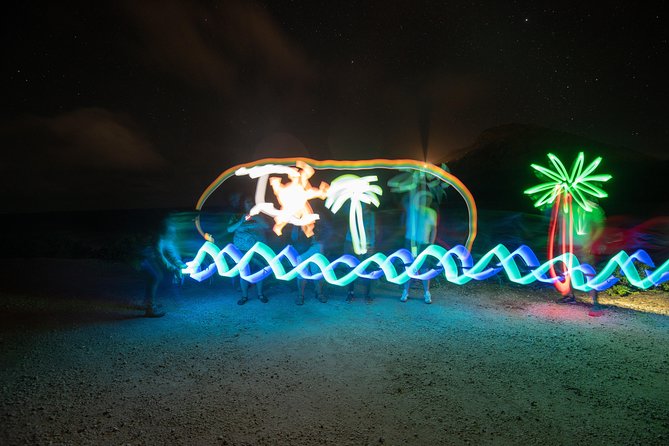
- Light painting teaches you control—moving your light source and understanding timing creates intentional streaks rather than random smears.
- Steel wool adds dramatic motion and texture in a way that feels creative, not technical punishment.
During the night shooting, small-group flow becomes more important than you’d think. You need turns at the tripod, moments for long exposures, and enough time for your images to register. With a maximum of seven travelers, the guide can keep that moving while still helping you troubleshoot.
Also, this stop aligns with feedback you’ll often hear about the tour: guides are described as patient, fun, and hands-on, and the night painting is treated as a genuine “try it yourself” activity rather than a quick demo.



How the tripods and light-painting tools change your results
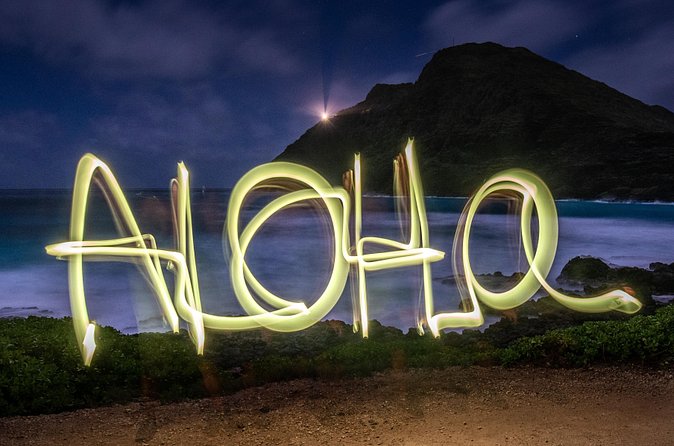
The included gear is more than a convenience. It’s the difference between casual night shots and images that actually look intentional.
Tripods matter because long exposures need stability. Once you start using them, your phone or camera stops trying to compensate for blur. You also gain freedom: you can choose your composition and let light do the work.
The light-painting tools shift the tour from passive watching to active creativity. Light painting isn’t about luck. It’s about controlled movement and timing, which you can learn in minutes with guidance. That’s why this tour works well even for beginners: you’re shown the method, you try it, and you adjust based on what you see.
From the guide-style notes people shared, a common highlight was learning how to use a camera phone at night—especially iPhones. The instruction focus isn’t only on fancy cameras. It’s also about exposure timing and practical settings tricks that help you get usable results without turning your vacation into a technical course.
The guide experience: fun, patience, and real help at night
A big part of the value here is the guide. Names that show up in experiences include Mac, Andrew, Curt, Malcolm, and Mica, and the common thread is a mix of humor and instruction.
What you should look for during your tour:
- Clear direction on where to stand and how to set up your tripod.
- Help when your first attempts don’t look right.
- A willingness to spend extra time when someone needs it—especially if you’re bringing a group with teens, tweens, or a first-time photographer.
One reason the tour gets strong recommendations is that it’s not just “here are the spots.” Guides reportedly give specific photography tips that you can reuse later around the island. If you’re the type who likes to come home with photos that match what you remember seeing, this structure helps.
Who this tour is best for (and who should think twice)
This is a great fit if you:
- Want to learn night photography without feeling overwhelmed.
- Prefer small-group attention rather than a crowded bus.
- Want creative results, not just scenic snapshots.
- Have an iPhone and want night tips that actually transfer to your own camera roll.
It can also work well for families, but with a realistic expectation. You’ll be outside in the dark, moving between viewpoints, and doing hands-on photo sessions. One family dynamic that worked well in feedback was the guide being playful and patient with kids and teens, which helped the time feel fun instead of tedious.
Think twice if you:
- Are uncomfortable with time spent outdoors after sunset.
- Expect a very quiet, formal tour style. Some guides lean into comedy and casual banter as part of keeping the night energy up.
- Need guaranteed weather conditions. This is a weather-dependent photography experience.
Weather and night visibility: plan for flexibility
The tour notes that it requires good weather. If conditions are poor, the experience may be canceled and you’ll be offered a different date or a full refund.
Even with great weather, star visibility depends on darkness and cloud cover. In places like Oahu, night sky results can change quickly. The good news is that the tour is designed to use the time wisely: sunset first, then star-focused stops, and creative light techniques that still have value even if conditions are less than perfect.
So bring flexibility. If you’re hoping for a very specific sky look, understand you’re photographing nature, not a studio set.
What to bring (since the gear is only part of the picture)
Tripods and light-painting tools are included, which means you can travel lighter than you might expect. Still, you’ll want to be ready for night shooting.
A sensible packing list:
- A charged phone or camera (and enough storage space).
- Something to keep you comfortable outdoors in the evening.
- Closed-toe footwear for uneven night paths.
- If you wear glasses or have vision issues, consider bringing what helps you see settings clearly.
You don’t need to bring your own tripod for this tour, but you do need to be ready to use what’s provided. Your best shots usually come from doing the small steps the guide tells you: stabilize, compose, wait, and shoot when the timing is right.
Value for money: why the included instruction matters
Even without seeing exact pricing here, the value logic is clear. You’re not paying only for three photo locations. You’re paying for the combination of:
- A guided workflow through sunset, star prep, and night creativity.
- Included tripod support and light-painting tools.
- A small group size that reduces waiting and increases feedback.
If you tried to do this yourself, you’d spend time figuring out tripod settings, where to stand for the lighthouse and stars, and how to make light-painting and steel wool shots look good. Here, you get guidance built into the schedule, so your learning happens while you’re actually shooting.
Should you book Honolulu Sunset & Light Painting?
Yes, if you want to leave with more than a few decent vacation snaps. This tour is ideal when you care about night photography and you like the idea of hands-on creativity—tripods, light painting tools, and steel wool photos—within a tight, small-group format.
Book it especially early in your trip if you plan to photograph the rest of Oahu afterward. The instruction you get at night can improve the way you shoot during the day too. And if you enjoy fun guides and learning on the spot, guides like Mac and Andrew (plus others) are repeatedly described as engaging, helpful, and patient.
Only skip if your schedule is locked in around a specific weather window or you know you dislike nighttime outdoor activities. If you’re flexible and ready to try, this is a memorable use of four hours.
FAQ
How long is the Honolulu Sunset & Light Painting experience?
It runs about 4 hours.
Is pickup available, and where does the tour start?
The start point is Honolulu Zoo, 151 Kapahulu Ave, Honolulu, HI 96815. Pickup is offered only at selected Waikiki hotels, and you need to call to confirm the exact pickup location. The tour ends back at the meeting point.
What is the group size limit?
The group is limited to a maximum of seven travelers.
What’s included with the tour?
The tour includes tripods and light-painting tools.
Do I need to buy admission tickets for the stops?
Admission is listed as free for the stops (China Walls, Makapu‘U Point, and Makapu‘u Beach).
Is bottled water or food included?
No. Bottled water and food or drinks are not provided.
Does the tour include photography help for phones like an iPhone?
The experience is focused on night photography instruction, and guides have provided iPhone night photography tips along with setup help using provided tripods.
What happens if the weather is bad?
The experience requires good weather. If it’s canceled due to poor weather, you’ll be offered a different date or a full refund.
Is this tour available in English?
Yes, it’s offered in English.