REVIEW · PHOTOGRAPHY SESSIONS
Marine Ecology Snorkel from Electric Beach Oahu with Photos
Book on Viator →Operated by Makai Expeditions · Bookable on Viator
Snorkeling with a marine biologist changes everything. This isn’t a quick, race-for-fish outing. It’s an in-water classroom where you learn reef ecology while you’re floating right above it.
I love how the guide builds the trip around your questions and interests, then keeps the lesson going in real time once you’re in the water. You’re not just looking—you’re learning how Hawaii’s coral reef works.
I also like that everything is handled for you: snorkeling gear is included, plus you get a complimentary photo package. One possible drawback: if you’re prone to motion sickness, you’ll want to plan ahead—some people take medicine next time because the ocean can feel a bit surprising at first.
In This Review
- Key highlights you’ll feel on the water
- Kahe Point reef lessons, not a typical snorkel
- How the briefing sets you up for smarter snorkeling
- The 2-hour flow: briefing, about one hour snorkeling, then wrap-up
- Kahe Point Beach Park: a place where you can learn and look closely
- Wildlife you might spot—and what to listen for while you see it
- Semi-private size: why max 5 people makes a difference
- The guides: marine biology with real-world safety
- Equipment and the complimentary photo package
- Price and value: what $125 buys you (and why it can be worth it)
- Physical readiness and ocean realities (including motion sickness)
- Who this tour is best for
- Should you book this marine ecology snorkel from Electric Beach Oahu?
- FAQ
- How long is the Marine Ecology Snorkel experience?
- What’s included in the tour price?
- How many people are in each tour?
- Where does the tour start?
- What languages is the tour offered in?
- What happens if the weather is poor?
Key highlights you’ll feel on the water
- Semi-private snorkel with a max of 5 people, so you get more attention and calmer pacing
- Marine biologist-led, reef-ecology focus, not just sightseeing
- A short briefing that ties into what you’ll see, then guided spotting in real time
- About one hour in the water, with multiple habitats to explore
- Chances to see sea turtles and monk seals (plus reef fish and eagle rays)
- Included snorkeling equipment and a complimentary photo package
Kahe Point reef lessons, not a typical snorkel
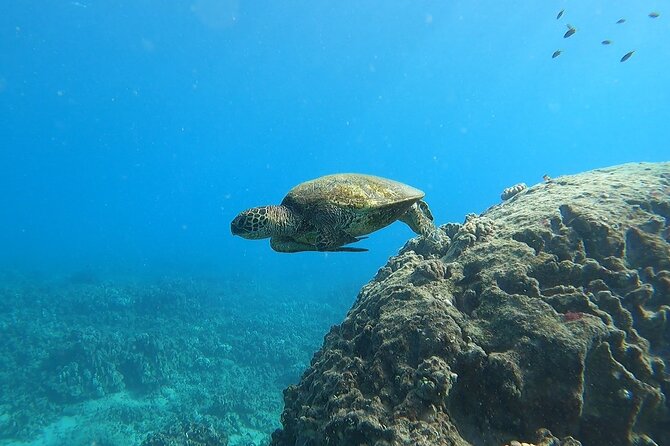
If you’re expecting a standard snorkeling tour—put on gear, jump in, look around—this one will recalibrate your brain. The point isn’t only to spot wildlife. The point is to understand what you’re seeing through a marine biologist lens, while you’re actually in the reef environment.
The tour framing matters. Coral reefs can look like scenery when you’re doing a casual swim. Here, they become a living system: where animals feed, how species interact, and why certain habitats support specific life. You’ll hear about coral reef ecology, endemic species, and sea turtle ecology, and then you’ll use those ideas to interpret what you spot right in front of you.
And because it’s semi-private, the experience stays personal. You get space to ask questions without the guide having to juggle a big group.
You can also read our reviews of more photography tours in Oahu

How the briefing sets you up for smarter snorkeling
Before you enter the water, you start with a short briefing. This isn’t just rules-and-gear talk. It’s where you get the context for the snorkel site and a basic guide to how Hawaii’s reefs work.
What I like about this approach is how it turns your first minutes in the water from guesswork into observation. You’ll have a moment to ask questions and share what you’re interested in, so you’re not passively receiving a lecture. You can steer the focus toward the stuff you actually care about—like what’s happening with turtles, or what makes coral reef habitats different.
This matters because reef snorkeling rewards attention. When you know what you’re looking for, the reef stops being a random blur of color and becomes readable.
The 2-hour flow: briefing, about one hour snorkeling, then wrap-up
The whole outing runs about 2 hours. You won’t spend the entire time in the water. Instead, the schedule is built around a focused snorkeling window of about one hour, plus time for briefing and wrap-up.
Here’s the pacing you can expect:
- You meet at the starting point in Kapolei and head to Kahe Point Beach Park.
- You do the briefing and get a chance to ask questions.
- Then you snorkel for about an hour, exploring multiple habitats as you go.
- After you finish, the guide helps tie the observations back into the reef ecology concepts you learned.
Why this structure works: you’re not exhausted by a long, repetitive swim. You get enough time to settle in, spot wildlife, and learn without feeling like you’re constantly chasing the next thing.
Kahe Point Beach Park: a place where you can learn and look closely
Kahe Point Beach Park is the snorkel site for this experience, and it’s a setting that supports the tour’s teaching style. The reef here is meant for real-time observation, not just a quick photo opportunity.
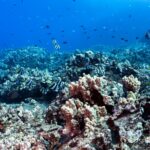
During your snorkel time, you’ll explore multiple habitats. That’s key. Different habitats support different marine life, so you’re not just moving through space—you’re moving through ecological zones. The guide uses what you see to explain the bigger “why” behind reef life: what fits where, and why.
Even if you’re a first-time snorkeler, the tour’s format helps. You’re guided to slow down and notice patterns, rather than panicking because you don’t see something instantly.
Wildlife you might spot—and what to listen for while you see it
One of the strongest reasons people book this kind of tour is the chance of seeing wildlife. This experience gives you those possibilities while also teaching you how to interpret them.
The tour highlights include chances to see:
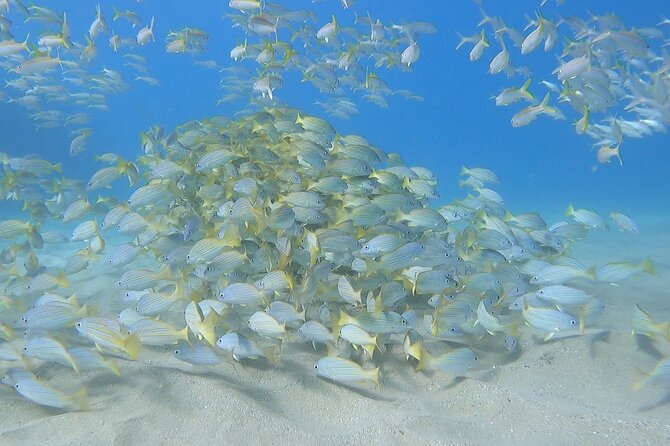
- reef fish
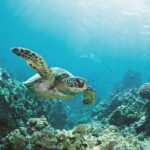
- sea turtles
- monk seals
- eagle rays
- and more marine life
What makes this different from a pure sightseeing snorkel is the guide’s focus on ecology. When you see a turtle, the conversation isn’t only about spotting it. You’ll be connecting it to sea turtle ecology—how it fits into the reef system.
Same idea with other life. The guide explains how species relate to the ecosystem and what makes reef environments function the way they do. If you care about the natural world beyond just photos, this is where the tour earns its price.
Also worth noting: the experience is described as respectful and culturally mindful. In the guidance style, there’s acknowledgement of the land and the Hawaiian uses and names for different species. That tone changes the feel of the outing. It’s not just nature entertainment.


Semi-private size: why max 5 people makes a difference
This is guaranteed to be less than 5 people, with a maximum of 5 travelers. That size cap is more than a comfort perk. It directly affects how the tour feels.
In a small group, the guide can:
- keep an eye on everyone’s comfort in the water
- adjust the teaching pace as needed
- offer more personal feedback during snorkeling
The small-group feel also helps families. Kids can start nervous, but the guidance style is built to keep things safe and manageable. In one account, a parent noted that nervous kids ended up having a great time, which makes sense when attention and pacing are dialed in.
The guides: marine biology with real-world safety
This tour is led by a marine biologist guide. In at least one documented experience, the team included Talia as the marine biologist—enthusiastic, kind, and deeply informed. Randy also helped make sure participants felt safe and comfortable, especially swimmers who weren’t as strong.
That pairing is practical. Marine-ecology instruction is only useful if you feel stable and confident in the water. A guide who can explain reef systems clearly and also manage snorkeling comfort is a big deal, particularly if you’re not an ocean pro.
If you’re thinking, I want to learn but I also want safety, this is the kind of tour that matches that mindset.
Equipment and the complimentary photo package
Snorkeling gear is included, so you don’t need to bring your own equipment. That alone saves time and hassle—especially on Oahu, where you might prefer to spend your energy sightseeing, not gear-shopping.
Then there’s the complimentary photo package. This is a smart value add for a tour focused on learning. Sometimes you remember the lesson but lose track of what you actually saw. Photos give you a visual record to pair with the ecology notes you hear.
Just keep in mind: the ocean has its own plans. You’ll likely see great wildlife, but nothing here is guaranteed as a checklist.
Price and value: what $125 buys you (and why it can be worth it)
At $125 per person for about 2 hours, the price is not the cheapest way to snorkel on Oahu. But the value isn’t only in water time. You’re paying for:
- a marine biologist-led teaching approach
- a guaranteed small group (max 5)
- included snorkeling equipment
- a complimentary photo package
- a structured briefing that turns reef spotting into understanding
If you want a standard snorkel, you’ll sometimes find cheaper options. But if you want to leave with a clearer sense of how reefs work—plus wildlife observations tied to ecology—this tour is priced like an experience with a real instructor, not just a spotter.
One practical way to judge value: if you enjoy learning and you like asking questions, this will feel like money well spent. If you just want to float and snack on scenery with no “why,” you may find it more structured than you expected.
Also, this tour is often booked ahead—on average 22 days in advance—so it’s worth reserving early if you want specific dates.
Physical readiness and ocean realities (including motion sickness)
The tour asks for moderate physical fitness. That usually means you should be comfortable with the basic demands of getting in and out of the water and staying calm while snorkeling, even if you aren’t a strong swimmer.
The other reality is the ocean itself. One person mentioned motion sickness hit during the trip planning to use medicine next time. That’s not uncommon in marine settings, and it’s a good reminder to prepare if your body reacts to waves.
A simple decision rule: if you’ve had motion sickness on boats or at sea before, treat that as your sign to plan ahead.
Who this tour is best for
This marine ecology snorkel fits best if you want more than a checklist of sea life.
You’ll likely enjoy it if:
- you want to understand coral reef ecology, not just see it
- you love guided conversation and questions in real time
- you’re traveling with kids and want a safe, structured experience that can calm nerves
- you prefer small-group attention (max 5) instead of feeling like a numbered spot in a crowd
- you care about respectful, place-aware interpretation, including Hawaiian names and land acknowledgement
It may not be the best match if:
- you’re only interested in long time in the water and don’t want instruction
- you’re extremely sensitive to ocean motion and haven’t planned for it
- you want a purely passive experience with minimal talking
Should you book this marine ecology snorkel from Electric Beach Oahu?
If you’re torn, here’s the honest way I’d decide. Book it if you want to come away with more understanding than you arrived with—and if you value a small group, a marine biologist guide, and included snorkeling gear plus photos.
Skip it only if your ideal day is mostly unstructured floating and you don’t care about reef ecology explanations. This tour’s whole identity is education in the water, guided by people who connect what you see to how reefs function.
One more nudge: because it’s booked ahead and depends on good weather, you’ll feel better with a flexible mindset. Plan for the possibility that conditions can shift, and you’ll get the best experience.
FAQ
How long is the Marine Ecology Snorkel experience?
It runs for about 2 hours, with about 1 hour spent snorkeling in the water.
What’s included in the tour price?
The tour includes snorkeling equipment and a complimentary photo package.
How many people are in each tour?
It’s a semi-private experience with a maximum of 5 travelers, guaranteed to have less than 5 people.
Where does the tour start?
You start at 92-301 Farrington Hwy, Kapolei, HI 96707, USA, and it ends back at the meeting point.
What languages is the tour offered in?
The tour is offered in English.
What happens if the weather is poor?
This experience requires good weather. If it’s canceled due to poor weather, you’ll be offered a different date or a full refund.