REVIEW · CANOES & KAYAKS
Polynesian Canoe Morning Sail
Book on Viator →Operated by Kamoauli · Bookable on Viator
Morning water makes everything feel easier. A Polynesian canoe sail on Oahu turns sightseeing into storytime, with a hands-on Hawaiian culture focus. I especially love the small-group setup and the way the crew connects the coastline to ka mo‘olelo o ka ‘āina. You also get traditional Hawaiian snacks and drinks while you’re out on the water.
One thing to plan for: this 2-hour experience runs only with good weather. If conditions are rough, you’ll be offered a different date or a full refund, so don’t schedule anything tight right afterward.
In This Review
- Key things to know before you go
- A morning sail on Oahu that teaches as you float
- Getting to 1125 Ala Moana Blvd at 8:00 am
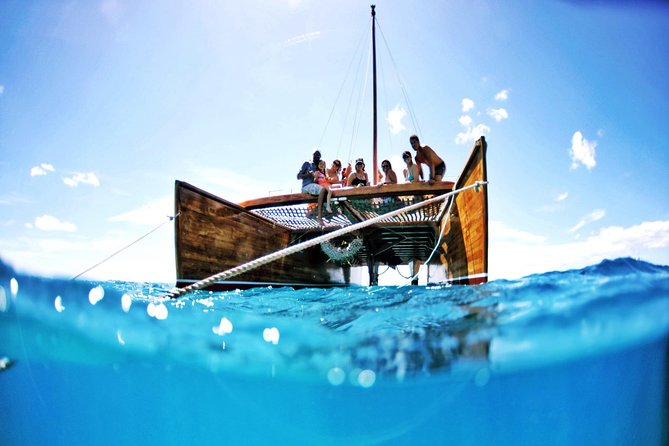
- Kamoauli’s restored double-hulled canoe: the boat is part of the show
- Waikiki and the Oahu sights you’ll pass during the sail
- Ka mo‘olelo o ka ‘āina: why the stories change the whole trip
- Music, hula, percussion, and learning by doing
- Food and drink: traditional snacks that fit the lesson
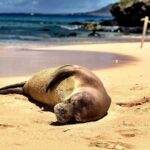
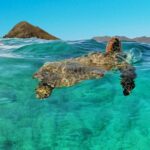
- Wildlife odds: turtles, dolphins, and maybe a whale
- Small group energy and how to make the most of it
- Price and value: what you’re paying for
- Who should book this canoe sail—and who should skip it
- Should you book the Polynesian Canoe Morning Sail?
- FAQ
- How long is the Polynesian Canoe Morning Sail?
- What time does the tour start, and where is the meeting point?
- Is the tour offered in English?
- How many people are on the canoe?
- What is included during the sail besides sailing?
- What is the cancellation and refund policy?
- What happens if the weather is not good?
Key things to know before you go
- Max 6 people on the canoe means more interaction with the captain and teachers, not a cattle-car vibe.
- 8:00 am start lines up with more wildlife activity and calmer morning water.
- Kamoauli’s wa‘a kaulua is an all-wood, double-hulled sailing canoe designed for cultural education.
- Hawaiian music and movement show up as part of the program, including hula and percussion instruction.
- Food is part of the lesson, with traditional snacks and drinks, plus hands-on items like poi.
- Iconic Oahu views happen during the sail, including passing landmarks around Waikiki and Diamond Head.
A morning sail on Oahu that teaches as you float
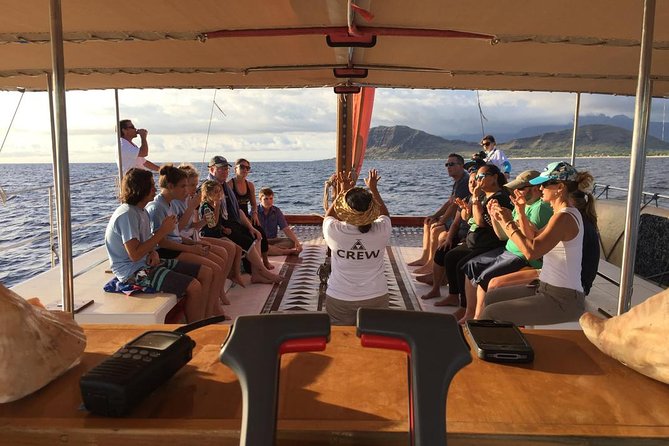
If you want your Hawaii day to feel different from the usual beach-and-bus loop, this is a strong choice. You’re on a traditional wa‘a kaulua—an all-wood, double-hulled canoe—so the pace is slower and the setting is more “you’re part of the story” than “look at the scenery, next.”
I like that the focus isn’t only about getting from point A to point B. You get a guided explanation of native history, myths, legends, and stories tied to the land. That matters because it changes how you see the coast: you start noticing context instead of just taking photos.
There’s also a practical win. With a max of 6 people, you’re not stuck shouting over a crowd. You’re close enough to hear the music, ask questions, and actually follow the culture lessons.
You can also read our reviews of more boat tours in Oahu
Getting to 1125 Ala Moana Blvd at 8:00 am
The meeting point is 1125 Ala Moana Blvd, Honolulu. The sail starts at 8:00 am, and it ends back at the same meeting point, so you don’t need extra transport planning for the return.
Because it’s a morning tour, bring a little patience for getting everyone coordinated early—but it’s also when Oahu feels most alive. The ocean is often calmer, and wildlife sightings are more likely in the early hours. You’ll also have the rest of your day freed up for beaches, food, and whatever you’re craving next.
Also worth noting: the tour is English-speaking, and it’s near public transportation. If you’re staying in Waikiki or around Ala Moana, this is one of those “logistics don’t eat your day” options.
Kamoauli’s restored double-hulled canoe: the boat is part of the show
This experience is run by Kamoauli, and the canoe is called Kamoauli too—so you’ll hear that name more than once while you’re on board. The key detail is that it’s a traditional design: an all-wood, double-hulled sailing canoe.
That shape matters. A double-hulled boat rides differently than many modern leisure boats, and you’ll feel the motion more as a gentle flow than a constant bounce. It’s a small thing, but after a few hours of moving around Waikiki, it helps. You’re there to relax and listen, not to white-knuckle your breakfast.
You’ll also notice the restoration focus. The canoe isn’t presented as a museum piece; it’s presented as a living tool for learning—music, movement, and storytelling happening around you as the canoe sails.
Waikiki and the Oahu sights you’ll pass during the sail
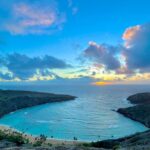
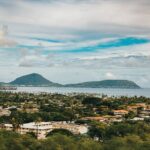
The route takes you out from the Waikiki area and into scenic coastal waters. You’ll get the kind of views that make you stop thinking like a tourist for a second and start thinking like a person who understands where they are.
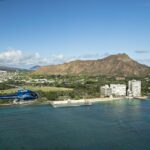
From the water, landmarks like Diamond Head come into view in a way that feels more real than from a car window. People also mention passing sights connected to the coastline around Nānū‘e and Auqaman’s Palace, and that mix of familiar and surprising makes the short sail feel full.
Here’s the tradeoff to be honest about it: this is about 2 hours, so it’s not a long expedition. You’re not crisscrossing the entire island. You’re getting a focused, guided loop that prioritizes stories and culture teaching over long-distance cruising. If you’re chasing maximum miles, you might prefer a longer day sail. If you want culture plus iconic views in a compact time window, this works well.
Ka mo‘olelo o ka ‘āina: why the stories change the whole trip
The centerpiece of this tour is cultural education. The program is built around ka mo‘olelo o ka ‘āina—native history, myths, legends, and stories connected to the land. You’re not just hearing facts; you’re getting a guided way to connect what you see to what it means.
I like the format because it doesn’t feel like a lecture you have to endure. The boat is moving, the music is happening, and the teaching is woven into the sailing. That rhythm helps the information stick.
It also gives you a better lens for Oahu. Instead of treating the island as a backdrop, you start recognizing how stories shape identity, place names, and tradition. Even if you only catch parts of the narration, the overall effect is the same: you leave with more context than you started with.
You can also read our reviews of more tours and experiences in Oahu

Music, hula, percussion, and learning by doing
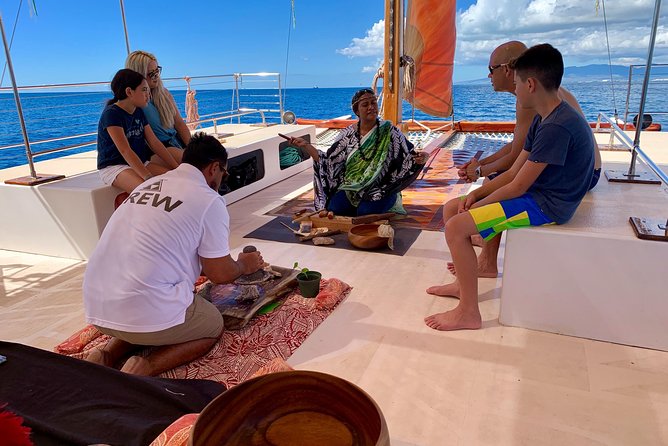
This is one of the most praised parts of the experience: the onboard program includes music and dance elements, plus instruction you can try for yourself. People often call out the combination of singing, teaching, and live Hawaiian music during the sail.
In particular, I’d flag the role of Captain Ron. The captain and crew are presented as personable and engaged, and you can feel that in how the time flows. The teaching isn’t “watch from far away.” It’s close enough that you can follow along.
You may also get hands-on time with traditional culture activities such as:
- Learning hula fundamentals (not a performance—more like guided basics)
- Trying percussion elements as part of the musical education
- Making poi, which shows up as a memorable activity for many people
If you want a souvenir that’s not just a photo, this is where you get it. Skills and tastes are harder to fake, and the hands-on parts make the experience feel personal rather than staged.
Food and drink: traditional snacks that fit the lesson
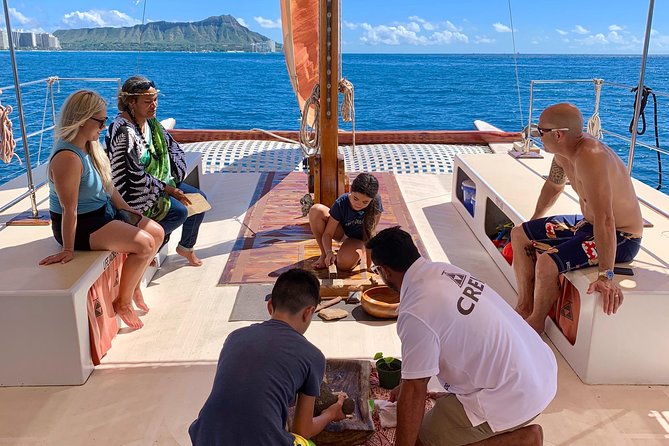
You’ll enjoy traditional Hawaiian snacks and drinks during the sail. The details can vary by what’s planned that day, but the culture-food link is consistent.
Many people specifically mention tasting things like poi, poke, and swordfish. Even if your menu differs slightly, the idea is the same: you’re eating as part of the cultural program, not as an afterthought.
This is where the value shows up. A lot of “sail excursions” give you a drink and a view. Here, the food is connected to the storytelling and activities, so it feels earned. You’re basically getting an onboard cultural break that lands in the middle of a scenic morning.
Wildlife odds: turtles, dolphins, and maybe a whale
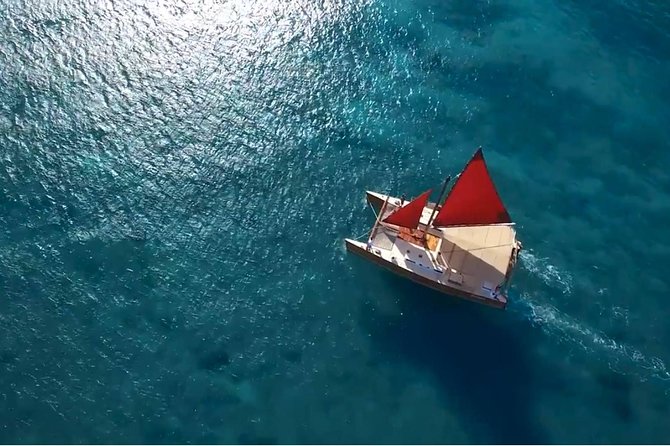
One of the reasons people love a morning schedule is wildlife activity. You’re out during the time when the ocean seems to be waking up—feeding, moving, and interacting with the waterline.
From the information shared, you can have a strong chance of seeing:
- Turtles
- Dolphins
And on some sails, you might see a whale. One of the most exciting parts of that kind of sighting is how quickly the mood changes on the boat. Everyone stops asking questions and just watches. It’s a reminder that the ocean isn’t a set—it’s alive, and it doesn’t follow a script.
No one can guarantee wildlife in the ocean, of course. But the morning timing is a smart bet, and you’ll feel it when you’re out there.
Small group energy and how to make the most of it
With a max of 6 people, the vibe is calm and interactive. That’s not just a “nice-to-have.” It directly affects what you get from the teaching.
A bigger boat usually means you’re listening to the guide through wind and distance. Here, you’re close enough to hear the stories and connect with the crew. If you’re the type who likes asking questions, this setup gives you a real shot.
My practical tip: lean into the onboard rhythm. When music starts or when the teachers are demonstrating something, stop multitasking. Put your phone away for a few minutes and actually watch the movements. You’ll get more than a memory—your brain will file the experience in a more useful way.
Price and value: what you’re paying for
Even though you’ll see the exact price when you book, the value question is the same for most people: does the time feel worth it?
Here’s what makes it a strong value play:
- 2 hours that combine sailing, education, and participation
- Traditional snacks and drinks included
- A restored traditional canoe experience, not just a generic boat ride
- Hands-on culture elements like poi and instruction with hula/percussion
- A small group that keeps the attention where it should be
Also, the rating is extremely strong. This experience shows a 5-star rating with 100% recommendation in the provided summary, which is a useful signal when you’re comparing options in Oahu.
If you want a simple sightseeing cruise, you might find a different sail fits better. But if you want your morning to feel meaningful without being heavy, this is one of the best “time-to-value” combinations on the water.
Who should book this canoe sail—and who should skip it
This is a great fit if you:
- Want Oahu culture in a real setting, not only in a classroom
- Prefer a small group and easy interaction
- Enjoy hands-on experiences like poi and short lessons tied to Hawaiian traditions
- Like the idea of a morning plan that leaves the rest of your day open
You might skip it if you:
- Don’t want any weather-dependent scheduling risk (the tour requires good weather)
- Need a long, multi-hour ocean voyage with lots of open water time and minimal teaching
The good news is that the morning format is flexible for many itineraries. It gives you that “start the day right” feeling without swallowing your whole schedule.
Should you book the Polynesian Canoe Morning Sail?
I’d book it if you’re aiming for a morning on Oahu that’s more than scenery. The combination of traditional wa‘a kaulua sailing, Hawaiian cultural storytelling, music, and hands-on activities like poi is exactly the kind of experience that sticks.
If you’re deciding between multiple sailing options, think of this one as culture + coastline in a compact time frame. You’ll still see major landmarks around Waikiki and Diamond Head, and you’ll likely come away with at least one standout moment—whether that’s wildlife like turtles or dolphins, or a whale sighting if conditions line up.
FAQ
How long is the Polynesian Canoe Morning Sail?
It runs for about 2 hours.
What time does the tour start, and where is the meeting point?
The start time is 8:00 am, and the meeting point is 1125 Ala Moana Blvd, Honolulu, HI 96813. The tour ends back at the meeting point.
Is the tour offered in English?
Yes, the tour is offered in English.
How many people are on the canoe?
The maximum group size is 6 travelers (people).
What is included during the sail besides sailing?
You’ll enjoy traditional Hawaiian snacks and drinks, along with an educational focus on Hawaiian culture and stories, plus music and opportunities to learn parts of hula and percussion.
What is the cancellation and refund policy?
You can cancel for free up to 24 hours in advance for a full refund. Canceling less than 24 hours before the start time does not provide a refund.
What happens if the weather is not good?
This experience requires good weather. If it’s canceled due to poor weather, you’ll be offered a different date or a full refund.
![Pearl Harbor [Early Access], USS Arizona & Historic Honolulu Tour - Hotel Pickup in Waikiki and How the Day Flows](https://cdn.honolulu-city.com/wp-content/uploads/pearl-harbor-early-access-uss-arizona-historic-honolulu-tour-400x266.jpg)