REVIEW · CANOES & KAYAKS
Stand-Up Paddle Yoga on the North Shore of Oahu
Book on Viator →Operated by Yoga Kai · Bookable on Viator
Floating yoga has a way of rewriting your balance. On Oahu’s North Shore, you glide from a beach meeting point out toward the Anahulu River area and do guided poses on a SUP board. What I like most is the combo of SUP coaching + yoga instruction (good if you’re new to either) and the soothing structure that builds from breath work into standing posture variations and ends with restorative holds. The one consideration: you’ll be floating on water, so if you’re uncomfortable with a wobbly surface, you may need to go slowly and take modifications.
The vibe is very “practice, not performance.” You’ll start with getting used to the board and then follow your instructor’s cues at an easy pace. And yes, it can get wobbly—in one account, a rider fell once, and the water was reported as shallow and warm, which helped turn it into a learning moment instead of a disaster.
In This Review
- Key things that make this SUP yoga class worth your time
- Why SUP yoga on Oahu’s North Shore feels like a real workout (with a zen payoff)
- Meeting in Haleiwa and walking out with the gear that makes it work
- From bay to practice area: what happens once you’re on the water
- The warm start: breath, balance, and learning the board
- The standing phase: building confidence with guided variations
- The cool-down: restorative postures and a Savasana on a float
- Props and safety: what the anchor does for your mind
- The $65 price: what you’re paying for (and what you’re getting)
- Timing and logistics: why the 5:00 pm start can be a good idea
- What to expect if you’re new to yoga or SUP
- Who should book this (and who should think twice)
- Weather matters more than you’d think
- Should you book Yoga Kai’s SUP yoga on the North Shore?
- FAQ
- Where is the meeting point for the SUP yoga session?
- What time does the tour start?
- How long is the SUP yoga experience?
- Is this class only yoga, or do you learn SUP too?
- What equipment is provided?
- Is it a private activity?
- What if the weather is poor?
Key things that make this SUP yoga class worth your time
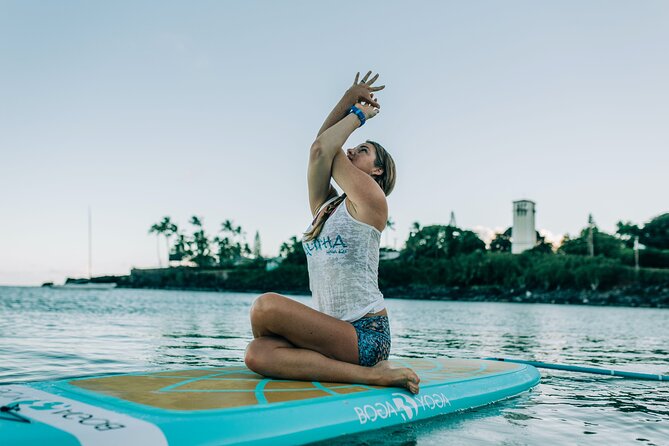
- SUP boards, paddles, and anchors are included, so you’re not hunting gear or guessing how to set up.
- You practice in two phases: a calm start for breath and balance, then standing pose variations, then restorative postures.
- It’s beginner-friendly by design, with instruction that covers both paddle skills and yoga form.
- The setting is different from studio yoga: you’re on the ocean with views and natural movement under your feet.
- Private by group: you do the session with your party only, so questions and adjustments feel easier.
- A 5:00 pm start gives you the chance to catch a calmer stretch of day light on the North Shore.
Why SUP yoga on Oahu’s North Shore feels like a real workout (with a zen payoff)
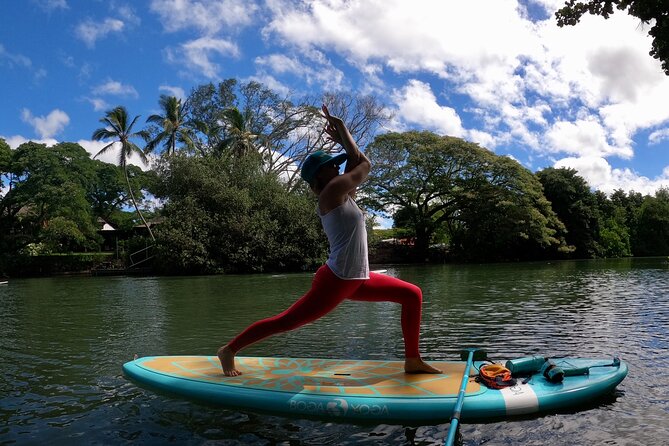
Regular yoga is all about your mat. SUP yoga adds another job: keep yourself steady while water gently moves your base. That’s why this kind of class is such a good “mind-body” experience. Even when you’re holding a simple pose, your legs and core are constantly working to stabilize. It’s strength, balance, and focus—without needing to crank up intensity.
On the North Shore near Haleiwa, the water setting helps the whole experience feel open and airy. You aren’t boxed into a studio. You’re out on the bay, then anchored to practice. That means you get the ocean experience while still having a stable point to flow from.
And the yoga part isn’t treated like an afterthought. The sequence starts slowly—tuning into your breath and learning how to move with the board. Then you progress into standing postures, which is where SUP yoga becomes truly fun (and sometimes slightly hilarious). Finally, you cool down with restorative postures aimed at a long, comfortable Savasana.
If you’ve done land yoga and want something fresh, this is the kind of change that actually shifts how you feel in your body. If you’re brand new to yoga, it’s still approachable because the pace is guided and the emphasis is on getting comfortable, not proving flexibility.
You can also read our reviews of more tours and experiences in Oahu

Meeting in Haleiwa and walking out with the gear that makes it work
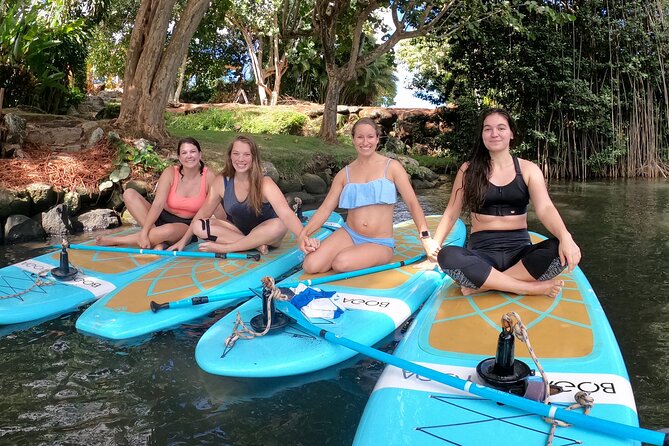
Your day begins at the 62-490 Kamehameha Hwy, Haleiwa meeting point. The key word here is “meeting”—you’re not dropped at a dock with a vague instruction sheet. You start on the beach with an intro to your floating yoga setup.
Then you walk out together with the SUP equipment:
- stand-up paddle board
- paddle
- anchor system
That matters more than it sounds. When you understand what each piece does, you relax faster. The board isn’t just a platform; it’s your balance partner. The paddle isn’t just for moving around; it’s what helps you steer your way into position. And the anchor? That’s what turns “floating” into “practice.”
Because the session is private to your group, you can ask questions early without feeling like you’re holding up a crowd. And from past feedback, the instructor experience is a major part of why people leave smiling—one rider specifically called out Julie as a great instructor and noted that she was patient and helpful.
From bay to practice area: what happens once you’re on the water
After the intro, you head out through the bay into the area where you’ll work toward the Anahulu River practice location. The practical goal is to get you into a spot where you can anchor down and settle into yoga.
Once you reach the anchoring point, the class structure becomes easy to follow:
The warm start: breath, balance, and learning the board
The first part of the session is intentionally slow. You’ll be guided through a practice that helps you:
- feel what the board does when you shift your weight
- coordinate posture with balance
- connect with breath rather than fighting the wobble
This is where beginners usually gain confidence fast. You’re not expected to have perfect paddle form or perfect yoga alignment on day one. The instructor cues your movement and helps you understand what “stable enough” means.
The standing phase: building confidence with guided variations
After the adjustment period, the practice moves into standing postures with variations. Standing is where SUP yoga becomes both a workout and a test of calm. Your body has to react to the water’s tiny movements while staying aligned enough to breathe.
The upside is that this phase feels rewarding. You get real progress during the short time frame because you’re learning in context: “Here’s the pose, here’s how your board affects it, here’s the modification.”

The cool-down: restorative postures and a Savasana on a float
The session ends with restorative postures designed to slow everything down. The description you’re aiming for is a Savasana that feels especially sweet after using your core and stabilizers for most of the class.
Even if you’re not chasing “perfect pose,” the ending matters. On land, Savasana can feel like a polite stop. On a board—anchored and comfortable—it can feel more like a reset. Your brain gets to drop the performance mode.
Props and safety: what the anchor does for your mind
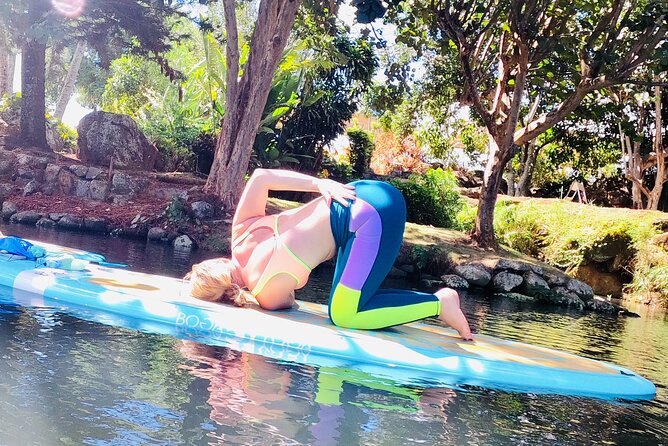
One of the smartest parts of this tour is the inclusion of anchors. Anchoring is the difference between “constantly paddling” and “actually practicing yoga.” It gives you a stable base so you can focus on posture and breath instead of survival mode.
You’ll also be given a board designed for this activity (not a random all-purpose SUP). In one review, someone noted the presence of special boards and said it was easier than expected. That tracks with how SUP yoga typically works: you want a board that supports a standing position and helps you feel less like you’re balancing on a toothpick.
As for falls: that’s always possible when you’re learning. One rider mentioned falling off once, and they added an important detail—water was shallow and warm. That’s not a guarantee, but it gives you a realistic sense of what to do if you wobble: don’t panic, and listen closely to the instructor’s guidance.
The $65 price: what you’re paying for (and what you’re getting)
At $65 per person for about 1.5 hours, this class isn’t cheap in a budget sense. But it’s fairly priced when you look at what’s included:
- instruction that covers both SUP comfort and yoga guidance
- SUP boards, paddles, and anchors provided
- a focused session with a clear structure (warm start → standing phase → restorative finish)
- a private setup for your group only
The real value is the coaching. Learning paddle skills on your own in the North Shore can be hit-or-miss, especially if you don’t know how to position yourself for yoga. Here, you get direction fast, and you spend your time practicing instead of figuring out logistics.
Also, you’re paying for the instructor relationship. Several reviews highlight Julie and the team’s care and patience. That’s not fluff. In water-based activities, good instruction is what turns nervous energy into a doable, enjoyable experience.
Timing and logistics: why the 5:00 pm start can be a good idea
The tour starts at 5:00 pm. That late-afternoon timing can be a sweet spot on the North Shore because conditions are often calmer than earlier in the day. You’ll also have a gentler pace for getting your body warmed up and transitioning from land to water.
It’s not a party tour. You’re out there for mindfulness, balance, and movement. Going at the end of the day can make it feel like a reset—especially if you’ve spent earlier hours snorkeling, driving the coast, or checking out Haleiwa.
One more practical point: this tour is private, ends back where you started, and uses a mobile ticket. In plain terms, that keeps your day simpler. You’re not dealing with a complicated itinerary across multiple locations.
What to expect if you’re new to yoga or SUP
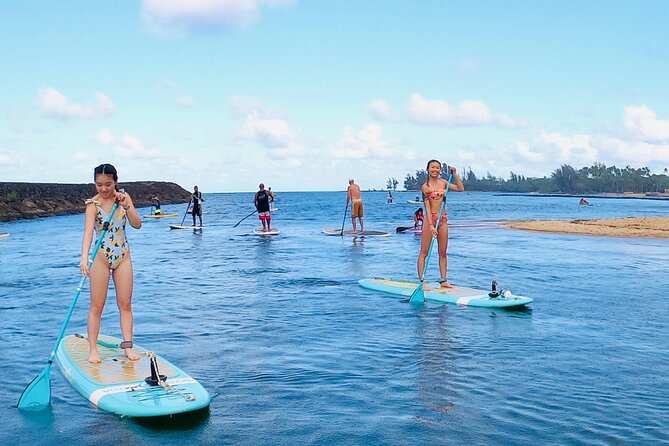
This experience is designed for beginners. In fact, it explicitly teaches you yoga and stand-up paddling basics if you’re starting from scratch. That means you don’t need to show up flexible or already able to stand for long periods.
Still, there’s a fitness note: the tour asks for moderate physical fitness. That doesn’t mean you need to be an athlete. It means you should be comfortable doing a short activity that involves:
- standing on a moving surface
- holding yoga postures for a short time
- balancing while your core stays engaged
If you can walk around comfortably and follow physical cues, you’re likely fine. Just assume you’ll use your muscles in ways you don’t on land yoga.
From reviews, patience is a theme. One parent-and-teen duo was a hit because the instructor was helpful and adjusted to first-timers. That’s the kind of teaching you want for a mixed-experience group.
Who should book this (and who should think twice)
This tour is a great match if:
- you want a yoga class that feels more active than studio sessions
- you’re a beginner who wants guided SUP support
- you like mindful movement with a playful edge
- you want an experience that’s both scenic and structured
You might think twice if:
- you strongly dislike any wobbly, floating feeling
- you have issues that make balance work difficult (even with modifications)
- you’re expecting a long paddle journey as the main event (this is about anchored practice and yoga flow)
Also consider your group. Since it’s private to your group, it can be easier for mixed levels to enjoy the same session. If your group includes total newbies and one confident paddler, it can still work because the instruction is meant to bring everyone along.
Weather matters more than you’d think
This experience needs good weather. That’s normal for anything on open water, but here it matters because your session depends on moving safely through the bay and settling into anchored practice.
If weather forces a change, you’re offered a different date or a full refund. That’s the right kind of safety net. And because the activity requires a minimum number of travelers, there’s another reason it could shift—if the minimum isn’t met, you’ll also get a different date/experience or a full refund.
My advice: if you’re scheduling this on a trip packed with coastal plans, keep some flexibility. SUP yoga is the kind of activity you should protect from becoming the one thing that breaks your whole schedule.
Should you book Yoga Kai’s SUP yoga on the North Shore?
If you want a yoga class with real-body challenge and a view that feels like Hawaii instead of a studio wall, book it. The best reasons are simple: the class includes the gear you need (boards, paddles, anchors), the instruction covers both parts of the experience (SUP + yoga), and people consistently highlight Julie’s patience and skill.
Skip it only if balance on moving surfaces sounds like your personal nightmare. Otherwise, show up with calm expectations, listen closely to the instructor during the setup, and let the session teach you rather than judging yourself for wobbling.
You’re paying for guidance, not perfection. And in this kind of class, that’s exactly what makes the experience worth it.
FAQ
Where is the meeting point for the SUP yoga session?
The meeting point is 62-490 Kamehameha Hwy, Haleiwa, HI 96712, USA.
What time does the tour start?
The session starts at 5:00 pm.
How long is the SUP yoga experience?
It lasts about 1 hour 30 minutes.
Is this class only yoga, or do you learn SUP too?
It’s designed for beginners and includes instruction so you can learn stand-up paddling alongside yoga.
What equipment is provided?
SUP boards, paddles, and anchors are provided.
Is it a private activity?
Yes. It’s a private tour/activity, and only your group participates.
What if the weather is poor?
The experience requires good weather. If it’s canceled due to poor weather, you’ll be offered a different date or a full refund.