REVIEW · 1-DAY TOURS
1 Day Pass LeaLea Trolley and Waikiki Trolley Pink Line
Book on Viator →Operated by LeaLea Tours · Bookable on Viator
One trolley pass, and suddenly you can hop across Oahu’s main sights fast. This LeaLea Trolley + Waikiki Trolley Pink Line day pass is built for seeing lots of Waikiki-area landmarks and then pushing into Honolulu for culture stops. I like that it’s in English, and I like the sheer number of major places it connects, so your day doesn’t hinge on renting a car.
The big consideration: this is a bus-and-route style day, not guided, ticketed sightseeing. You also need to plan for real-world friction like parking and clear meeting points, because one real snag is confusion around where to park near the Royal Hawaiian Center.
In This Review
- Key highlights and what to expect
- What This Day Pass Really Means (Trolley Pass, Not Admission)
- Price and Value: $35 for a Route-Heavy Day
- Picking the Right Part of the Route: Waikiki to Honolulu
- Waikiki anchor stops you can use like navigation
- The “forward motion” reality
- Royal Hawaiian Center: Convenient Start, Watch Parking Costs
- Ala Moana Center: Your Best Midday Reset Point
- The Culture Stretch: HoMA, State Capitol, Foster Botanical Garden, Bishop Museum
- Honolulu Museum of Art (HoMA)
- Hawaii State Capitol
- Foster Botanical Garden
- Bishop Museum
- Iolani Palace and the King Kamehameha Statue: The Historic Anchor
- Photo Stops That Can Save Your Time (Hanauma Bay and Halona Blowhole Lookout)
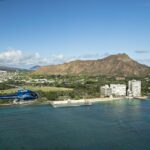
- Diamond Head and Kahala Side Options: When You Want a Different Day
- The “Other Stops” You Might Skip (But Still Use)
- Timing Strategy: How to Build a 3-Hour Plan Inside a 9-Hour Window
- Service Quality Reality: What to Expect From a Shared Route
- Who This Pass Is Best For (And Who Might Get Frustrated)
- Should You Book the LeaLea + Waikiki Trolley Pink Line Pass?
- FAQ
- How much does the LeaLea Trolley and Waikiki Trolley Pink Line pass cost?
- How long is the experience?
- What’s included in the $35 pass?
- Is admission to attractions included?
- What language is the tour offered in?
- Where does the trolley operate during the day?
- How far in advance should I book?
- What is the cancellation policy?
- Is this pass near public transportation?
Key highlights and what to expect
- Lots of recognizable stops across Waikiki and Central Honolulu, including Royal Hawaiian Center, Ala Moana Center, Bishop Museum, and Iolani Palace.
- English-speaking setup, which makes it easier to follow the day’s route and logistics.
- Trolley pass only, so you’ll still need separate entry tickets for anything that charges.
- Photo-friendly breaks, including timed photo moments at places like Hanauma Bay and Halona Blowhole Lookout.
- Works as a flexible day plan, but it’s only useful if you’re ready to move with the route schedule.
What This Day Pass Really Means (Trolley Pass, Not Admission)
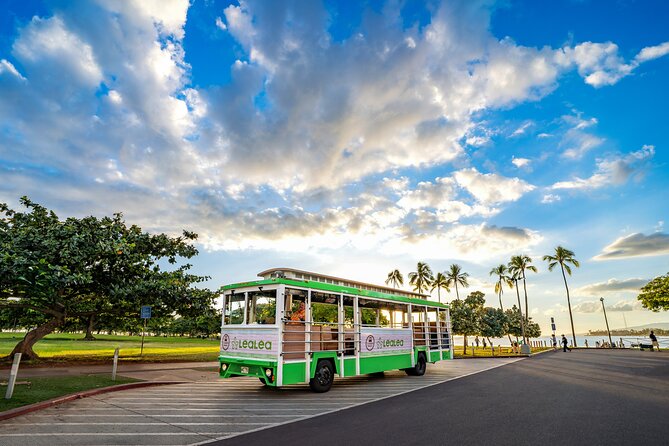
First, the smart way to think about this pass is simple: it’s for riding the trolley lines, not for getting into attractions. The included value is the transit itself, and admission fees are not part of the price. That’s not a deal-breaker, but it changes how you plan your day.
If you’re the type who wants to do one or two ticketed places and then spend the rest of the day walking, eating, and soaking up neighborhoods, this can be a strong fit. If you’re expecting the pass to function like an attraction ticket, you’ll feel shortchanged fast.
Also, the schedule window is 8:00 AM to 5:00 PM (open every day). So while the route covers a lot of ground, you’ll want to start early and avoid relying on late-day momentum.
You can also read our reviews of more tours and experiences in Oahu
Price and Value: $35 for a Route-Heavy Day
At $35 per person, the best way to judge value is by what you’re trying to cover. This pass aims to connect Waikiki’s core and Central Honolulu’s key sights—places that are spread out enough that hopping between them without a car can eat up time and money in taxis or rideshares.
So the value isn’t the vehicle itself. It’s the convenience of having a single day pass covering many stops such as:
- shopping and views around Royal Hawaiian Center
- the central Waikiki cluster near Hilton Hawaiian Village
- the huge transit/food hub at Ala Moana Center
- major landmarks further inland like Bishop Museum and Iolani Palace
You’re paying to reduce decision fatigue: you don’t have to constantly re-book transport plans while you’re trying to see everything.
Picking the Right Part of the Route: Waikiki to Honolulu
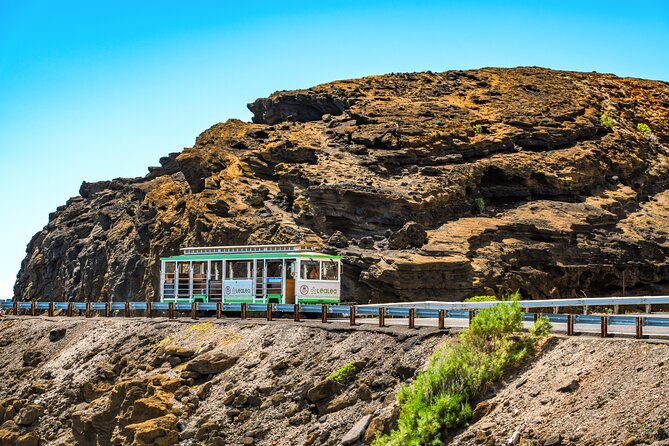
The day feels like a series of neighborhood transitions. You start in Waikiki’s tourist zone and then move outward toward Central Honolulu’s historic and museum areas. Even if you don’t get off at every stop, the route itself is useful because it gives you built-in options.
Waikiki anchor stops you can use like navigation
A few stops on the Waikiki side are ideal for orientation and easy walking:
- Royal Hawaiian Center: a strong starting point because it’s a recognizable landmark and it puts you near the Waikiki rhythm.
- Duke Paoa Kahanamoku Statue: great as a visual landmark when you’re trying to align your day.
- Hilton Hawaiian Village Waikiki Beach Resort (Grand Islander 1F): useful if you want to base yourself near major Waikiki hotels.
- Ala Moana Center: one of the best “reset points” for food, shopping, and catching your next move.
If you’re traveling with limited mobility or you just don’t want to walk too much, these stops are practical because they land you near concentrated areas rather than scattered backstreets.
The “forward motion” reality
The pass isn’t a private car charter. You’ll be following the day’s flow, and you may notice that some sections feel more like bus-style routing than a classic, stop-and-sight narrative. That means you should treat it as transportation with optional sightseeing windows, not a guided tour where every minute is explained.
And here’s a caution from a real-world experience: communication and local knowledge can be inconsistent depending on who’s operating the trolley. If you rely on spoken explanations to connect dots, bring a backup plan—have your own map and know the names of the stops you care about.




Royal Hawaiian Center: Convenient Start, Watch Parking Costs
Royal Hawaiian Center is one of the most important stops on this pass, because it’s both a landmark and a place where people gather for trolley access. The practical tip: parking there can be pricey if you’re paying by the short-term window. One reported surprise was $2.50 for 20 minutes, and that kind of cost adds up quickly if you’re circling to find where to go.
If you’re driving, give yourself extra time to figure out parking and access. If you’re using public transit, that concern becomes less stressful.
This stop is also good for orientation because it’s in the core Waikiki tourist zone. You’ll find it easy to decide what to do next once you’re on the trolley and moving.
Ala Moana Center: Your Best Midday Reset Point
If you want one stop that feels like a strategic “time manager,” it’s Ala Moana Center. This area gives you a chance to pause your sightseeing without breaking your day. You can grab food, use restrooms, and reorganize your timing before you push toward more “must-see” culture stops.
Ala Moana is also a strong place to start if you’re spending your morning elsewhere (or if you want to avoid early Waikiki crowds). In other words: it helps you build a day that isn’t all-or-nothing.
The Culture Stretch: HoMA, State Capitol, Foster Botanical Garden, Bishop Museum
As the route moves beyond the tourist core, it shifts toward iconic Honolulu institutions and scenic spaces. This is where the pass earns its keep, because these places are the kind where you’d otherwise spend extra time figuring out transit.
Here’s how that culture stretch plays out:
Honolulu Museum of Art (HoMA)
If you like pairing art with a sense of place, HoMA gives you a more “Honolulu” flavor than the beach-only day. It can work well when you want a break from walking and a calmer stop in the middle of the schedule.
Hawaii State Capitol
The State Capitol area adds a civic-historic vibe. It’s the kind of stop that helps your day feel more grounded in the island’s story rather than only its resort side.
Foster Botanical Garden
A botanical garden pause is a nice contrast. Even without a ticketed event plan, it can be a refreshing stop if you’re ready for slower pacing and greenery.
Bishop Museum
If you want the big, recognizable museum stop, Bishop Museum is one of the strongest reasons to take this route. It’s a clear anchor for visitors who want deeper context on Hawaii and Polynesia.
Remember: the pass covers the ride, not the admission. If a museum charges, plan those costs into your day so nothing feels last-minute.
Iolani Palace and the King Kamehameha Statue: The Historic Anchor
By the time you reach Iolani Palace and nearby landmarks like the King Kamehameha Statue, your day should feel like it has a theme: from Waikiki’s easy surface level into Honolulu’s historic core.
This is a great stop for photography, architecture appreciation, and for visitors who want more than one kind of Hawaii experience. If you’re only going to do one major “ticketed” stop, this is the kind of place where your day can pivot toward meaning, not just scenery.
Again: you’ll need to budget admission separately.
Photo Stops That Can Save Your Time (Hanauma Bay and Halona Blowhole Lookout)
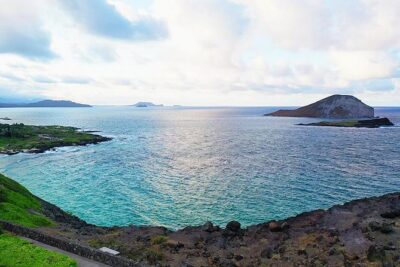
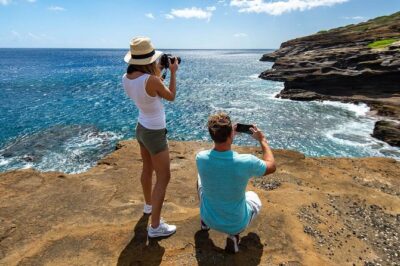
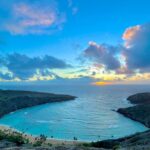
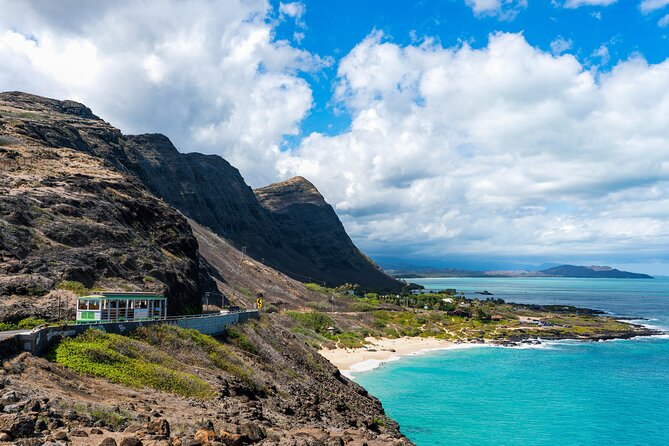
Not every stop is designed for a long linger. Some are timed as photo moments, like Hanauma Bay and Halona Blowhole Lookout. These can be worthwhile because they give you a quick chance to capture dramatic scenery without turning your whole day into a scheduling battle.
If you’re the kind of traveler who collects views for postcards and keeps your walking lighter, these photo stops fit well. If you want long time inside specific sites, you’ll likely prefer spending more time at museums and centers where you can stretch your legs on your own schedule.
Diamond Head and Kahala Side Options: When You Want a Different Day
Part of the route logic includes stops associated with the Diamond Head area and the Kahala side, including options like:
- Diamond Head Crater
- Kahala Mall
- Kaimukī Community Park and nearby stops
- food and shopping stops along the way
This is helpful if you want to break out of the classic Waikiki loop. Diamond Head-related stops are usually high demand, so the best move is to plan your timing so you’re not arriving late in the day window.
Also, note the earlier caution about communication and driver knowledge. If you’re trying to connect the trolley stop to a specific viewpoint or entrance, keep your expectations grounded and use signage or your own navigation.
The “Other Stops” You Might Skip (But Still Use)
The route also touches lots of recognizable, practical stops that can help you manage a busy day:
- major hotel clusters like Waikiki Aquarium and hotel-adjacent stops
- shopping and grocery points like Walmart and Safeway
- religious and cultural stops such as Izumo Taishakyo Mission of Hawaii
- local dining and snack-friendly stops that can keep your day moving
You don’t need to do everything. The pass is most effective when you treat it like a buffet: choose what matches your energy level that day.
One reason I like this style of transportation plan is that it reduces the “I must see everything” trap. You can step off where you want and return when it makes sense.
Timing Strategy: How to Build a 3-Hour Plan Inside a 9-Hour Window
The listed experience duration is about 3 hours, but the operating window stretches from 8:00 AM to 5:00 PM. That mismatch is where planning matters.
Here’s a practical way to use it:
- If you have only a half-day, focus on one zone. Either do Waikiki anchors plus Ala Moana, or do Central Honolulu highlights plus one museum.
- If you have more time, use the trolley to reposition yourself and then walk only what you truly want to walk.
- If your day includes ticketed attractions, schedule them earlier in the window so you’re not rushing.
Because the pass is transit-only, your day gets good when you pair trolley rides with smart “on-foot” segments.
Service Quality Reality: What to Expect From a Shared Route
This is the area where you should be honest with yourself. A shared route depends on the operator, and communication can vary. One reported disappointment included issues like not getting clear information and a driver who was hard to understand.
That doesn’t mean you should assume your ride will be bad. It does mean you should treat spoken guidance as bonus, not the core of your plan. Have your destination stop names ready and consider saving offline info on your phone.
Also, keep in mind that one person’s expectation of what a trolley should feel like may differ from yours. If you’re expecting a narrative-style guided ride to Diamond Head, you might find it more stop-to-stop than story-time.
Who This Pass Is Best For (And Who Might Get Frustrated)
This is a strong match if you:
- want maximum sightseeing options without renting a car
- like mixing hotel-area convenience with at least one big cultural stop
- prefer transportation simplicity and a day built around stop locations
It may frustrate you if:
- you’re expecting admission included
- you hate following routes and schedules
- you’re sensitive to unclear communication and you rely on it for navigation
If you fall in the middle, you can still make it work by focusing on a short list of must-see stops and treating everything else as optional.
Should You Book the LeaLea + Waikiki Trolley Pink Line Pass?
I’d book it if your goal is to cover a lot of ground in a single day and you’re comfortable paying separate admission for any ticketed attractions. The value is strongest when you use it as a transit backbone between major landmarks like Royal Hawaiian Center, Ala Moana Center, Bishop Museum, and Iolani Palace.
I’d skip or rethink it if you want a guided, highly narrated tour experience, or if you’re worried about parking confusion and finding the right spot at the start. If you do drive, plan for extra time—especially around busy Waikiki landmarks like Royal Hawaiian Center.
One final tip: go in with a short plan. Choose your top 3 stops, build the rest around walking distance from those stops, and you’ll get a smooth day out of the pass.
FAQ
How much does the LeaLea Trolley and Waikiki Trolley Pink Line pass cost?
The price is $35.00 per person.
How long is the experience?
It’s listed as about 3 hours.
What’s included in the $35 pass?
It includes only the trolley pass.
Is admission to attractions included?
No. The pass does not include any admission or entrance fees.
What language is the tour offered in?
It’s offered in English.
Where does the trolley operate during the day?
The opening hours are 8:00 AM to 5:00 PM, Monday through Sunday.
How far in advance should I book?
On average, it’s booked about 14 days in advance.
What is the cancellation policy?
You can cancel for free up to 24 hours in advance for a full refund.
Is this pass near public transportation?
Yes, it’s listed as near public transportation.