REVIEW · NORTH SHORE TOURS
Beginner Surf Lesson at North Shore Haleiwa, Oahu
Book on Viator →Bookable on Viator
Surf lessons on Oahu have a superpower. One lesson format that stands out here is the chance to ride with Hawaiian green sea turtles near Haleiwa, plus clear coaching that helps you move from board basics to actual waves. You start at Puaʻena Point Beach Park, get set with the right gear, and then spend your time learning instead of waiting around.
What I like most is the instructor attention. The class is built for beginners, with a safety-and-etiquette lesson, a quick land demo (so your first attempts are smarter), and then plenty of time in the water to try again. Names that come up in this experience include Kekai, along with Koa and Kia in some sessions, and the consistent theme is patient, friendly guidance.
One drawback to keep in mind: ocean hazards are real. People remind you to watch your step, especially around sea urchins, and you’ll be spending most of the session in the water, so you should feel comfortable getting wet and staying focused.
In This Review
- Key things to know before you go
- Why Puaʻena Point and Haleiwa work so well for first-timers
- The 2-hour game plan: gear up, learn safety, then catch waves
- The land demo that helps you stand up sooner
- What it feels like to paddle and ride in the turtle zone
- A real safety note: watch your step
- Instructors who keep it calm and focused
- Included gear and what to bring (so you feel ready)
- Why the provided rashguard helps
- Price and value: is $150 for two hours a fair deal?
- Who should book this lesson, and who should pause
- When you should reconsider
- Practical questions you’ll want answered before you go
- Should you book this North Shore beginner surf lesson?
- FAQ
- How long is the beginner surf lesson?
- Where does the lesson start?
- What surf gear is included?
- Is instruction provided for beginners?
- Are Hawaiian green sea turtles part of the experience?
- Is this a private lesson?
- Can I get a full refund if I cancel?
Key things to know before you go
- Green sea turtle sightings are a year-round goal, right off the North Shore area near Haleiwa
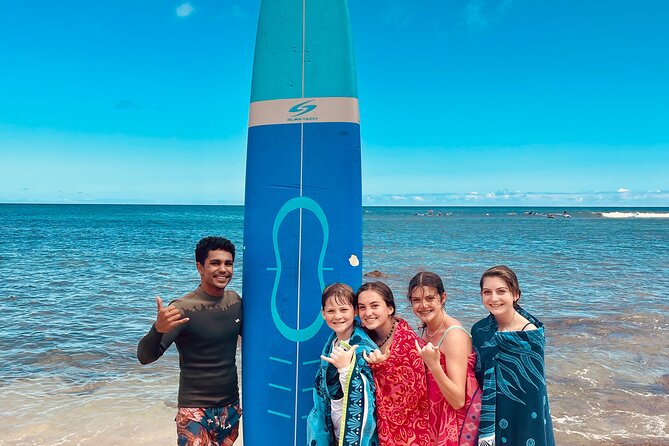
- You don’t pack the kit: board, leash, and rashguard are included
- Instruction happens fast: safety talk, short land demo, then you’re out catching waves
- You learn the basics in the right order: paddling and standing technique before the full chaos
- The session is timed for learning: about 2 hours total, with 1.5–2 hours in the water
Why Puaʻena Point and Haleiwa work so well for first-timers
If you’re new to surfing, you’re not just learning a sport. You’re learning a whole new relationship with the ocean: how to float, how to position yourself, how to respond when a wave arrives, and how to stay safe around other surfers. That’s why the North Shore lesson location matters, and this one is anchored at Puaʻena Point Beach Park in Haleiwa’s surf zone.
This beach area is also family-friendly and scenic, and that’s not a small detail. When you’re nervous (and most first-timers are), it helps to be somewhere that feels manageable. It’s also known for turtle activity, and the experience includes a guarantee to see Hawaiian green sea turtles year-round. The practical part is that you still get a serious lesson, but the setting makes the whole session feel special.
One more reason this works: the setup is built around being ready quickly. You meet at the start point (Puaʻena Point Beach Park on Kahalewai Pl), get geared up, and then training begins with safety. That means your time doesn’t evaporate in logistics.
You can also read our reviews of more tours and experiences in Oahu

The 2-hour game plan: gear up, learn safety, then catch waves
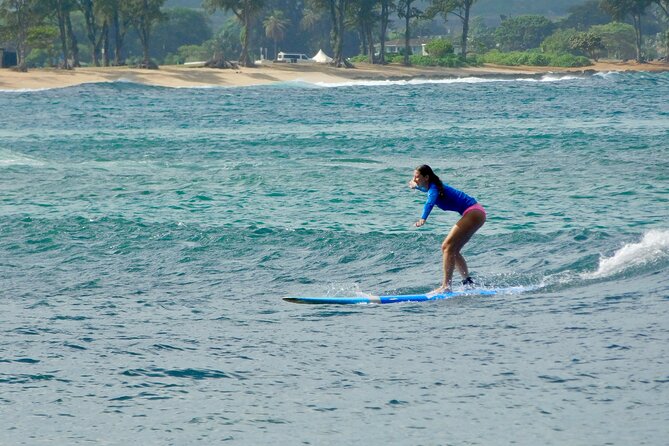
The lesson runs about 2 hours, and the structure is pretty clear from start to finish. You’ll want to show up ready to move, because the pacing is designed for progress rather than sightseeing.
Here’s the flow:
1) Meet and gear check
You start at Puaʻena Point Beach Park, where you’ll be set with a surfboard, leash, and rashguard. Water is included too. For many first-time surfers, that’s a big win—surf gear can be confusing to rent, and buying the wrong thing is easy. With this setup, you focus on technique, not decisions.
2) Surfing safety and etiquette
Before you paddle out, you’re taught the important rules of the water. This matters more than most people think. Surfing isn’t only about standing; it’s about not interfering with others, understanding your spot in the lineup, and responding to the ocean responsibly. The lesson covers the essentials so you’re not guessing out there.
3) Land demo (about 15–20 minutes)
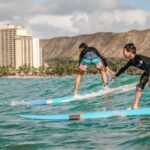
Next comes a land-based walkthrough focused on the mechanics: paddling and standing on your board. This part is short on purpose. In a beginner lesson, you don’t want a lecture. You want just enough structure so your first attempts have a correct shape and you can avoid bad habits early.
4) In-water coaching (about 1.5–2 hours)
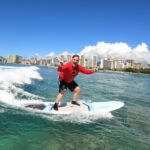
Finally, you head into the surf and start catching waves. The time split here is smart: your instruction isn’t just a theory session followed by one or two attempts. You spend the bulk of the lesson in the water so you can repeat movements, learn what changes success, and feel the rhythm of waves with real feedback.
If you’re worried about whether two hours is enough, the lesson length is actually on target for first-timers. It’s long enough to try multiple waves and adjust, but short enough that you’re not drained by the end.
The land demo that helps you stand up sooner
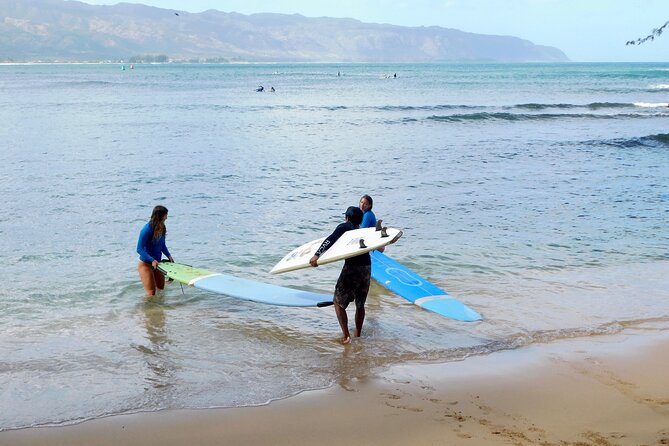
The land demo is a small section of time, but it’s one of the most valuable parts of this style of beginner lesson. When you’re staring at the water, it’s easy to freeze mentally. The land session helps you know what you’re trying to do before you’re balancing on a moving board.
You’re taught the basics of how to paddle and how to transition into standing. If you’ve ever felt overwhelmed by surfing advice online, this is exactly the antidote: a simplified, guided sequence that you can translate into action once you’re in the water.
The best part is that the lesson doesn’t treat the land demo as the main event. It’s explicitly a setup. Then you go right into the ocean to practice with a local instructor nearby.
Also worth noting: the experience includes a 100% guarantee to stand up and ride waves on your first day. That doesn’t mean the ocean will feel easy. It means the class is designed with enough coaching and time to help beginners achieve the core goal.
What it feels like to paddle and ride in the turtle zone
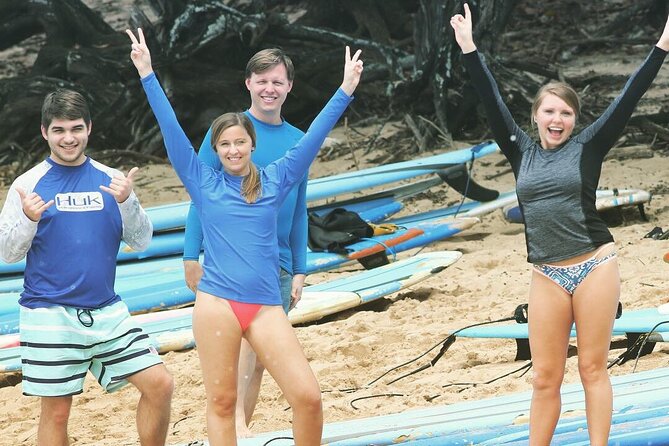
This isn’t a random surf break. The North Shore near Haleiwa is a famous place, and the experience leans into that authenticity in a practical way: you’re there specifically for beginner surfing plus Hawaiian green sea turtle sightings.
The instruction promise is clear—turtles are expected year-round—and that changes the tone of the lesson. Even when you’re focused on your next wave, you’re also aware that something special swims beneath the surface. That adds a layer of excitement that goes beyond the usual first-day photos.
A few extra wildlife moments show up in the overall experience as well. For example, one account describes dolphins cruising by. That’s not a guarantee like the turtle sightings, but it’s a reminder that wildlife is part of the North Shore experience, and your lesson happens right in that natural setting.
A real safety note: watch your step
The ocean can surprise you in small ways. One practical caution that comes up is being careful about stepping in the sand and surf area—specifically around sea urchins. You’ll have rashguard protection, but that doesn’t solve every ocean hazard. Use the instructor’s guidance on where to step and where to walk.
Surf lesson safety includes two layers: what to do on the board and what to do on land around the waterline. Paying attention to both is how beginners avoid the uncomfortable surprises.






Instructors who keep it calm and focused
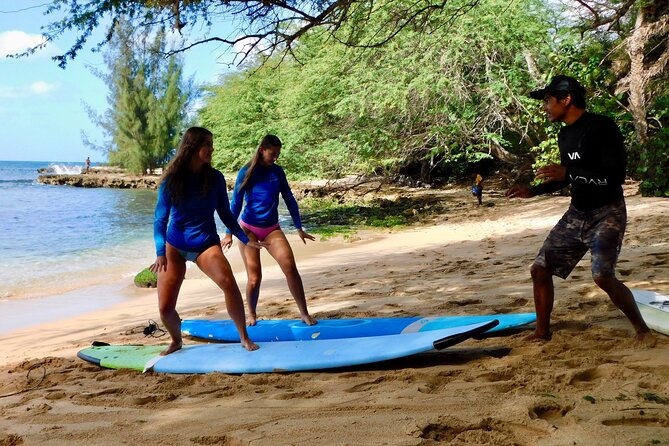
For a beginner, the instructor style can make or break the day. You want someone who can explain clearly, but also someone who doesn’t drown you in information while you’re trying to balance.
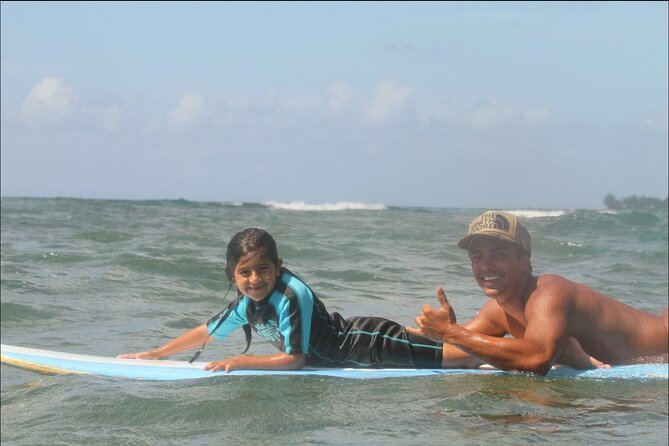
The consistent theme in this experience is patient, attentive coaching. Names that come up include Kekai, and in some sessions you may also work with Koa or Kia. In one family-focused experience, multiple instructors were present, and the coaching helped kids get up quickly.
What stands out in the reports is how the lessons stay active. One key point people repeat is that the instructor doesn’t stall the session with long waits. After the basics, the goal is to get you back into the water so you can start trying right away.
This matters because beginners learn by doing. You can understand paddling at 100% while standing on land—and still struggle when your board is moving and a wave is pushing you. Good instructors help you connect the dots fast.
Included gear and what to bring (so you feel ready)
This experience provides the main surfing setup: surfboard, leash, and rashguard. Water is included too. That’s a strong value element because it removes friction. You’re not trying to rent the right board size or scramble for protective clothing at the beach.
You should still plan to bring the personal stuff you’d want for any beach activity, but the exact list isn’t provided. What you can count on is the lesson gear itself.
Why the provided rashguard helps
A rashguard isn’t just comfort. It reduces skin irritation from board movement and surf conditions, and it makes it easier to stay in the water without constantly thinking about rubbing and chafing. Since rashguards are included, you can show up without hunting down the right one.
Price and value: is $150 for two hours a fair deal?
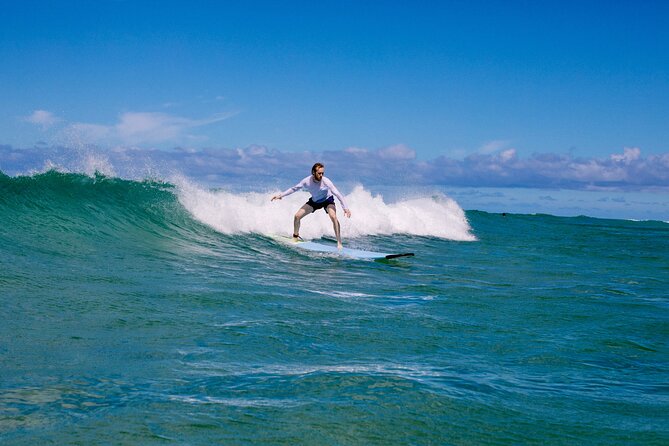
At $150 per person for about 2 hours, it’s not a bargain-basement activity. But it may be a good value if you measure it against what you’re actually getting:
- A focused beginner setup with a structured progression (safety → land demo → long in-water practice)
- Provided equipment (board, leash, rashguard) so you don’t pay extra or guess wrong
- A local instructor who works with you in the ocean, not just an overview on the beach
- Wildlife sightings that are part of the experience, especially green sea turtles year-round
- A private-group setup where only your group participates, which usually means less waiting and more attention
Also, the lesson is typically booked about 27 days in advance on average, which signals demand. Popular surf areas can mean you need to plan ahead, and booking earlier gives you better odds of fitting your schedule.
Is it expensive? Compared to a casual beach day, yes. Compared to a guided, instructor-led beginner surf lesson that includes equipment and sustained time in the water, it’s in line with what serious instruction tends to cost.
Who should book this lesson, and who should pause
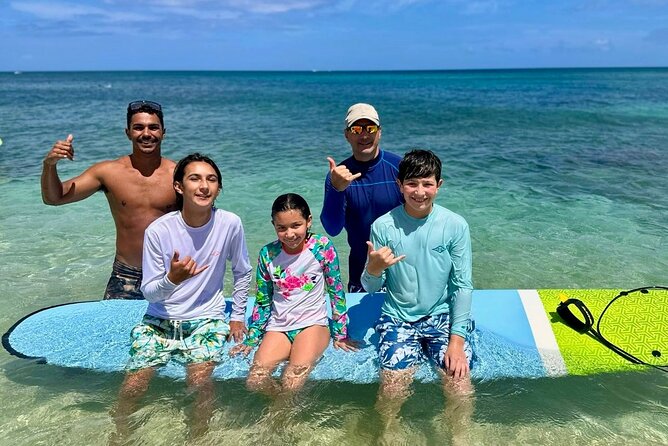
This lesson is designed for beginners, and most people can participate. If you’ve never surfed before, this structure is a great match because you’re taught safety and technique in a logical order and then you practice immediately.
It’s also a solid option for families. One report describes kids around 8 and 10 years old doing well, and another mentions kids enjoying the experience from start to finish. If you’re bringing children, it helps that instructors can adapt and keep the mood friendly.
When you should reconsider
If you don’t like water-based activities, or you’re dealing with medical concerns related to ocean conditions, you might want to check first before committing. This is also a barefoot-risk area in the sense that stepping hazards exist, so you’ll want to listen closely to guidance around walking surfaces.
Also, note what’s not included: food and drinks. If you tend to get hungry after being active, plan for a snack or meal before or after.
Practical questions you’ll want answered before you go
This is an English-offered activity, and you should get confirmation at the time of booking. It uses a mobile ticket, and it’s close to public transportation, which can make it easier if you’re not driving.
It’s also built as a private tour/activity, meaning only your group participates. That can help first-timers feel less exposed while they’re learning.
Should you book this North Shore beginner surf lesson?
Book it if you want a lesson that keeps moving: gear up, safety first, a quick land demo, then lots of in-water practice. If turtles are high on your Oahu wish list, this is also a strong fit because the experience includes a turtle sighting guarantee year-round.
Skip it only if you’re looking for a low-effort, casual beach day. This is more like a guided skill session in the ocean. For beginners, that’s exactly what you want.
If you’re on your first trip to the North Shore and you want a real start—something you’ll feel in your muscles by the end of the day—this setup is a smart, efficient way to do it.
FAQ
How long is the beginner surf lesson?
It lasts about 2 hours.
Where does the lesson start?
You start at Puaʻena Point Beach Park (Kahalewai Pl, Haleiwa, HI 96712, USA), and the activity ends back at the meeting point.
What surf gear is included?
The experience includes a surfboard, leash, and rash guard, plus water.
Is instruction provided for beginners?
Yes. You’ll receive beginner instruction, including surf safety and etiquette, a land demo for paddling and standing, and coaching in the surf.
Are Hawaiian green sea turtles part of the experience?
Yes. There is a guarantee to see Hawaiian green sea turtles year-round.
Is this a private lesson?
Yes. It’s a private tour/activity, so only your group participates.
Can I get a full refund if I cancel?
Yes. You can cancel up to 24 hours in advance for a full refund (no refund if you cancel less than 24 hours before the start time).
![Pearl Harbor [Early Access], USS Arizona & Historic Honolulu Tour - Hotel Pickup in Waikiki and How the Day Flows](https://cdn.honolulu-city.com/wp-content/uploads/pearl-harbor-early-access-uss-arizona-historic-honolulu-tour-400x266.jpg)