REVIEW · HELICOPTER TOURS
From Honolulu: Oahu 60min Helicopter Tour with Doors Off/On
Book on GetYourGuide →Operated by Rainbow Helicopters · Bookable on GetYourGuide
Oahu looks different from the sky. This is a guided Honolulu helicopter tour that loops around the island with your choice of doors on or doors off, so you can trade airflow and views for a more enclosed ride. You’ll fly past landmarks that are famous from the ground, but look totally new from above.
My favorite part is the way the flight turns into a real mini tour, not just scenery. Guides such as Emma and Oliver called out what you’re seeing while the pilot set up the view so both sides of the helicopter had moments worth looking at. I also love that you get a full mix in one hour: Waikiki and Diamond Head, the windward cliffs, Kaneohe Bay, and the North Shore, then the military history around Pearl Harbor.
Here’s the main consideration: at $440 per person for 60 minutes, you’ll want to be clear on what you’re paying for—time is fixed, and if you book doors off, your seat may or may not sit right beside an open door. It’s still a top-tier experience, but it helps to know the tradeoffs before you step in.
Key things that make this flight worth your attention
- Doors on or doors off: choose the feel, not just the photos
- Live guided commentary: guides like Emma and Sabastian keep landmarks straight
- Iconic views in one loop: Waikiki, Diamond Head, Makapuʻu, Kaneohe Bay, North Shore
- Pearl Harbor from above: a direct aerial look at the USS Arizona Memorial area
- Pilots actively manage sightlines: turns help both sides get major landmarks
- Weight rules for doors off: your options depend on aircraft and passenger weight
In This Review
- How the Honolulu-to-Oahu Loop Feels Different With Doors On or Off
- From Castle & Cooke at Honolulu Airport to Takeoff Time
- Waikiki and Diamond Head: The Quick Reality Check From Above
- Makapuʻu Point and the Koʻolau Range: Windward Views That Explain the Island
- Lanikai, Kaneohe Bay, and the Chinaman’s Hat: Where the Colors Feel Different
- Kaʻaʻawa Valley and Sacred Falls: Kings, Waterfalls, and Green Terrain
- North Shore: Surfers at Banzai Pipeline and the Wide-Open View of Waimea Bay
- Dole Plantation and the Return Toward Honolulu
- Pearl Harbor and USS Arizona Memorial From the Sky
- Doors Off Safety Rules and Aircraft Differences You Should Know
- What to Expect During the Hour: Turns, Height, and “See It All” Speed
- Price at $440: Is This One-Hour Helicopter Tour Actually Good Value?
- Who This Tour Fits Best (and Who Should Rethink It)
- Quick Final Check: Should You Book This Oahu Helicopter Tour?
- FAQ
- Where is the meeting point for the tour?
- What time should I arrive?
- How long is the flight?
- Can I choose doors on or doors off?
- Is there a live guide during the flight?
- Are there phone options or protection provided?
- Are there weight restrictions for the doors-off option?
- Is the tour suitable if I’m planning to scuba dive soon?
How the Honolulu-to-Oahu Loop Feels Different With Doors On or Off
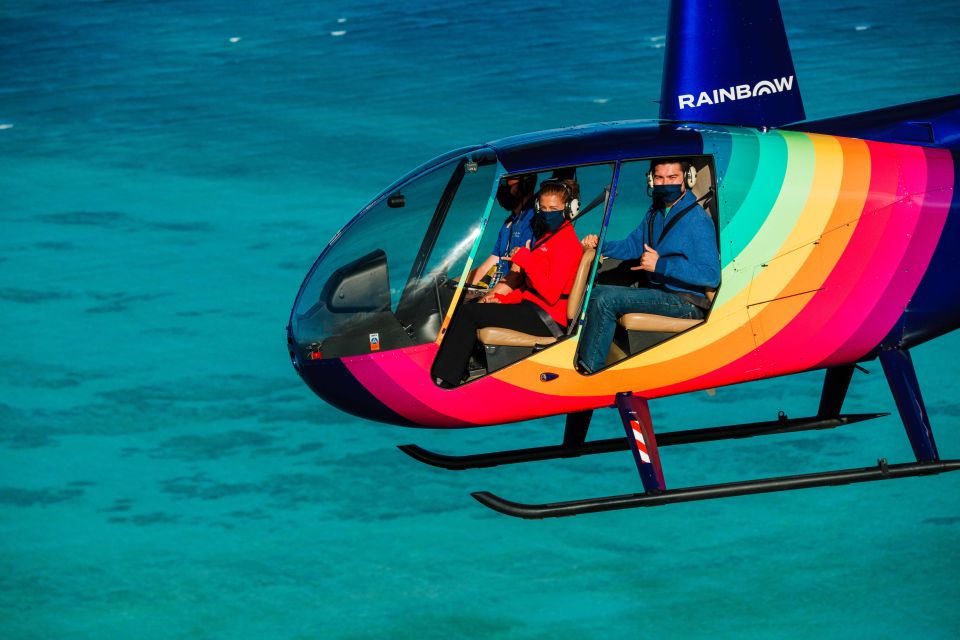
This tour is built for variety. In one hour you’re not just circling the same stretch of coast—you’re moving across Oahu’s main personalities. The volcanic craters and city beaches show up first, then the windward cliffs and rainforest feel more like another world, and finally you swing back toward Honolulu for the Pearl Harbor aerial moments.
Doors off is the headline choice for a lot of people. You feel the wind, you hear the helicopter more directly, and you get an unbroken view of the drop. One reviewer described how it could feel a bit scary when the helicopter banks and you’re looking down, but the overall reaction was still that it’s a “glad I did it” moment. If you choose doors on, you trade some drama for comfort and a calmer ride.
From Castle & Cooke at Honolulu Airport to Takeoff Time
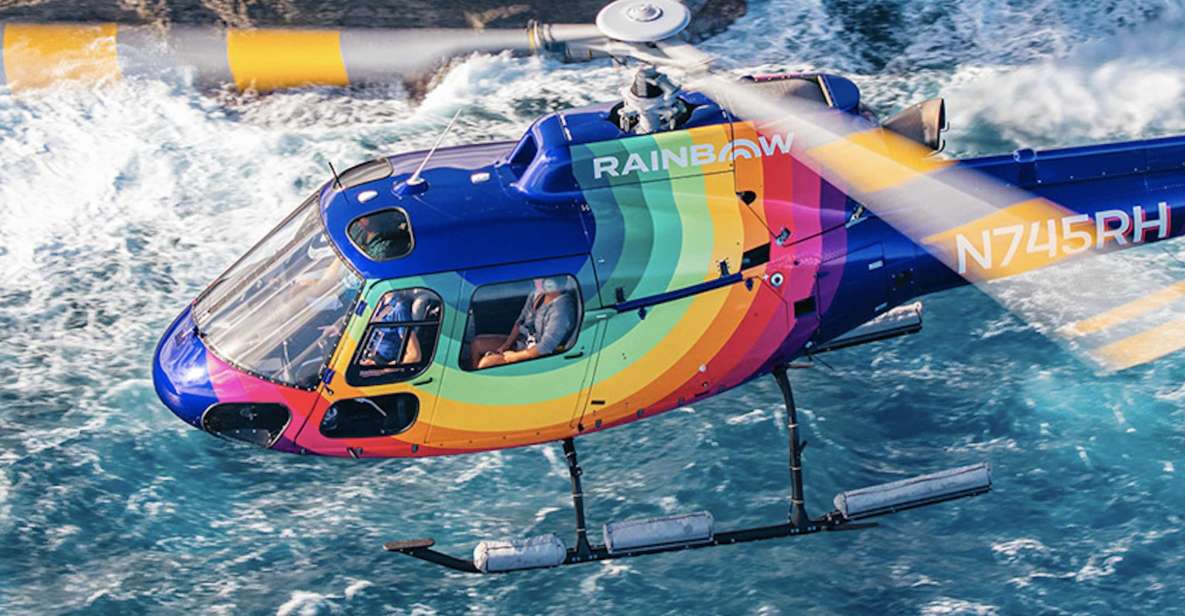
Check-in is straightforward but you need to show up early. You’ll meet at the Castle & Cooke Aviation building at Honolulu International Airport, and you should arrive 60 minutes before your scheduled flight for check-in and a required safety briefing.
They provide straps and cases for cell phones at the base, which is a small detail that matters if you’re hoping to keep your phone secure during turns. Bring what they ask for: a jacket, long pants, a hair tie (if you have long hair), and closed-toe shoes. Doors off makes wind protection feel more important than you’d expect.
Also note the basic rules: intoxication isn’t allowed. The operator can refuse service if someone appears intoxicated, and the charge can still apply. That’s not just for safety theater—it’s how these flights protect everyone onboard.
You can also read our reviews of more tours and experiences in Oahu



Waikiki and Diamond Head: The Quick Reality Check From Above
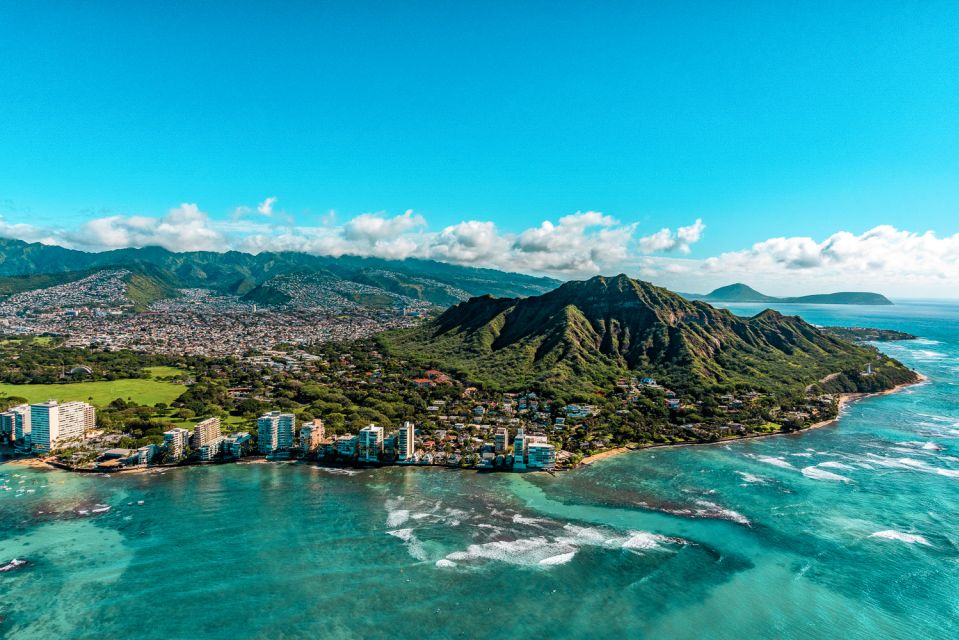
Your flight starts with Honolulu-area sights, and Waikiki is often your first “wait, that’s really Oahu” moment. From above, you can see the coastline shape and how the hotels, beach areas, and Diamond Head line up in relation to the rest of the island.
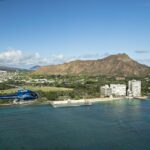
Diamond Head is the next stop on your mental hit list. From the air, you can understand why it’s such a landmark: it’s not just a hill near the city—it’s a volcanic backdrop that frames the whole southern shoreline. If you’re arriving in Honolulu soon, this is also a good way to orient yourself. You’ll start recognizing roads and coastlines you’ll later drive past.
Makapuʻu Point and the Koʻolau Range: Windward Views That Explain the Island
After Waikiki and Diamond Head, you angle into the windward side, where the Koʻolau Range becomes the main character. The tour heads toward Makapuʻu Point and the cliffs that rise fast from the ocean.
This is where the helicopter perspective really earns its keep. On the ground, you get viewpoints from certain angles. From the sky, you see how deep the valleys cut and how the coastline keeps bending away. Passing this stretch gives you a strong sense of scale—Oahu isn’t flat, and the “green” you see from the highway has real terrain behind it.
Lanikai, Kaneohe Bay, and the Chinaman’s Hat: Where the Colors Feel Different

As you continue along the windward coast, Lanikai Beach shows up with the kind of water clarity that’s hard to fully capture on a phone. You also see coral formations along the shoreline, which helps explain why Lanikai is such a frequent recommendation for snorkeling and beach lovers.
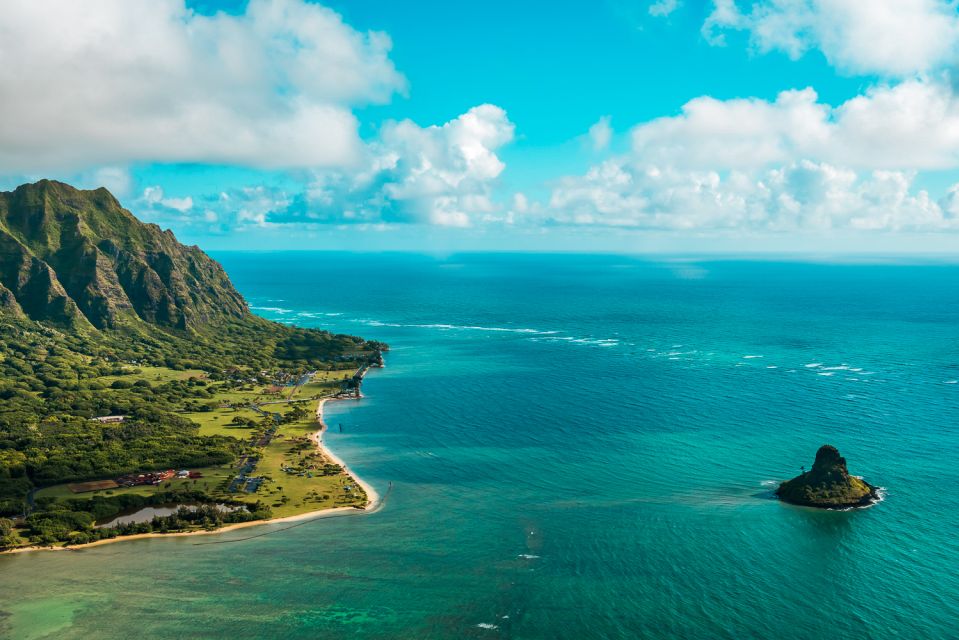
Then comes Kaneohe Bay, one of those places that looks scenic on maps but becomes downright impressive from above. You can trace the bay’s shape, spot where the land meets the water, and see why this area is often described as one of the island’s most photogenic views.
Off the east coast, you’ll pass Chinaman’s Hat, a small rock feature that stands out immediately once you see it from the air. It’s the kind of landmark that seems simple from the waterline, but from above it becomes a clear reference point for the geography of the coast.
Kaʻaʻawa Valley and Sacred Falls: Kings, Waterfalls, and Green Terrain

Next, the tour swings toward Kaʻaʻawa Valley, described as the historic home of the island’s kings. This is the kind of stop where the helicopter viewpoint adds context. Instead of only seeing a valley from a distance, you see how it sits between hills and how the terrain guides the route.
You’ll also spot the Sacred Falls area and the lush rainforest around it. From the air, you can pick up how dense the greenery is along the slopes, and how water and vegetation share the same space. Even if you’ve seen rainforest photos before, the aerial angle makes it feel more “real” in terms of scale.






North Shore: Surfers at Banzai Pipeline and the Wide-Open View of Waimea Bay
As you reach the North Shore, the scenery shifts again. You may spot surfers at the well-known Banzai Pipeline, where wave action is part of the island’s identity. From above, you can also see how surf breaks relate to shoreline shape—information you won’t get from a single beach vantage point.
You’ll then head toward Waimea Bay, which is famous for its dramatic coastline and strong visual presence. From the sky, you can see the bay’s broad curve and how the water color changes along the coast. This is one of the best sections for photo planning because the helicopter’s path gives you quick “left side, then right side” chances when the pilot makes turns.
Dole Plantation and the Return Toward Honolulu

On the way back, the tour gives you an aerial peek at the Dole Plantation area. This is a lighthearted beat in the flight, a reminder that Oahu’s agriculture and tourist highlights sit alongside the bigger natural features you’ve been seeing.
Then you loop back toward Honolulu with another wave of city-and-coast views. If you’re trying to decide where to spend more time later, this return segment helps you sort out what looks most compelling from the air versus what just seems famous from brochures.
Pearl Harbor and USS Arizona Memorial From the Sky

One of the most powerful parts of the itinerary is the approach toward Pearl Harbor and the USS Arizona Memorial. From above, you get a clear layout of the harbor area and the memorial’s position in relation to the water.
This is the kind of moment where you’ll likely stop thinking about photos and just watch for a minute. The aerial view doesn’t replace visiting the site on foot, but it does help you grasp the geography quickly—why the harbor is positioned the way it is and how the surrounding coastline frames the memorial area.
Doors Off Safety Rules and Aircraft Differences You Should Know
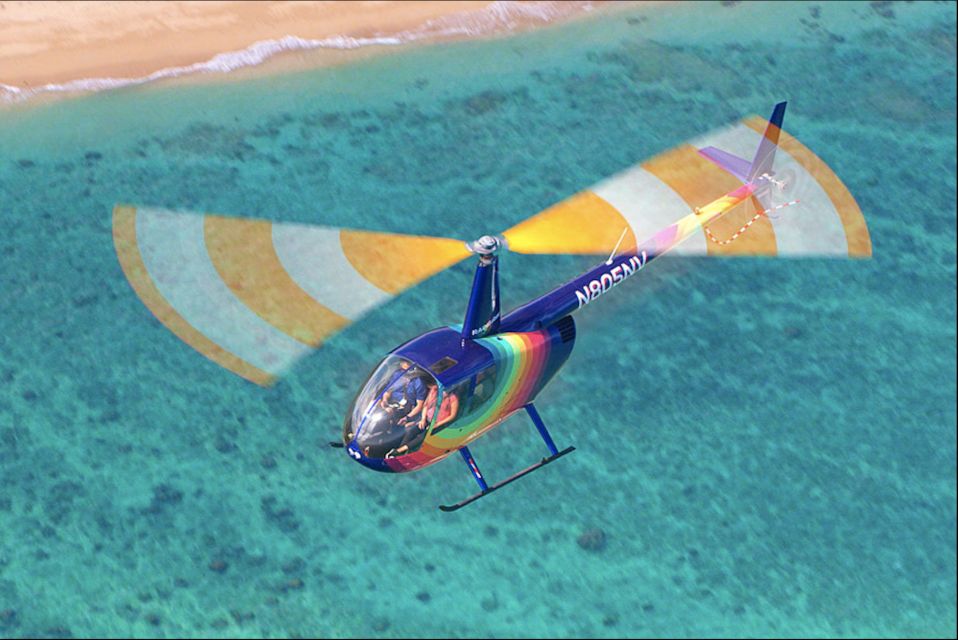
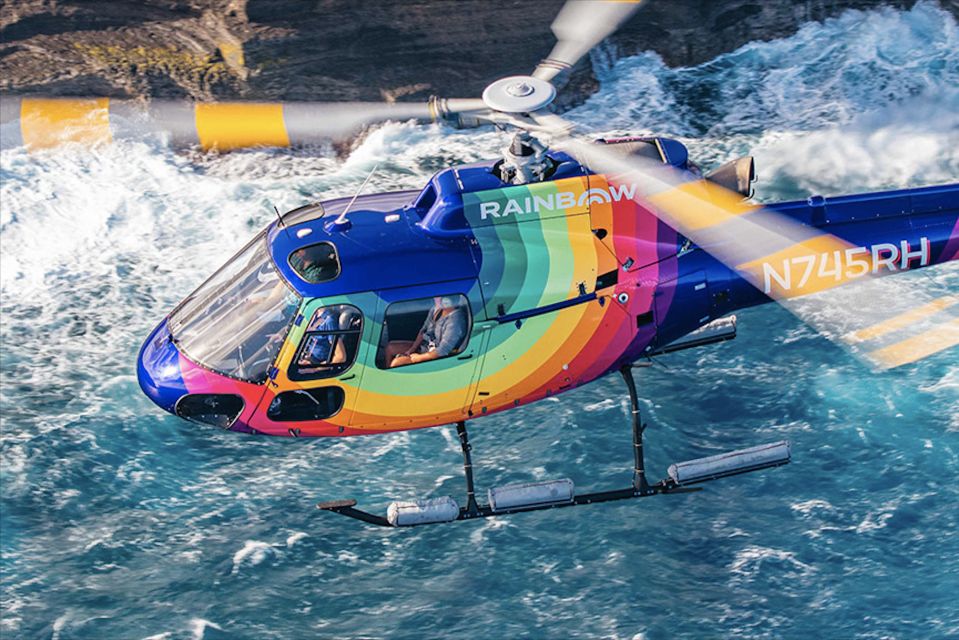
If you’re choosing doors off, pay attention to the weight rules. The experience notes that only passengers weighing 80 lbs (36 kg) or more may fly with the doors off in a Robinson R44 helicopter, and only passengers weighing 100 lbs (45 kg) or more may fly with the doors off in an Airbus Astar. That’s not a suggestion—it’s tied to safety configuration.
There are also weight-and-balance fees for heavier passengers. For guests weighing 260 lbs (118 kg) or more, the operator requires a weight and balance fee. For those between 260–279 lbs, the fee is listed as 50% of the seat price after booking, and for 280 lbs or higher, an additional seat purchase may be assessed after booking. If you’re close to these ranges, it’s worth confirming when you book so you don’t get surprised later.
One more practical detail: when booking doors off, your seat may or may not be directly adjacent to an open door. If your goal is maximum wind-and-edge views, it’s smart to ask ahead how seating is assigned.
What to Expect During the Hour: Turns, Height, and “See It All” Speed
The tour is about 1 hour, which is long enough to feel like you completed a loop, but short enough that it stays energy-friendly. You’re not doing multiple long transfers across the island, which is a big part of the value. Instead, you watch Oahu’s key regions connect in real time.
You’ll get live guided tour commentary in English, and this is one reason the flight feels like more than just a ride. Guides such as Kerry, Kyle, and Sabastian are known for pointing out landmarks and offering context while the pilot handles the route.
There’s also a “photo rhythm” you’ll notice. When the pilot sets up major sights, they create the kind of turns that let both sides of the helicopter catch the landmark. One reviewer specifically noted that the pilot made turns so both sides had good views, which is exactly what you want on a shared flight.
Price at $440: Is This One-Hour Helicopter Tour Actually Good Value?
At $440 per person, this isn’t a bargain. The right question is whether you’re buying time, access, and perspective.
Here’s the value logic I see: you’re paying for a single guided flight that strings together high-demand stops that would otherwise require multiple day trips, separate tickets, or long drives with limited viewpoints. In one hour you get coastal variety, North Shore highlights, and the Pearl Harbor/USS Arizona Memorial aerial area—without transferring cars or searching for parking.
That said, it’s also a premium flight, and you should be honest about what you want. If you care most about one or two sites—say Pearl Harbor only—this might feel expensive. If you want the “whole island at once” effect, then the price starts to make sense.
The doors-off option is where many people feel the most “worth it.” It adds an emotional punch to the views, especially during turns when you’re looking outward and down.
Who This Tour Fits Best (and Who Should Rethink It)
This is a strong match for:
- First-time visitors who want a quick “map in your head” for Oahu
- People who like photography and want angles you can’t replicate from beaches
- Anyone who wants a guided overview with live commentary rather than unguided sightseeing
- Couples and honeymooners; this tour is often booked for special moments, and the whole experience is built around welcoming you safely onboard
It may be less ideal for:
- People who want long time at each sight rather than a fast, aerial circuit
- Anyone who doesn’t like the idea of a fixed 60-minute schedule
Also, the experience is listed as wheelchair accessible, and private group options are available if you want a more tailored pace for your group.
Quick Final Check: Should You Book This Oahu Helicopter Tour?
If you want the classic Oahu highlights connected in one loop—Waikiki, Diamond Head, Makapuʻu, Kaneohe Bay, the North Shore, and Pearl Harbor—this 1-hour Honolulu helicopter tour is one of the most efficient ways to do it.
I’d book it if you’re comfortable paying for a premium experience and you’re excited about doors on/off variety. Skip it if you’re price-sensitive and only care about a single site, because you’re paying for the full island sweep.
With a 4.9-star average from 340 reviews, the consistent theme is that the guides keep the flight fun and informative, and the views deliver. If that’s what you’re after, you’ll likely feel the same.
FAQ
Where is the meeting point for the tour?
You’ll meet at the Castle & Cooke Aviation building at Honolulu International Airport.
What time should I arrive?
Plan to arrive 60 minutes before your scheduled tour time for check-in and a mandatory safety briefing.
How long is the flight?
The tour duration is 1 hour.
Can I choose doors on or doors off?
Yes. You can choose the doors-on or doors-off experience.
Is there a live guide during the flight?
Yes, you’ll have live guided tour commentary in English.
Are there phone options or protection provided?
Yes. Straps and cases for cell phones are provided at the base.
Are there weight restrictions for the doors-off option?
Yes. The doors-off eligibility depends on the helicopter type and passenger weight. The tour notes minimum weights for Robinson R44 and Airbus Astar aircraft, plus weight-and-balance fees for guests 260 lbs and above.
Is the tour suitable if I’m planning to scuba dive soon?
If you plan to scuba dive within 24 hours of the flight time, you may not take part.