REVIEW · NATIONAL PARKS
Hawaii Volcanoes National Park Experience Departing from Oahu
Book on Viator →Operated by Hawaii Island Experiences, LLC · Bookable on Viator
Volcanoes in one long day is the idea. This Oahu-to-Kona day trip strings together Hawaii Volcanoes National Park with coffee-country stops and a black sand beach visit, all packed into about 12 hours. You get a local guide and a true Big Island feel, with around 8+ hours out on the ground chasing big scenery and real geology.
I especially like that your day includes roundtrip airfare to Kona International Airport plus ground transport in an air-conditioned vehicle. I also like the local guide narration, which turns each stop into a story about land, culture, and how the island is still changing.
One consideration: it’s a long day with lots of time in the van, and depending on conditions you may not catch the exact lava moment you hope for. Bring layers and a patient mindset for getting from place to place.
In This Review
- Key highlights that make this tour worth your time
- Oahu to Kona flights: the smart way to buy one Big Island day
- Greenwell Farms: Kona coffee with real volcanic context
- Manuka State Wayside Park: a short trail that teaches big island ecology
- Punaluʻu Bake Shop for lunch snacks, then black sand beach for the wow
- Hawaii Volcanoes National Park: what you see in about 2 hours
- Mauna Kea Access Road: the altitude shift you’ll feel
- Kohala Coast and Hilo: dry views, then culture and history
- Why guides like Mel, Henry, and Brandon can make or break the day
- Price and value: what $589.99 really covers
- Packing tips and timing: avoid the common mistakes
- Should you book this Oahu-to-Kona volcano day trip?
- FAQ
- What does the tour include for flights?
- How long is the experience?
- Where do I meet for pickup?
- Is transport provided on the Big Island?
- Is admission to Hawaii Volcanoes National Park included?
- Are meals included?
- What should I bring for the park and higher elevations?
- Will I have cell phone service in the park?
- Is the tour safe for people with respiratory issues?
- What is the cancellation policy?
- What group size should I expect?
Key highlights that make this tour worth your time
- Roundtrip flights from Oahu to Kona make it easier than renting cars and juggling connections
- 8+ hours on the ground gives you time to actually walk, look, and ask questions
- Volcanoes National Park stops cover visitor center orientation, Kīlauea Iki views, Thurston Lava Tube, and steam vents
- Kona coffee at Greenwell Farms connects the climate and volcanic soil to what you’re tasting
- Punaluʻu Bake Shop + Black Sand Beach mixes lunch treats with a turtles-and-basalt kind of coastline
- Small group (max 22) helps keep the pace human and the attention on you and your questions
Oahu to Kona flights: the smart way to buy one Big Island day
You’re starting from Oahu, but the tour is set up so you’re not stuck driving across islands or repacking for multiple overnights. The big win is that your roundtrip airfare to Kona International Airport is included, and you’re transported by the tour team on the ground in between.
The day runs about 12 hours, starting with a Kona pickup at 8:00 am. That means you should expect an early-feeling morning and a tight schedule, especially if your flight timing shifts. The positive side is that you’re not spending your limited time in Big Island airports or trying to figure out parking.
Group size is capped at 22 travelers, and that matters more than it sounds. Smaller groups typically move through stops with fewer bottlenecks, and you get more room to ask your guide what you’re seeing instead of just staring out the window and hoping the facts stick.
You can also read our reviews of more tours and experiences in Honolulu.


Greenwell Farms: Kona coffee with real volcanic context
The first stop is Greenwell Farms in the Kona district. This place traces back to Henry Nicholas Greenwell, who established the farm in 1850, making it one of Hawaii’s older coffee properties. You’re not just touring a coffee brand. You’re stepping into a system shaped by volcanic land.
What you’ll notice right away is the setting on the slopes of Mauna Loa. The farm’s story is built around consistent weather patterns—sunny mornings, cloud-covered afternoons, and rainfall—plus fertile volcanic soil. Translation for you: this is a stop that helps you understand why Kona coffee has a reputation for quality beyond just marketing.
The admission here is free, and you get about 30 minutes. Use it like a tasting warm-up. Look closely at what’s growing and how the farm fits the terrain, then carry that thinking with you into the rest of the day. It makes the later volcano stops hit harder, because you start connecting soil, water, and plant life to what’s happening underground.
Practical tip: coffee farms can be warm in the sun but cooler once you move toward shaded areas. I’d bring a light layer even if the morning is sunny.
Manuka State Wayside Park: a short trail that teaches big island ecology
Next you head to Manuka State Wayside Park, a quiet 13-acre spot on the Big Island along Hawaii Belt Road (Highway 11). This is a breather stop, but it’s not a boring one. The park sits on the slopes of Mauna Loa and includes both wet and dry forest ecosystems in a compact area.
You’ll walk the Manuka Nature Trail, about 2 miles, with interpretive signs along the way. That means you can read and look at the same time—useful when your guide is explaining how volcanic landscapes shape habitat. The park is also known for native Hawaiian plants and wildlife, including endemic birds like the Hawaiian hawk and honeycreeper (you might not spot them, but the park’s value is that it’s designed to protect what lives there).
This stop is about 30 minutes. That sounds short, but on a day this packed, a short trail is a smart choice. It gives you feet-on-ground time without sacrificing your volcano focus. I like these smaller nature stops because they keep the story moving: coffee and forests now, basalt and steam vents next.
Punaluʻu Bake Shop for lunch snacks, then black sand beach for the wow
The tour then stops at Punaluʻu Bake Shop in Naʻālehu. A few details make this place more than a quick bite. It opened in 1991, and it’s famous for traditional Hawaiian sweet breads in flavors like taro, guava, and mango. It also has a gift shop and a garden, and the stop is framed around sustainability.
There’s about 30 minutes here, and this is also where you stop for lunch. Meals are at your expense, but the shop offers a range of options—sourdough sandwiches, Kalbi beef, and Hawaiian plate lunches, plus baked treats. One practical thing: bring cash if you want snacks from roadside stands and local shops, since some places are cash-only.
After you eat, you head to Punaluʻu Black Sand Beach. This is the kind of stop you remember later because it’s so visually specific. The black sand comes from volcanic basalt, and the beach is lined with coconut palms. It’s also a known spot for Hawaiian green sea turtles that often rest along the shore.
One key reality check: the water can be rough, so it’s not a go-for-a-swim beach. Use it for views, turtle-spotting, and learning why volcanic rock makes this coastline look the way it does.
Practical tip: if you want photos of turtles, be patient and keep your distance. You’re visiting a living coastal habitat, not a prop set.
Hawaii Volcanoes National Park: what you see in about 2 hours
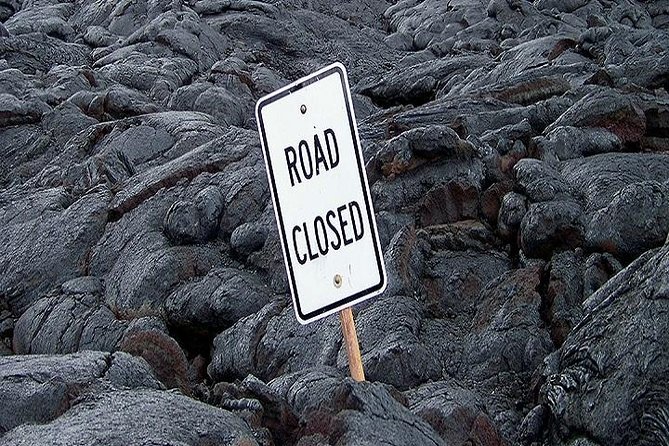
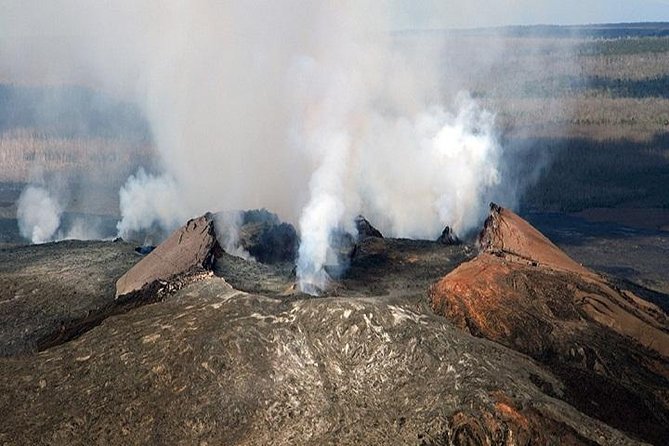
This is the centerpiece: a visit to Hawaii Volcanoes National Park with around 2 hours scheduled. You start with a visitor center orientation, which is worth it because volcano terms can feel abstract until you’re standing in the right spots.
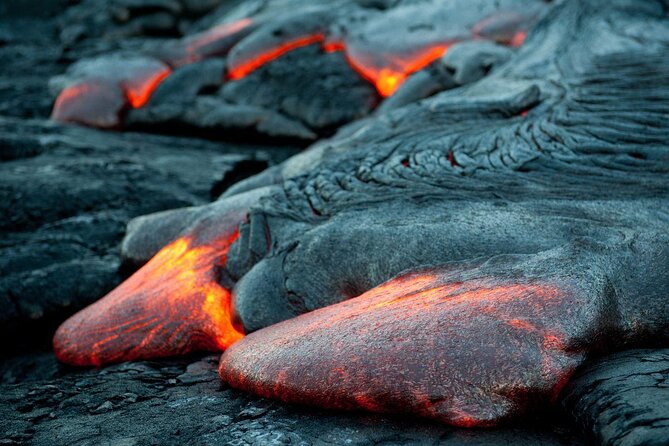
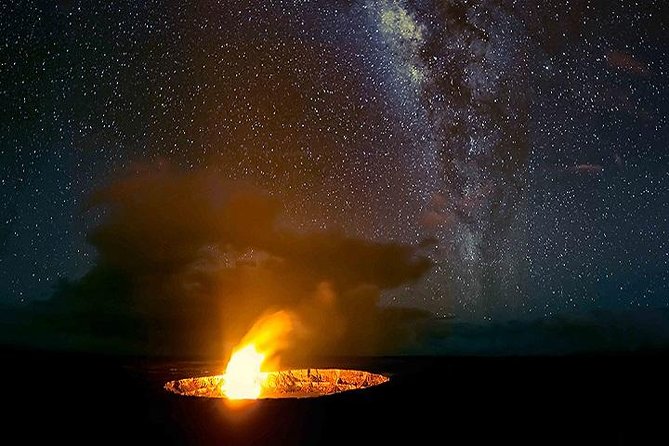
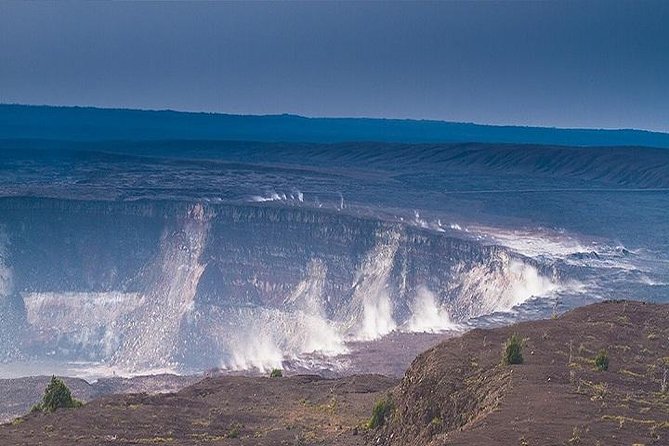
From there, you’ll visit Halemaʻumaʻu Crater, known for dramatic activity like a glow from molten lava. The exact show can vary day to day, so don’t build your plan around one single lava moment. Instead, think of this as an on-the-ground lesson in how Kīlauea’s activity reshapes the island.
Next comes Kīlauea Iki Rainforest Lookout. This stop gives you contrast: a lush rainforest setting wrapping around a massive crater area tied to past eruptions. It’s a reminder that the island doesn’t just destroy—it also rebuilds life.
Then you head to Thurston Lava Tube. Walking through a lava tube is one of those “how did this happen?” moments. You’re moving through a natural tunnel formed by flowing lava, and your guide can point out how rock behaves when molten material moves and then cools.
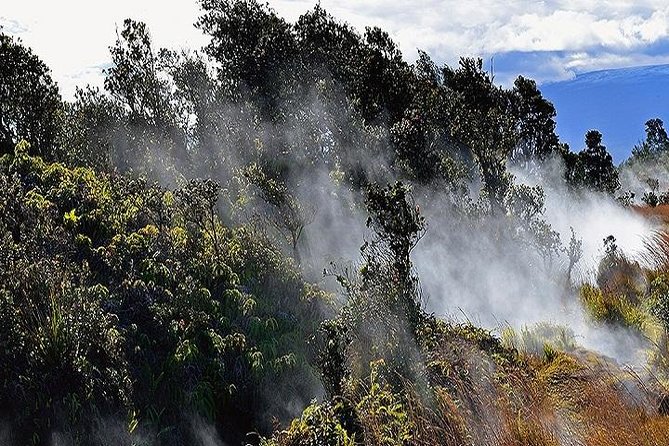
Finally, you’ll visit active steam vents. This part is intense in a different way: you feel the heat rising from the earth. You’re also in an active volcanic zone, so follow safety guidance closely.
Safety notes matter here. Volcanic gases can be harmful, especially for people with respiratory issues. If you’re sensitive to sulfur dioxide, talk with your doctor before you go, and be ready to step back if your guide recommends it. Also expect limited cell service, so download maps or take screenshots ahead of time if you rely on your phone.
Mauna Kea Access Road: the altitude shift you’ll feel
After the core volcano area, the tour includes time along Mauna Kea Access Road, starting from Saddle Road (Route 200) and climbing toward the summit. This road is steep and winding, and you’ll pass through different climate zones as you go higher—starting with grassier conditions, then moving into more barren volcanic terrain.
Two things to prepare for: thinner air and colder temperatures. You don’t need to “train” for this, but you do need to dress for it. The tour notes strongly suggest bringing layers and a rain jacket, since weather changes quickly at higher elevations.
If you’re prone to feeling lightheaded at altitude, pace yourself. Take breaks when you can and drink water if you feel symptoms. This part of the day can surprise you if you only packed for beach weather.
Kohala Coast and Hilo: dry views, then culture and history
The tour also includes stops for Kohala Coast scenery and then Hilo.
The Kohala Coast is known for dry-weather conditions compared to other parts of the island. That matters because your eyes get a break from wet forest and steaming vents. It’s also a coast with beaches and luxury resorts, so expect scenic viewpoints and more of that open-sky feeling.
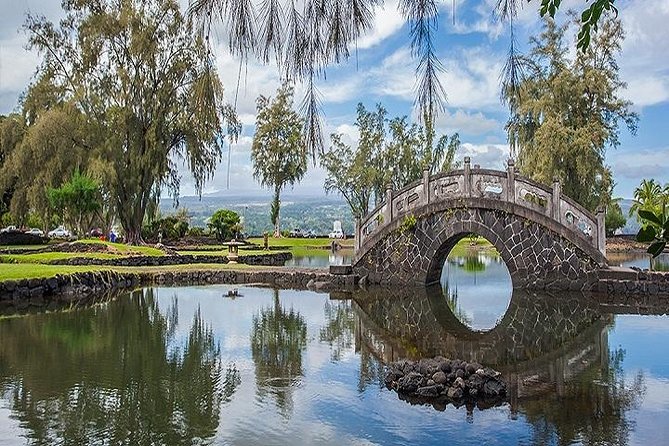
Then you head to Hilo, which is a strong cultural contrast to the lava zones. You’ll pass through areas connected to Hawaii’s story and local museums and memorials, including the Lyman Museum, the Hilo Historic District, and the Pacific Tsunami Museum. You’ll also visit Liliuokalani Gardens, which honors Queen Liliuokalani. If you’re there around the right time, the Hilo Farmers Market can add a modern local touch with fresh goods and local vendors.
Even though meals aren’t included, Hilo can be a good place to find dinner because it’s a working town, not a resort bubble. I’d keep an eye on your timing so you’re not rushing while everyone else is deciding what to eat.
Why guides like Mel, Henry, and Brandon can make or break the day
A day like this lives and dies on your guide, and the reviews behind the scenes point to consistent strengths: strong storytelling, humor, and lots of practical explanations.
Guides you may meet include people like Mel, Henry, Brandon, and Jim. Across different days, the pattern is the same—your guide keeps the group together, explains what you’re seeing (not just where to stand), and answers questions. One of the best parts of a guided volcano day is that you’re not just looking at smoke and rock. You learn what’s happening beneath the surface and how island history connects to living culture today.
Another theme: guides can sometimes adjust timing if conditions allow. You might get lucky with lava-related moments, or you might simply get the best possible viewpoints available that day. Either way, a good guide helps you “read” the island so it still feels like a win.
This tour can feel like a lot of driving. The upside is that a great guide turns that van time into moving education. The downside is you won’t be hopping out constantly to stretch. You’ll want comfortable clothes, water, and something to keep you alert for the afternoon.
Price and value: what $589.99 really covers
At $589.99 per person, this isn’t a cheap day trip. But the way it’s packaged makes the value math clearer than a typical “bus tour” price.
You’re paying for:
- Roundtrip airfare between Honolulu and Kona (a major cost driver)
- Inter-island airport-to-vehicle logistics handled as part of the experience
- Transport in an air-conditioned vehicle
- Hawaii Volcanoes National Park admission
- Local guide narration across multiple stops
What you’re not paying for:
- Getting yourself to Honolulu airport (transport to the departure airport isn’t included)
- Meals (lunch is an opportunity at Punaluʻu Bake Shop, but you pay for what you choose)
- Personal tips for your guide (tipping in cash is appreciated if you enjoy the experience)
For value seekers, the biggest reason this can be worth it is time. If you’re based on Oahu and only have one Big Island day, you’re effectively buying flight access plus a guided itinerary built around major natural highlights. You save the hassle of planning and coordinating multiple legs yourself.
Packing tips and timing: avoid the common mistakes
This tour runs in multiple climates and altitudes. That’s the real reason to pack like you’re doing layers, not like you’re going to one beach.
Bring:
- Sturdy closed-toe shoes for uneven, sharp volcanic terrain
- Layers, including a rain jacket since weather can shift quickly
- Water, snacks, sunscreen, and a hat (park services can be limited)
- Cash for roadside stands and local shops that may be cash-only
- If you’re sensitive to bugs, consider bug spray within airline rules
Also plan for limited connectivity. Cell service can be spotty or nonexistent in parts of the park, so don’t rely on real-time maps.
A small but important mindset shift: this isn’t a leisurely day with long stays at every stop. You’ll see a lot, then move. That can be ideal if you want a sampler of the island’s best hits, but it means you should set expectations that not every stop will feel like a full half-day.
Should you book this Oahu-to-Kona volcano day trip?
Book this tour if you:
- Want a Big Island volcano experience without spending days setting up logistics
- Prefer a guided day with narration instead of self-driving
- Like getting both geology and culture in one shot, from coffee farms to steam vents to Hilo history
- Appreciate a small group pace (max 22) and plan to ask questions
Skip it or adjust expectations if you:
- Hate long days and lots of van time
- Are very altitude-sensitive and aren’t comfortable with cold, thinner air on the way to Mauna Kea Access Road
- Have respiratory concerns related to volcanic gases (talk with your doctor and follow safety guidance during vents and crater areas)
If your goal is to make one day count on the Big Island, this is one of the more efficient ways to do it. You’re paying for access, guidance, and airfare, and the payoff is a full plate of places tied together by the same theme: the island is alive, and you get to see how.
FAQ
What does the tour include for flights?
Roundtrip airfare to Kona International Airport from Honolulu International Airport is included.
How long is the experience?
It runs about 12 hours.
Where do I meet for pickup?
Pickup is at the lot behind Alaska Baggage claim B-2 at Kona International Airport.
Is transport provided on the Big Island?
Yes. You travel in an air-conditioned vehicle with transport included.
Is admission to Hawaii Volcanoes National Park included?
Yes. Hawaii Volcanoes National Park admission is included.
Are meals included?
Meals are not included. You stop at Punaluʻu Bake Shop for lunch, but what you order is your expense.
What should I bring for the park and higher elevations?
Bring layers, including a rain jacket, plus sturdy closed-toe shoes, water, snacks, sunscreen, and a hat.
Will I have cell phone service in the park?
Cell service can be limited or nonexistent in many parts of the park.
Is the tour safe for people with respiratory issues?
The area can have volcanic gases like sulfur dioxide, which may worsen conditions such as asthma. The tour notes this risk, so take safety guidance seriously.
What is the cancellation policy?
You can cancel up to 24 hours before the experience for a full refund. If you cancel less than 24 hours before, the amount paid isn’t refunded.
What group size should I expect?
This tour has a maximum of 22 travelers.