REVIEW · WALKING TOURS
The East Waikiki Walking Tour
Book on Viator →Operated by Hawai'i Walks · Bookable on Viator
Diamond Head starts with a short walk. The East Waikiki Walking Tour strings together WWII echoes, early surf-school history, and plant-and-animal spotting in about two hours. I like the small-group pace that makes it easy to ask questions, and I love the sustainability lens that turns Waikiki’s scenery into real-world context. The main drawback is simple: it depends on good weather and you’ll be on your feet most of the time.
This tour is led by guides who bring a serious academic approach to what you see, with expertise in Hawaiian flora, fauna, and history. You’re not just getting facts—you’re getting explanations that connect geology, people, and today’s local issues, with sustainability as the through-line. It’s also built to be easy to show up for: you get a mobile ticket, meet at a clear public art landmark, and the group stays small (maximum four people).
In This Review
- Key Highlights You’ll Actually Care About
- First Step: Finding the Tour Start on Kalakaua
- What $14 Buys in Waikiki (And Why the Value Makes Sense)
- The Pace and Group Size: Small Enough to Hear the Details
- Stop 1: Waikiki War Memorial Natatorium and the WWII Story in Water
- Stop 2: Kaimana Beach Surf Beginnings and the Outrigger vs. Hui Nalu Twist
- The Park Break at Kapiolani Park: Photos, Ice Cream, and a Reset
- Snack Timing: Free Mochi Ice Cream About 45 Minutes In
- The Zoo Circuit: Animal Stories You’ll Remember After the Walk
- Near Diamond Head (Leʻahi): Geology at the Base of the Volcanic Cone
- The Sustainability Angle: What the Guide Presses You to Think About
- Weather and Timing: The One Thing You Can’t Force
- Who Should Book This East Waikiki Walk
- Should You Book? My Honest Take
- FAQ
- How long is the East Waikiki Walking Tour?
- How much does it cost?
- What is included in the tour?
- Do I need to bring bottled water?
- Where do I meet the guide?
- What happens if the weather is bad?
Key Highlights You’ll Actually Care About
Small group of up to 4 means less waiting and more back-and-forth with your guide.
WWII history at Waikiki War Memorial Natatorium pairs a haunting story with an unusual sight.
Kaimana Beach surf origins includes the Outrigger versus Hui Nalu club story.
Monk seal watching opportunity is part of the Kaimana Beach segment.
Food stops are real breaks with locally made ice cream and free local mochi ice cream.
Diamond Head geology talk happens right where you can look at the volcanic cone.
First Step: Finding the Tour Start on Kalakaua
You’ll start at the Public Art Surfer on a Wave at Kalakaua Ave + Monsarrat Ave (the corner is easy enough to spot). The tour begins at 9:00 am, and it loops back to the same meeting point at the end. That “same place in, same place out” setup is great in Waikiki, where it’s easy to get turned around on foot.
Because it’s a walking tour, time matters more than you might expect. I’d aim to arrive a few minutes early, not right on the minute. The tour runs with a small group, so once the guide leaves the start area, the pace won’t wait around for stragglers.
You can also read our reviews of more walking tours in Oahu

What $14 Buys in Waikiki (And Why the Value Makes Sense)
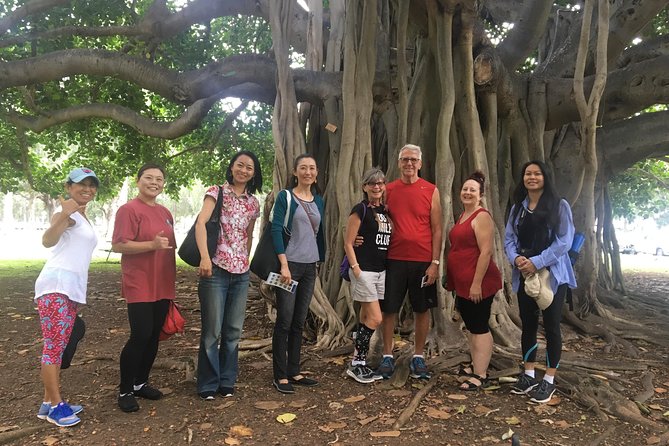
At $14 for about two hours, you’re paying for more than a route. You’re paying for an interpretive guide who’s an expert in Hawaiian topics—especially the stuff tourists often walk past without understanding. The price also makes the tour feel like a low-risk way to add context to a place you might already think you know.
You also get tangible perks. There’s free local mochi ice cream about 45 minutes into the tour, and you’ll stop for locally made ice cream during the park break. On top of that, the tour doesn’t provide bottled water, but it’s set up so you won’t be stuck if you forgot your own bottle: you’ll have access to sterilized hydroflasks with cold water during the tour.
The Pace and Group Size: Small Enough to Hear the Details
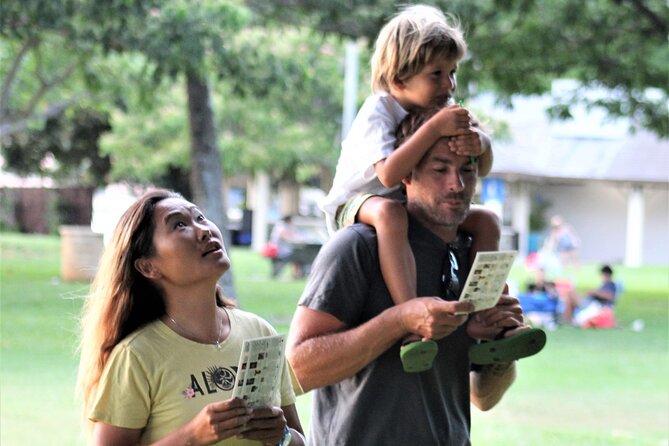
This is capped at four travelers. That changes the whole feel. In a small group, you spend less time in a huddle and more time actually walking, looking, and asking follow-ups. It also means the guide can adjust what they emphasize—like whether you’re more curious about plants, animals, or geology.
The tour calls for moderate physical fitness. Translation: plan for steady walking and short stretches of standing while you listen. It’s not presented as a hardcore workout, but it’s also not a slow stroll where you’ll stop every ten steps.
Service animals are allowed, and the meeting point is near public transportation. So if you’re staying somewhere central in Waikiki and you don’t want to deal with parking, you can make this easy.
Stop 1: Waikiki War Memorial Natatorium and the WWII Story in Water
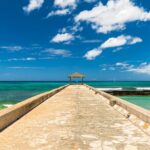
The first stop is the Waikiki War Memorial Natatorium. You’ll spend about 15 minutes here, and the admission is free. On the surface, it’s just a distinctive, ocean-adjacent structure. But the guide uses it as a gateway into Hawaiʻi’s world war era history.
What makes this stop memorable is the contrast: you’re looking at an abandoned war memorial setting that includes an Olympic-sized swimming pool that sits in the water. That kind of “what you see isn’t what you expected” moment is exactly the sort of detail a good guide knows how to bring alive. It also sets the theme for the rest of the tour: Waikiki isn’t only beaches and hotels. It carries layered history right along the shoreline.
My practical takeaway: wear shoes that are comfortable for pavement and coastal paths. This stop is less about climbing or stairs and more about paying attention to what’s in front of you.
Stop 2: Kaimana Beach Surf Beginnings and the Outrigger vs. Hui Nalu Twist
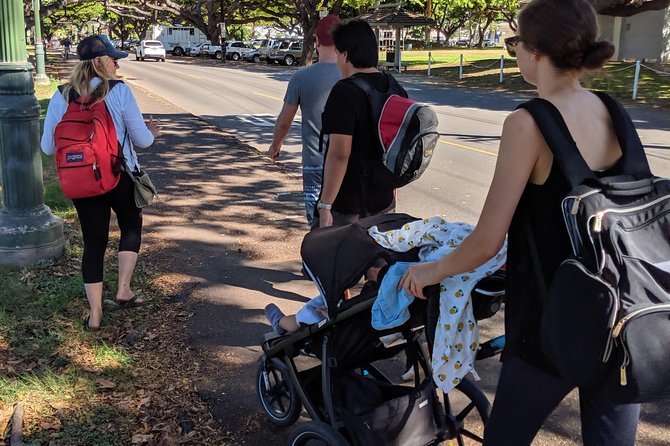
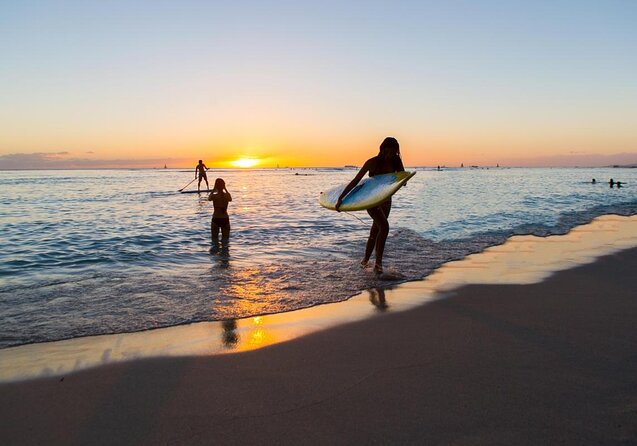
Next comes Kaimana Beach for about 10 minutes. Admission is free, and this is where the tour leans into surfing history. The guide talks about the site where early surf schools were established—then zooms out to the social and cultural side of surfing’s evolution.
One of the more intriguing parts of this stop is the conflict between two original surf clubs: Outrigger and Hui Nalu. Instead of treating surfing as a simple “cool pastime,” the tour frames it as something with real identity stakes—how Hawaiʻi’s image traveled abroad, and how local organizations shaped that story.
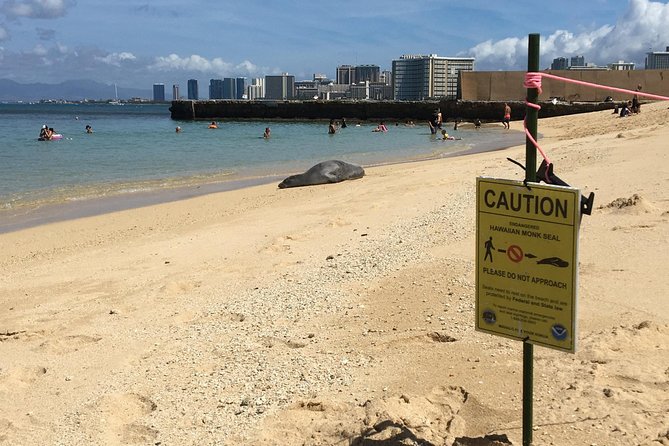
There’s also a wildlife angle. You’ll hear about the rare Native Hawaiian monk seal and how Kaimana Beach can be one of their favorite haul out spots. You’re not guaranteed to see one, but the fact that the guide builds in this possibility makes you look differently at the shoreline.
A tip for your eyes: if you want a real shot at noticing wildlife, keep your gaze soft and scan calmly rather than staring hard at one spot. Monk seals are about patience and timing, not luck alone.


The Park Break at Kapiolani Park: Photos, Ice Cream, and a Reset
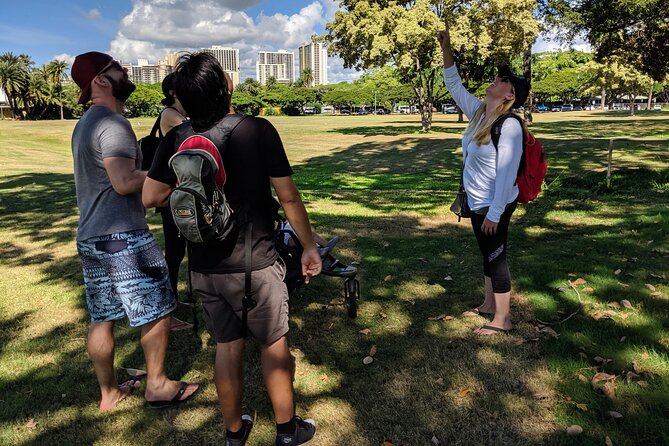
You’ll pause at Kapiolani Park for around 15 minutes. There’s a photo break built in, and this is also where locally made ice cream enters the picture. It’s a nice rhythm shift: you go from war memorial and surf story to open space where you can catch your breath and reset your attention.
This segment also helps the tour pacing. When you do enough walking talk, you start to miss details. A park pause gives you that mental space to remember what you learned, then absorb what comes next.
Snack Timing: Free Mochi Ice Cream About 45 Minutes In
About 45 minutes into the experience, you’ll get free local mochi ice cream. This is one of those small inclusions that matters more than it sounds. It keeps the tour from feeling like a lecture marathon, and it gives you a quick, tasty moment to recharge without hunting for your own snack.
Because the tour includes at least two sweet stops (mochi and locally made ice cream), I’d treat this as your dessert plan for the morning. If you’re the type who prefers savory, plan something light before you go so you don’t feel overly sugared.
The Zoo Circuit: Animal Stories You’ll Remember After the Walk
After the park, you’ll circle the zoo and hear compelling stories about the animals that have called it home over the years. The tour doesn’t frame this as a checklist. It’s positioned as narrative time—learning how individual animals fit into a broader story of care, habitat, and change over time.
This section is also useful because it breaks the geology-and-human-history rhythm. Even if you came for Diamond Head, the animal-focused segment helps you keep a balanced mental map of Hawaiʻi: place, life, and the impact of people on both.
Near Diamond Head (Leʻahi): Geology at the Base of the Volcanic Cone
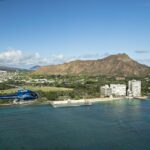
As the tour winds down, you’ll walk along the base of Diamond Head (Leʻahi) State Park. The guide uses this stretch to talk about the geological history of the island and how this iconic volcanic cone formed.
The value here isn’t only in learning the name of the rock or the simplified sequence of events. It’s that you’re standing at the right spot while the story gets explained. When the geology talk matches the terrain under your feet, your brain does the connecting work for you.
Why this matters in real terms: Waikiki can feel flat and built-up from the street. Standing near the cone—even at its base—helps you understand why Oʻahu looks the way it does, not just what it looks like in postcards.
The Sustainability Angle: What the Guide Presses You to Think About
A big part of Hawaiʻi Walks’ approach is sustainability and the impacts of industry in Waikiki. The tour explains those impacts in a way meant to help you be a better consumer while visiting the islands.
That may sound abstract, but the way it fits into the route is what makes it practical. WWII sites show how big events shape a place. Surf club stories show how culture gets branded and shipped around the world. The animal segment and the monk seal mention bring you back to living species and the fragility of coastal life. Then the Diamond Head geology talk reminds you that you’re walking on old earth processes, not just modern development.
So by the time you finish, you’re not only thinking about what Waikiki is—you’re thinking about what Waikiki has cost and what it needs to protect.
Weather and Timing: The One Thing You Can’t Force
This experience depends on good weather. That’s not a minor footnote—because you’re outside for a steady walk, a downpour can affect comfort and safety. If weather looks questionable, keep an eye on your confirmation and be ready for a date change or refund.
Also, the tour is only about two hours. It’s long enough to feel substantial, but short enough that you won’t feel trapped if you decide midway that you’re not in the mood for more talking. Still, come with an open mindset: this is an interpretive walk, not just sightseeing.
Who Should Book This East Waikiki Walk
You’ll get the most out of this tour if you like history that shows up in everyday places. You also get a lot if you enjoy nature details—especially when animals and plants are part of the story, not just background.
This tour is a great match for:
- First-timers in Waikiki who want more context than beach photos
- People who like short stops with focused explanations
- Travelers who prefer a smaller group and a guide who can answer questions
- Anyone interested in surfing history beyond “who invented it”
It’s less ideal if you want a relaxed, long stretch of downtime. This is a guided walk with several listening moments and planned stops.
Should You Book? My Honest Take
Yes, if you want East Waikiki to make sense fast. The route is smart, the inclusions help (especially the mochi and ice cream), and the small group format makes the whole experience feel more personal than big-tour Waikiki.
I’d skip it if you’re only coming for pure beach time or if you can’t do a moderate amount of walking outdoors. Also, because it hinges on weather, be the kind of traveler who checks the sky and adapts.
If you’re ready for a morning that mixes WWII remnants, surf club history, animal stories, and Diamond Head geology—this $14 tour is a strong use of time.
FAQ
How long is the East Waikiki Walking Tour?
It runs for about 2 hours.
How much does it cost?
The price is $14.
What is included in the tour?
You get snacks, including free local mochi ice cream around 45 minutes into the tour. You’ll also have a break with locally made ice cream at Kapiolani Park.
Do I need to bring bottled water?
No bottled water is provided. If you forget your own bottle, the tour has sterilized hydroflasks with cold water you can use.
Where do I meet the guide?
Meet at the Public Art Surfer on a Wave on Kalakaua Ave + Monsarrat Ave in Honolulu. The tour ends back at the meeting point.
What happens if the weather is bad?
This experience requires good weather. If it’s canceled due to poor weather, you’ll be offered a different date or a full refund. Free cancellation is available up to 24 hours before the start time.