REVIEW · WORKSHOPS
Bodyboarding 1-to-1 Private Lesson with Waikiki Courtesy Shuttle
Book on Viator →Operated by Ohana Surf Project · Bookable on Viator
Private lessons make Waikiki waves personal, and this one keeps you and your instructor locked in from pickup to ride time. I like the 1-to-1 coaching focus and how the plan adjusts to your swimming and balance. I also love the Waikiki courtesy shuttle from select hotels, so you waste less energy figuring out logistics and more energy getting in the water.
One thing to keep in mind: the ocean conditions decide the exact game plan. If the surf ends up better for surfing than bodyboarding, your instructor may steer you that way so you still get up and riding.
In This Review
- Key points to know before you go
- Private coaching that makes Waikiki feel like your personal wave lab
- Pickup, shuttle, and the Ohana Surf Center setup (aka fewer headaches)
- What happens before you hit the ocean: your instructor’s quick assessment
- Getting your first rides: boards, fins, and leash time in the water
- When you switch from bodyboarding to surfing (and it still counts)
- Equipment that removes guesswork: rashguard, fins, and your lesson board
- After the water: photos, videos, merch, then back to Waikiki
- Price and value: is $150 worth two hours of private instruction?
- Who should book this lesson in Waikiki?
- Should you book this Waikiki 1-to-1 bodyboarding lesson?
- FAQ
- How long is the 1-to-1 bodyboarding lesson?
- Is pickup and drop-off included?
- Where is the meeting point?
- What equipment is provided?
- Are souvenir photos included?
- How many people can join?
- Can beginners or experienced surfers participate?
- Can the lesson handle health or injury concerns?
- What if I’m prone to seasickness?
Key points to know before you go
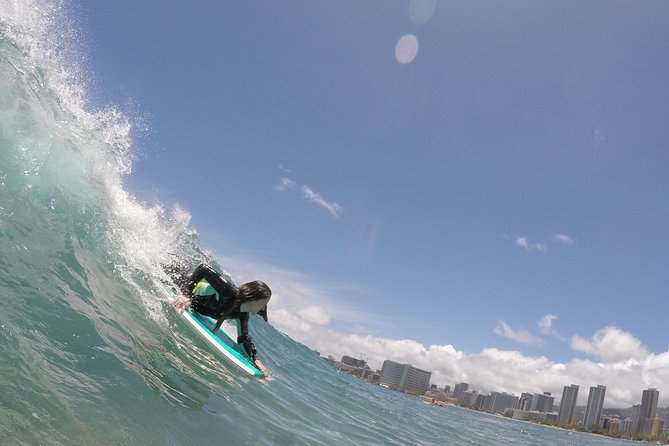
- True private instruction: up to 2 travelers, but the coaching attention stays centered on your party.
- Shuttle + simple flow: pickup from select Waikiki spots, then a smooth transfer to the Ohana Surf Center.
- All gear included: rashguard, fins, and bodyboard are provided, so you only bring the basics.
- You get assessed first: your instructor checks your experience, swimming comfort, and any concerns before you hit the waves.
- Boards, pacing, and safety come first: you start with a walk-through and leash/fins setup, not a random cannonball start.
- Plan flexes with conditions: if bodyboarding isn’t ideal that day, the instruction can shift—without breaking the rhythm.
Private coaching that makes Waikiki feel like your personal wave lab
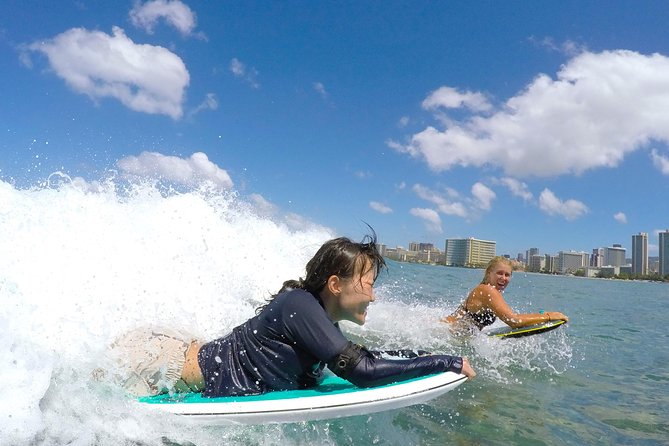
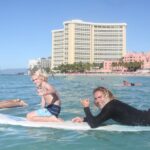
Waikiki is famous for waves, but most surf lessons can feel like a production line—group shouts, line up, wait, repeat. This experience is built to avoid that. You’re not chasing your instructor across the beach. The format is a private bodyboarding lesson (your party stays the focus), with instruction tailored to your current skill level and comfort in the water.
That personalized approach matters more than people expect. If you’re a strong swimmer but your balance is shaky, you’ll get help in that lane. If you’re new to being out past the shoreline, you’ll get confidence-building cues first. The goal is to get you making sense of how your body connects to the board and the wave—fast.
And the lesson doesn’t just say good luck. You meet the instructor, talk about your previous experience and swimming strength, and address any concerns up front. That means you’re not going into the water hoping someone catches your mistakes in time.
One more nice touch: the experience is designed for a wide range of ages and skill levels. That comes through in how the session is structured—gear up, walk to the beach with lesson boards, then ease into riding when you’re ready.
You can also read our reviews of more private tours in Oahu

Pickup, shuttle, and the Ohana Surf Center setup (aka fewer headaches)
Where this really wins is the friction-free start. You’re picked up from select Waikiki locations (or certain hotels outside Waikiki), then moved by their courtesy shuttle so you don’t have to coordinate rides at the last minute. You’ll receive the exact pickup location and time by email. If you don’t see those details at least 24 hours before your lesson, it’s on you to contact the supplier so you’re not standing around guessing.
Once you’re picked up, you ride in an air-conditioned, clean yellow Surf School Bus (or a white shuttle with the Surf School logo on the side). The vibe is simple and easy to follow: staff meet you, help with the handoff, and then shuttle you to the Ohana Surf Center located at the Waikiki Beach Marriott.
At the Ohana Surf Center, you’ll check in and get geared up. This part is practical and worth appreciating. Before you ever see the water again, you’re already thinking about the right things: getting your rashguard sorted, fitting fins correctly, and making sure you understand how the board works with the leash setup you’ll use in the ocean.
The whole process keeps your energy for the session instead of spending it on navigation.
What happens before you hit the ocean: your instructor’s quick assessment
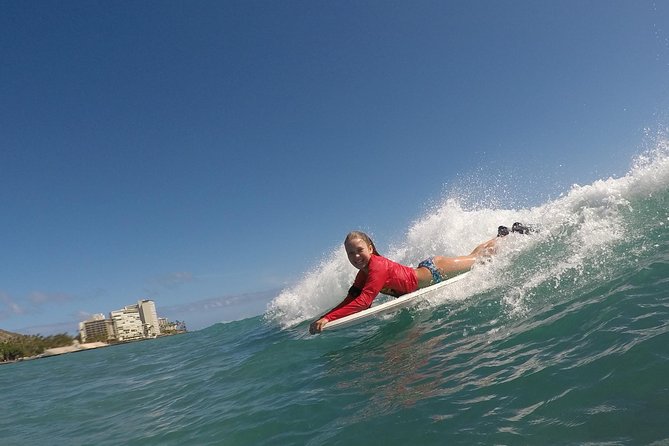
Before you walk down to the beach, you meet your instructor and talk through a few core topics:
- your previous experience
- how strong you are as a swimmer
- any concerns or conditions you want them to know about
That kind of conversation sounds basic, but it’s actually the difference between a lesson that feels random and a lesson that feels targeted. It also helps the instructor choose pacing. For example, if your swimming comfort is still building, they’ll likely steer you toward steps that keep you in the right zone of challenge. If your comfort level is high, they can focus on technique sooner.
Then comes the walk to the beach with the lesson boards. That walk matters more than it sounds. It’s when you get oriented, handle the equipment, and move from classroom talk to physical rhythm. You’ll also learn how the fins and leash factor into the session—so once you’re in the water, you’re not guessing.
And yes, you’ll put on fins and go. But it’s not a rushed plunge. The process is meant to match your readiness.
Getting your first rides: boards, fins, and leash time in the water
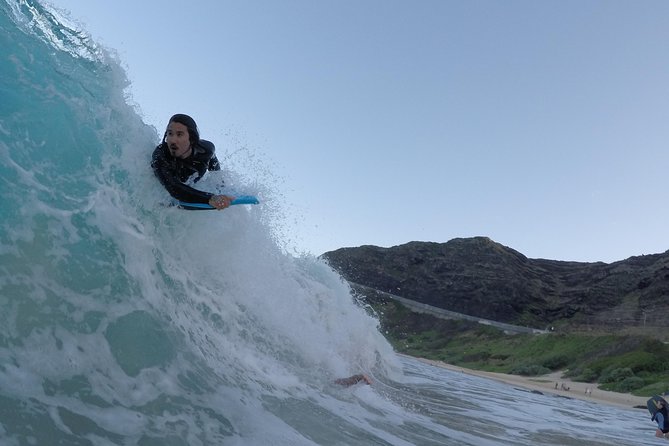
Once you’re at the shoreline, the lesson turns physical. The instructor will help you with the basics of bodysurf/bodyboard movement and the practical mechanics that keep you connected to the board.
Here’s what you’ll experience at the start:
- You’ll leash yourself to the board (so you’re not chasing gear after every wipeout).
- You’ll put on your fins.
- You’ll head into the water when you’re comfortable and ready.
From there, the session is about learning how to ride without fighting the wave. That means technique cues that match your current level. If you’re struggling with balance, you’ll get guidance that focuses on how to position your body and react. If you’re trying to build confidence, you’ll likely start with steps that let you feel the wave’s push rather than asking you to do everything at once.
The best part of private instruction is that the instructor can correct in real time. You don’t lose momentum waiting your turn. Your feedback loop is tight, so adjustments happen while the lesson is still fresh in your muscles.
Also, lesson time is about learning what to do next, not just getting one fun moment. With a roughly two-hour session, you’ll have enough time to progress beyond the first “okay, now what?” stage—especially if you’re paying attention and communicating what you feel.
When you switch from bodyboarding to surfing (and it still counts)
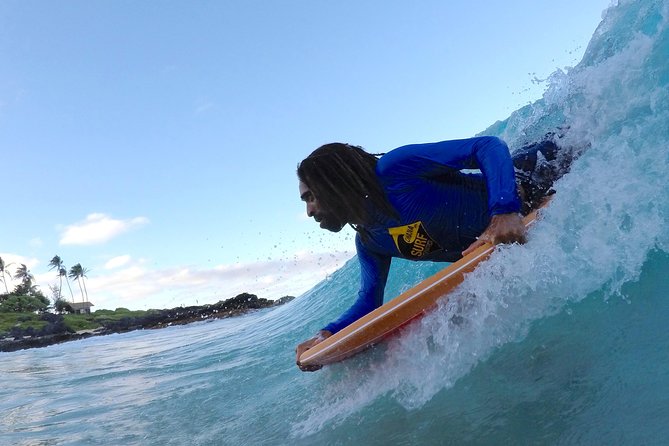
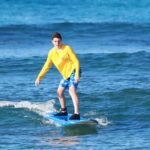
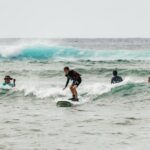
One of the most useful details here is that the session can adapt. The ocean doesn’t always cooperate, and not every day is ideal for bodyboarding. In that case, your instructor may suggest switching to regular surfing based on the conditions.
That flexibility is a big deal for your value. You’re paying for instruction and riding, not for a rigid script. If surf conditions are better for surfing, you’ll likely get coached through that option instead of feeling like the day was wasted.
This is also where the instructor’s patience shows. People have had great outcomes with coaching that focuses on balance and getting up on the board, even when they started the lesson expecting bodyboarding only. If you’re worried about being too old, too slow, or too unbalanced, this is the exact situation where good coaching can surprise you.
So if you book with the mindset of I’m here to learn in whatever conditions the day offers, you’ll enjoy it more. You’ll still leave with skills and confidence. The ocean might change the tool, but the lesson stays anchored in technique.
You can also read our reviews of more tours and experiences in Oahu


Equipment that removes guesswork: rashguard, fins, and your lesson board
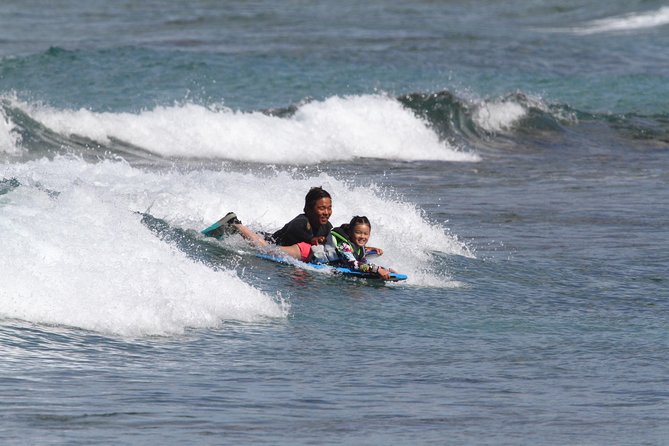
You don’t need to source gear. The lesson includes the essentials:
- rashguard
- fins
- bodyboard
That matters because people often underestimate how gear affects comfort and learning. Rashguards help with fit and sun exposure. Fins change your propulsion and control. A proper lesson board helps you learn the right relationship between you and the wave. With everything handled, you can focus on what the instructor is teaching.
It also helps with travel planning. If you’re only in Oahu for a short time, packing surf gear can be a drag. Here, the lesson handles the heavy lifting for you.
One small note: souvenir photos are available for purchase, but they’re not included. If you want pictures, plan to buy what you like on-site after the lesson.
After the water: photos, videos, merch, then back to Waikiki
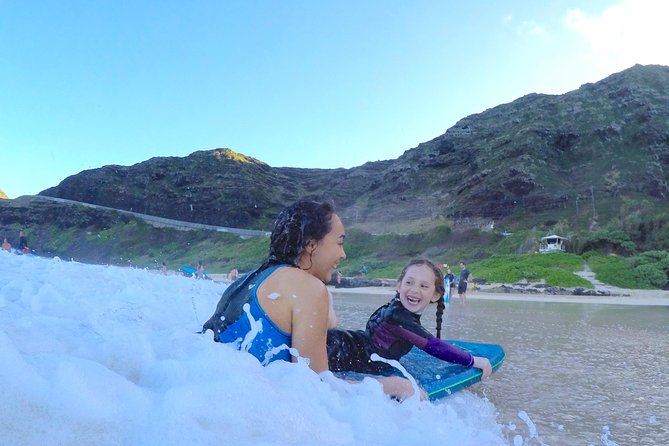
When the surf time wraps, you head back to the Ohana Surf Center. That’s where you can check out photographs and videos. If you’re anything like me, you’ll be curious how many of your attempts look like progress versus pure comedy.
There’s also merch available if you want a souvenir beyond a phone photo. Nothing complicated—just a chance to pick something up while the experience is still fresh.
Then you’re driven back to one of the convenient drop-off locations. In other words, you’re not left stranded at the beach with sand in your shoes and a long walk to transportation.
Price and value: is $150 worth two hours of private instruction?
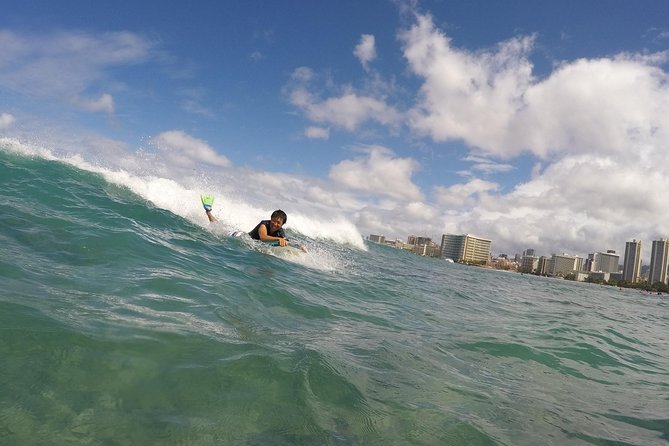
At $150 for about two hours, you’re paying for three things that are hard to replicate on your own: individual coaching, included gear, and round-trip transport from select Waikiki meeting points.
If you were to DIY it, you’d still need to solve:
- how you’ll get to a surf spot
- who’s going to correct your technique while you’re actually trying
- how you’ll handle equipment and fit
The included transportation (pickup plus drop-off via courtesy shuttle) helps a lot. It saves time and prevents the common lesson-day scramble. And because the group size is limited (maximum of 2 travelers), you’re less likely to get that stuck-in-the-periphery feeling.
You also get customization. That’s the real value driver. A good instructor can take your learning curve and compress it—so you spend lesson time building real skills instead of repeating mistakes.
If you want the type of experience where you can ask questions, get corrections immediately, and adjust your plan based on your comfort, the price starts to make sense fast. It’s not a budget surf fix. It’s a focused skills session.
Who should book this lesson in Waikiki?
This private bodyboarding (with possible surfing pivot) suits a lot of people, especially if you fit one of these buckets:
- You want 1-to-1 attention rather than competing with a group.
- You’re a beginner or you feel unsure about balance and technique.
- You’re traveling as a couple or small group and want the lesson to feel personal.
- You’re older and want patient pacing. The structure supports learning without pressure.
- You don’t want to handle equipment logistics or transportation chaos.
If you already have solid board skills and you mostly want a long session to free ride, you might find the two-hour time a bit short. But if your goal is learning—getting better, understanding how to ride, and leaving with confidence—this is a strong match.
Should you book this Waikiki 1-to-1 bodyboarding lesson?
Book it if you want your instructor’s full focus and you value convenience as much as technique. The combo of pickup, included gear, and tailored instruction is the kind of setup that turns a fun day into an actual skill-building session.
Pass if you’re hoping for a long, free-roam water day with no coaching. This is instruction-first. Also, be mentally flexible about conditions; if bodyboarding isn’t ideal, you may switch to surfing. That’s not a downside if you’re there to learn.
Finally, if you’re choosing based on risk level: you’ll be asked about swimming comfort and any concerns or injuries ahead of time. That’s the right kind of preparation, and it helps you settle in faster once you’re at the water.
FAQ
How long is the 1-to-1 bodyboarding lesson?
It lasts about 2 hours.
Is pickup and drop-off included?
Pickup is offered from select hotels and meeting spots in Waikiki (and certain hotels outside Waikiki), and you’ll be dropped back at a convenient location after the lesson.
Where is the meeting point?
The start is listed as 2552 Kalākaua Ave, Honolulu, HI 96815, USA, and the activity ends back at the meeting point.
What equipment is provided?
You get all necessary equipment, including a rashguard, fins, and a bodyboard (lesson boards are used for the session).
Are souvenir photos included?
No. Souvenir photos are available for purchase.
How many people can join?
This activity has a maximum of 2 travelers.
Can beginners or experienced surfers participate?
Most travelers can participate, and a private lesson can accommodate any age or skill level.
Can the lesson handle health or injury concerns?
Yes—if you have medical conditions or injuries, you should advise the staff ahead of time.
What if I’m prone to seasickness?
If you tend to get seasick, it’s recommended that you take a remedy you already use before the lesson (check with your doctor for what’s appropriate).