REVIEW · NORTH SHORE TOURS
Group Surf Lessons for beginners on the North Shore of Oahu
Book on Viator →Operated by Catch'a Wave · Bookable on Viator
You can catch your first waves with real coaching. This beginner-focused North Shore lesson gives you patient, careful guidance (including beach practice) and gear so you travel light, though you should be ready for a water activity and a solid 2-hour commitment.
What I like most is how the teaching starts on land: you practice the pop-up using clear foot placement and balance drills before you get tossed into the ocean. I also love the instructor attention in a private group setup, which makes it easier to get fast feedback instead of watching from the sidelines. The one thing to consider is swimming comfort—if you struggle, you’ll want to ask in advance about requesting a life jacket.
In This Review
- Key highlights before you go
- Meeting at Kahalewai Place and Getting Ready Without Hassle
- What You Learn First: Beach Coaching for the Pop-Up
- Safety Briefing and Surf Basics You’ll Actually Use
- In the Water on the North Shore: Paddling, Standing, and First Rides
- Getting Better During the Session: Balance, Turning, and Timing
- The Private Group Advantage: More Coaching, Less Waiting
- Price and Value: Is $150 for 2 Hours Worth It?
- Who This Lesson Is For (and Who Should Think Twice)
- Should You Book It on Oahu’s North Shore?
- FAQ
- What’s the duration of the beginner surf lessons?
- Where do we meet for the surf lesson?
- Is surf gear included?
- What should I wear?
- Do I need to be able to swim?
- Is the lesson in a specific language?
- Is it a private group experience?
- Can I get a refund if I cancel?
Key highlights before you go
- Dry-land pop-up practice so standing on the board isn’t a total mystery
- Gear included: surfboard, surf leash, and a rash guard
- Beginner-friendly wave coaching focused on paddling, standing, and selecting waves
- Safety and surf etiquette covered before you head into the water
- Full attention from your instructor in a private group lesson setup
- A good chance of wildlife sightings, like turtles nearby (not guaranteed, but it happens)
Meeting at Kahalewai Place and Getting Ready Without Hassle
Your lesson starts and ends back at Kahalewai Place in Haleiwa (Kahalewai Pl, Haleiwa, HI 96712). It’s one of those practical setups that keeps the day simple: show up, get geared, learn, then you’re done back where you started.
If you’re thinking you’ll need to pack the usual surf junk, this is a relief. You’ll get the surfboard, surf leash, and a rash guard as part of the lesson, so you don’t have to hunt for rentals or babysit extra equipment on your trip. You do still need to show up ready to go in a swimsuit, and you’ll want reef-safe sunscreen on hand. (Rash guards help cover arms and shoulders, but they don’t replace sunscreen entirely.)
The lesson is offered in English, and you can choose either a morning or afternoon start time. That flexibility matters on Oahu’s North Shore, where you may want to build the rest of your day around weather, meals, and beach hopping.
One more small point: this experience is often booked ahead. On average, people reserve about a month in advance, so if your dates are fixed, don’t wait for the last-minute “maybe.”
You can also read our reviews of more tours and experiences in Oahu

What You Learn First: Beach Coaching for the Pop-Up
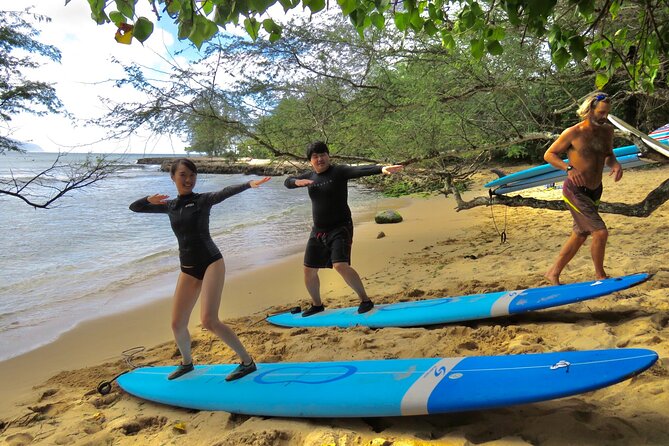
Here’s the smart part: the lesson doesn’t start with you sprinting for glory in the waves. You’ll warm up and do dry-land practice on the beach, including the pop-up technique.
This is where beginners get a real advantage. Instead of guessing where your feet go or how to move from lying to standing, you practice the sequence with an instructor watching closely. The guidance focuses on foot placement and balance, which is exactly what you need once you’re lying on the board and trying not to fall over like a newborn giraffe.
This part also helps you avoid the common frustration of “I did everything right… until I stood.” Dry-land repetition means you get your body’s timing down before the ocean complicates things. And even if you’re nervous, the beach drill gives you something concrete to work on right away.
Safety Briefing and Surf Basics You’ll Actually Use
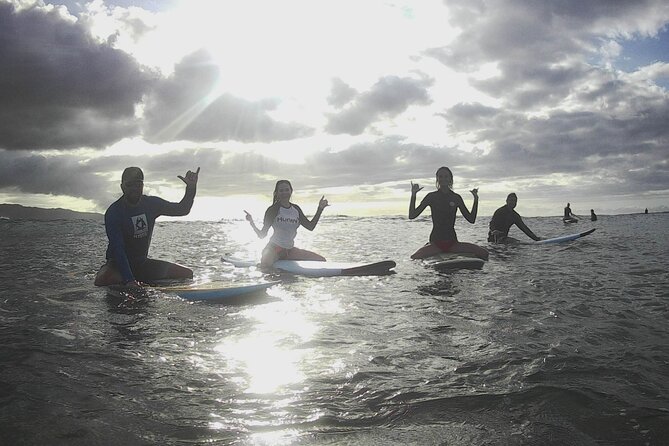
Before you get into the water, you’ll go over ocean conditions and surf etiquette. That might sound formal, but it’s useful in real time. When you’re new, the ocean isn’t just wave-shaped water—it’s moving currents, changing conditions, and other surfers sharing the space.
You’ll learn key beginner skills that connect directly to catching waves:
- paddling
- standing
- selecting beginner-friendly waves
The lesson is designed to match your skill level, and that wave selection piece matters a lot. On the North Shore, conditions can vary, and you don’t want to be pushed into water that’s beyond your comfort level before you’ve built control.
This is also one of the reasons I like the group format with an instructor actively teaching: you’re not just being dropped into the lineup. You’re being coached on what to do next and why.
In the Water on the North Shore: Paddling, Standing, and First Rides
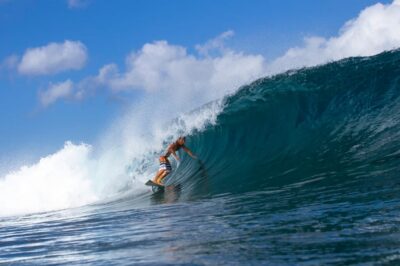
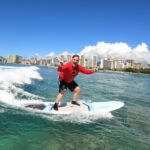
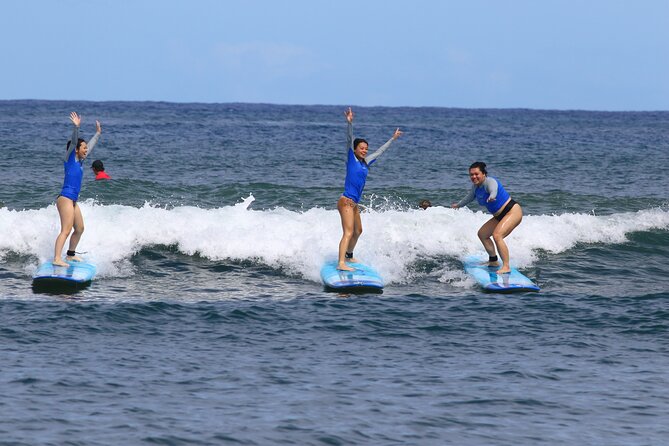
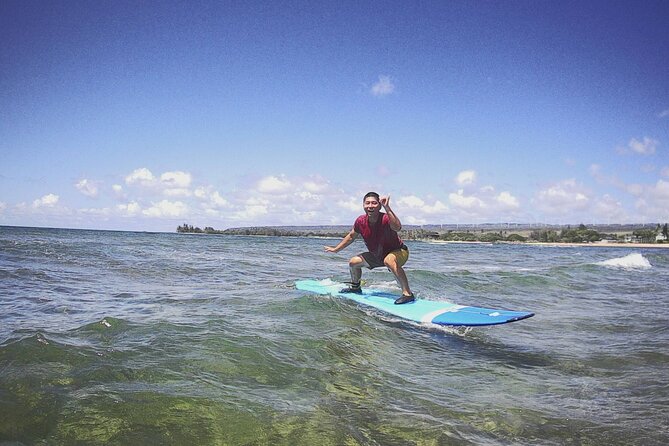
Once you’re ready, the group heads into the ocean to catch small waves. Your instructor guides you through the basics in the water—especially the transition from paddling to standing.
For first-timers, this is the moment the whole lesson clicks. The instructor helps you apply the pop-up technique while you’re on the board, and that’s what turns “I tried surfing once” into “I actually rode a wave.” You should expect ongoing coaching during the session, not a one-time explanation.
You’ll likely spend time working on:
- paddling efficiently enough to get into position
- standing with balance you practiced on land
- timing the moment to try for the ride
The goal isn’t to perfect tricks. It’s to get you comfortable, set you up for success, and help you build control wave by wave.
And if the ocean is cooperating, this is where you might also get a memorable bonus. One account highlighted turtles swimming by near the boards. It’s not something you should count on, but it’s a nice reminder that you’re learning in a living coastal environment, not a staged pool.
Getting Better During the Session: Balance, Turning, and Timing
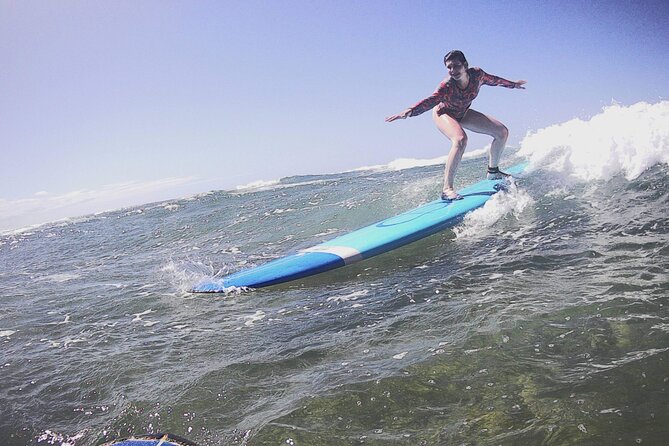
After you start catching waves, the lesson shifts from first success to practical refinement. As your confidence grows, you’ll refine skills like balance, turning, and wave timing.
This is a big deal for beginners. The fastest way to improve isn’t endless attempts on one concept—it’s getting coached on the next limiting factor. If you can stand but can’t stay stable, the instructor can help you adjust. If you can stand but can’t control where you go, turning and timing practice gives your body a better target.
Think of this as skill-building in layers:
1) get on the board and stand
2) stay balanced and learn control
3) connect timing with longer, more stable rides
You’ll be working on your own waves during the session, with your instructor watching closely enough to guide corrections when needed. That’s what makes the lesson feel personal, even though it’s a group activity.






The Private Group Advantage: More Coaching, Less Waiting
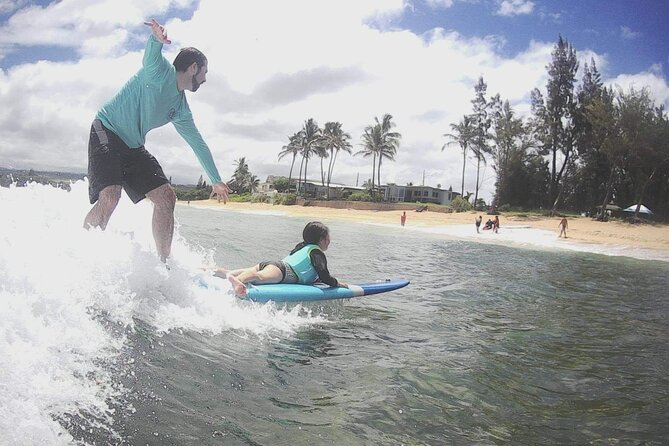
This experience is listed as a private tour/activity, meaning only your group participates. That changes the vibe. In a world where many lessons are packed and fast-moving, a private group setup gives your instructor more room to watch what you’re doing and adjust quickly.
In plain terms, you get less time wondering what to do next and more time hearing immediate feedback. The reviews emphasize how careful and patient instructors are—especially with students who are brand new. One instructor name comes up repeatedly: Connor. People credited him with being attentive, helpful, and patient, and that matters because beginners often need reassurance and repeat explanations.
You can also feel the difference in pacing. One highlight was that the instruction started with dry exercises before going into water, which helped students get basics down before attempting anything in waves. That approach lowers the pressure and gives you a more confident first session.
Price and Value: Is $150 for 2 Hours Worth It?
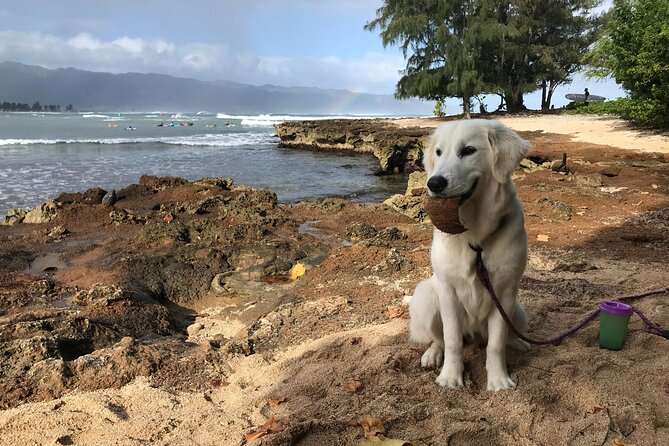
At $150 per person for roughly 2 hours, the price sits in the middle of the surf-lesson range you’ll usually see in tourist areas. What makes it feel more reasonable here is what’s included.
You’re not paying extra for the big surf essentials. The lesson includes the surfboard, surf leash, and rash guard. Those items can cost money and hassle if you have to rent them separately, especially if you’re already trying to travel light.
More importantly, you’re paying for coaching that’s built around beginner fundamentals: safety briefing, pop-up practice on land, then guided waves. If you’re new to surfing, the value isn’t in the board—it’s in the instruction that helps you avoid the most common beginner errors.
So the “value math” for you is:
- you get gear included
- you get a private group setup with instructor attention
- you get a structured beginner progression from land to ocean
- you spend your time learning, not figuring it out alone
If you already surf often and want advanced training, this might feel short for the money. But for a first surf experience or a confidence reset, it’s a solid use of your limited vacation time.
Who This Lesson Is For (and Who Should Think Twice)
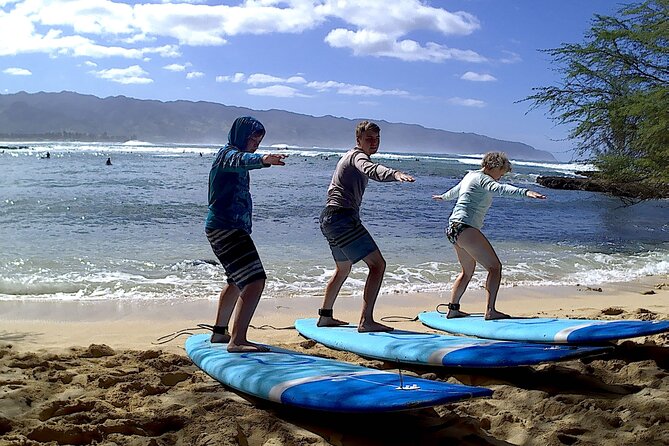
This lesson is clearly built for beginners—especially people who want guidance on the basics rather than random trial-and-error.
It’s a good fit if you:
- are trying surfing for the first time
- want help with pop-up technique and standing balance
- like patient instruction and step-by-step progress
- can handle a moderate physical effort in water (the activity notes a moderate physical fitness level)
You should be cautious if you:
- struggle swimming and haven’t asked about life jacket support in advance
- expect surfing to be easy immediately (it isn’t, but you’ll be taught how to get there)
Also keep in mind this is a water activity, so weather matters. The experience requires good weather, and if it’s canceled due to poor conditions, you’ll be offered another date or a full refund.
If you’re flexible and you’re respectful of the ocean and the lesson structure, you’ll likely get a great experience out of it.
Should You Book It on Oahu’s North Shore?
If your main goal is to learn to surf (or sharpen basics) with real coaching, I’d book this without overthinking it. The biggest win is the structure: warm-up, pop-up practice on land, safety and etiquette, then guided small waves where you can actually succeed.
The other reason I’d lean yes: you’re not just getting a board rental. You’re getting instruction that focuses on the fundamentals that make surfing possible for beginners—paddling, standing, wave selection, and then turning and timing as you improve.
Book it if you want a confidence-building first surf session with an instructor like Connor (patient, observant, and focused on getting you to your goal). Skip it only if you’re not comfortable in water and can’t arrange support, or if you’re looking for advanced, performance-level training.
FAQ
What’s the duration of the beginner surf lessons?
The lesson runs for about 2 hours.
Where do we meet for the surf lesson?
The meeting point is Kahalewai Place, Kahalewai Pl, Haleiwa, HI 96712, USA. The activity ends back at the same meeting point.
Is surf gear included?
Yes. You’ll be provided with a surfboard, a surf leash, and a rash guard.
What should I wear?
Wear your swimsuit. You should also use reef-safe sunscreen. The rash guard helps protect your arms and shoulders.
Do I need to be able to swim?
This is a water activity. If you have struggles swimming, you should request a life jacket in advance.
Is the lesson in a specific language?
The lesson is offered in English.
Is it a private group experience?
Yes. It’s a private tour/activity, and only your group will participate.
Can I get a refund if I cancel?
You can cancel for free. A full refund is available if you cancel at least 24 hours before the experience’s start time. If you cancel within 24 hours of the start time, the amount paid is not refunded.