REVIEW · MUSEUMS
Oahu: Pearl Harbor Aviation Museum Entry Ticket
Book on GetYourGuide →Operated by Pearl Harbor Aviation Museum · Bookable on GetYourGuide
Ford Island turns history into something you can touch. I love how Hangar 37 brings the WWII story into real aircraft space, and I like that the museum also uses exhibits, film, and a free audio guide to connect the Dec 7, 1941 attack to the people and planes involved. It’s one of those visits where you understand more by looking longer.
The one drawback is logistics: on the shuttle from Pearl Harbor Visitor’s Center to Ford Island, bags aren’t allowed, and you may need to use the bag storage at the Bowfin Submarine Park shuttle stop for an extra fee.
In This Review
- Key things I’d plan for before you go
- Ticket Value: What $29 Buys You (and what it doesn’t)
- Getting to Ford Island: Shuttle timing and the bag rules that can slow you down
- Hangar 37: WWII aircraft, real hangar atmosphere, and a story you can follow
- Raytheon Pavilion: where the museum turns planes into context
- The East Wind Rain film: best for grounding the aviation story
- Hangar 79 and the Shealy Restoration Shop: aircraft after the attack
- Optional Top of the Tower: 15 stories, steep stairs, and a 360-degree view
- How to plan your day: pace, timing, and a “relaxed” strategy
- Who this museum ticket is best for (and who might not love it)
- Should you book this Pearl Harbor Aviation Museum entry ticket?
- FAQ
- What’s included with the Pearl Harbor Aviation Museum entry ticket?
- Is the Fighter Ace 360 Simulator included?
- Where do I meet, and how often do shuttles run?
- Are bags allowed on the shuttle to Ford Island?
- How much does bag storage cost if I need it?
- What are the hours for the Top of the Tower tour?
- What languages are available on the audio guide?
Key things I’d plan for before you go
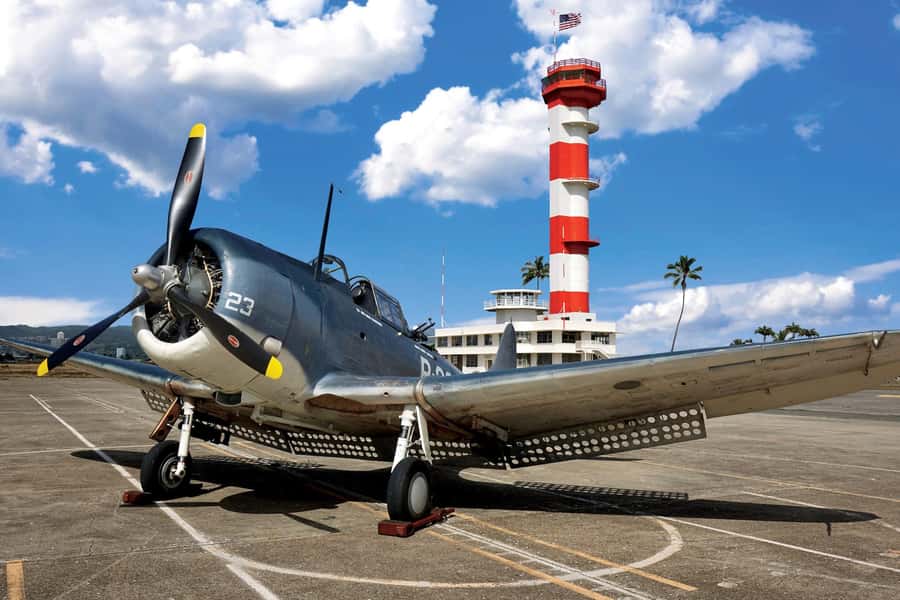
- Authentic Hangar 37 access where you can walk through an experience built around WWII aircraft and context
- Over 50 aircraft and 25,000 sq ft of exhibits spread across multiple hangars, so pace matters
- East Wind Rain documentary to connect the visuals to what was happening on Oahu around the attack
- Hangar 79 plus the Shealy Restoration Shop for planes tied to later Gulf, Korean, and Vietnam eras and aircraft awaiting restoration/display
- Optional Top of the Tower tour for a guided look at the Ford Island Control Tower and a 360-degree observation deck
Ticket Value: What $29 Buys You (and what it doesn’t)
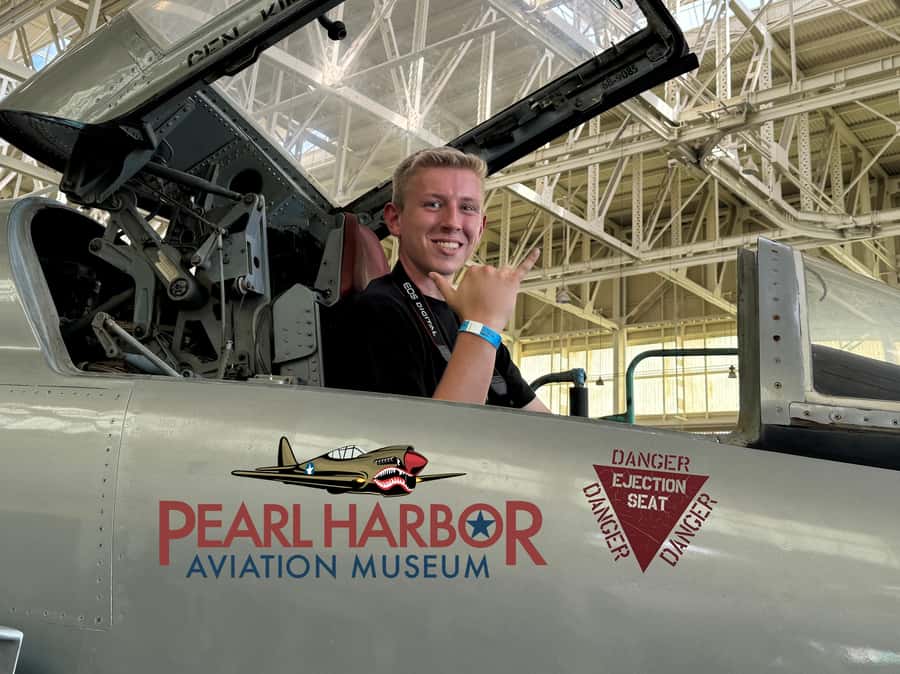
At about $29 per person, this entry ticket is built for a full, on-foot museum day rather than a quick “see-it-and-leave-it” stop. For your money, you get access to three major areas: Hangar 37, Hangar 79, and the Raytheon Pavilion, plus a free audio tour. You’re also getting the free Pearl Harbor shuttle running between 8:00 AM and 5:00 PM, which matters because Ford Island is an active military base and you’ll be riding to get in.
The biggest value isn’t just the price. It’s that the ticket is structured like a self-guided route through different chapters of aviation history. You’re not stuck in one exhibit hall. You can move from early WWII context to later conflicts and restoration work, and you’ll see aircraft across decades rather than only one moment in time.
Two things to keep in mind for expectations. First, the Fighter Ace 360 Simulator isn’t included, so if that’s on your must-do list, you’ll need to plan for it separately. Second, the Top of the Tower is an option, not automatic, so decide early if you want that added viewpoint.
You can also read our reviews of more tours and experiences in Oahu


Getting to Ford Island: Shuttle timing and the bag rules that can slow you down
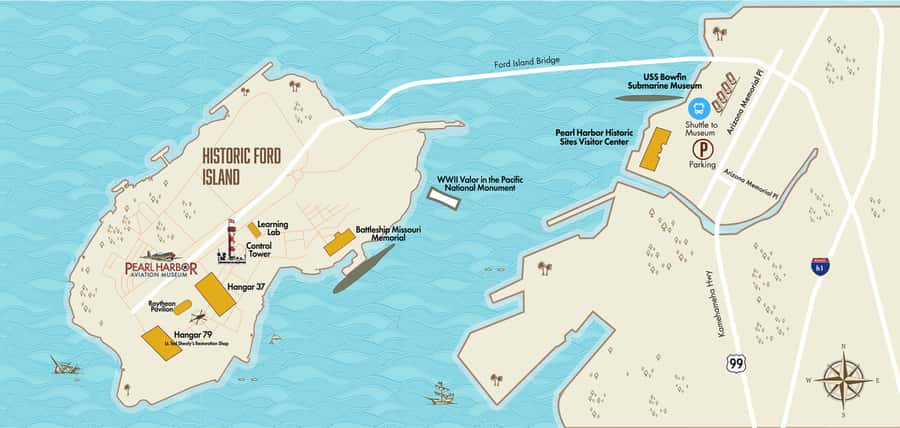
Here’s the practical part that can make or break your day: Ford Island access starts with the shuttle. You’ll take it from the Pearl Harbor Visitor’s Center. Shuttles depart every 15 minutes from 8:00 AM to 4:00 PM.
For many people, the bigger issue is what you bring. No bags are allowed on the shuttle to Ford Island. That includes backpacks and large bags/luggage. Plastic bags are also not allowed. This can be the difference between walking right in and dealing with last-minute stress.
If you need to bring luggage or a bag anyway, there’s a storage facility at the Bowfin Submarine Park shuttle bus stop. Fees are listed as $6.00 per bag and $7.50 per large bag/luggage. My advice is simple: pack light enough that you can travel without thinking about storage. If you can’t, factor in time for dropping off and picking up.
Also, Ford Island is accessed by shuttle for security reasons. So don’t treat this like an attraction you can wander into whenever you feel like it. Pick a morning departure that gives you buffer time.
Hangar 37: WWII aircraft, real hangar atmosphere, and a story you can follow
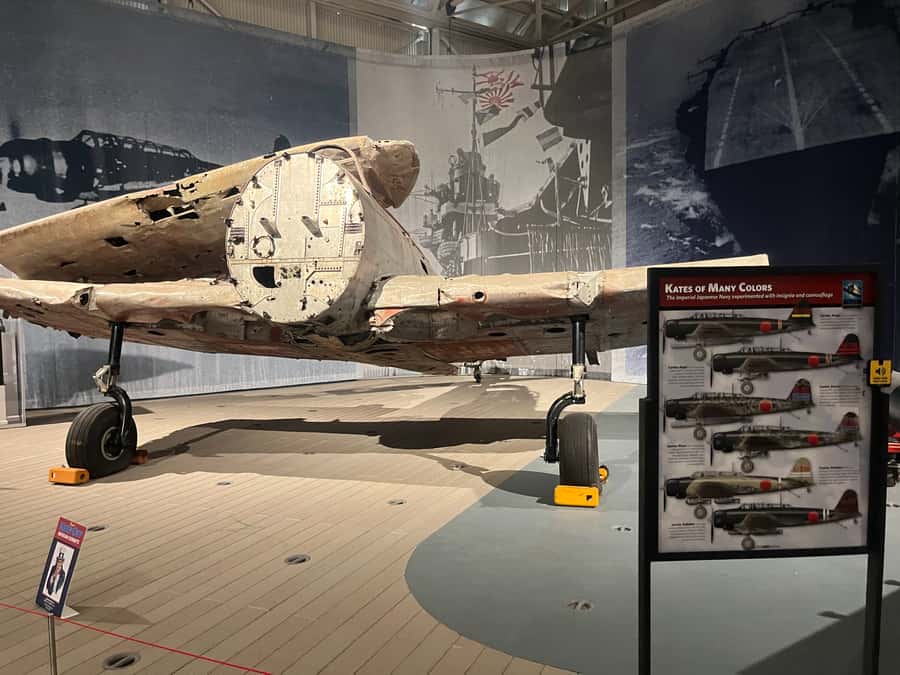
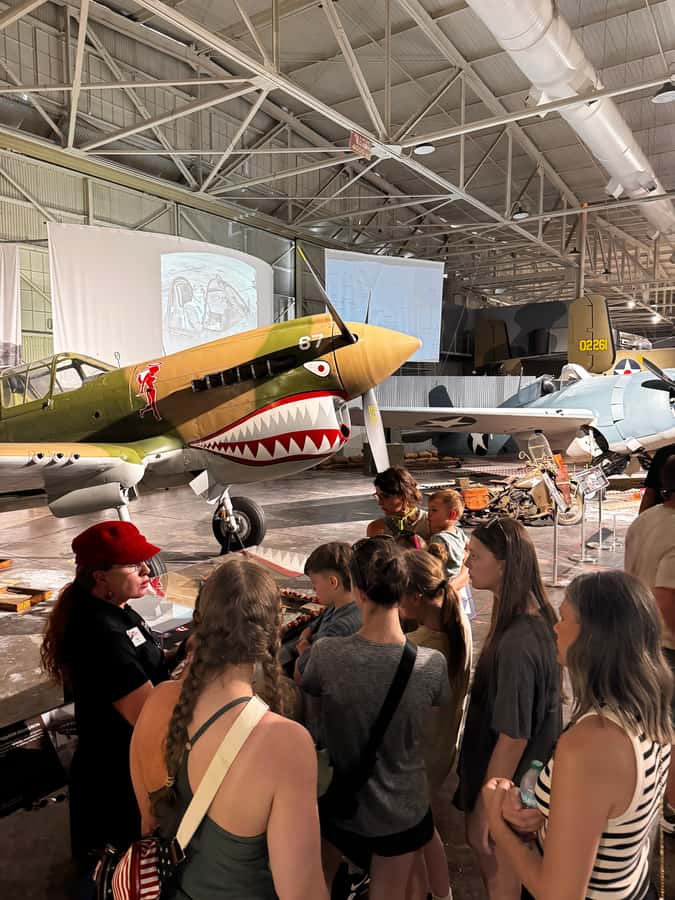
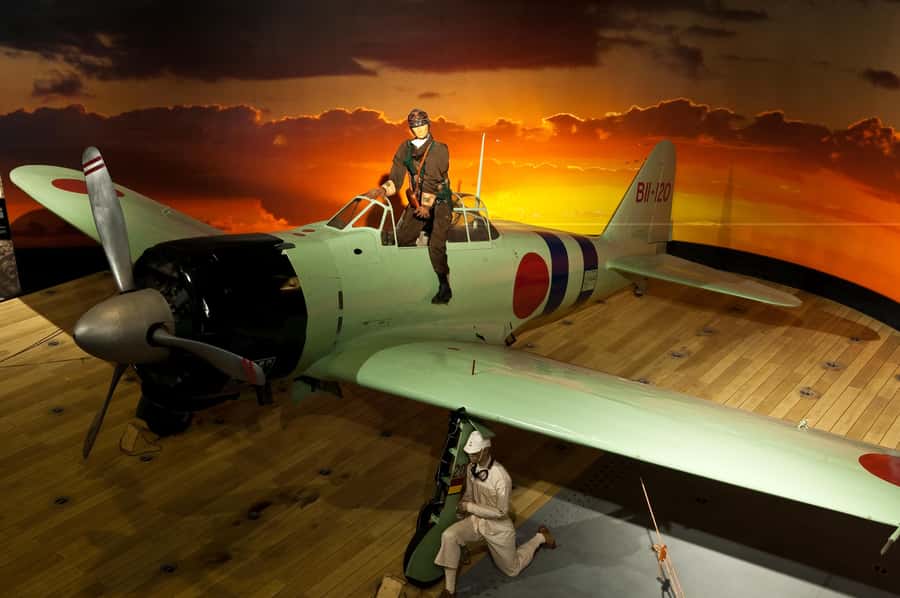
When you step into Hangar 37, the museum shifts from “information” to “presence.” This is where the experience feels most physical because it’s an authentic WWII-era hangar. You’re walking through a space designed for the aircraft themselves, not just viewing them behind ropes with minimal context.
This is also where the Pearl Harbor story becomes more specific. You’ll trace events from December 7, 1941, and you’ll see exhibits tied to the attack and its aftermath. The museum’s aircraft and displays here help you understand that Pearl Harbor wasn’t only about one bombing moment—it was about the aviation and operational reality of the time.
Two things I’d focus on in Hangar 37:
- How the exhibits connect aircraft to the attack timeline—it’s not random memorabilia. The museum is trying to keep you oriented.
- Looking at aircraft as tools—not just as famous names. The hangar setting makes that easier.
The audio tour can help you keep your bearings fast, especially if you’re the type who likes to know what you’re looking at instead of reading every label. English, Japanese, Spanish, Korean, and Chinese audio options are available.
Raytheon Pavilion: where the museum turns planes into context
After Hangar 37, you’ll continue through the Raytheon Pavilion. This is a key stop because it helps connect what you saw in the hangars to broader context—what daily life on Oahu looked like pre-war, and what it was like at the moment of the attack.
If you’re trying to understand the “why” behind the air power story, this is one of the places that makes the museum more than a collection of aircraft. Even if you’re not a history buff, the pavilion format helps you track the emotional and human side of the event.
I like that the museum doesn’t assume you know everything already. It guides your thinking so the aircraft displays don’t feel like a disconnected checklist.
The East Wind Rain film: best for grounding the aviation story
A standout feature is a viewing of the award-winning documentary _East Wind Rain_. This is one of those add-ons that can quietly improve everything else you see afterward, because it ties the visuals to what was happening around the attack.
What makes it especially useful here is the stated focus: you’ll see what life was like on Oahu before the war and then at the time of the attack. That means the film doesn’t just explain aircraft. It also gives you a sense of place and time—what ordinary life looked like, and how abruptly it changed.
If you’re tempted to skip film because you want to maximize aircraft time, I’d still try to fit this in. For many people, it becomes the glue that makes the rest of the hangars click.
You can also read our reviews of more museum experiences in Oahu
Hangar 79 and the Shealy Restoration Shop: aircraft after the attack

If Hangar 37 is about the early WWII narrative, Hangar 79 expands the story across later conflicts. You’ll see planes connected to the Gulf, Korean, and Vietnam wars, plus exhibits that keep the aviation thread moving forward.
This part is great if you’re thinking beyond Pearl Harbor as a single day. It shows how aviation roles evolved and how later eras became part of the same broader aviation legacy.
Then comes a really practical, hands-on kind of stop: the Shealy Restoration Shop. The museum doesn’t just display completed aircraft. You’ll also see aircraft that are awaiting future display—including the B-17 Swamp Ghost.
That restoration element matters because it turns the museum from a static experience into a living project. You’re reminded that preserving aircraft takes time, specialized work, and patience. It also gives you a new appreciation for why you might see some aircraft looking the way they do right now—they’re works in progress.
Optional Top of the Tower: 15 stories, steep stairs, and a 360-degree view
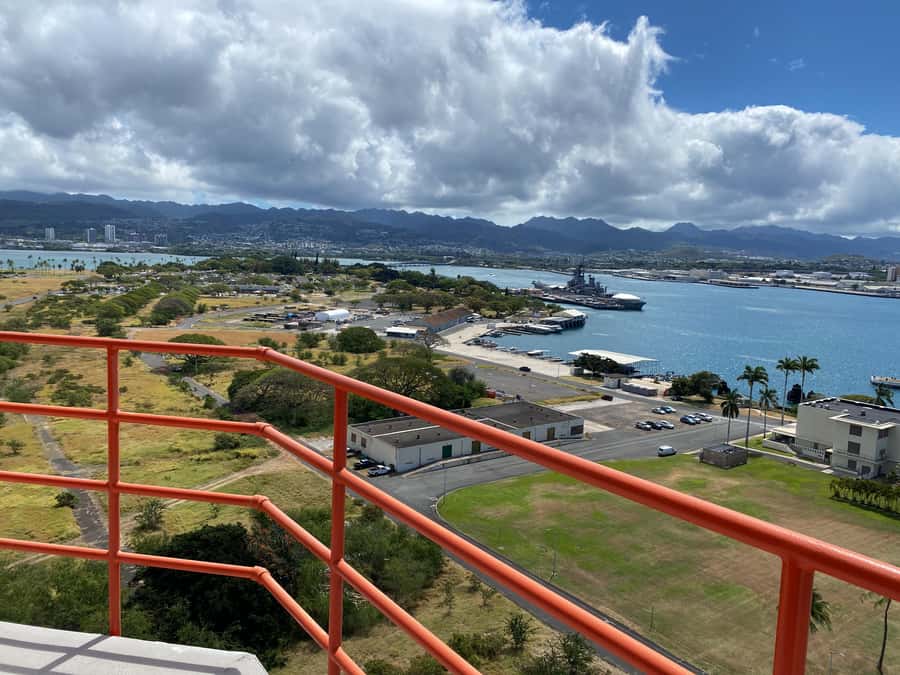
If you can add it, the Top of the Tower is the most “wow” experience on top of the hangars. It’s a guided tour of the Ford Island Control Tower, which lets you view the Pearl Harbor battlefield from a place designed for command and observation.
A few important details so you can plan without getting trapped by timing:
- The tour runs daily from 9:40 AM to 4:20 PM
- Tours run every 40 minutes
- You should arrive at least 10 minutes early
- Access is limited to no more than 30 minutes at the top
There’s also a children’s height rule: to access the Top of the Tower tour, children must be 42 inches tall. Infants and toddlers aren’t allowed on this tour.
And here’s the physical logistics note: the observation deck is reached by using handrails to climb two steep flights of stairs. Even though the overall museum is wheelchair accessible, this specific part includes stairs, so plan accordingly.
If you’re someone who likes views, this is the one add-on that gives you a geographic sense of scale. It can be especially powerful after you’ve walked through aircraft and exhibits, because you’ll finally connect the models and hangars to the real layout of Ford Island.
How to plan your day: pace, timing, and a “relaxed” strategy
This is one of those museums where you’ll enjoy it more if you don’t rush. There’s enough on your feet—hangars, pavilion, film, restoration—that a truly relaxed visit usually needs buffer time between stops.
A few practical tips that help you avoid the scramble:
- Go early. Shuttles run from 8:00 AM, and that helps you secure the widest choice of your route and add-ons.
- Build in a film buffer. _East Wind Rain_ is worth scheduling, not treating as a “maybe.”
- If you add Top of the Tower, schedule it thoughtfully. The tower tours run on a set pattern every 40 minutes, and you need to arrive 10 minutes early.
- Leave time at the end. Some areas—especially restoration—can take longer than you expect.
Also, since shuttle service runs 8:00 AM to 5:00 PM, don’t plan to be halfway through Hangar 79 at 4:50 with no margin. The museum hours may vary by day, but the shuttle window is clearly defined, so plan backward from it.
Who this museum ticket is best for (and who might not love it)
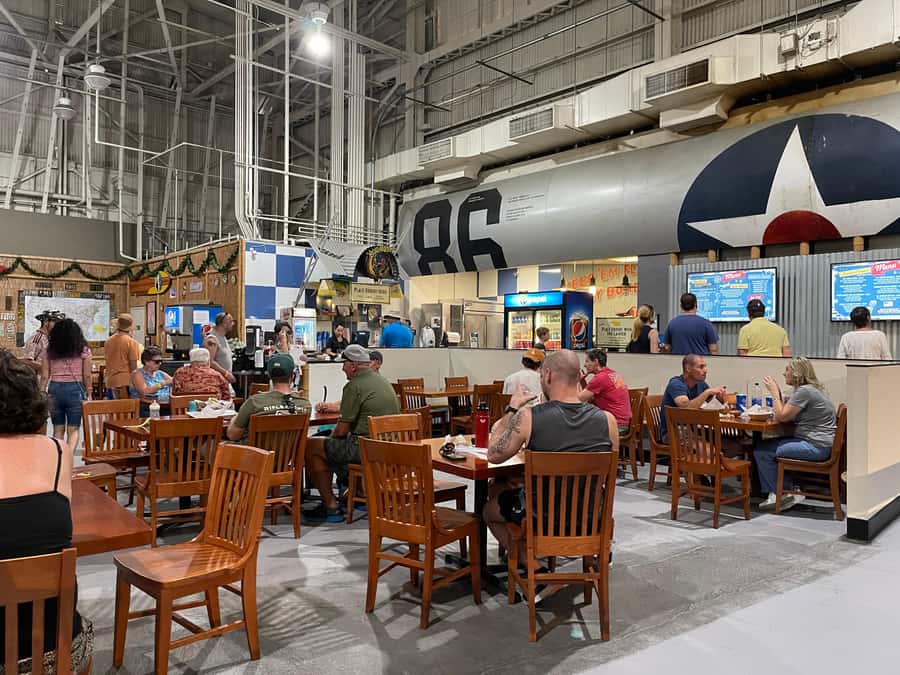
This ticket is ideal if you like aviation, aircraft, and the connection between technology and real events. It’s also a strong fit if you want a Pearl Harbor visit that goes beyond the standard memorial-style stops and gives you something more hands-on: you’ll be walking through hangars and seeing aircraft across multiple war eras.
You’ll likely be especially happy here if:
- You want to see more than one time period (WWII into later Gulf/Korea/Vietnam era aircraft)
- You enjoy museum audio guides and want help turning labels into meaning
- You’re curious about restoration, not just finished displays
If your goal is a fast, minimal-effort experience, this may feel like a lot. It’s not the place to do a quick photo circuit. It’s built for walking and reading and looking longer.
And if you’re mainly interested in the Fighter Ace 360 Simulator, remember it isn’t included. You’d need to decide if that simulator is a separate priority before you commit.
Should you book this Pearl Harbor Aviation Museum entry ticket?
Yes—if you want an aircraft-focused, visually grounded Pearl Harbor experience with real hangar atmosphere. The ticket value is strong because you get entry to multiple major areas, a free audio tour, and the shuttle ride to Ford Island. I also like that the museum doesn’t just stop at WWII: it follows the aviation story forward and shows restoration work in action.
I’d say book with extra confidence if Top of the Tower appeals to you. It’s the best way to get the full “where am I in the story” feeling from the Ford Island Control Tower.
I’d reconsider only if you know you’ll show up carrying lots of gear and don’t want to deal with the no-bag shuttle rules. If that’s you, pack lighter or plan storage at Bowfin so you don’t lose time.
FAQ
What’s included with the Pearl Harbor Aviation Museum entry ticket?
The ticket includes Pearl Harbor Aviation Museum entry, a free audio tour, access to Hangar 37, Hangar 79, and the Raytheon Pavilion, and the free Pearl Harbor shuttle between 8:00 AM and 5:00 PM. If you select it, it also includes the Top of the Tower tour.
Is the Fighter Ace 360 Simulator included?
No. The Fighter Ace 360 Simulator is not included with this entry ticket.
Where do I meet, and how often do shuttles run?
You’ll take the shuttle from the Pearl Harbor Visitor’s Center. Shuttles depart every 15 minutes from 8:00 AM to 4:00 PM.
Are bags allowed on the shuttle to Ford Island?
No bags are allowed on the shuttle to Ford Island, including backpacks and large bags/luggage. There is a bag storage facility at the Bowfin Submarine Park shuttle bus stop for a fee.
How much does bag storage cost if I need it?
Bag storage costs $6.00 per bag, or $7.50 for large bags and/or luggage.
What are the hours for the Top of the Tower tour?
The Top of the Tower tour runs daily from 9:40 AM to 4:20 PM, with tours every 40 minutes. You should arrive at least 10 minutes early.
What languages are available on the audio guide?
The audio guide is available in English, Japanese, Spanish, Korean, and Chinese.