REVIEW · POLYNESIAN CULTURAL CENTER TOURS
Oahu: Polynesian Cultural Center Island Villages Ticket
Book on GetYourGuide →Operated by Polynesian Cultural Center · Bookable on GetYourGuide
Six villages. One ticket.
This is the Polynesian Cultural Center’s Island Villages pass, a fast way to see Hawaii, Aotearoa (New Zealand), Fiji, Tahiti, Tonga, and Samoa all in one place. I like that it’s hands-on, not just watching—hula, games, spear throwing, coconut crafts, fishing, and a temporary tattoo. One watch-out: it’s admission to the villages only, so if you want the full evening luaus or large shows, you’ll need separate tickets (and you’ll spend more).
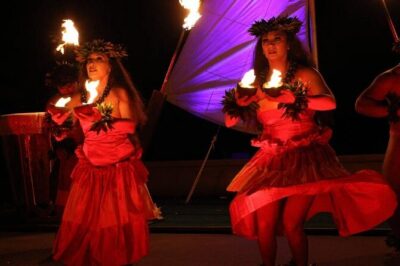
I also like the energy from the people working the stations and the way dance moments are built into your route. If you’re aiming to catch multiple cultural presentations across six areas in only 5 hours, you’ll want a simple plan—otherwise you may skip parts just because you ran out of time.
In This Review
- Key Points You’ll Care About
- The Island Villages Ticket: What It Feels Like On Arrival
- How the 5 Hours Works (and How to Plan Without Stress)
- Island of Hawaii: Hula, Ambassadors, Traditional Food, and Fishing
- Island of Aotearoa (New Zealand): Maori Tattoos, Poi Balls, and the Haka
- Island of Fiji: Coconut Oil Making, Music and Dance, and a Temporary Tattoo
- Island of Samoa: Fresh Coconut, Fire Starting, Weaving, and Island Food
- Island of Tahiti: Fishing with a Pole, Spear Throwing, and Pearl Farm History
- Island of Tonga: Dance Without Standing, Outrigger Canoe Paddling, and Tongan Games
- Price and Value: Is $103 a Fair Trade?
- What to Bring (and the Stuff You Can’t Bring)
- Who This Fits Best
- Should You Book the Island Villages Ticket?
- FAQ
- How long is the Island Villages ticket valid?
- What does this ticket include?
- Does the ticket include luaus or evening shows?
- Where do I go for check-in?
- What should I bring?
- Are there restrictions on what I can wear or bring?
- Is it wheelchair accessible?
Key Points You’ll Care About
- Six cultures, walking distance: You’re moving through six distinct villages on Oahu’s Polynesian Cultural Center grounds.
- Choose your pace, then line up with show times: Dances and presentations happen at set times across the day.
- Hands-on activities beat passive touring: Expect fishing, spear throwing, fire starting, coconut oil, canoe paddling, and more.
- Temporary tattoo opportunity: You can get a temporary tattoo during the Fiji experience.
- Food isn’t a full meal ticket: You may get tastings, but don’t assume lunch or dinner is included.
- Admission-only value check: It covers the village areas, not luaus or separate performances.
The Island Villages Ticket: What It Feels Like On Arrival
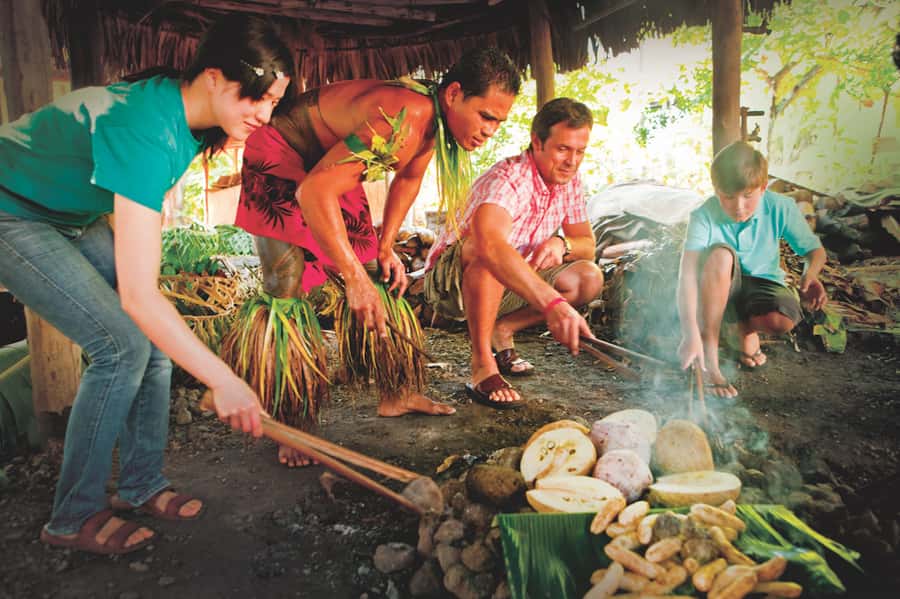
The Polynesian Cultural Center is set up like a living museum you can actually play in. Your ticket gets you entry to the six Island Villages, where you explore at your own pace and catch cultural presentations when they’re scheduled. The experience is designed around short learning moments plus repeatable hands-on stations, so you can shape it around what you enjoy most.
The biggest difference versus a standard attraction? You’re not only moving from stop to stop. You’re also doing things—trying a game, learning a dance pattern, or practicing traditional skills like spear throwing or fire starting. If you like active travel, you’ll do well here.
You should also know the practical frame: the ticket is valid for 5 hours from first activation. That pushes you to manage time. Wear comfortable shoes, keep your water and snacks strategy smart (food and drink are not included), and treat the cultural presentations like timed bus arrivals—miss one and you wait for the next one.
You can also read our reviews of more tours and experiences in Oahu


How the 5 Hours Works (and How to Plan Without Stress)
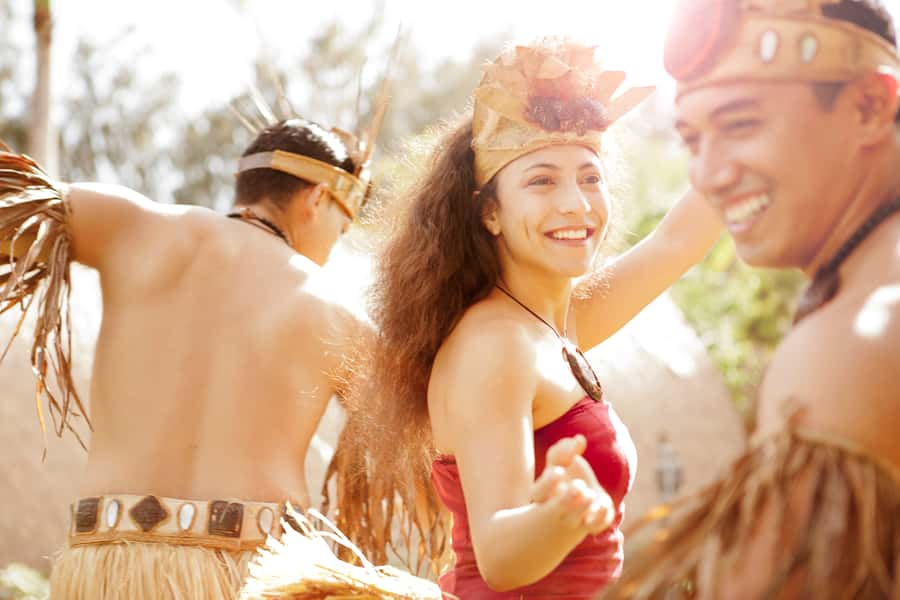
You can go at your own pace, but the timed cultural presentation windows are what pull you through the day. Each island village has its own approximate presentation times, so you’ll get the best results by picking your top priority and using the rest as bonuses.
Here’s the time rhythm to keep in your head (approximate):
- Island of Hawaii: 1 PM, 2 PM, 3 PM, 4 PM, 5 PM
- Island of Aotearoa: 1:30 PM, 3:30 PM, 4:30 PM
- Island of Fiji: 1:30 PM, 2:30 PM, 3:30 PM, 4:30 PM
- Island of Samoa: 1 PM, 2 PM, 3 PM, 4 PM, 4:30 PM
- Island of Tahiti: 1:30 PM, 2 PM, 3 PM, 4 PM
- Island of Tonga: 1:30 PM, 3:30 PM, 4:30 PM, 5 PM
If you start at the earliest activation, you can generally structure your route to see multiple highlights per village. If you start later, you’ll likely have to be selective. A simple tactic: arrive ready to participate, then aim for one “can’t miss” activity per island and use the rest of the hour for extra stations and learning.
Also keep in mind: transportation isn’t included. You’ll need your own ride, parking plan, or shuttle plan to get to Polynesian Cultural Center at the meeting point.
Island of Hawaii: Hula, Ambassadors, Traditional Food, and Fishing
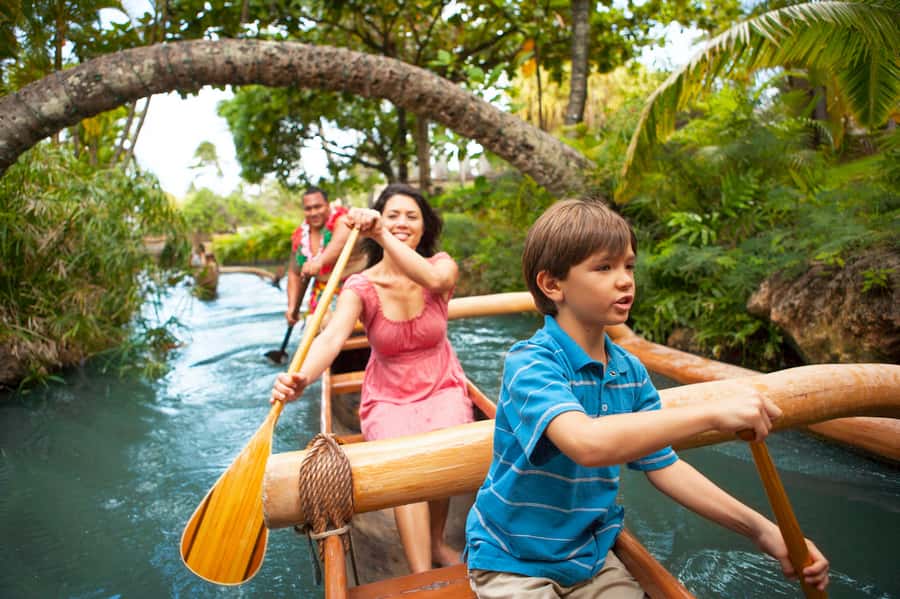
The Hawaii village is your “warm-up” zone—part cultural learning, part playful games, and a chance to get comfortable with the style of the program. Here you can join games and learn ancient-style dance movements with the ambassadors, plus get a taste of traditional Hawaiian food.
A standout feature is the practical side: you’ll have a chance to try your hand at fishing. That makes this village feel less like a lecture and more like a hands-on workshop where you can ask questions while you do the activity.
Presentation timing is frequent here: 1 PM through 5 PM at hourly intervals. That means if you miss one, you have good odds of catching another without scrambling too hard.
Consideration: If you’re the type who wants every station and every short talk, Hawaii is where you can lose time because it feels friendly and easy to stay longer than planned.
Island of Aotearoa (New Zealand): Maori Tattoos, Poi Balls, and the Haka

Aotearoa is where the experience turns more intense and symbolic. You’ll learn about Maori tattoos and the symbolism behind them, which gives context for what you might otherwise see as just decoration. It’s a useful reminder that culture is usually about meaning first, not just aesthetics.
Then you get into action. You can give poi balls a whirl, which is a different kind of movement than the dances you may have tried earlier. It’s also a great “try it once” activity—fast to start, fun to practice, and you don’t need special skills to enjoy the challenge.
And yes, you should plan to catch the Haka presentation. The Haka warrior dance adds power to the program and helps Aotearoa feel like more than a craft stop.
Aotearoa’s presentations run at 1:30 PM, 3:30 PM, and 4:30 PM. This isn’t the hourly rhythm of Hawaii, so check your timing early.
Consideration: If you arrive late, Aotearoa can be the first place you cut, because the presentation windows are fewer. If the Haka matters to you, protect that time slot.
Island of Fiji: Coconut Oil Making, Music and Dance, and a Temporary Tattoo
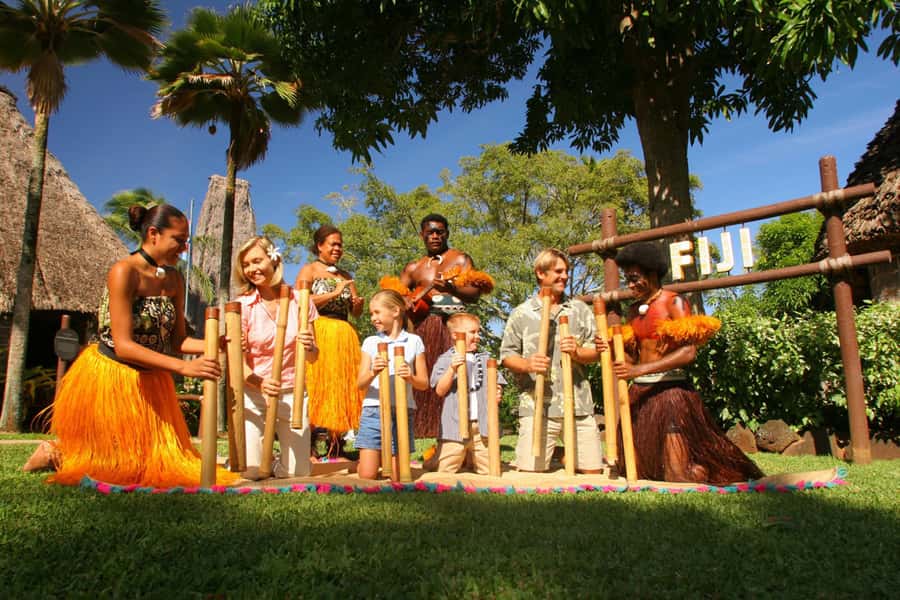
Fiji is built around rhythm and performance, with music and dance shaping the experience. If you like seeing how culture moves through sound and body, this village usually clicks quickly.
The hands-on section here is coconut-focused. You’ll learn about making coconut oil, which is one of those tasks that feels practical and real-world. It also gives you something tangible to remember after the dancing ends.
You can also get a temporary tattoo during the Fiji portion. That adds a playful souvenir element, but what makes it more than a gimmick is that it’s tied to the cultural setting of the village.
Fiji’s presentation times are 1:30 PM, 2:30 PM, 3:30 PM, 4:30 PM. Those are spread enough that you can fit in a dance moment without feeling like you’re sprinting across the site.
Consideration: Temporary tattoos take a few minutes. If you’re tightly timing your route, factor in that you won’t instantly bounce to the next activity.






Island of Samoa: Fresh Coconut, Fire Starting, Weaving, and Island Food
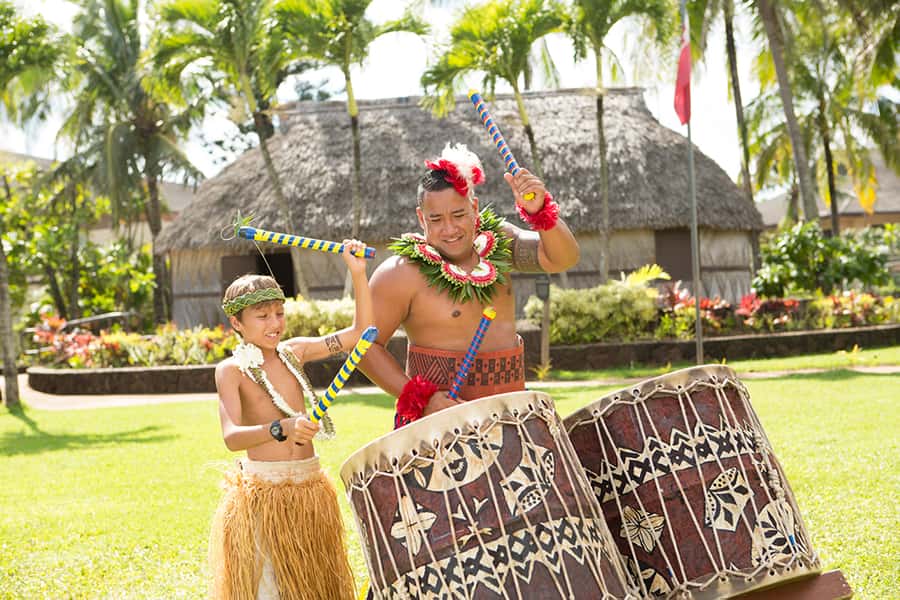
Samoa is often the crowd-pleaser zone because it feels hands-on from the first moment you step in. You get to crack open a coconut picked fresh before your eyes, and that’s exactly the kind of interactive detail that makes this pass feel worth it. It turns the “village tour” into a lived-in experience.
Then comes fire starting—the old-fashioned way—which is both impressive and a little humbling. You’ll also learn to weave a fish, and there’s a focus on cooking island food and traditional architecture.
The presentation schedule for Samoa is one of the busiest: 1 PM, 2 PM, 3 PM, 4 PM, and 4:30 PM. That gives you flexibility. If you’re running slightly behind in the earlier islands, Samoa often helps you recover because it has more entry points.
Consideration: Samoa’s interactive activities can be popular. If you hate waiting for your turn, start early in this village rather than arriving near the last presentation.
Island of Tahiti: Fishing with a Pole, Spear Throwing, and Pearl Farm History
Tahiti is where the program adds more skills that feel physical and competitive—without turning it into a workout class. You can try fishing with a pole, which fits nicely alongside the spear-focused activities later in the village.
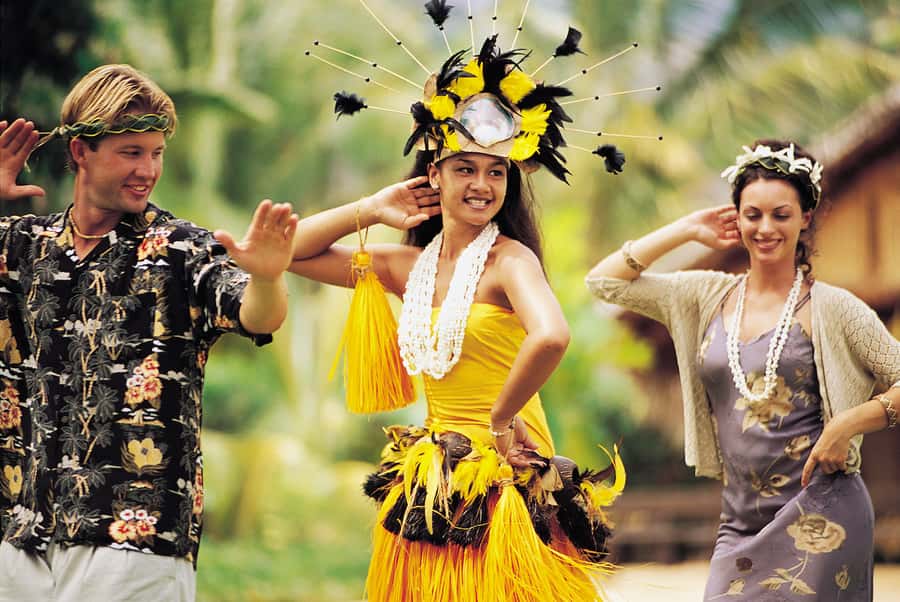
There’s also a performance-learning element. You can practice a romantic dance, which is a different energy than the warrior-style intensity you get in Aotearoa and the rhythmic soundscape of Fiji. If you like the softer side of dance, Tahiti is a good balance.
For the hands-on challenge lovers, Tahiti includes spear throwing. Even if you don’t get it perfect, it’s the kind of activity that makes you feel like you’re participating instead of observing.
You’ll also hear the history of pearl farms, plus information about tattoos and Tahitian royalty. That context helps the dance and skills feel connected to a larger story, not just random activities.
Presentation times here are 1:30 PM, 2 PM, 3 PM, and 4 PM. That means Tahiti is easiest earlier in your 5-hour window.
Consideration: If you want Tahiti’s spear throwing and a presentation, don’t schedule too many “slow” stops before it.
Island of Tonga: Dance Without Standing, Outrigger Canoe Paddling, and Tongan Games
Tonga is the “movement and momentum” village. You can dance without standing, which sounds unusual until you try it. The experience leans into playful control—learning patterns and keeping up with the rhythm while staying seated.
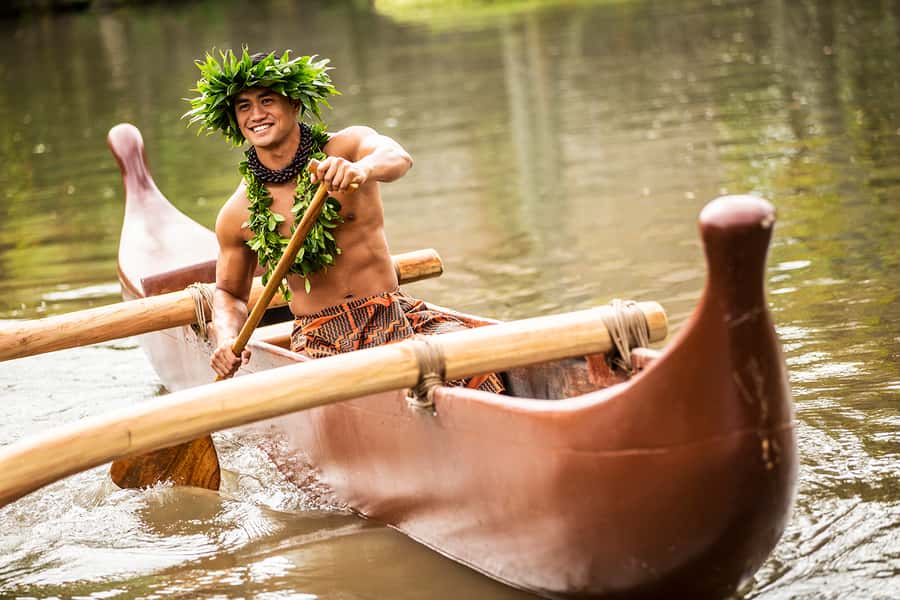
You’ll also get a rousing performance and a chance to paddle on an outrigger canoe, which is one of the most memorable add-ons in the entire pass. It also makes Tonga feel different from the other villages because you get the water-based action (even in a short, structured way).
Then it turns to participation again: Tongan games plus moments where you get to feel like you’re part of the culture’s social setting, described as experiencing what it’s like to be a queen.
Presentation times for Tonga are 1:30 PM, 3:30 PM, 4:30 PM, and 5 PM. If you’re planning to end your route here, starting around the earlier window gives you the best chance to catch at least one presentation and still have time for canoe paddling.
Consideration: The canoe activity can be the one that dictates your pacing more than you expect. Don’t build a tight timeline that leaves no room for it.
Price and Value: Is $103 a Fair Trade?
At $103 per person, this ticket sits in the mid-to-higher range for Oahu day activities. The value case is simple: you’re paying for admission to all six island villages and the chance to do a lot of hands-on cultural activities in one trip.
Where it can feel expensive is when you compare it to a single attraction. If you only want passive sightseeing or you planned to attend a separate luau and didn’t realize this ticket doesn’t include luaus or the larger shows, the cost can sting.
Here’s how to decide if it’s worth it for you:
- If you want multiple cultures in one go (Hawaii + Aotearoa + Fiji + Samoa + Tahiti + Tonga), the ticket is efficient.
- If you love doing rather than just watching, the fishing, spear throwing, coconut oil, fire starting, weaving, and canoe paddling help justify the price.
- If you’re counting on food and drink being included, plan differently. Food and drink are not included, and you should treat any tastings as bonus moments rather than a full meal plan.
Also note: the program runs for 5 hours, so you’re buying a time block. If your schedule is tight, that’s a plus. If you have the freedom to stretch your day with smaller activities, you might feel less pressure to “use every minute” here.
What to Bring (and the Stuff You Can’t Bring)
This is an active, mostly outdoor setup. Bring comfortable shoes you don’t mind getting a little dusty. High heels are not allowed, and you shouldn’t try to “dress up” for this. Think practical first.
Leave at home anything that could be unsafe or disruptive: weapons or sharp objects, plus alcohol and drugs aren’t allowed. The rules are simple, and they keep the activities smooth.
Food and drink aren’t included, so plan accordingly. Even if you get tastings in some villages, don’t plan your day as a full meal included package.
If you’re sensitive to timing, also remember the ticket is valid for 5 hours from first activation. Wear a watch or keep your phone charged. You don’t want to find out your time window ended while you’re halfway into an activity.
Who This Fits Best
This ticket makes the most sense for you if:
- You want a structured route through Polynesian cultures without hopping between islands.
- You enjoy short lessons and hands-on stations like dancing, fishing, and craft-style activities.
- You’re traveling with friends or family who will trade off between watching and participating.
- You like events that have scheduled performance moments but still let you roam at your own pace.
It’s less ideal if you only want one or two simple photo stops. The experience works when you participate and when you plan around presentation times.
And if you’re thinking about weather: the program is village-based and performance-focused, so a less-than-perfect day still works. The bigger factor is your time management more than anything else.
Should You Book the Island Villages Ticket?
If you want six Polynesian villages in one 5-hour block and you’re excited to do things—try fishing, spear throwing, fire starting, canoe paddling, and learn dance basics—this ticket is a strong buy. The hands-on format and the repeated presentation opportunities help you get your money’s worth faster than a typical museum-style ticket.
If your main goal is a big evening show or a full meal experience, don’t assume this covers it. Plan on separate tickets for luaus and add your own food strategy. With that understanding, I’d book it.
FAQ
How long is the Island Villages ticket valid?
The ticket is valid for 5 hours from first activation.
What does this ticket include?
It includes admission to the Island Villages at the Polynesian Cultural Center.
Does the ticket include luaus or evening shows?
No. This ticket is for the Island Villages only, and luaus or shows require separate tickets.
Where do I go for check-in?
Your meeting point is Polynesian Cultural Center.
What should I bring?
Bring comfortable shoes.
Are there restrictions on what I can wear or bring?
High-heeled shoes are not allowed, and weapons/sharp objects and alcohol and drugs are not allowed.
Is it wheelchair accessible?
Yes, it is wheelchair accessible.