REVIEW · POLYNESIAN CULTURAL CENTER TOURS
Polynesian Cultural Center: Islands of Polynesia Admission Ticket
Book on Viator →Operated by Polynesian Cultural Center · Bookable on Viator
A trip to Polynesia, without leaving Oahu. The Polynesian Cultural Center bundles multiple Polynesian cultures into one walkable park, with a 3-day villages pass included after your first entry. I especially like the hands-on activities (from spear throwing to Samoan cooking) and the chance to upgrade to the night show, Ha: Breath of Life. One thing to consider: there’s a lot of walking in warm weather, and shade can feel limited outside the performance zones.
On Oahu’s North Shore, about an hour from Waikiki, the pace stays friendly: short village stops, frequent demonstrations, and plenty of places to regroup between shows.
In This Review
- Key things to know before you go
- Where the Polynesian Cultural Center fits on Oahu
- The ticket’s real value: what the 3-day pass includes
- Your day flow inside the Islands of Polynesia villages
- Village activities you can actually do
- Kids’ favorites: tattoos and canoe moments
- The canoe show and lagoon experiences
- Performances and how to choose what you’ll miss
- Ha: Breath of Life and the Ali’i Luau upgrade options
- Ha: Breath of Life (night show)
- Ali’i Luau dinner package (and why dinner changes the pacing)
- Food and drink: where the day can surprise you
- A note on lunch and buffet satisfaction
- Heat, shade, and comfort on Oahu’s North Shore
- Getting there and moving around the park
- If you’re using hotel pickup
- If you’re driving or using the bus
- Walking and electric carts
- What it’s like for different groups
- Families
- Culture-curious adults
- Couples and friends
- Price and value: does $103.50 make sense?
- Should you book the Islands of Polynesia admission ticket?
- FAQ
- What does the Islands of Polynesia admission ticket include?
- Where is the Polynesian Cultural Center on Oahu?
- How long is the experience?
- Is round-trip transportation available?
- Are there options for people who have trouble walking?
- Is it possible to cancel for a refund?
Key things to know before you go

- Six Polynesian island villages in one park: you’ll move from culture to culture through demos and activities.
- A real 3-day pass for the villages: the ticket includes access beyond just one afternoon or evening.
- Canoe pageant and lagoon tours: Huki and the canoe experiences help anchor the day with a Pacific maritime feel.
- You control the level of dinner and night show: the base admission doesn’t automatically include dinner or Ha.
- Plan for heat and walking: the grounds are open-air, so bring water and give your feet a break.
- Electric carts can help: if you have trouble walking, reserve an electric cart in advance.
Where the Polynesian Cultural Center fits on Oahu

The Polynesian Cultural Center sits on the North Shore of Oahu, not far from the bigger Waikiki hotel zone in driving time, but worlds apart in mood. It’s set up like a living cultural park, built around performances, crafts, and hands-on lessons instead of just sightseeing. Since it opened in 1963, it’s welcomed millions of visitors, and it runs as a non-profit, with its revenue supporting daily operations and the education of student employees from Brigham Young University-Hawaii.
What that means for you: you’re not just buying tickets to entertainment. You’re funding the place where students learn their roles and where the center keeps its daily program running. That gives the whole experience a bit more purpose.
You can also read our reviews of more tours and experiences in Oahu


The ticket’s real value: what the 3-day pass includes
Your admission for Islands of Polynesia comes with access to the village experience for a multi-day window: it’s a 3-day pass after your initial visit. So even though the visit is often described as around 6 hours for the first day, you’re not locked into seeing everything in one shot.
Instead, you can spread it out. That’s a big deal when you’re traveling with kids, or when your group has different interests. Someone might want more time at the demonstrations. Someone else might rush to the next show. With the pass, you can come back and close the gaps.
The park showcases seven cultures: Tahiti, Hawaii, Tonga, Samoa, New Zealand, the Marquesas, and Fiji. Each village has its own rhythm and different activities, so you’re not repeating the same performance seven times.
Your day flow inside the Islands of Polynesia villages
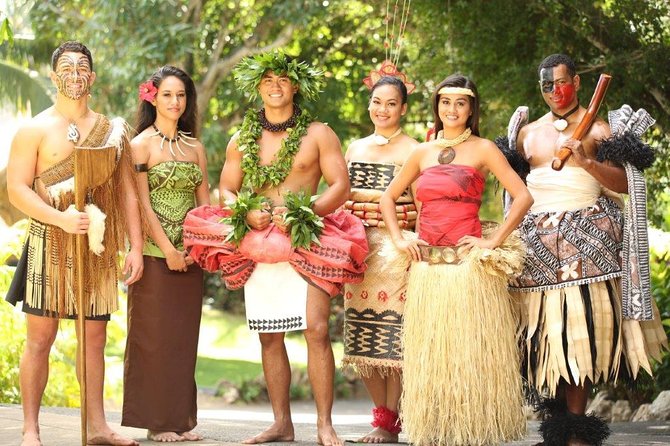
The center’s main structure is simple: you start at the center, then move through island villages where cultural practices are explained and sometimes handed to you for trying. Expect a mix of short demonstrations and participatory activities.
Here’s what you should look for as you plan your timing:
Village activities you can actually do
This is not a purely spectator day. Many stations invite participation, such as:
- learning ukulele basics
- spear throwing try-outs
- spear-related or hunting-style activities depending on the village program
- fishing-related demonstrations
- learning how to cook an authentic Samoan meal
Some experiences are more kid-friendly than others, but the overall layout is family-ready. If you travel with different ages, you’ll still find something to grab everyone’s attention.
Kids’ favorites: tattoos and canoe moments
For smaller kids, the fun often comes from playful, do-it-yourself stations. You might see activities like tattoo-style experiences or a canoe ride linked to the lagoon setting. Even adults tend to enjoy these because they add a “try it” element, not just a lecture.





The canoe show and lagoon experiences
The program includes Huki: The Canoe Pageant and canoe tours through the villages. This is one of the best ways to feel how movement and water shape Pacific cultures. It’s also a good mid-day anchor when you need a break from nonstop walking between smaller demos.
Performances and how to choose what you’ll miss

Across the day, you’ll run into performances and demonstrations in each village. The core idea is to keep your schedule flexible: shows are built into the village flow, so you’re not stuck waiting for one fixed time slot all day.
If your plan includes an evening show upgrade, I’d suggest watching at least some of the village performances rather than trying to rush everything. The day program works best when you let it breathe. The center is busy, but it’s laid out so you can recover between stages.
Ha: Breath of Life and the Ali’i Luau upgrade options
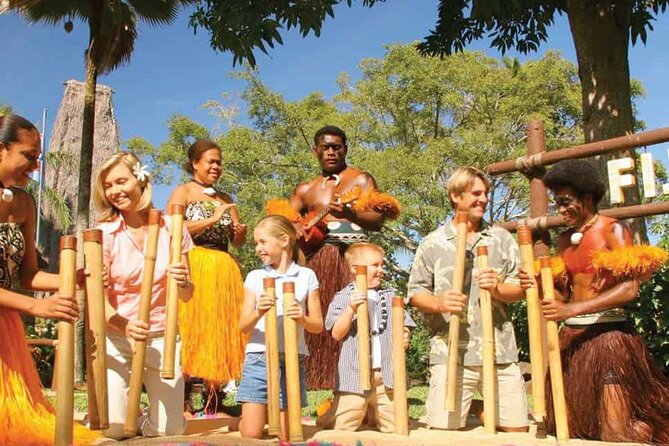
Your base admission includes the Islands of Polynesian Villages 3-day pass, but two big items are not automatically included:
- Dinner
- the evening show Ha: Breath of Life
That’s where your decision comes in.
Ha: Breath of Life (night show)
If you want the “big production” moment, this is the one. Ha: Breath of Life features over 100 performers, blending ancient folklore and history with traditional music and dance. It also includes knife dancers and fire walkers, so it’s not just a music-and-dance performance. It’s the kind of night show that tends to make people feel like the whole park experience is worth it.
Practical tip: if you care about photos or recording, be ready for rules. One account in the provided info described strict enforcement about recording during the night show, so plan to enjoy it without heavy filming.
Ali’i Luau dinner package (and why dinner changes the pacing)
There are upgrade paths that combine dinner with a dinner-show style experience, such as the “Ali’i Luau” dinner package. If you’re traveling with kids or you want a smoother evening, bundling dinner with an event can keep your night from turning into a logistical scavenger hunt.
Dinner quality can vary by package and meal format. Some people describe the food as fantastic, while others found at least one buffet option only mediocre. So if food is a top priority, consider upgrading and choose the meal option that matches how you want your evening to feel.
Food and drink: where the day can surprise you

The center has multiple places to eat. You’re likely to find both international-style options and traditional Polynesian favorites. Traditional dishes can include things like kalua pork, poi, taro-based dishes, and island-style desserts, alongside more familiar choices.
Here’s how I’d handle food expectations:
- If you’re chasing the most authentic Polynesian menu, focus on village and traditional items, not only the “standard food” stands.
- If you’re traveling with picky eaters, you’ll probably find something workable somewhere on-site.
Dietary needs: one note in the info mentions that gluten-free diners found plenty of choices at at least one dining area. If that’s your situation, don’t guess. Tell staff about your needs and ask what fits.
A note on lunch and buffet satisfaction
Even when the overall experience is praised, the buffet can be a mixed bag. If you’re the kind of person who needs great food to feel satisfied, I’d treat dinner and meal format as a separate decision, not a guaranteed win.
Heat, shade, and comfort on Oahu’s North Shore

This is outdoor programming. That’s part of the charm, but it affects your comfort.
One concern that shows up in the info you provided: shade isn’t evenly distributed, and on hot or humid days it can feel tougher to stay comfortable outside the performance areas. So plan like it’s a summer day, because it often will be.
Bring or plan for:
- water (and refill plans)
- sun protection
- light layers
- a plan to take short breaks between villages
Also, consider timing. Getting to the center early can help you beat lines, and it reduces the odds of feeling rushed later when you’re already tired.
Getting there and moving around the park

The center is about an hour from Waikiki. You can go on your own, or use optional round-trip transportation if your package includes it.
If you’re using hotel pickup
Some packages offer transportation on select offerings. If you book through a third-party platform, it’s worth double-checking pickup location and timing in advance. One provided account described confusion about pickup details when booked through a third party, so don’t assume it will be clear.
If you’re driving or using the bus
If you prefer freedom, you can drive yourself or use public transportation. One practical tip included in the provided info mentioned using Bus 55. Still, confirm routes close to your travel date.
Walking and electric carts
The park is designed for movement across villages, which means walking. If you have mobility issues, the info you provided suggests reserving an electric cart in advance. That single step can turn the experience from stressful to fun.
What it’s like for different groups
This ticket and park program fits a few types of travelers very well:
Families
For families, the blend of short activities, multiple performance spots, and kid-friendly participation stations makes it easier to keep everyone engaged without one long stretch of “sit and listen.”
Culture-curious adults
If you want more than a show and you like learning through doing—crafts, music, cooking, and cultural lessons—this format can be satisfying. You get repeated context across several island cultures rather than one isolated performance.
Couples and friends
For couples and friends, the value often comes from pacing and the “experience arc”: village activities during the day, then an optional high-impact night show. If you skip the Ha upgrade, you might feel like the evening is missing its big crescendo.
Price and value: does $103.50 make sense?
At $103.50 per person, you’re paying for more than one show. Your base ticket includes:
- the village experience
- interactive activities across the cultures
- and a 3-day pass after your first visit
That multi-day access is a key value driver. If you can return (even for part of the next day), you’re spreading the cost across more time and more village stops without the pressure of squeezing everything into one afternoon.
The upgrades matter for overall satisfaction. The base ticket does not include dinner or the Ha night show. If you want both, you’ll be paying extra anyway, so decide early whether your priorities are:
- maximum cultural village time with minimal add-ons, or
- a classic “day program plus big night show” experience.
In short: the price can feel fair if you plan your day smartly and treat Ha and dinner as optional choices, not automatic assumptions.
Should you book the Islands of Polynesia admission ticket?
I’d book this if:
- you want a full-day cultural park with lots of hands-on activity
- your group includes kids or mixed ages and you need built-in variety
- you like the idea of a 3-day villages pass so you’re not forced into a single rushed visit
I’d think twice if:
- you only want one show and don’t care about village learning stations
- your group hates outdoor walking or waits
- you’re strongly food-focused and expect every buffet to be a guaranteed hit
If you do book, plan the day for comfort: get there early, carry water, and consider an electric cart if walking is an issue. Then decide on the evening upgrade based on what you want the final memory to be: the energy of Ha: Breath of Life or a dinner-show format through an Ali’i Luau package.
FAQ
What does the Islands of Polynesia admission ticket include?
The ticket includes the Islands of Polynesia Villages 3-day pass. It does not automatically include dinner or the Ha: Breath of Life evening show.
Where is the Polynesian Cultural Center on Oahu?
It’s on Oahu’s North Shore, about an hour from Waikiki.
How long is the experience?
Plan for about 6 hours for the visit.
Is round-trip transportation available?
Transportation is available as an option on select packages, including packages that add hotel pickup and drop-off.
Are there options for people who have trouble walking?
Yes. If walking may be difficult, you can reserve an electric cart in advance (if available for your needs and dates).
Is it possible to cancel for a refund?
Yes. You can cancel for a full refund up to 24 hours in advance. If you cancel within 24 hours of the experience start time, the amount paid is not refunded. Service animals are allowed. Most travelers can participate.