REVIEW · SCUBA DIVING
Oahu: Wreck & Reef Scuba Dive for Certified Divers
Book on GetYourGuide →Operated by Dive Oahu Inc · Bookable on GetYourGuide
Wrecks full of life await off Oahu. This 3-hour wreck-and-reef scuba tour is built for certified divers with a small group, and it puts you over big-name wrecks like the Sea Tiger plus a second reef stop, guided by PADI-certified pros. I like that your day is designed around wildlife you can actually track down—whitetip reef sharks, sea turtles, rays, and huge schools of fish—rather than just looking around at the ocean floor.
The main thing to consider is conditions. Some sites can bring stronger currents, and that means you should be comfortable controlling buoyancy and following the plan closely.
In This Review
- Key Highlights
- Setting Off From the Harbor: Where the Day Starts
- Your Wreck Choice: Sea Tiger vs YO-257 and San Pedro
- Sea Tiger: deeper bottom, dramatic structure
- YO-257 and San Pedro: two ships, one visit
- The Reef Stop After the Wreck: Kewalo Pipe and Coral Life
- Wildlife Spotting Tips: What to Watch For, Where, and Why
- PADI Pros, Gear, and Wetsuits: What’s Included and What You Still Need
- What you bring
- Boat Comfort and Timing: How the 3 Hours Really Works
- Conditions can change the experience
- Price and Value: Is $248 Worth It for Certified Divers?
- Who Should Book This Tour (and Who Should Skip It)
- Quick Safety and Comfort Notes You Should Plan For
- Should You Book This Oahu Wreck-and-Reef Scuba Tour?
- FAQ
- How long is the tour?
- What wreck sites can certified divers choose?
- Is scuba gear and a wetsuit included?
- Do I need proof of scuba certification?
- What should I bring with me?
- Where do I meet the boat, and is parking available?
Key Highlights
- Sea Tiger wreck rests around 123 feet down, with structure in roughly the 60–90 foot range for dramatic sightlines
- YO-257 and San Pedro wrecks are paired targets about 50 yards apart, with San Pedro sometimes limited to ideal conditions
- Wildlife is the point: expect chances to see sharks, turtles, eels, rays, octopus, starfish, and more
- Gear and wetsuits are included so you’re not hunting rentals last minute
- Real boat comfort for a 3-hour day: sun deck, shaded deck, and a restroom onboard
Setting Off From the Harbor: Where the Day Starts
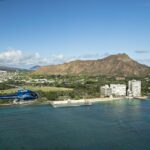
Your tour meets at Unit 109 at the harbor, right by the water action—so you’re not burning time in transfers. Parking is simple but paid nearby: Kewalo Basin runs about $2 per hour, while Ala Moana Beach Park is listed as free parking.
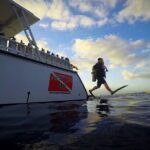
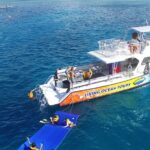
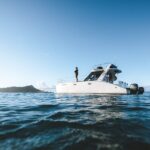
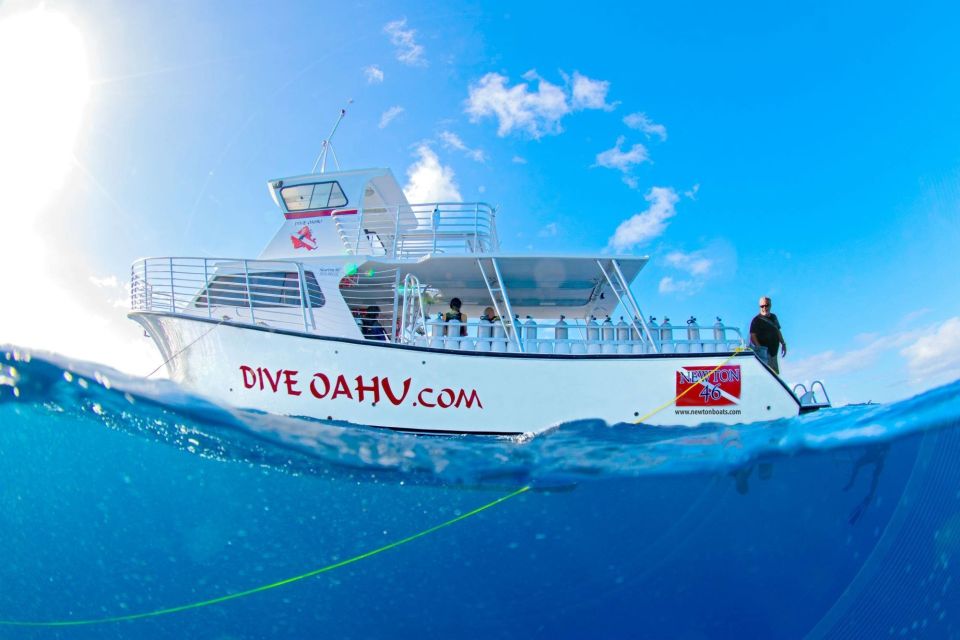
Timing matters here. You’ll want to arrive 30 minutes early so the team can handle waivers and get your gear fitted before you step onto the boat. Once aboard, the boat setup is practical: there’s a sun deck for direct light and a shaded area for catching your breath between underwater sessions. There’s also a restroom on board, which sounds small until you’re trying to stay relaxed for a tight 3-hour plan.
This kind of setup is a big part of the value. When the operation runs smoothly on shore, you spend more of the day underwater and less waiting around. The day is also wheelchair accessible, which is helpful if you’re planning around mobility needs.
You can also read our reviews of more scuba diving tours in Oahu
Your Wreck Choice: Sea Tiger vs YO-257 and San Pedro
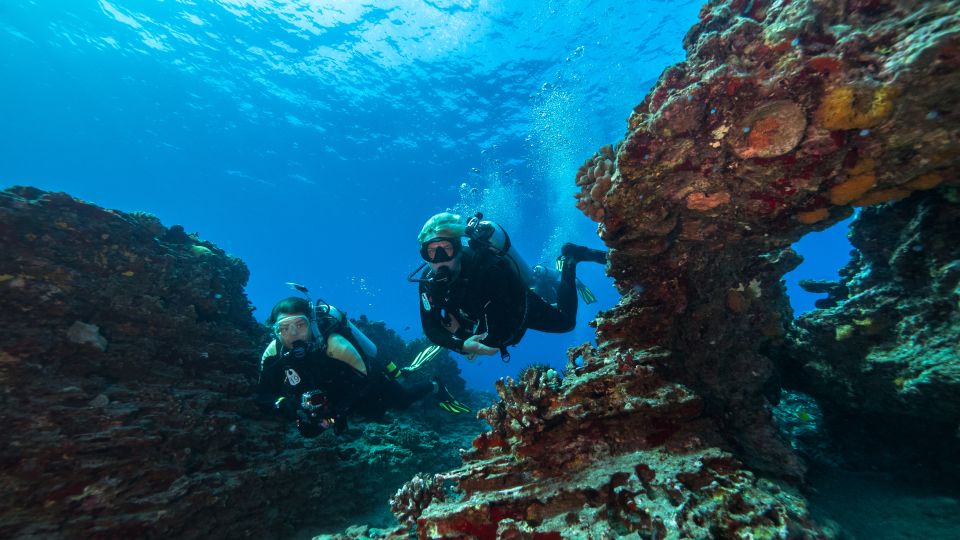
The heart of the experience is the wreck portion, and you have options. You can choose to go to Sea Tiger, or you can go to the YO-257 and San Pedro wreck sites. Both are set up as recreational targets, meaning they’re aimed at certified divers who want to see real structure without needing extreme technical planning.
Sea Tiger: deeper bottom, dramatic structure
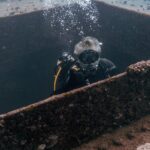
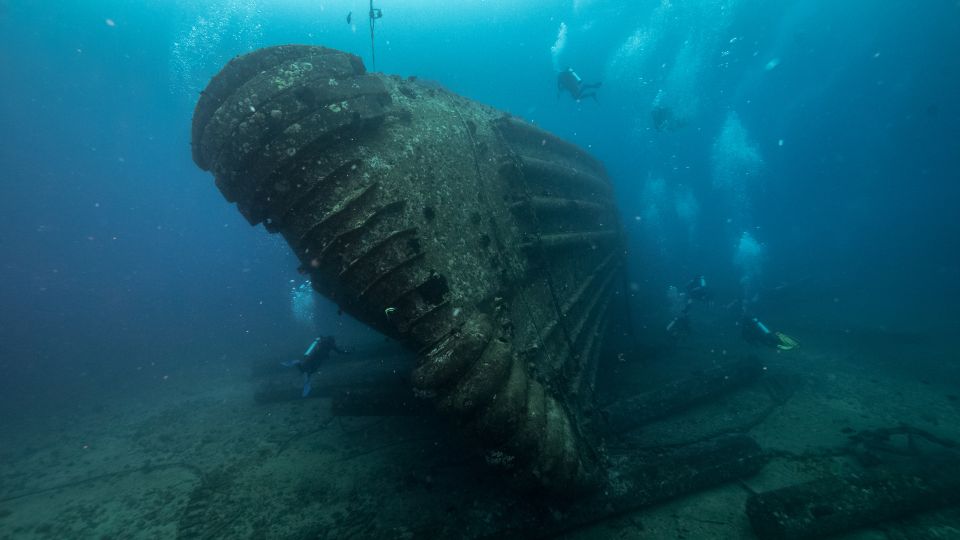
Sea Tiger is a former trading vessel resting in about 123 feet of water. The superstructure and deck sit shallower—roughly 60–90 feet down—so you get more than one type of view. One moment you’re watching the wreck’s depth disappear into blue; the next, you can work your way through the parts that sit higher off the bottom.
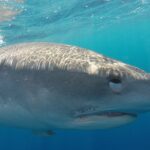
This site is especially worth it if you want a good mix of “big structure” plus a decent chance at memorable animals. Your guide will have you scanning for resident whitetip reef sharks, sea turtles, moray eels, eagle rays, and massive schools of fish. In other words: don’t just look for the metal—look for what’s using it.
YO-257 and San Pedro: two ships, one visit
For the paired option, you’ll explore two ships laid side by side with about 50 yards between them. That spacing matters. It can help you break the day into two distinct “beats” underwater instead of one long, repetitive look.
YO-257 rests in about 115 feet, with the superstructure and deck reaching around 70–90 feet. San Pedro is a bit shallower, and that’s where the tradeoff comes in: it can experience stronger currents, so it’s only done when conditions are ideal. If currents are running, the crew will steer the plan toward what’s safe and worth the effort—because rushing can ruin visibility and comfort.
The Reef Stop After the Wreck: Kewalo Pipe and Coral Life
After the wreck session, you get a surface interval with snacks and refreshments on board. That break is more than food. It gives you time to rehydrate, talk through what you saw, and reset your breathing before you head back in. For many divers, this is where you realize you’ve actually had a full day’s worth of underwater watching in a short timeframe.
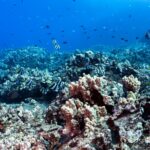
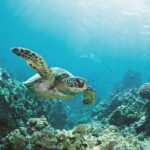
Then comes the second part: a guided outing at one of Honolulu’s favorite reef sites. The details you may see depend on the day’s conditions, but the wildlife list is consistent with Oahu’s famous reef ecosystem: sharks, turtles, eels, rays, octopus, starfish, crabs, Hawaiian endemic fish, and dolphins.
Some days, Kewalo Pipe comes up as the reef stop, and the vibe there is classic reef-scuba viewing: lots of smaller life, more movement in the water column, and the chance to spot animals closer to the coral structures rather than only on wreck lines. It’s also the kind of place where you can catch animals reacting to your presence—one of the fun surprises you’ll be looking for.

Wildlife Spotting Tips: What to Watch For, Where, and Why
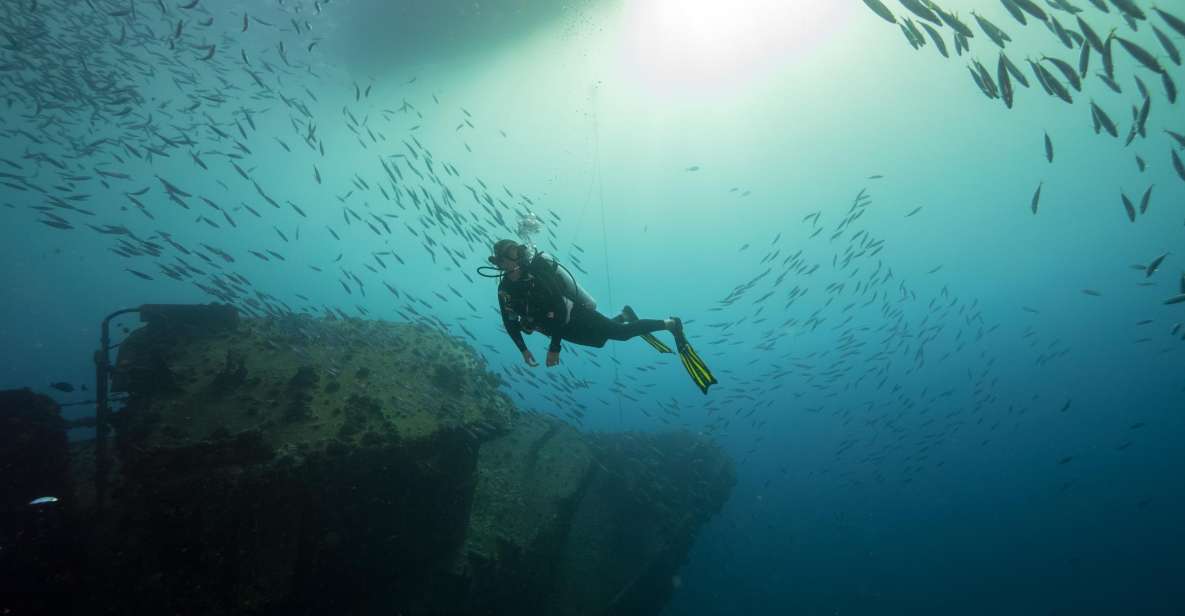
A wreck site can be spectacular, but wildlife doesn’t show up by magic. The way the tour is structured helps you scan efficiently, because you’re not doing solo wandering—you’re working with an instructor who can point you toward what matters most.
Here’s how I’d approach your “watch list” during the wreck portion and reef portion:
- Sharks and turtles: focus on calm, controlled movement. If an animal is interested, it often appears when you stop rushing and let the area come to you.
- Rays and eels: look for slow motion and sudden pauses near structure edges. Eels especially can hang where the wreck or reef offers cover.
- Massive schools of fish: don’t chase them. If you keep your position steady, schools often drift into view or shift as the currents move through.
- Octopus, starfish, crabs: these are often easier to spot when you slow down and scan the small zones—corners, ledges, and the immediate area around structure.
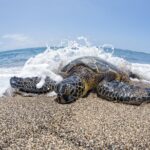
One reason I like this tour’s design is that it doesn’t sell you on one headline animal. It’s built for variety: you might get a big moment with a turtle cruising through the site, then follow with smaller “wow” moments like rays gliding past or an eagle ray silhouette cutting across your view.
And yes, you might even have a dolphin moment from the water surface as you’re going between areas—depending on day and conditions.
PADI Pros, Gear, and Wetsuits: What’s Included and What You Still Need
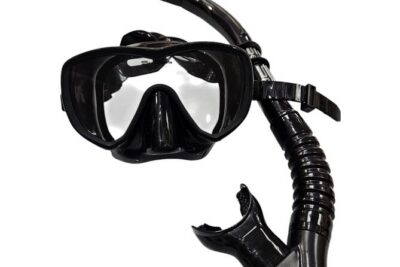
The operator includes premier gear rental, and wetsuits are included at no extra cost. That’s a real value boost. For visitors, the cost and hassle of renting on Oahu can add up fast, and quality gear matters for comfort when you’re in cooler water at depth.
You also get a guided tour with a PADI-certified instructor. The instructor’s job is not just safety. It’s also making sure you can follow the underwater plan, get the timing right, and know what to watch for at each site.
Language is listed as English. That can be totally fine, but if English isn’t your strong suit, give yourself a little extra attention during the briefing. One review noted that following instructions can be harder without at least some English support, so don’t assume hand signals will cover everything.
What you bring
Bring the basics so you’re not scrambling at the harbor:
- Swimwear
- Towel
- Sunscreen
- Your diving certification (proof is required before boarding)
You must also be able to swim and be in good health, and the tour isn’t suitable for children under 15 or pregnant women.
Boat Comfort and Timing: How the 3 Hours Really Works
On paper, 3 hours sounds compact—which it is. But the pace is managed by the operation: you board, get fitted, head out to the wreck site, run your wreck portion, take a surface interval with snacks, then do the reef portion, all while staying on a schedule that fits a morning or afternoon slot.
The boat itself helps. You have a sun deck for viewing, a shaded deck for recovery, and space to move around. A restroom onboard is one of those details you’ll appreciate if you’re prone to overthinking water activities until you’re thirsty and stressed.
Conditions can change the experience
This is where you’ll want to stay flexible. Oahu can be choppy, and stronger currents can affect which wreck site is chosen or how the day’s underwater plan is paced. If you’re prone to motion sickness, plan for it. If you get task-focused when you’re nervous, remind yourself to keep things simple: slow down, control your buoyancy, and listen for the next cue.
A negative review complained about short time underwater and feeling disappointed with wreck visibility. That kind of mismatch usually comes from conditions that limit what the crew can safely do, or from expectations that the day would run a certain way regardless of current and visibility. The best mindset is: you’re paying for an experience that’s guided and site-based, but the ocean decides how the day plays out.
Price and Value: Is $248 Worth It for Certified Divers?
At $248 per person for a 3-hour guided outing, the value depends on two things: what’s included and how much you care about not managing logistics. Here, the inclusion list is strong for visitors:
- premier gear rental
- wetsuits included
- guided instruction by a PADI-certified pro
- snacks and refreshments onboard
Parking isn’t included, so you’ll factor in nearby paid parking at Kewalo Basin or choose the listed free option at Ala Moana Beach Park. But compared to paying separately for rentals, a guide, and boat time, this package pricing tends to land closer to “reasonable” for many certified divers—especially if you’re here for a short visit and want one high-quality day instead of hunting down multiple bookings.
Where you get the best value is if you want real variety in one outing: a wreck portion with strong structure and wildlife odds, then a reef stop that can show smaller life and different animals.
If you already own excellent gear, are a very experienced diver with a flexible schedule, and can line up your own boat plan, the price can feel steep. But for most people visiting Oahu, the included gear plus pro guidance is the difference between a smooth day and a day that eats your time.
Who Should Book This Tour (and Who Should Skip It)
This works best for certified divers who:
- want a guided plan with structured underwater time
- like wreck structure plus reef wildlife in the same day
- want an operation that provides gear, wetsuit, and onboard snacks
It might not be the right fit if:
- you’re sensitive to boat movement in choppy water (some days can bring turbulence)
- you need very predictable conditions regardless of current (sites like San Pedro depend on ideal conditions)
- you’re not comfortable following instructions in English
And because all divers must show proof of certification and meet health and swimming requirements, it’s a “do it properly” tour—no shortcuts.
Quick Safety and Comfort Notes You Should Plan For
A few facts to keep top of mind before you go:
- You’ll be at the harbor 30 minutes before the scheduled boat time for waivers and fitting
- Avoid flying for 24 hours after your underwater sessions
- Follow crew instructions about staying within safe limits for your certification level
- Expect colder or cooler-feeling water at depth, even when the weather looks warm above
Also: sunscreen and a towel are your friends. You’ll be on a boat, moving between shaded and sun deck, and you’ll want to stay comfortable after the last check.
Should You Book This Oahu Wreck-and-Reef Scuba Tour?
If you want one straightforward, certified-diver day that targets wreck structure and reef wildlife, I’d say yes—book it, especially if Sea Tiger sounds like your kind of scene. The combination of wreck depth variation, the chance to see sharks and turtles, and the fact that gear and wetsuits come included makes the math work.
Book with a flexible mindset if you’re sensitive to currents or visibility. San Pedro is only done when conditions are ideal, and the ocean can also affect pacing and what’s safe to prioritize.
If your goal is maximum animal time with minimal logistics stress, this is the kind of tour that can deliver exactly that: guided, well-equipped, and focused on what you came for—structure and wildlife off Oahu.
FAQ
How long is the tour?
The tour runs for 3 hours.
What wreck sites can certified divers choose?
You can choose Sea Tiger, or you can choose the YO-257 and San Pedro wreck sites.
Is scuba gear and a wetsuit included?
Yes. The tour includes premier gear rental, and wetsuits are included at no additional cost.
Do I need proof of scuba certification?
Yes. You must show proof of certification through PADI or another approved diving course before boarding.
What should I bring with me?
Bring swimwear, a towel, sunscreen, and your diving certification.
Where do I meet the boat, and is parking available?
Meet at Unit 109 at the Harbor. Parking is available at Kewalo Basin for $2 an hour, or you can park for free at Ala Moana Beach Park.