REVIEW · SCUBA DIVING
Open Water Scuba Certification
Book on Viator →Operated by Honolulu Scuba Company and Dolphin Divers · Bookable on Viator
You can earn a real scuba credential in Oahu. This four-day SSI Open Water course pairs beach skill-building with two ocean open-water sessions, so you learn the gear and safety steps before you’re tested. Plus, you’re doing it in Hawaii, where the reef life makes every practice moment more fun.
I like that the format is structured across two consecutive weekends, so skills get reviewed and then applied in the ocean. I also like the human factor: the instructors named in the feedback (like Lenny, Theo, Jess, Ed, Chandler, Hunter, Anna, and Jake) are repeatedly praised for patience and keeping nervous students comfortable.
One thing to consider: it’s non-refundable and has a strict health/fitness reality check. If you’re sick (including COVID in one story) or you have medical limitations, the course may not work out the way you planned—so you’ll want a little flexibility in your schedule and a doctor-ready plan.
In This Review
- Key highlights that matter
- Honolulu Open Water: Why This Course Works in Real Life
- The 4-Day Schedule Over Two Weekends: What You’ll Do Each Morning
- Weekend 1, Day 1: Knowledge review + confined water practice
- Weekend 1, Day 2: Two ocean sessions
- Weekend 2, Day 3: Confined water finish-up
- Weekend 2, Day 4: Final check-out sessions
- Meeting Point and Timing: Plan Around a 7:00 AM Start
- What’s Included vs What You Must Bring (Mask, Fins, Boots)
- Digital Learning: The Part Before You Step Into the Water
- Ocean Conditions and Safety: How You Build Confidence Without Getting Rushed
- Who This Course Is Best For (And Who Should Reconsider)
- Price Check: Is $495 Good Value for SSI Open Water?
- What You’ll Actually See Off Oahu’s Coast
- The One Big Caution From Real Stories: Quality and Consistency
- Should You Book This Course?
- FAQ
- What certification will I earn?
- How long is the course?
- What happens on each day?
- Do I need to complete digital learning before Day 1?
- What scuba equipment is included?
- Can I buy the gear if I don’t have it?
- Where do we meet, and what time does it start?
- Do I need my own transportation?
- Are there health or fitness requirements?
- How many people are in the group?
Key highlights that matter
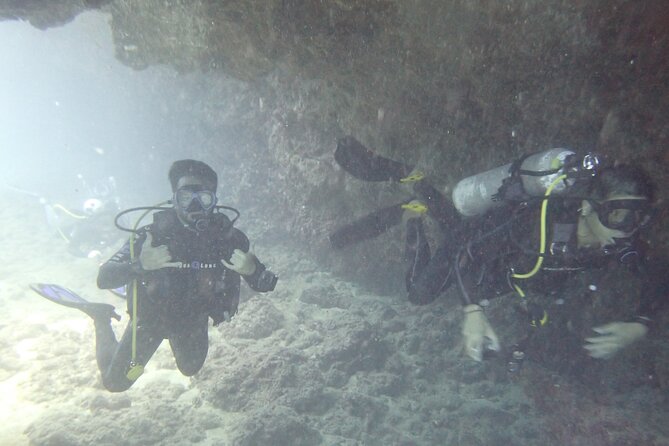
- SSI Open Water certification in four days with four local logged in-water sessions
- Small group size (max 8), which helps you get one-on-one coaching when you need it
- Two weekends, four parts: beach reviews first, then ocean check-outs at the end
- Equipment coverage is partial: you bring mask/snorkel fins/boots; most scuba gear is provided
- Instructors repeatedly praised for patience and safety-first pacing, including for first-timers
- Oahu reef wildlife sightings like sea turtles and lots of colorful tropical fish
Honolulu Open Water: Why This Course Works in Real Life
If you’re trying to get certified without guessing, this setup is built for that. You’re training on a schedule that moves from simple, controlled skill work to real open-water conditions in the ocean. That matters because the hardest part for many first-timers isn’t the ocean—it’s everything you have to remember at once: breathing control, hand signals, buoyancy, and staying calm when something feels new.
The course is also specific about outcomes. By the end, you earn an SSI Open Water Scuba Certification and you will have logged four local in-water sessions. That combination—credential plus real practice time—turns a vacation activity into something you can actually build on later.
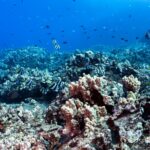
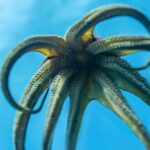
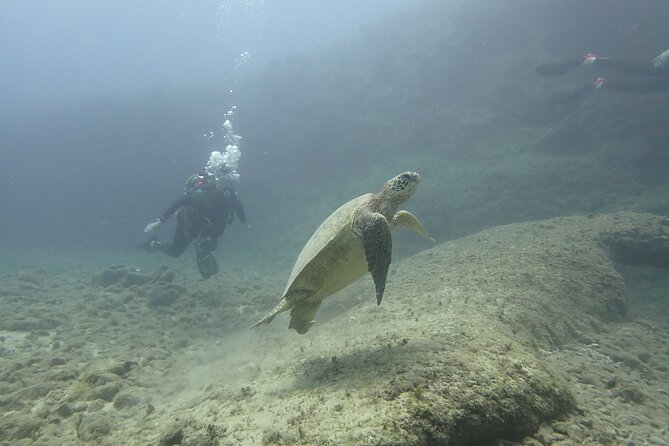
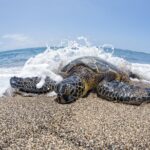
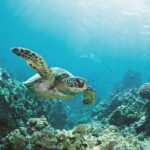
And yes, it’s in Honolulu. The whole point of practicing underwater in Hawaii is that you’re not just doing drills. Expect reef scenery and wildlife. Based on what people shared, sea turtles show up, along with octopus sightings and schools of colorful tropical fish. Even if your first goal is certification, it’s hard not to enjoy the payoff.
You can also read our reviews of more scuba diving tours in Oahu
The 4-Day Schedule Over Two Weekends: What You’ll Do Each Morning
This course runs for four days across two consecutive weekends. It’s designed so your first round of lessons lands, then you get a second chance to apply and polish them.
Here’s how the day flow is set up:
Weekend 1, Day 1: Knowledge review + confined water practice
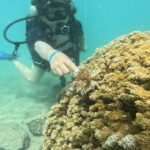
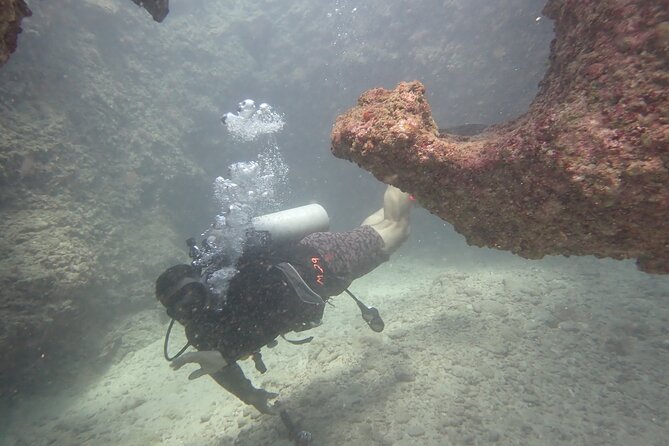
Day one starts with review and a final exam, then you move into confined water training from the beach. Confined water is where you learn the core skills without the ocean’s extra variables. You’ll practice the mechanics you need for later: comfortable breathing through the regulator, controlled movements, and core communication basics.
The practical win here: you’re not walking into open water as a total beginner. You’re showing up with a base level of comfort, then building from there.
Weekend 1, Day 2: Two ocean sessions
Day two includes two open-water sessions in the ocean. This is where the course shifts from “learning skills” to “using skills.” You’ll apply buoyancy control and communication in water with real conditions, while staying within a guided training environment.
Weekend 2, Day 3: Confined water finish-up
Day three completes the confined water training. Think of this as catching anything that didn’t fully click the first weekend. It also lets instructors watch you consistently, not just during the final check-outs.

Weekend 2, Day 4: Final check-out sessions
Day four is the final test: two check-out sessions. This is where you demonstrate that you can handle the skills under closer-to-real conditions, while staying safe and following the plan.
If you like structure, this course has it. If you hate schedules, keep in mind you need to commit to both weekends, not just a single getaway weekend.
Meeting Point and Timing: Plan Around a 7:00 AM Start
You’ll start at Honolulu Scuba Company, 670 Auahi St, Suite A-1, Honolulu, HI 96813, with a 7:00 AM start time. The activity ends back at the meeting point.
That early start is normal for marine activities in Honolulu, and it affects your whole day. You’ll want to treat Day 1 and Day 2 (and Day 3 and Day 4) like “morning is taken” days. If you’re the type who plans late lunches and then gets surprised by early mornings, this can feel like a rude awakening.
Also: you’ll need your own transportation. The course doesn’t include private pickup, so factor in parking, rideshare time, or how you’ll get there reliably at 7:00 AM.
What’s Included vs What You Must Bring (Mask, Fins, Boots)
This is where you should do quick math before you commit.
Included in the price:
- Professional guide
- Use of scuba equipment
- Digital learning that’s included and required before the first day
Not included:
- Your mask
- Snorkel fins
- Boots
- Private transportation
A big detail: you can bring your own, or you can purchase these items on-site, with prices starting at $175. That means your real total cost could be $495, or it could creep higher if you’re starting from zero gear.
My practical advice: if you already have a mask you like, bring it. If you don’t, it can be worth getting proper-fitting gear ahead of time—because a bad mask fit can turn training day into a constant distraction.
Digital Learning: The Part Before You Step Into the Water
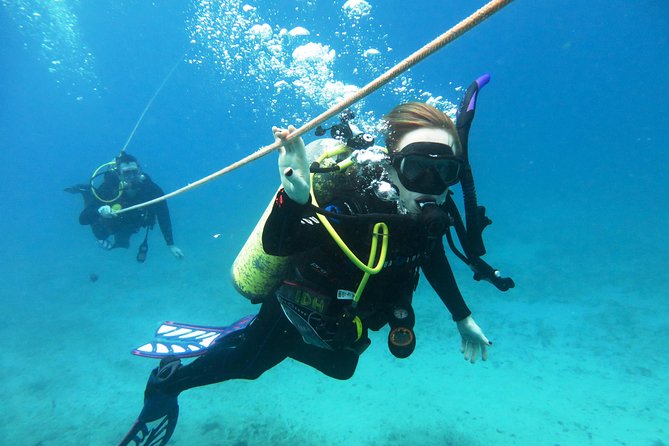
You’re required to complete the digital portion before Day 1. It’s included, but you’ll need access details by contacting the provider directly.
Why this matters: it compresses the learning curve. Instead of spending Day 1 trying to learn everything from scratch, you arrive ready to review and start hands-on work. The course’s pace depends on this part being done.
If you’re the type who ignores pre-work until the last minute, don’t. This certification course expects you to show up prepared.
Ocean Conditions and Safety: How You Build Confidence Without Getting Rushed
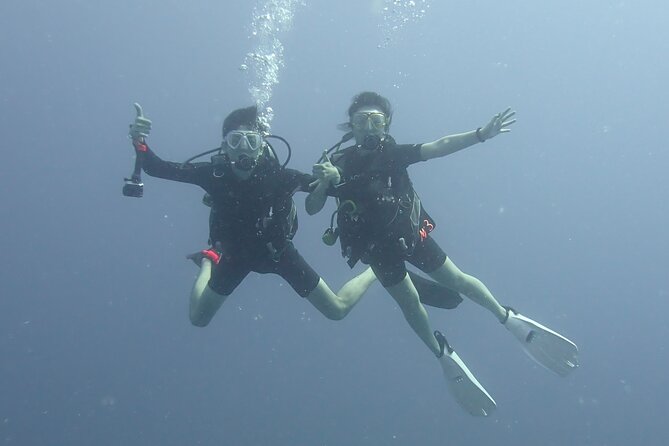
Scuba skills are one part technique and one part calm decision-making. This course tries to earn that calm through repetition: confined water first, ocean sessions second, and then a second weekend to refine.
In the feedback, the biggest praise clusters around instructors being patient, thorough, and unwilling to push students past their comfort level. Names that show up repeatedly—like Lenny, Theo, Jess, Ed, Chandler, Hunter, Anna, and Jake—tie to the same theme: clear explanations and a pace that helps you get your head wrapped around gear and underwater communication.
That’s a huge deal if you’re nervous. One strong pattern in the stories is how instructors helped people who were scared at the start feel more confident by the end of the first training block.
Still, be honest with yourself. This is a real certification. You need a moderate physical fitness level, and you’ll have to complete the health questionnaire. Some pre-existing conditions (like asthma or heart issues) may prevent you from diving, so you should consult your doctor if you’re unsure.
Also note: diving within 48 hours of flying is not recommended. If you’re planning flights right before your course days, build in a buffer.
Who This Course Is Best For (And Who Should Reconsider)
This class is designed for locals, but anyone who can meet the schedule is welcome. If you live near Honolulu, it’s straightforward. If you’re visiting, it’s still doable—just plan your trip around two weekends and that early 7:00 AM start.
You’ll likely love it if:
- You want a clear path to certification without piecing together lessons yourself
- You learn best with structured steps and check-outs
- You care about safety and want instructors who slow down for confidence
You might want to reconsider if:
- You’re hoping for a one-weekend experience
- You rely on the provider for transportation (you need to arrange your own)
- You can’t be flexible if health issues come up, since the course is non-refundable and can’t be changed for any reason
Price Check: Is $495 Good Value for SSI Open Water?
At $495 per person, you’re paying for a full SSI Open Water course structure, not just a snorkeling-type intro. What makes it feel like value is that the price includes:
- digital learning (required)
- professional guidance
- use of most scuba equipment
- the full set of four local in-water sessions
- the SSI certification outcome
The real cost can shift depending on your gear situation. Since you’re responsible for mask, snorkel fins, and boots, some people spend extra if they don’t already have them. If you end up buying those items starting around $175, your total rises.
So my way of thinking about the value is simple:
- If you already have the needed personal gear, $495 is a clean deal for a full certification.
- If you need to buy everything, budget for the extra purchase so the number doesn’t surprise you later.
Also, the group size is up to 8, which tends to improve the learning environment. You get coaching attention without it turning into a huge class.
What You’ll Actually See Off Oahu’s Coast
Even with training on the schedule, Hawaii has a way of turning practice into a wildlife encounter.
Based on what people shared, keep an eye out for:
- Sea turtles
- Octopuses
- Colorful tropical fish and reef life
You shouldn’t treat wildlife as a guarantee—scuba conditions and timing can affect sightings—but sea turtles in particular show up often enough that it’s worth being hopeful. When you’re learning, that kind of reward helps you stay relaxed and curious.
The One Big Caution From Real Stories: Quality and Consistency
Most of the feedback is very positive, especially about teaching style, safety, and friendliness. But there is at least one negative story about a last-minute cancellation after COVID illness with no refund, and another mention of equipment issues and concerns about COVID measures.
That doesn’t mean your trip will go poorly. It does mean you should protect yourself:
- Plan conservatively if you’re traveling during a season when you might catch something.
- Have a backup schedule for your general trip.
- If you’re sensitive about equipment condition or health protocols, ask questions before you pay.
I’d rather you go in prepared than shocked.
Should You Book This Course?
Book it if you want a straight shot to SSI Open Water in Honolulu and you’re ready to commit to two weekends. The biggest reasons to sign up are the patient instruction, the small group size, and the way the course moves from beach skills to ocean check-outs without skipping the steps.
Skip it (or ask more questions first) if you can’t handle early mornings, you don’t have a way to get yourself to the meeting point, or you’re at risk for medical restrictions or sudden illness right before the start.
If your goal is real certification and you’d rather learn with safety-first coaching than figure it out on your own, this course is a solid bet.
FAQ
What certification will I earn?
You’ll earn an Open Water Scuba Certification from Scuba Schools International (SSI) after completing the training and check-out sessions.
How long is the course?
It takes about 4 days, spread over two consecutive weekends.
What happens on each day?
Day 1 includes exam review and confined water training from the beach. Day 2 includes two ocean sessions. Day 3 finishes the confined water training, and Day 4 includes the final two check-out sessions.
Do I need to complete digital learning before Day 1?
Yes. Digital learning is included and required to be completed before the first day of class. You’ll need to contact the provider for access.
What scuba equipment is included?
The course includes use of scuba equipment. You bring your own mask, snorkel fins, and boots.
Can I buy the gear if I don’t have it?
Yes, prices start at $175 for items you need, if you don’t bring your own.
Where do we meet, and what time does it start?
You meet at Honolulu Scuba Company, 670 Auahi St suite a-1, Honolulu, HI 96813, with a 7:00 AM start time.
Do I need my own transportation?
Yes. Private transportation is not included, so you’ll need to arrange getting to the meeting point and back.
Are there health or fitness requirements?
You’ll complete a health questionnaire before diving. Diving within 48 hours of flying is not recommended. Some conditions (like asthma or heart conditions) may prevent diving, so you should consult your doctor if you have any concerns.
How many people are in the group?
The course has a maximum group size of 8 travelers.