REVIEW · SURF LESSONS
Surf Honolulu: Ala Moana Stand-up Paddleboard Lesson
Book on Viator →Operated by Surf HNL · Bookable on Viator
First time on a SUP can feel wobbly, in a good way. This Ala Moana stand-up paddleboard lesson in Honolulu pairs beginner-friendly instruction with the kind of shoreline where you can actually practice without getting beat up by rough water. You’ll learn how to paddle, turn, and stay upright, then try your luck riding waves if you’re feeling bold.
Two things I really like: the lesson is built around your comfort level, and you get clear, patient coaching before you’re sent out. I also love that the experience can turn into more than lessons—one rider described getting to see a large sea turtle up close, which is the kind of bonus you don’t get from a generic pool class.
One consideration: you’ll need to handle a few basics yourself. Towels, swimsuits, and sunblock aren’t included, and pickup is only from select Waikiki hotels—so if you’re staying outside the pickup area, plan on getting to the meeting point on your own.
In This Review
- Key things to know before you go
- Why Ala Moana is the right Honolulu spot for learning SUP
- Price and what $139 actually buys you
- Waikiki hotel pickup to the beach: how the timing really feels
- Stop 1: Ala Moana Beach Park and your first calm-water practice
- Stop 2: Surf HNL check-in, instruction style, and gear setup
- The SUP skills you’ll learn (and why they matter on Oahu)
- Small-group coaching: why a 4-person max changes everything
- Ocean reality check: currents, turns, and what to do when you feel off
- Gear and what to bring so you’re comfortable
- Who this SUP lesson suits best
- Should you book Surf Honolulu for Ala Moana SUP?
- FAQ
- FAQ
- How long is the stand-up paddleboard lesson?
- Where does the activity start?
- Is hotel pickup included?
- Are lessons private or small group?
- What SUP gear is provided?
- Do I need to bring a swimsuit or towel?
- Is there a minimum age requirement?
- Can I choose between morning and afternoon?
- What’s the cancellation policy?
Key things to know before you go
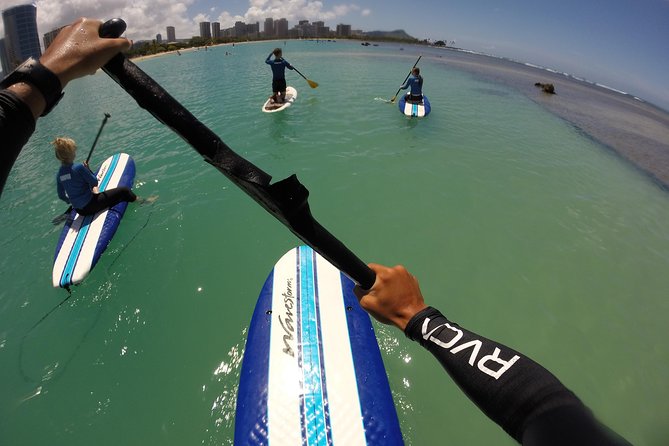
- Ala Moana Beach Park is used for learning, with calmer, warmer water that helps you focus on technique
- Small group cap of 4 travelers means more attention and less waiting your turn
- Dry-land practice first helps your body learn the moves before you’re balancing on the board
- Paddle, leash, reef shoes, rashguard, and life jacket are included, so you can pack light
- CPR-certified instructors and an experienced lifeguard add real safety backup
- You can start with flat water, then move toward turns and wave riding if you’re ready
Why Ala Moana is the right Honolulu spot for learning SUP
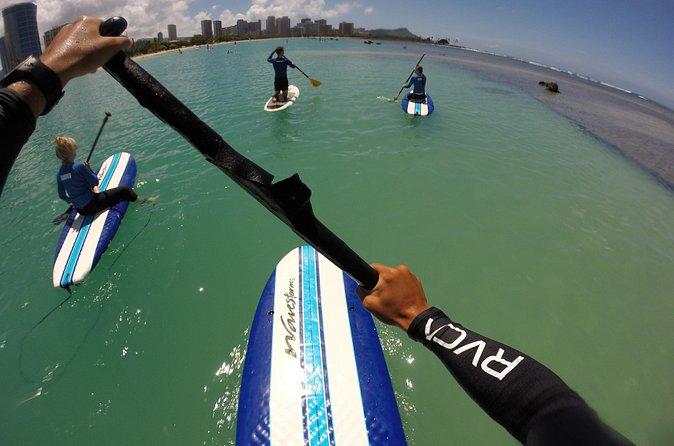
If you’re learning stand-up paddleboarding, you want two things: space and forgiving water. Ala Moana Beach Park is the kind of shoreline where instructors can teach fundamentals without you immediately fighting every twist of the ocean. The water temperature also helps—warm enough that your session doesn’t turn into a chilly endurance test.
This matters because early SUP is all about basic control. Your first wins come from paddle placement, a relaxed stance, and gentle steering—not from trying to perform on waves. A good lesson setup lets you build those wins steadily, so the board feels less like a surprise animal and more like something you can guide.
You can also read our reviews of more tours and experiences in Oahu
Price and what $139 actually buys you
At $139 per person for about 2 hours, this lesson isn’t the cheapest thing in Oahu, but it’s also not just a board rental with someone watching. You’re paying for instruction plus safety, and the gear package is real—not a bare-bones add-on.
Here’s what the price covers: a stand-up paddleboard rental, rashguard and life jacket available, and surf gear like reef shoes and a leash. On top of that, you get pickup and drop-off from select Waikiki hotels, plus instructors who are CPR certified and an experienced lifeguard. That combination is where the value lives: less hassle for you, and more trained eyes on you while you learn.
What’s not included is also worth noting. You’ll be responsible for food and drinks, and you should bring a towel, swimsuit, and sunblock since those aren’t provided. If you already travel light with those items in your day bag, the overall cost-to-effort feels fair.
Waikiki hotel pickup to the beach: how the timing really feels
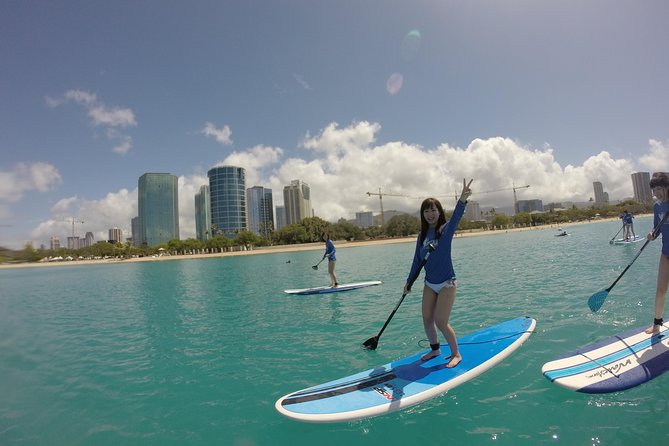
Most SUP lesson blocks run about 2 hours, and this one follows that rhythm: you get picked up in Waikiki, then you’re transported to Ala Moana Beach. Once you arrive, you’ll meet the instructor for a quick orientation and equipment setup, so you’re not standing around figuring out the leash while the sun does its best work on you.
There’s also a nice flexibility baked in: you can usually choose a morning or afternoon time slot. That helps because SUP on Oahu can feel very different depending on how your day is going—morning can be calmer for some people, while afternoon can be a better fit if you want a later start after beach time.
Group size is capped at 4 travelers, which is a big deal for learning speed. With a larger class, you might spend more time waiting for feedback. Here, the flow is more like coaching sessions: try, correct, repeat.
Stop 1: Ala Moana Beach Park and your first calm-water practice
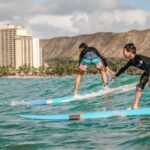
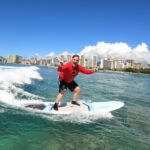
This is where the lesson happens, and you’ll feel the logic fast. The plan is to head to the calmest, warmest spot on the beach so you can learn without getting thrown around. That means your early focus stays on technique.
You’ll start with the kind of basics that make everything else easier:
- How to hold the paddle correctly
- How to steer
- How to stay upright
- How to read the current enough to make turns
That last part is key. On a SUP, you’re not just “paddling forward.” Water movement affects your direction the moment you plant your paddle. Learning how to recognize that and make controlled turns helps you stop feeling like you’re reacting and start feeling like you’re driving.
Once you’re comfortable on flat water, you’ll typically get a chance to ride waves if you want to push further. For beginners, “waves” is often misunderstood as “surviving chaos.” In a structured lesson, it’s more like a step-up exercise: same skills, slightly more challenge.
Stop 2: Surf HNL check-in, instruction style, and gear setup
The Surf HNL portion is where the experience becomes real: you meet the team, get your equipment, and get oriented before you touch the water. The meeting point is at 71 Ala Moana Park Dr, Honolulu, HI 96815, and the session ends back at that same starting point.
What I like about the way this is set up is that you’re not guessing gear. A proper SUP setup can make or break your confidence. You’ll have a board, a leash, and the right kind of protective layer—plus a life jacket available—so the lesson focuses on balance and paddling instead of discomfort and distractions.
Instructor attention is also a standout theme in real-world sessions. One rider highlighted Ridge as the instructor who walked them through the moves on dry land first, then transferred that practice to the water. Another person credited Nate with clear communication and patience matched to their comfort level. That kind of calm, structured coaching is exactly what you want when your brain is juggling stance, paddle angle, and where to look.




The SUP skills you’ll learn (and why they matter on Oahu)
A stand-up paddleboard lesson can sound like a generic checklist. In practice, the specific skills you learn shape how safe and confident you feel within minutes.
Here’s the practical skill set the lesson focuses on:
Paddling basics that keep you stable
Your paddle grip and placement determine whether you glide or wobble. Learning how to hold the paddle correctly helps your strokes become smoother instead of jerky.
Turning technique tied to the current
Learning to make turns isn’t just about twisting your body. You’ll also work on how to respond to the water movement, which is crucial near any shoreline.
Staying upright without fighting the board
Balancing isn’t only about muscles. It’s about stance, weight distribution, and using the paddle to correct course. The lesson is built to get you standing and moving while keeping your energy under control.
Optional wave riding once you’ve got control
If you’re feeling ambitious, the progression moves from flat water to riding waves. The point isn’t to show off. It’s to apply the same control skills in a slightly more dynamic situation.
Small-group coaching: why a 4-person max changes everything
A maximum of 4 travelers means your instruction feels personal even when you’re in a shared setting. You’re less likely to spend time watching others while your board sits unused. More importantly, you’re more likely to get quick corrections before small bad habits harden into your muscle memory.
For first-timers, that’s huge. If you plant the paddle wrong once or twice and no one adjusts you, you might keep doing it for the entire session. In a small group, that adjustment can happen sooner, and your confidence builds faster.
This is also a good structure for different skill levels. Since the lesson is customized to your skill level, you’ll get guidance matched to where you are—whether you’re brand new or you’ve tried SUP before and want cleaner technique.
Ocean reality check: currents, turns, and what to do when you feel off
Even in calm areas, water has a mind of its own. The lesson doesn’t pretend you’re in a bathtub. You’ll practice reading the current and adjusting your paddling accordingly.
Here’s how to think about it while you’re out there:
- If your board drifts, adjust with paddle placement and gentle steering rather than panicking.
- When turning, focus on control and timing, not big muscle swings.
- Keep your stance relaxed. Tight legs and tense shoulders often lead to wobble.
And yes, you might fall. That’s part of learning any water sport. But a good coach will make falls less scary by keeping progress structured—dry land first, then calm water, then optional waves if you want them.
Gear and what to bring so you’re comfortable
Most of the hard stuff is handled for you. You’ll have access to surf gear like reef shoes, a paddleboard, and a leash, plus a rashguard and life jacket available.
What you should plan to bring:
- Swimsuit (not included)
- Towel (not included)
- Sunblock (not included)
- Food and drinks (not included)
If you hate the idea of a separate “beach bag” day, this is still manageable. Most people can toss the non-included essentials into a single small pack and call it done. The big win is you won’t be hauling a board or trying to figure out leash safety gear in real time.
Who this SUP lesson suits best
This is a good fit for a lot of people on Oahu because it’s designed for beginners and it’s adaptable. The minimum age is 12, and the experience states most travelers can participate, which usually means the instructors expect a mix of comfort levels.
It’s especially ideal if:
- You’ve wanted to try SUP for years but never found a good lesson setup
- You want coached technique, not just free time on a board
- You like small group experiences with safety support
- You’ll benefit from hotel pickup if you’re staying in Waikiki
One more practical note: service animals are allowed. If that applies to you, it can remove a major travel friction point.
Should you book Surf Honolulu for Ala Moana SUP?
I’d book it if you want a structured, low-stress way to learn stand-up paddleboarding on Oahu. The main reasons are simple: calm-water teaching at Ala Moana, CPR-certified instruction with lifeguard support, and a small group size that helps you get feedback while you’re still learning.
If you’re the type who already has all your beach basics and you can get yourself to the meeting point (or you’re in the Waikiki pickup zone), $139 feels like paying for training and safety, not just equipment. If you don’t want to bring a swimsuit, towel, or sunblock, then you’ll need to plan around what isn’t included.
FAQ
FAQ
How long is the stand-up paddleboard lesson?
It runs about 2 hours.
Where does the activity start?
You’ll meet at 71 Ala Moana Park Dr, Honolulu, HI 96815.
Is hotel pickup included?
Round trip hotel pickup is included from select Waikiki hotels.
Are lessons private or small group?
You can choose a small-group or private lesson, and the activity has a maximum of 4 travelers.
What SUP gear is provided?
You get a stand-up paddleboard rental, plus a leash and reef shoes. Rashguards and life jackets are available.
Do I need to bring a swimsuit or towel?
Yes. Towels, swimsuits, and sunblock are not included.
Is there a minimum age requirement?
The minimum age is 12 years.
Can I choose between morning and afternoon?
Yes, you can pick a morning or afternoon time slot.
What’s the cancellation policy?
Free cancellation is available up to 24 hours in advance for a full refund. Changes less than 24 hours before the start time aren’t accepted.