REVIEW · SCUBA DIVING
Hawaii DISCOVER Beginner + Certified 2 Tank Shallow Scuba Diving
Book on Viator →Operated by Waikiki Dive Center · Bookable on Viator
Oahu reefs, no scuba experience needed. This 2-tank shallow scuba setup in Waikiki is built for both beginners and certified divers, with real PADI-certified instructors and hands-on coaching, not a sketchy beach operation. What I love is the tight group size that keeps you from getting lost in the shuffle, plus the professional gear and instruction flow from start to finish. The main thing to consider is the medical check: you must complete the questionnaire and, if needed, get a doctor’s consent before check-in.
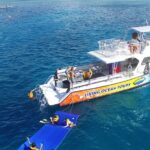
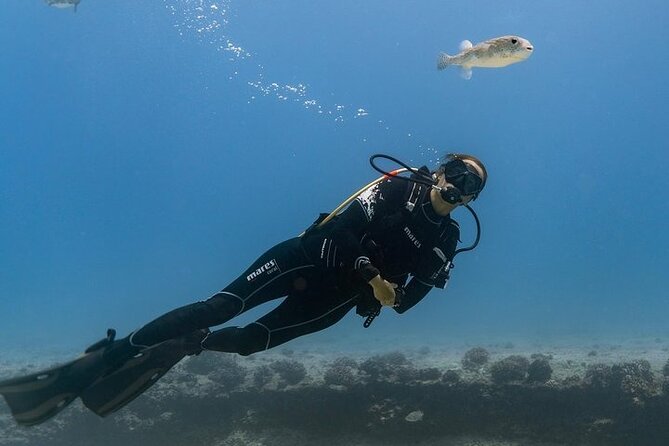
You can also pick a morning or afternoon slot, and you’ll head out for real open-ocean time where the goal is calm, shallow conditions and wildlife you can actually see. Based on the marine-life writeups from past riders, expect chances at turtles, rays, octopus, and colorful reef fish, with dolphins sometimes in the mix on the boat ride.
In This Review
- Key Points I’d Prioritize Before Booking
- Waikiki check-in at Nāhua Street: how the day starts
- Medical clearance and beginner training: what really keeps it safe
- Picking morning or afternoon in Oahu: why timing affects comfort
- Two-tank shallow plan: what your underwater time is built around
- The Oahu coastline route: why Waikiki, Ala Moana, Kewalo Basin, and Diamond Head matter
- Comfort tips that protect your day: ears, motion, sunscreen, and flying rules
- Price and value at $299: what you get (and what you don’t)
- Should you book this Waikiki 2-tank program?
- FAQ
- Do I need PADI certification to join?
- How long is the experience?
- Are two tanks included?
- Is hotel pickup and drop-off included?
- What equipment is included?
- What medical steps are required before check-in?
- Can I choose a morning or afternoon time?
- What should I do about motion sickness and comfort?
- If weather is bad or I cancel, will I get refunded?
Key Points I’d Prioritize Before Booking
- No PADI certification required: Beginners can join, with separate grouping and added support.
- Small-group attention (max 22): Less waiting, more check-ins, and tighter help for skills.
- Hotel transfers included: You’re not doing awkward taxi math before your session.
- Two-tank, shallow plan: You get more water time than quick beach tricks.
- Real professionals and premium gear: Equipment and instruction are part of the value, not an afterthought.
- Medical questionnaire + doctor consent: This isn’t optional paperwork; it’s part of the safety gate.
Waikiki check-in at Nāhua Street: how the day starts
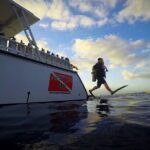
The experience kicks off at Waikiki Dive Center, 424 Nāhua St, Honolulu. It’s in Waikiki, near public transportation, and you’re using a mobile ticket. From a practical standpoint, that matters because your day is only about 4 hours, and you don’t want to lose that time hunting for parking or figuring out bus routes.
You’ll get your gear set up and receive the briefing before heading out. One big advantage: this program runs with a maximum of 22 people, and beginners are generally grouped separately from certified divers. That separation helps because they can teach the fundamentals at the right pace instead of mixing everyone’s skill level.
If you want extra hands-on coaching, there’s an optional private instructor. The catch is timing: you need to inquire 24 hours before check-in.
You can also read our reviews of more scuba diving tours in Oahu

Medical clearance and beginner training: what really keeps it safe
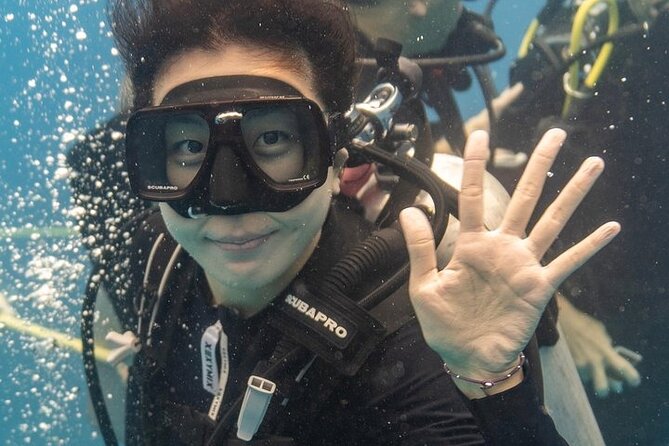
This is a beginner-friendly program, but it’s not casual about safety.
Before you go, you must complete the PADI medical questionnaire as part of the waiver process. If you have any conditions that trigger it, you’ll need medical doctor consent ahead of time. The rules are clear: failing the medical questionnaire at check-in can mean you lose your booking cost, even if the trip goes out.
They also set expectations around comfort and physical readiness. The tour calls for a moderate physical fitness level, which usually means you should be able to handle boarding steps, wetsuit/gear adjustments, and the movement of the boat without panic.
Also note the behavior rules that protect you underwater:
- No alcohol before diving/scuba time
- Be ready for skills like breathing control and equalizing pressure (ears can be the trouble spot for first-timers)
In past experiences, people have reported ear pressure issues and respiratory limitations can stop some participants from completing the second tank. That’s a reminder to be honest with yourself about your comfort and follow the crew’s guidance.
Picking morning or afternoon in Oahu: why timing affects comfort
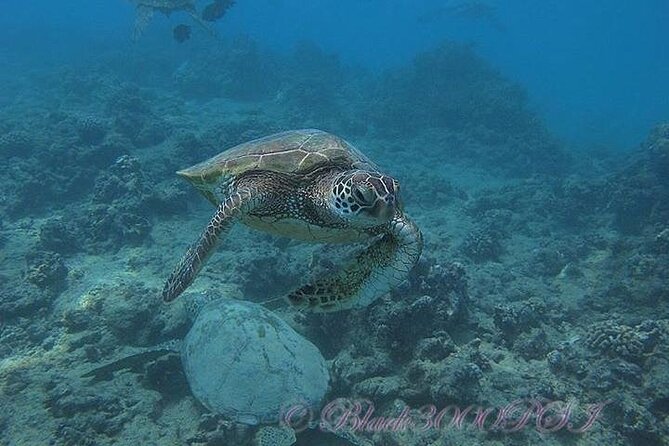
You can choose either a morning or afternoon slot. That choice isn’t just preference; it can affect how you feel on the boat and how conditions line up for that two-tank plan.
The operator also says the trip requires good weather, and if it’s canceled due to conditions, you’ll be offered a different date or a refund. Translation: you should treat the sea like it has moods. If you’re the type who gets stressed when plans shift, plan for a little flexibility.
If you’re sensitive to motion, this is where your preparation matters. They recommend taking Dramamine and staying hydrated. Even people who don’t usually get motion sickness sometimes felt queasy during open-water portions, so I’d take that advice seriously.
Two-tank shallow plan: what your underwater time is built around
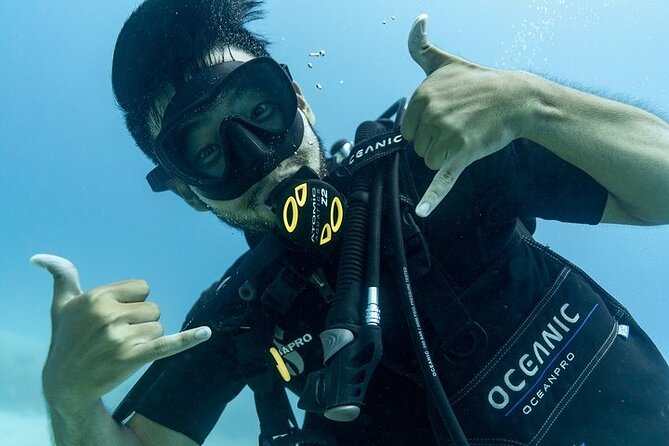
This tour is about two shallow open-ocean sessions, not a long, rushed, “jump in and hope” setup. The value is in the structure:
- one-on-one or very close coaching for fundamentals
- premium professional gear included
- a small group that allows the crew to monitor you
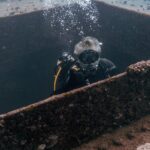
Depth specifics aren’t fully stated in the summary, but at least one certified diver described about 60-foot sessions as part of their experience. The point for beginners is that the plan is designed to keep things manageable and safe—controlled skills first, then enjoy the reef life.
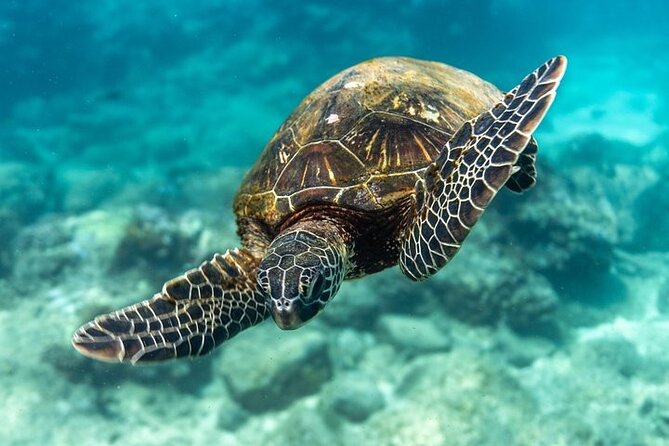
What you’re looking for in the water, based on typical sightings and prior reports:
- sea turtles (including a truly big one in one account)
- rays
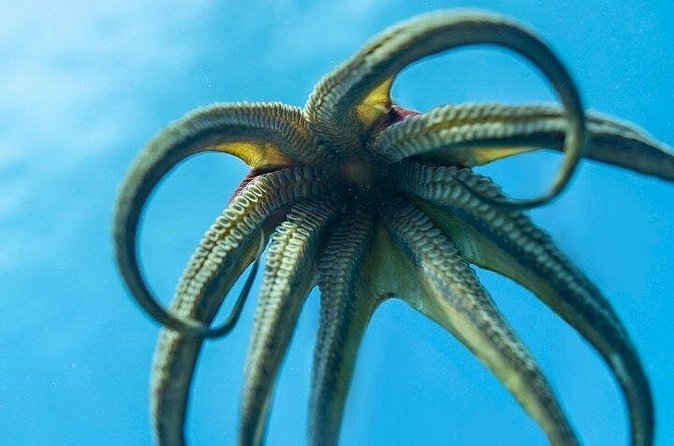
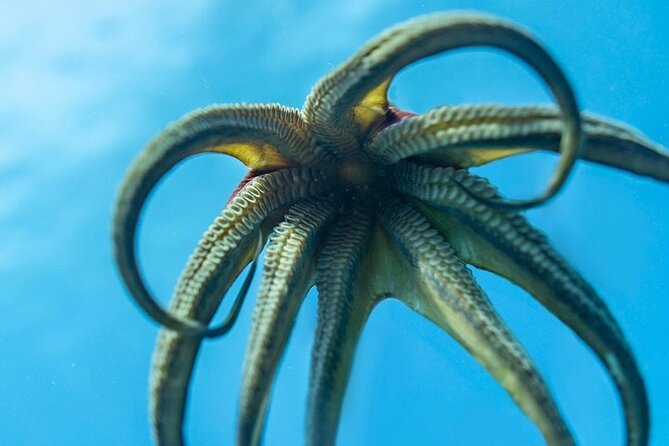
- octopus
- colorful tropical reef fish
- reef sharks mentioned in the tour description
- sometimes dolphins on the surface ride, plus occasional whale sightings from past trips
Two good clues about the quality of instruction came up repeatedly through named staff in past accounts: Chad, Yoshi, Matt, Alex, and Chris (with Captain Jim also mentioned). The common thread isn’t just friendliness. It’s that they teach you in steps, check your work, and keep you feeling safe even when conditions get choppy.
One more practical note: currents can sometimes affect the second tank. There’s an example of a group where strong current prevented the second session, but they were still satisfied with the overall experience. So don’t assume you’ll always get every minute underwater, but do expect a safety-first decision.
The Oahu coastline route: why Waikiki, Ala Moana, Kewalo Basin, and Diamond Head matter
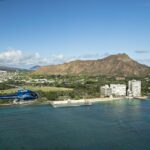
Your itinerary lists stops around Oahu including Waikiki Beach, Ala Moana Beach Park, Kewalo Basin, and Diamond Head Crater. The way to think about this: it’s not a “hop out for photos at every stop” tour. It’s more like the geography behind where you launch and how the crew times the ride to match conditions.
Here’s what those locations usually mean for you in real-life terms:
- Waikiki: the easy start point where you’re close to parking, buses, and the action.
- Ala Moana: a well-known coastal area that can help anchor the scenic ride while you’re getting oriented.
- Kewalo Basin: another coastline segment tied to local marine access.
- Diamond Head: a major landmark you may spot during the route, and it’s a nice visual anchor while you’re getting to the water.
Drawback to expect: you may spend some of your short overall day in transit between coastal areas. That’s normal for a two-tank plan. The good news is the whole experience is still about 4 hours, so it doesn’t eat your entire day in the way some “all-day” water tours do.




Comfort tips that protect your day: ears, motion, sunscreen, and flying rules
If you want this to be a “worth it” memory, the boring prep matters.
Here’s what the tour guidance specifically recommends:
- Stay hydrated
- Take Dramamine (especially if you’re motion-sensitive)
- Use coral-safe sunscreen only
- Don’t consume alcohol before you go
- Do not fly within 18 hours after your scuba time
That last one is big. Pressure changes after flying can be risky when you’ve just been using scuba gear, so treat it like a hard rule.
Also think about common first-timer problems:
- Equalizing pressure: if you can’t equalize comfortably, tell your instructor early.
- Choppy surface water: even if the underwater part goes fine, the surface ride can trigger nausea for some people.
- Breathe control: you might feel awkward at first, but that’s exactly what the coaching is for.
One interesting detail from past experiences: if someone couldn’t complete the underwater portion due to injury, the crew helped them still enjoy time on/near the boat by snorkeling around. That’s not guaranteed in every situation, but it’s a reminder that the crew’s goal is to keep you included when possible.
Price and value at $299: what you get (and what you don’t)
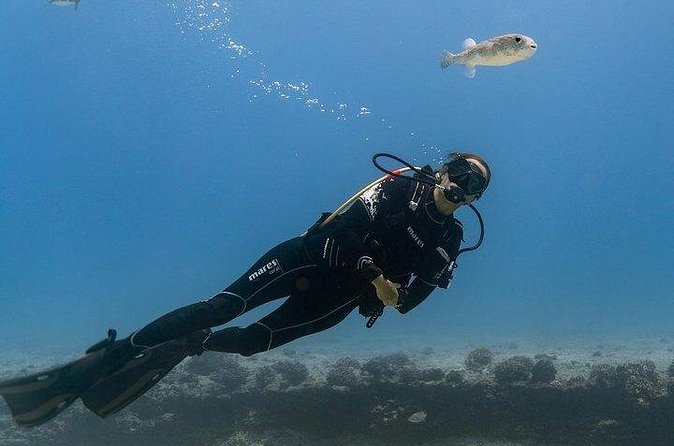
At $299 per person, you’re paying for more than a ticket to the water. You’re paying for:
- two-tank structured sessions
- use of scuba equipment (gear is included)
- round-trip transfers from your hotel
- professional instruction and small-group support (max 22)
- guidance for both beginners and certified divers
Bottled water is not included, so budget for a drink (or bring your own if you prefer). Also, there’s no guarantee you’ll do every planned minute underwater if conditions change, but the crew’s safety decisions and the quality of instruction are where you’re getting your money’s worth.
The biggest value signal is this: the tour positions itself as a real open-ocean, professional-led operation—so you’re not paying for a “try it quickly” setup that cuts corners on training. When you’re choosing your first scuba experience in Oahu, that difference is everything.
Should you book this Waikiki 2-tank program?
I think this is a great fit if:
- you’re a first-timer who wants real instruction in the open ocean
- you’re a certified diver looking for a refresher with patient coaching
- you want a short, well-organized day (about 4 hours) with two tanks
- you prefer small-group attention instead of being one face in a crowd
I’d think twice (or talk to your doctor first) if:
- you’re likely to struggle with the medical questionnaire process
- you have a history of respiratory issues or get strong motion sickness
- you’re not comfortable equalizing pressure
If you do book, pack smart: coral-safe sunscreen, be ready for motion, and don’t plan any flights in the next 18 hours.
FAQ
Do I need PADI certification to join?
No PADI certification is required for the beginner portion. Non-certified beginners are generally grouped separately from certified divers, and you’ll still need to complete the required medical questionnaire.
How long is the experience?
The experience runs about 4 hours (approx.).
Are two tanks included?
Yes. The experience includes 2 tank sessions in shallow conditions.
Is hotel pickup and drop-off included?
Yes. Round-trip transfers from your hotel are part of the tour description. The activity ends back at the meeting point.
What equipment is included?
The tour includes the use of scuba equipment. Bottled water is not included.
What medical steps are required before check-in?
You must review the medical questionnaire and, if required, obtain medical doctor consent ahead of time. If you fail the medical review at check-in time, you incur the full booking charge.
Can I choose a morning or afternoon time?
Yes. You can choose from a morning or afternoon dive.
What should I do about motion sickness and comfort?
The tour recommends staying hydrated and taking Dramamine. It also advises using coral-safe sunscreen only and avoiding alcohol before your session.
If weather is bad or I cancel, will I get refunded?
The rules say the experience requires good weather. If it’s canceled due to poor weather, you’ll be offered a different date or a full refund. For cancellations, the provided policy indicates full refund if you cancel at least 24 hours in advance, and no refund within 24 hours. The info also notes that changes and cancellation requests should be made 48 hours prior to check-in, so confirm the policy shown on your ticket.